The day my phone nearly became fish food in Goa rain
#Monsoon travel in India looks very romantic until your phone starts showing that weird green line, no? Everyone talks about chai, misty ghats, waterfalls, that fresh mitti smell, and yes yes it is beautiful. But nobody tells you about standing near a beach shack in South Goa with wet shorts, a leaking backpack, and your phone inside a sad little ziplock which has somehow collected water INSIDE it. That was me. Full confidence before leaving the hotel, full regret after 20 minutes of sideways rain.
This whole waterproof phone pouch vs ziplock debate sounds like a small thing, but during monsoon trips it becomes proper serious. Your phone is not just a phone when you travel now. It is your UPI wallet, train ticket, hotel booking, Google Maps, camera, cab app, emergency contact, torch, everything. One small rain drama and suddenly you are asking a random chaiwala if he has rice to dry your phone. Been there, not proud.
I have used both. Cheap ziplocks from kitchen drawers, thicker freezer bags, those transparent waterproof phone pouches with neck lanyards from online shopping sites, one slightly fancy pouch from a sports store, and once even a plastic cover from a roadside vada pav stall because I forgot everything. So this is not some lab-test type review. This is from Indian monsoon travel — local trains, bus windows that don't close, waterfall hikes, Goa scooters, Kerala backwaters, Sahyadri treks, and that typical hotel room where nothing dries for 2 days.
Quick answer, because sometimes you just want the verdict
#If you are only stepping out for light rain, city sightseeing, or keeping your phone inside your bag most of the time, a good ziplock can manage. Not the thin sabzi-type plastic, please. A proper resealable zip bag, ideally double packed, is okay for splash protection. It is cheap, light, and easy to replace.
But if you are going near waterfalls, beaches, boat rides, river crossings, trekking in heavy rain, or riding a scooter in Goa/Kerala/Western Ghats, buy a proper waterproof phone pouch. Preferably one that says waterproof with a locking seal and has enough space for your phone with case. Even then, test it at home first. Put tissue inside, dunk it in a bucket for 10-15 minutes, and check. Trust me, that one test can save you 20-30k or more.
| Option | Best for | Typical cost in India | Main problem |
|---|---|---|---|
| Ziplock bag | Light rain, backup protection, phone inside backpack | Around ₹20-₹150 depending on pack and quality | Seal can open, corners tear, not reliable for dunking |
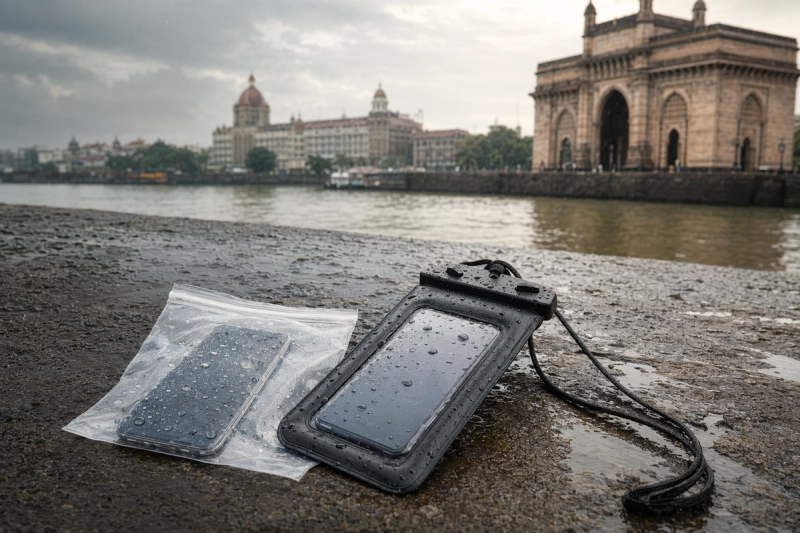
| Waterproof phone pouch | Waterfalls, beaches, boat rides, heavy monsoon travel | Usually ₹150-₹800, premium ones can cost more | Touch/photo quality can be annoying, cheap ones may leak |
| Dry bag + pouch combo | Treks, camera gear, longer monsoon trips | Small dry bags often ₹300-₹1200+ | Bulkier, but honestly safest |
| No protection | Only if you enjoy stress | Free now, expensive later | Phone repair shop friendship |
My real monsoon use: ziplock was fine… until it wasn't
#I used to be a ziplock person. Very jugaadu, very confident. Before a Matheran weekend, I packed my phone, wallet, earphones and even Aadhaar photocopy in separate ziplocks like I was preparing for some survival show. On the first day it worked. Toy train area was damp, paths were muddy, rain was coming and going. Phone stayed dry. I felt smart.
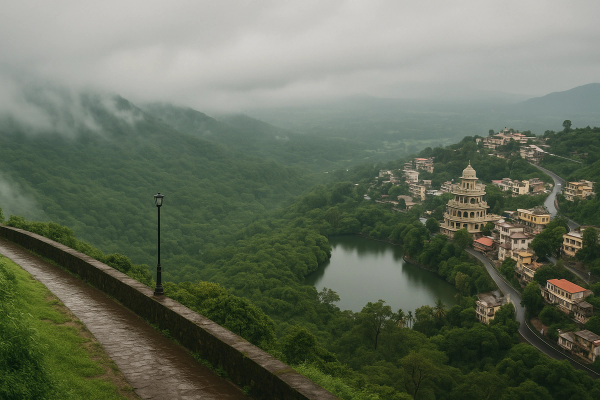
Second day, we walked towards Charlotte Lake side and it started raining properly. Not drizzle. That thick monsoon rain where even your thoughts get wet. I kept taking the phone out for photos, putting it back, taking it out again. Wet fingers, muddy hands, ziplock seal not closed fully once, and bas — some moisture entered. Phone did not die, thankfully, but the charging port showed moisture warning and my camera lens fogged from inside the cover. For next few hours I was just babying the phone instead of enjoying the place.
Same thing happened in Goa, worse. We were near Palolem side, planning to go kayaking but rain changed the mood completely. I had my phone in a ziplock inside my sling bag. Water entered the sling bag from the zip area. The ziplock had a tiny fold near the seal, probably because I shoved cash also inside it. When I opened it later, the phone was damp. Not soaked, but enough to scare me. After that trip I bought a proper waterproof pouch. Late wisdom, but okay.
Where a waterproof phone pouch actually wins
#A proper waterproof pouch is not magic, but it gives you one big thing during monsoon travel — peace of mind. You can hang it around your neck during a waterfall visit, keep it in front while riding pillion on a scooter, use maps while walking in rain, and even take photos without removing the phone every 2 minutes. That last part is huge. Because most water damage happens not when the phone is packed safely, but when we keep opening and closing protection in rain.
The better pouches have a plastic clamp or triple-lock type closure. Many mention IPX8-style waterproofing, but don't blindly trust random labels. Some cheap ones copy the wording and leak anyway. What matters in practical travel is: the seal should close firmly, the plastic should not feel like it will crack after one fold, and the pouch should be big enough so your phone does not stretch the edges. If you use a big phone with a thick case, check size properly before buying. I learnt this with my friend's iPhone in a rugged case — it went in, but looked like a stuffed paratha.
- For waterfall visits like Dudhsagar viewpoints, Tamhini, Athirappilly side, Jog Falls area, or random Sahyadri cascades, pouch is much safer than ziplock.
- For boat rides in Alleppey, Varanasi ghats during rain, Goa backwaters, or ferry crossings in Konkan, again pouch.
- For beach walks and kayaking, pouch wins because sand plus saltwater is a horrible combo for phones.
- For city trips where phone stays mostly inside bag, ziplock may be enough — but keep a backup.
But waterproof pouches also irritate me, honestly
#Let me not pretend they are perfect. Waterproof phone pouches can be annoying. Touchscreen response becomes weird, especially if water droplets sit on the plastic. Face unlock may not work. Fingerprint unlock obviously won't work if your sensor is covered or your hands are wet. Photos can come out hazy because the plastic sticks to the lens or gets scratched. Videos sometimes get that muffled audio like you are recording from inside a biscuit packet.
Also the lanyard. Arre, that lanyard gives false confidence. People hang the phone on neck and lean over rocks or water like nothing can happen. The pouch may survive, but the lanyard clip can break, especially cheap ones. I have seen one guy at a waterfall near Lonavala lose his pouch into a fast-flowing stream. Phone was waterproof pouch-protected, yes, but it went away only. What is the use then? So keep it tucked inside your jacket or clipped to bag strap also, not just swinging around like ID card.
One more thing — condensation. If you put a warm phone into a sealed pouch in humid monsoon weather, then keep using camera, the inside may fog. Not always, but it happens. I usually wipe the phone, let it cool for a minute, put one small tissue inside the pouch corner, and then seal. Silica gel packets are even better if you have them, those tiny ones from shoe boxes. Don't block camera though, I have done that also like an idiot.
Where ziplock bags still make sense
#Ziplocks are underrated as backup. I still carry them. Even after buying a waterproof pouch, I keep two medium ziplocks in my backpack. They are useful for wet socks, cash, hotel key cards, medicines, power bank, and emergency phone protection if your pouch tears or you forget it at the homestay. For Indian travel, redundancy is not overpacking. It is survival with style.
A thicker ziplock works quite well if you use it properly. Push out extra air, seal carefully from both corners to centre, and don't overstuff. If the phone has sharp case edges or a pop socket, remove if possible. Double-bagging helps. Put phone in one ziplock, seal it, then put that inside another with the seal facing opposite direction. Very uncle-type trick but it works for light to medium rain.
But ziplock is not for dunking. Please don't take it into a waterfall pool and say, “Bhai it is sealed only.” The edges are not made for pressure, repeated opening, sand, or rough handling. And during monsoon travel, rough handling happens automatically. You are rushing for bus, raincoat sticking to your face, someone is pushing from behind, you open the bag with wet fingers... that is where ziplocks fail.
Monsoon destinations in India where I would not risk only ziplock
#If you are planning proper monsoon travel in India, think about the kind of wetness, not just rain. Goa rain is different from Meghalaya rain, which is different from Mumbai local station rain, which is different from Kerala backwater humidity. Some places are splashy, some are muddy, some are full-on water attack from all directions.
For the Western Ghats — Lonavala, Malshej Ghat, Tamhini, Bhandardara, Coorg, Chikmagalur, Wayanad, Agumbe — I would carry a waterproof pouch plus dry bag. These places get sudden heavy showers, mist, slippery trails, and waterfalls that look calm but become dangerous quickly. During orange or red rain alerts, many local authorities restrict access to certain waterfall spots or ghats for safety, so always check local updates before going. Not every Instagram reel location is open or safe during peak rain.
For Goa in monsoon, pouch is useful because of scooter rides and beach winds. Accommodation is usually cheaper than peak winter, though popular beach belts still vary a lot. Hostels may start around ₹500-₹1200 for dorm beds, simple guesthouses around ₹1200-₹3000, and nicer boutique stays can go ₹4000 onwards depending on beach and weekend demand. Roads can flood in patches, ferry timings can be affected by weather, and renting a scooter during heavy rain is honestly not fun unless you are used to it.
For Kerala — Alleppey, Kumarakom, Munnar, Wayanad, Athirappilly — I prefer pouch because boat rides and misty hill roads are common. Homestays and budget hotels often sit around ₹1500-₹3500, houseboats cost much more and fluctuate by season, and hill resorts can easily go ₹5000-₹10000+. Landslide-prone hill routes need extra caution in heavy rains. If locals say don't go ahead, just listen. We city people sometimes act too brave for no reason.
For Meghalaya, especially Cherrapunji/Sohra, Nongriat, Dawki side, or Mawlynnong in wet months, take pouch without debate. Rain there is not a background effect, it is the main character. Stairs to root bridges get slippery, river activities depend on water level and safety, and phone protection matters because you will want photos but you also need maps, cab contacts, and booking details.
Before choosing pouch or ziplock, check the rain forecast properly
#This sounds boring but it saves trips. I used to just look at the weather app icon — cloud with rain, okay done. Now I check hourly rain, warnings, and local news if travelling to hill areas. IMD colour alerts are useful for broad safety decisions, and for weekend trips I also ask the hotel or homestay person what the road condition is like. They know faster than any app sometimes.
If forecast says light showers and you are doing cafes, markets, museums, or short walks, ziplock plus umbrella/raincoat is fine. If it says heavy rain, thunderstorms, gusty winds, or there are flood/landslide warnings, your phone pouch is only one small part of planning. You may need to change route, avoid waterfall treks, carry power bank in dry bag, and keep offline maps. I wrote more about this kind of planning in Read Monsoon Weather Forecasts Before India Trips, because honestly many of our monsoon mistakes begin before packing only.
The bigger packing mistake: protecting phone but drowning the bag
#Funny thing is, people buy a waterproof phone pouch and then keep power bank, charger, camera battery, wallet, clothes, medicines all in a normal backpack with no cover. Then rain comes and everything becomes khichdi. Your phone survives, but your power bank dies. Or your clothes are wet and you spend ₹600 for emergency T-shirt and shorts in a tourist market. Been there, again.
For monsoon travel, I like layering protection. Phone pouch for the phone. Ziplocks for cash and small electronics. Rain cover or waterproof backpack for main luggage. If trekking, a small dry bag inside backpack is beautiful. Even a basic plastic liner inside your bag helps. If you commute or travel often in Indian rains, this comparison on Backpack Rain Cover vs Waterproof Backpack: What Should You Buy for Indian Monsoon Commutes? is worth reading after you sort the phone situation.
Rain covers are okay but wind can lift them, and water can still enter from your back side where straps are. Waterproof backpacks are better but cost more, and not all “water resistant” bags are waterproof. Same logic as phone pouches actually — marketing words are easy, monsoon is the real exam.
Testing at home: please don't skip this small boring step
#Before any monsoon trip, test your pouch or ziplock. I know, sounds like extra homework. But do it. Put a dry tissue paper inside, close it exactly how you will close it during travel, and keep it under a bucket or basin water for some time. Press lightly. Move it around. Then check tissue. If tissue is wet, your phone would have been wet. Simple.
For ziplock, also check corners and seal line. Sometimes new-looking ziplocks have tiny manufacturing gaps, or the seal doesn't lock properly after one use. Don't reuse old ziplocks too many times for electronics. They stretch, collect dust, and the seal gets weak. For a ₹40 bag, don't risk a ₹25,000 phone. Indian middle-class brain says reuse everything, but sometimes no.
For waterproof pouches, inspect the plastic near the clamp. If it is cloudy, cracked, sticky, or has white stress marks from folding, replace it. Saltwater trips are especially harsh. After beach use, rinse pouch exterior with fresh water and dry it open. Sand near the seal can create leaks. I learnt this in Gokarna after wondering why the clamp was not closing properly. Tiny sand grains, full villain.
Using phone for photos in rain without ruining it
#Monsoon photography is addictive. Wet roads, mist, waterfalls, chai steam, green hills — everything looks cinematic. But phone cameras and rain are not best friends. With a waterproof pouch, wipe the camera window area often. Keep a small microfiber cloth or even a clean handkerchief in a dry pocket. Tap-to-focus may behave badly through plastic, so take multiple shots. Don't trust one photo.
If you want clear photos and rain is light, take phone out quickly under umbrella, shoot, wipe, and put it back. But if you are near a waterfall spray zone or on a boat, don't remove it. Also avoid charging a wet phone. Even if your phone is water-resistant, charging port moisture is common and can create issues. Let it dry fully. Don't blow hot air with hair dryer like crazy. Gentle drying, patience, and not panicking works better.
One small trick I use: keep a shortcut for camera on lock screen, increase screen brightness before sealing, and turn on touch sensitivity if your phone has that setting. Also download offline maps before leaving hotel. Rain plus patchy network plus wet screen is a combo made by some evil person.
Cost comparison: cheap now vs repair later
#A decent waterproof pouch in India usually costs less than one cafe meal for two in a tourist town. Basic ones online or in local markets can be around ₹150-₹300. Better branded or sports-store pouches may be ₹400-₹800 or more. Ziplock packs are cheaper, often under ₹100 for multiple pieces depending on size and quality. So yes, ziplock wins on cost.
But phone repair is not cheap. Screen, motherboard, charging port, camera fogging — these things can get painful fast. And even if the phone survives, losing photos, bookings, OTP access, UPI, and contacts during a trip is another headache. In places like hill stations or small beach villages, repair shops may not be nearby or may not have parts. You might spend half day travelling to town instead of enjoying the trip.
This is also where short-budget trips go wrong. People plan ₹3000 weekend, skip small gear, then rain damages stuff and total cost jumps. Monsoon has hidden expenses — extra cab because walking is impossible, raincoat purchase, laundry, medicine, delayed buses, wet shoes. If you are planning a quick hill escape, this piece on 2-Day Hill Station Budget Mistakes in Monsoon will feel very relatable, maybe painfully relatable.
Transport realities: trains, buses, scooters, and wet pockets
#In Indian monsoon travel, your phone gets wet in very ordinary ways. Not just adventure stuff. Mumbai local platforms with rain blowing sideways. KSRTC or MSRTC bus windows that leak from the corner. Shared jeeps in hill stations where bags go on roof under a questionable tarpaulin. Auto rides where one side is fully open. Ferries where everyone suddenly shifts and water splashes in. This is why I keep protection ready, not buried at the bottom of bag.
If travelling by train, keep phone pouch or ziplock in your day bag, not suitcase. Stations get slippery and crowded. Digital tickets need to be shown quickly, and if your wet fingers can't unlock phone inside pouch, keep screenshot accessible and brightness high. On buses, avoid keeping phone in jeans pocket during rain because water runs down raincoat and collects exactly there. Very scientific, very irritating.
Scooter rental in monsoon deserves respect. In Goa, Coorg, Munnar outskirts, Gokarna, even Pondicherry rains — people rent scooters because it feels free and fun. But wet roads, potholes, low visibility, and sudden braking can ruin the mood. Use a pouch, yes, but don't keep checking maps while riding. Pull over safely. Also carry actual cash because network and UPI can fail in heavy rain or remote areas.
Food stops, culture, and the small joy of dry phone in wet weather
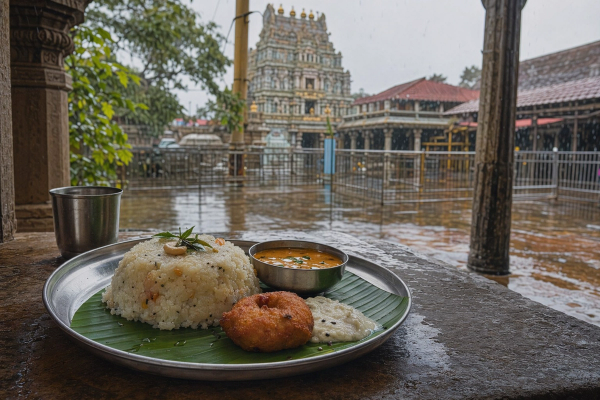
#One underrated happiness is sitting in a small hotel with rain outside and your phone still dry. You order cutting chai, vada pav, misal, bun maska, fish thali in Goa, hot neer dosa in coastal Karnataka, pazham pori in Kerala, momos in Meghalaya, whatever fits the place — and you can actually relax because your phone is not dying on the table.
Monsoon travel in India is deeply local. People slow down. Shopkeepers pull plastic sheets over counters. Bus conductors shout routes through rain. Homestay aunties tell you not to go near that river today. Fishermen read clouds better than apps. In many places, festivals, local temple events, and seasonal food make rainy months special, but schedules can shift because weather decides everything. That is also why phone protection matters. You are constantly calling drivers, checking route changes, paying small vendors, and taking photos of moments that disappear quickly.
I also feel monsoon makes you less touristy and more present, if that makes sense. You can't tick 10 places in a day. You sit more. Talk more. Eat more pakoras than planned. Watch clouds move. And then suddenly rain stops for 12 minutes and everyone runs out for photos. At that time, having a pouch means you don't waste half that golden window wiping your phone like a worried parent.
My personal packing setup now
#After too many wet-phone scares, my monsoon phone setup is pretty simple. One tested waterproof phone pouch. Two ziplocks. Small microfiber cloth. One silica gel packet if I remember. Power bank in separate ziplock or dry bag. Offline maps downloaded. Hotel address screenshot saved. Emergency cash in plastic. Nothing fancy.
If I am doing only city monsoon — Mumbai, Pune, Kochi, Kolkata, Bengaluru rains — I may carry ziplock and skip pouch unless I know I will be out whole day. If I am travelling to waterfalls, beaches, ghats, backwaters, or heavy-rain hill areas, pouch is compulsory. If I am trekking, then pouch plus dry bag. Overkill? Maybe. But I like my phone alive.
- For light rain city walks: good ziplock is okay, but keep it sealed and don't overuse it.
- For heavy rain sightseeing: waterproof pouch is worth buying.
- For water activities or waterfall spray: pouch, tested at home, no compromise.
- For long monsoon trips: pouch + ziplocks + dry bag is the safest combo.
So, waterproof pouch or ziplock — what should you buy?
#My honest answer: buy a waterproof phone pouch if you travel in monsoon even a little seriously. Keep ziplocks as backup. Don't make it a one-or-the-other ego fight. Ziplocks are useful, cheap, and light, but they are not designed for adventure-level water protection. A waterproof pouch is better for active travel, but only if it is decent quality and tested before use.
If budget is tight, start with a good ziplock pack and avoid risky situations. But if your trip includes Goa beaches, Kerala boats, Sahyadri waterfalls, Meghalaya rain walks, or any hill station during heavy rain, spend the extra money. It is a small item that can save your whole trip from becoming a repair-shop story.
Monsoon travel is not about staying completely dry. That is impossible in India. It is about deciding what can get wet and what absolutely should not.
And your phone, boss, should not.
Final thoughts from one rain-soaked traveller to another
#Indian monsoon trips are messy, beautiful, unpredictable, and sometimes mildly chaotic. You will get wet shoes, delayed buses, fogged windows, and that one friend who says “arre rain will stop in 5 minutes” while the sky is clearly planning a 3-hour performance. But with small prep, it becomes fun instead of stressful.
For me, the waterproof phone pouch wins for real monsoon travel. Ziplock stays in the bag as backup hero. Test everything before leaving, check weather alerts, respect local safety advice, and don't chase waterfalls during dangerous rain just for reels. The best trips are the ones where you come back with stories, not dead electronics.
If you're planning more rainy-season travel around India, keep browsing AllBlogs.in — there are some genuinely useful travel guides there, and I keep finding small practical tips that I wish someone had told me earlier.