The CPAP panic before my first flight from India
#The first time I travelled with my CPAP machine from India, I behaved like I was carrying some illegal satellite equipment. Not joking. I had the machine in my backpack, the mask in a separate pouch, prescription papers in one folder, and still at Delhi airport I was sweating like mad before security. The funny thing? Nobody made a big drama. One CISF guy asked, “medical machine hai?” I said yes, sleep apnea machine, CPAP. He nodded, they swabbed it once, and that was it. All my tension for nothing, basically.
But that doesn’t mean you should be casual. CPAP travel is easy only when you plan it properly. If you are flying from India — domestic or international — the main headache is not the machine itself, it’s the small things around it: plug adapter, humidifier water, airline rules, battery restrictions, hotel socket location, customs questions, and that one terrible moment when you realise your mask cushion is leaking at 1 am in a new country. Been there. Not fun.
This is my practical checklist for travelling with a CPAP machine from India, written from a very Indian traveler point of view. Like, the real stuff — what to pack in cabin bag, what paperwork to keep, what happens at airport security, how to manage long layovers, and why you should never ever check-in your CPAP with luggage. Trust me on that one.
Before booking flights: check if your CPAP travel plan is even practical
#Before you book the cheapest flight with two layovers and one 8-hour night halt in some random airport, pause a bit. CPAP users need to think differently. I learnt this on a Mumbai–Doha–Europe route where the fare was tempting, but the layover timing was nonsense. I landed at midnight, my next flight was at 7 am, and technically I had “enough time”, but where was I supposed to sleep with my machine? On those metal airport chairs? With one plug point 20 feet away, already occupied by three people charging phones? Arrey yaar.
If you use CPAP every night, choose flights where you can actually sleep properly. Non-stop is best, obviously, but expensive. One layover is okay. Two layovers with odd timings can become tiring. Also check if your checked baggage will be accessible during overnight transit. In many international connections, bags are checked through, which is convenient, but if your spare mask or adapter is in check-in luggage, you are stuck. Keep the core CPAP kit with you.
For domestic India trips, it’s simpler. Delhi, Mumbai, Bengaluru, Hyderabad, Chennai, Kochi and Kolkata airports are used to seeing medical devices. Smaller airports are also usually fine, but you may need to explain calmly. Don’t assume everyone knows the word CPAP. I usually say, “sleep apnea breathing support machine, doctor prescribed.” That works better than saying only model names like ResMed or Philips.
My cabin bag rule: CPAP never goes in check-in luggage
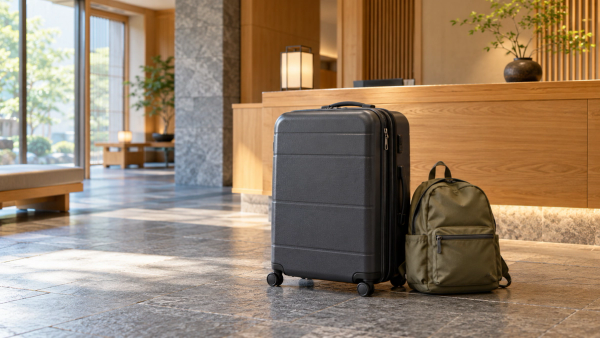
#This is the biggest rule. CPAP machine should travel in cabin baggage, not checked luggage. Checked bags get thrown around, delayed, opened, rained on sometimes, and if your bag misses a connection, your night is gone. Airlines generally allow medical devices in cabin, but the exact allowance can vary, so confirm before flying. Some airlines don’t count a medical device as part of normal cabin baggage if it is only medical equipment, but don’t just assume. Call, email, or use chat support and save the response.
I keep my CPAP in its original travel bag, then put that inside my backpack if there is space. If I’m carrying laptop also, it becomes a bit like Tetris. The machine, mask, hose, power brick, plug adapter, prescription, and one small extension cord stay with me. Medicines also. If you’re confused about what goes under the seat and what can go overhead, this guide on Personal Item vs Carry-On: What to Pack Where is actually useful because CPAP users need fast access to important stuff, not “oh it’s somewhere in the big suitcase” type planning.
- Keep CPAP machine, mask and tube in cabin baggage, ideally under the seat or easy overhead access.
- Carry your prescription or doctor letter, especially for international travel.
- Put the power adapter, plug converter, and spare mask cushion in the same bag, not in check-in.
- Remove water from humidifier before packing. Sounds obvious, but in hurry people forget.
- Don’t pack the CPAP in a soft cloth bag only. Use padding. Airports are not gentle, boss.
Documents I carry for CPAP travel from India
#For domestic travel inside India, nobody has ever asked me for a prescription, but I still carry it. For international travel, I carry more paperwork because every country and every airport officer has their own mood. You don’t need a suitcase full of documents, but keep a neat small folder. Printed copies are underrated. Phone battery dies, airport Wi-Fi acts smart, and then what?
My CPAP document folder has: doctor prescription mentioning obstructive sleep apnea and CPAP use, a simple medical certificate if available, machine invoice or warranty card copy, airline confirmation if they gave any approval, and hotel booking details. I also keep photos of the machine label showing voltage details. For document backup, I follow the same logic as passport and visa copies — offline PDF, cloud copy, and one print. This Travel Document Backup Checklist: Offline, Printed & Secure fits perfectly here, because CPAP paperwork is also travel paperwork in a way.
If you plan to use your CPAP during the flight, not just carry it, then definitely contact the airline in advance. Some airlines require medical clearance forms or advance notice. Some aircraft seats have power sockets, some don’t, and even when sockets exist, they may not support medical device use or may stop working mid-flight. Don’t fight with cabin crew on board. Sort it before. Also, CPAP is not the same as oxygen support. If you need oxygen or a ventilator-type setup, that becomes a different medical clearance matter.
The actual CPAP packing checklist I use
#| Item | Where I pack it | Small note from experience |
|---|---|---|
| CPAP machine | Cabin bag | Never check it in. I repeat, never. |
| Mask | Cabin bag | Carry in a hard-ish pouch so it doesn’t bend. |
| Hose/tubing | Cabin bag | Roll loosely, don’t fold sharply. |
| Power brick and cable | Cabin bag | Check for 100–240V input on the adapter. |
| Plug adapter | Cabin bag | Universal adapter is safer for international trips. |
| Extension cord | Cabin bag or check-in | Hotels love placing sockets behind beds, no idea why. |
| Prescription/doctor letter | Personal item | Printed plus offline copy. |
| Spare mask cushion or nasal pillows | Cabin bag | Small item, big rescue. |
| Filters | Cabin bag | Especially useful for dusty places or long trips. |
| Humidifier chamber | Cabin bag | Empty and dry before flying. |
| Distilled water plan | Buy after landing | Don’t carry big liquid bottles through security. |
| CPAP battery, if needed | Cabin bag only | Check Wh rating and airline battery rules before travel. |
One thing I added later is a simple multi-plug extension board. Not the huge Indian one with heavy wire, just a compact travel extension. In many hotels, especially budget ones, the only socket near the bed is already used for lamp or TV. In homestays also, plug points can be weirdly placed. In India I’ve even used CPAP with socket near the dressing table and the tube stretched across like some jugaad medical pipeline. It worked, but not ideal.
Airport security in India: what usually happens
#At Indian airports, I remove the CPAP from my bag and put it in the tray like a laptop. Not always required, but it avoids confusion. Security staff may ask what it is. Sometimes they swab it for explosives, sometimes they don’t. Be calm and explain. Don’t get irritated, because to them it’s a box with wires and tubes. If your CPAP bag has water drops inside, it can look messy, so dry it properly before leaving home.
For domestic flights, I’ve never faced a serious issue. International departures are also fine, but keep extra time. If you’re travelling with elderly parents who use CPAP, don’t make them rush through security. Reach airport early. In India we anyway reach early because traffic is unpredictable — one jam near airport road and your whole plan becomes bhagwan bharose.
Customs abroad usually doesn’t care if it looks like a personal medical device, but again, invoice or prescription helps if someone asks. I don’t carry the big original box. Too bulky. The travel case is enough. If the machine is new and expensive, keep purchase proof on phone. CPAP machines can cost roughly from ₹35,000 to ₹1 lakh+ in India depending on brand, auto CPAP features, humidifier, mask, and warranty, so I treat it like my laptop. Maybe more carefully than laptop, honestly.
Battery rules, in-flight use, and the scary long-haul question
#If you have mild usage needs and can sleep after landing, you may not need to use CPAP in-flight. But if you have moderate or severe sleep apnea, or you’re taking a 10–15 hour flight, talk to your doctor and airline. I’m not giving medical advice here, haan, just travel advice from someone who has done the airport circus. Your doctor knows your case.
For batteries, the key thing is watt-hours, written as Wh. Most airlines follow common lithium battery limits: batteries up to 100Wh are usually allowed in cabin, 100–160Wh may need airline approval, and above 160Wh is generally not allowed for passenger carry in many cases. But policies can differ, so check your airline before travel. Power banks and CPAP batteries should go in cabin baggage, not checked luggage. Tape exposed terminals if needed and keep them protected from damage.
Don’t assume aircraft power will be available. Seat maps may show power, but aircraft changes happen. Even if there is a socket, it may not deliver enough power for CPAP plus humidifier. Many travelers switch off humidification during flight to reduce power needs, but again check with your equipment manual and doctor. Also, cabin air is dry, so carry saline spray or whatever your doctor recommends if dryness bothers you. Small things matter on long-haul flights.
Humidifier water: the most irritating small problem
#In India, we are used to asking for RO water, Bisleri, boiled water, all that. CPAP humidifiers ideally use distilled water because it reduces mineral buildup. But while travelling, distilled water is not always easy to find, especially late night. In Indian cities you can sometimes get distilled water at medical stores, battery shops, or online delivery depending on location. Abroad, pharmacies and supermarkets may stock it, but naming varies. In some places it’s called demineralised water, in some places distilled water is kept near ironing supplies. Confusing only.
For short trips, I sometimes use bottled water for one or two nights if distilled water is not available, then clean the chamber properly. Manufacturers usually recommend distilled water, so don’t make bottled water your regular habit. In places with hard water, mineral deposits form quickly. If you’re travelling to hill stations, beaches, or humid monsoon areas, drying the chamber in the morning is important because that damp smell comes fast. Very fast, actually.
You cannot carry large water bottles through airport security. Empty the humidifier before security and before packing. If you are transiting, buy water after security if needed, but again it may not be distilled. For one night layover, I’ve skipped humidifier water and used CPAP dry. It was not super comfortable, throat felt a bit rough, but manageable. Your experience may differ.
Hotels, homestays, hostels: CPAP-friendly things to check before booking
#Accommodation choice matters more when you travel with a CPAP. Earlier I only checked location, breakfast, and rating. Now I zoom into room photos like a detective. Is there a bedside table? Is there a plug near the bed? Does the hotel have reliable power? Is the room too tiny? Can I wash and dry the mask? These are not luxury questions, they are basic sleep questions.
In Indian metros, decent budget hotels can start around ₹2,000–₹4,000 per night, mid-range business hotels are often ₹5,000–₹9,000, and airport hotels can easily go ₹7,000–₹15,000 or more depending on city and season. Hostels are cheaper, sometimes ₹700–₹2,000 per bed, but CPAP in a dorm is tricky. The machine noise is usually low, but the hose, mask, and early morning cleaning can feel awkward. I prefer private rooms now, even if simple.
For international trips, apartment stays can be great because you get more sockets, kitchen sink, and space to dry equipment. But check power backup if travelling in places where outages are common. In India during summer storms or monsoon, power cuts still happen in some towns and homestays. A small CPAP battery is useful if your therapy cannot be interrupted. If you’re going to a remote Himalayan stay, beach shack, wildlife lodge, or village homestay, message them before booking: “I use a small medical breathing machine at night. Is there a power socket beside bed and stable electricity?” Simple.
Layovers with CPAP: don’t romanticise airport sleeping
#People online say “just sleep at the airport” like it’s some cute backpacker thing. With CPAP, it’s not always cute. You need a socket, some privacy, clean-ish space, and safety for your bag. If you have an overnight layover, compare airport hotel, transit hotel, lounge, and landside hotel properly. Airside transit hotels are convenient because you don’t clear immigration in some airports, but not every airport has one. Landside hotels may be cheaper, but you need visa/entry permission and time to go out.
One practical thing: if your checked luggage is not accessible, your CPAP must already be with you. Don’t keep mask or charger in checked bag thinking “I’ll take it during layover.” You may not. For planning overnight halts, I liked this breakdown on Airport Hotel vs Transit Hotel: Layover Guide, because with CPAP the question is not only where to sleep, it’s where you can actually set up the machine without drama.
Lounges are okay for resting, not always for proper CPAP sleep. Some have quiet zones and plug points, some are crowded and bright. In Indian airports, premium lounges can be busy during late night departures. If you have a 5–6 hour layover and need proper sleep, paying for a transit room may be worth it. I know it feels expensive, but bad sleep before a long trip ruins the next day. And then you’re cranky, your partner is cranky, everyone is cranky.
Seasonal travel tips for CPAP users from India
#Season affects CPAP travel more than I expected. Summer in India is brutal, and if you’re travelling with CPAP to Rajasthan, Delhi, central India, or any place where rooms get hot, air-conditioning becomes less “comfort” and more “sleep requirement.” Sweating inside a mask is horrible. In budget hotels, check AC reviews, not just whether AC is listed. Sometimes AC exists but behaves like a tired cooler.
Monsoon is another story. Humidity makes mask drying slower, and in coastal places like Goa, Kerala, Mumbai, Gokarna, or Andaman side, everything feels slightly damp. Carry extra cloth or tissue for wiping. Don’t keep your mask sealed wet in a pouch all day. It starts smelling odd. Winter travel to mountains has dry air, so humidification helps, but cold rooms can cause condensation in tubing, that “rainout” water droplets thing. If your machine has heated tube settings, learn them before travel, not on the trip.
Best months for comfort really depend on destination. For most Indian city trips, October to March is easier for CPAP users because nights are cooler, though North India winter pollution can be rough for breathing and filters. For hill stations, avoid peak holiday rush if possible because hotels get overpriced and power backup may be stretched. For beach trips, November to February is usually nicer than sticky peak summer. If travelling abroad, check not just tourist season, but room heating/cooling norms. Europe in summer, for example, many budget hotels may not have AC. Indians don’t always expect that, but it’s true in many places.
Transport, local movement, and keeping the machine safe on the road
#Once you land, treat your CPAP like a fragile camera. Don’t throw it in the taxi boot under heavy suitcases. I keep it with me on the seat or at my feet. In India, if you’re taking buses or shared jeeps to places like Spiti, Sikkim, Uttarakhand interiors, Coorg, or Northeast routes, the bag will get shaken around. Pack extra padding. A CPAP machine is not designed for being crushed under someone’s 25 kg trolley bag full of snacks and sweaters.
On trains, I keep CPAP near my pillow or inside my backpack chained to the berth if I’m sleeping. Indian trains have charging points, yes, but they are not always positioned conveniently and power can fluctuate. I personally don’t like using CPAP on overnight trains unless I have a lower berth and decent space, but some people do. If you must, keep the machine secure so it doesn’t fall when the train jerks. Also, dust. Train dust is next level. Use a clean cloth under the machine.
For road trips, especially from cities like Bengaluru to Coorg/Chikmagalur, Delhi to Rishikesh/Jaipur, Mumbai to Konkan, CPAP is easy if you have car space. Just don’t leave it in a hot parked car for long. Electronics and heat are not best friends. If you’re going for food stops — dhaba chai, vada pav, idli, whatever — take valuables with you if the car is unattended. CPAP may not look steal-worthy, but the bag can look like electronics.
Cleaning routine while travelling, without making it a big production
#At home, we all pretend we clean everything perfectly on schedule. While travelling, reality is different. You leave early for sightseeing, come back tired, eat too much local food, and then mask cleaning feels like homework. But at minimum, wipe the mask cushion daily and let it dry. Wash the humidifier chamber when possible. Carry mild liquid soap in a tiny bottle, not strong scented detergent. Strong smell inside mask is a punishment.
In hotels, I use the bathroom sink if it’s clean enough, otherwise bottled water and a mug. In some budget stays, sink area is not ideal, so I carry a few CPAP wipes or unscented baby wipes as backup. Don’t dry the mask under direct harsh sun for too long, and don’t use hotel hair dryer on hot mode. It can damage parts. Let things air dry on a clean towel. If housekeeping comes, keep your CPAP packed or covered. Not because they’ll do anything wrong, just dust and cleaning spray can get around.
Food-wise, travel in India means late dinners, spicy meals, sweets, chai after chai, and sometimes alcohol if that’s your scene. Heavy dinner plus sleep apnea is not a great combo for many people. I’m not saying don’t eat the biryani or momos or fish thali — please eat, life is short — but maybe don’t eat like a wedding buffet every night and then expect perfect sleep. I learnt this after one very enthusiastic Punjabi dinner before an early flight. Regret was real.
International travel from India: plug points, voltage, and customs-type doubts
#Most modern CPAP machines have power adapters rated 100–240V, which means they work in many countries without a voltage converter. But check your own adapter label. Don’t trust random internet comments for your exact machine. You still need the correct plug adapter: Type G for UK/Singapore/Malaysia style, Type C/E/F for much of Europe, Type A/B for US/Japan in many cases, Type I for Australia/New Zealand. A good universal adapter saves tension, but cheap adapters can be loose. I carry one good adapter and one backup.
If travelling to countries with strict customs rules or medical device declarations, keep prescription handy. Usually personal CPAP is fine, but if you are carrying extra sealed masks or multiple machines, questions may come. For one personal device, I’ve never had an issue. At security abroad, they may ask you to remove it from the bag like laptop. Some airports are more particular about swabbing medical devices. Give yourself extra time, especially if you’re connecting through large airports where gates are far.
Also, insurance. Many Indian travel insurance policies focus on baggage, medical emergency, trip delay, etc., but device damage or loss may have limits. Read the policy wording if your CPAP is expensive. Some policies exclude pre-existing conditions unless declared or covered under specific terms. Sleep apnea may count as a pre-existing condition depending on insurer wording. Boring? Yes. Important? Also yes.
My final CPAP travel checklist before leaving home
#- Two days before travel, clean the mask, hose, and humidifier chamber so you’re not packing damp stuff last minute.
- Check the machine adapter label for voltage and pack the right plug adapter for your destination.
- Call or message the airline if you need to use CPAP during flight, or if your cabin baggage allowance is tight.
- Print prescription and save offline copies of prescription, invoice, airline approval, hotel booking, and emergency contacts.
- Pack spare filters, spare mask cushion, and small cleaning supplies. These tiny things are hard to find while travelling.
- Empty humidifier water before airport security and before putting the machine in the bag.
- Check hotel room photos or message the property about bedside socket and power backup.
- If carrying battery, confirm Wh rating and airline approval rules. Keep battery in cabin, protected.
- Keep CPAP bag accessible during flights, trains, buses, and taxis. Don’t bury it under luggage.
- Do one quick test at home after packing — machine, wire, mask, everything. Sounds silly, saves trips.
A small honest note before you travel
#Travelling with a CPAP machine from India feels annoying in the beginning. Extra bag, extra questions, extra planning. But after two or three trips, it becomes routine. Like carrying spectacles, laptop charger, or your favourite thepla packet for emergency hunger. The machine is not a travel blocker. It’s the thing that helps you travel better because you actually sleep, wake up with energy, and don’t spend half the day feeling like your brain is buffering.
My advice is simple: don’t be shy about it. Sleep apnea is common, CPAP is medical equipment, and good sleep is not some luxury item. Plan your flights, protect the machine, keep papers ready, and choose rooms where you can set it up properly. After that, go enjoy the trip — eat the local food, take the early morning walk, sit at the beach, do the temple visit, whatever your travel style is. Just don’t forget the power cord. That one mistake will haunt you.
And if you’re planning more practical trips from India, with all the small real-life details people usually forget to mention, have a look at AllBlogs.in sometime. I keep finding useful travel reads there when I’m in my overthinking-before-a-trip mode.