That weird first dinner after you land is honestly the whole trip mood-setter
#I have a very strong opinion about arrival-night meals, and yes, I know this is a ridiculous thing to have strong opinions about. But after enough red-eyes, missed connections, dry airplane pasta, and that strange dehydrated feeling where your tongue feels like cardboard, I’m convinced the first meal after a long flight can either save you or ruin you. Not the whole trip, maybe, but definately the first 24 hours. You land in Tokyo or Lisbon or Delhi or Mexico City with your brain still somewhere over the ocean, your hotel room isn’t ready in your soul even if it’s ready at reception, and suddenly every food decision feels massive. Do you go out? Order in? Eat a sad airport sandwich? Collapse with a packet of crackers from your bag? I’ve done all of them. Some were beautiful. Some were crimes against my stomach.
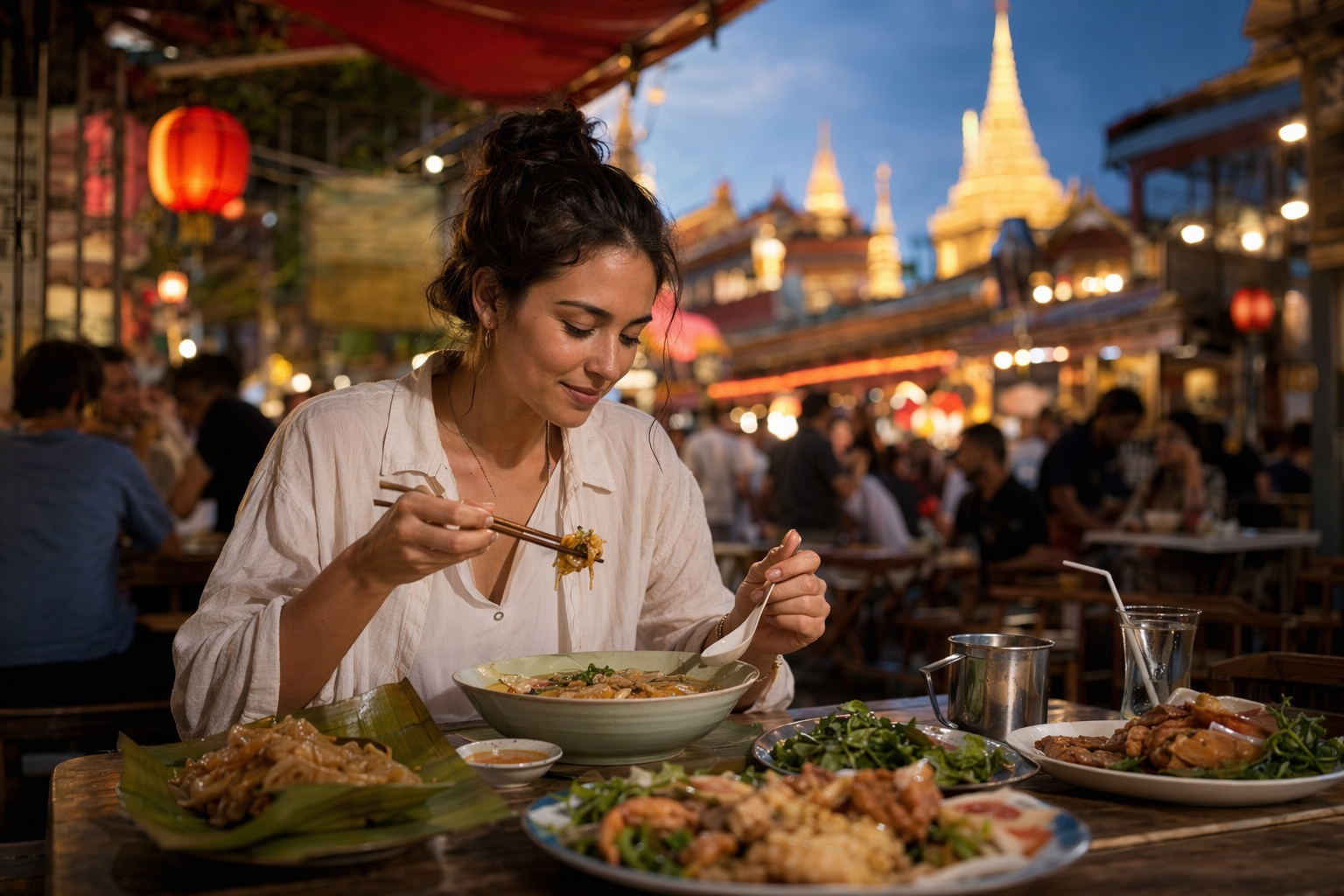
The funny bit is, I used to treat arrival dinner like a victory lap. Like, “I have arrived in Bangkok, therefore I must eat everything spicy and fried and mysterious within 90 minutes.” Cute idea. Terrible execution. These days I’m more strategic, but not in a boring spreadsheet way. More like, I want something local-ish, warm, comforting, not so heavy that I’m awake at 3 a.m. wondering if the noodles are fighting the altitude change inside me. Arrival-night food is its own genre. It’s not fine dining. It’s not street-food conquest. It’s not the meal where you prove anything. It’s a soft landing, preferably with broth, rice, eggs, bread, soup, dumplings, or something grilled that doesn’t require a philosophical debate.
My personal rule: the meal should hug you, not wrestle you
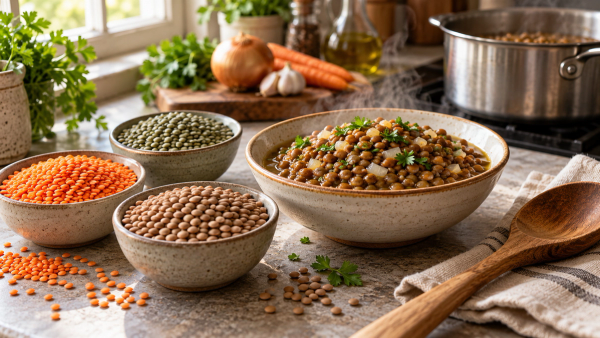
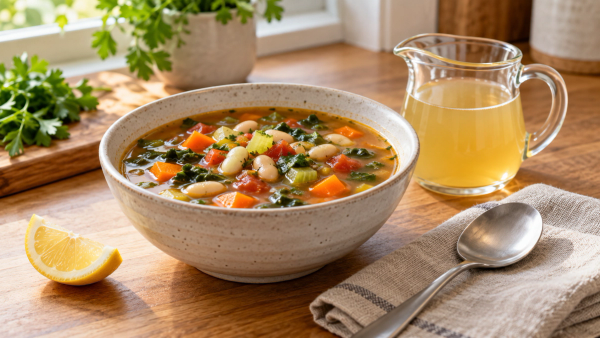
#After a long-haul flight, my stomach is basically a suspicious old man. It doesn’t want surprises. It wants familiar textures in unfamiliar places, if that makes sense. I still want to taste the city, because food is why I travel half the time, but I don’t need the loudest dish on the menu at midnight. In Istanbul, that meant mercimek çorbası, a simple red lentil soup, with lemon squeezed in until it woke up. In Japan, it was a bowl of udon near the station, steam fogging my glasses while everyone around me looked impossibly composed. In Portugal, caldo verde did the job, with potatoes and greens and that tiny smoky hit of sausage. Nothing fancy. Exactly right.
I call these “hug meals,” which sounds like something from a wellness podcast and I hate that, but it’s true. They’re warm. They’re usually not too acidic. They have salt, because flights dry you out and airline food is somehow both salty and unsatisfying. They come quickly. They don’t ask you to decode 14 sauces or remember how digestion works. And they let you sleep. That last part matters more than I wanted to admit when I was younger and trying to be the sort of traveller who could land, drop bags, and head straight to a night market like a heroic idiot.
- Good arrival-night meals, for me anyway: soup noodles, rice bowls, plain-ish dumplings, grilled fish, lentil soup, congee, omelets, tacos with simple fillings, toasties, and hotel restaurant pasta that is probably overpriced but saves your life.
- Risky ones: giant tasting menus, raw seafood from a place you found while half asleep, heavy cream sauces, buffet cold salads that have been sitting around looking glossy, and anything you’re eating just because you’re scared you’ll “miss out.” You won’t. The trip starts tomorrow too.
The Tokyo lesson: train-station noodles beat ambition almost every time
#One of my best arrival meals ever was in Tokyo, and I barely remember the name of the place, which is annoying but also kind of perfect. I’d flown in from Europe, landed at Haneda in that washed-out evening light, and by the time I reached my hotel I had that buzzing-behind-the-eyes jet lag. You know the one. I wanted sushi because, obviously, Tokyo, but the thought of sitting politely at a counter and pretending my brain was functioning felt impossible. So I followed the smell of dashi to a tiny noodle shop near a station exit. Vending machine ticket, minimal conversation, blessed efficiency.
The udon came in a broth so clear and calm it felt medicinal, with scallions, a soft egg, and tempura crumbs that turned all silky at the edges. Was it the most exciting meal I had in Japan? No. Did I still think about it months later? Weirdly, yes. Because it matched the moment. Japanese cities are brilliant for this kind of arrival eating because casual noodle shops, convenience stores, and department-store food halls can be excellent without demanding much from you. Even a konbini onigiri and miso soup in the hotel room can feel like you have made a wise adult choice, which honestly doesn’t happen often for me after 13 hours in economy.
Convenience-store dinners are not defeat, I promise
#There’s a little shame people carry about convenience-store food when traveling, like it doesn’t “count.” I disagree, aggressively. In Japan, South Korea, Taiwan, and parts of Thailand, I’ve had convenience-store arrival meals that were fresher and more satisfying than restaurant meals I forced myself into because I wanted a proper first night. A triangle rice ball, yogurt, bottled tea, maybe a packaged egg sandwich, eaten in pajamas while the city hums outside? That can be gorgeous. Not Instagram gorgeous, but body gorgeous. Spirit gorgeous. The kind of meal where you stop shaking from hunger and start believing tomorrow’s temple visit or market walk might actually happen.
I do pay attention to food safety though, especially when I’m tired and dumb. If it’s grab-and-go, I look for turnover, sealed packaging, refrigeration that actually feels cold, and hot items that are hot. Boring advice, but boring advice keeps you out of a hotel bathroom at 4 a.m. If you’re thinking supermarket salad bar or deli case because it looks light, just be picky about it. Mayo-heavy salads and cold trays that don’t look well chilled are not the vibe after a flight. I wrote more notes around that kind of thing here: Deli Salad Bar Food Safety for Travelers, mostly because I learned it the unpleasant way.
Istanbul, Lisbon, Delhi: three cities that taught me different versions of “don’t overdo it”
#Istanbul was where I learned soup is a miracle. I landed late, got mildly lost because my phone was at 9 percent and I was pretending that was enough, then found a small place still serving lentil soup and bread. That’s it. Lentil soup. Bread. Tea. I could’ve chased kebabs or baklava or one of those proper grilled fish sandwiches by the water, and I did later, but that night? That soup was a golden blanket. Turkish lentil soup is common, humble, and exactly built for travellers who can’t remember what day it is. Lemon, red pepper, maybe dried mint. It’s not dramatic, which is why it works.
Lisbon was the opposite temptation. I landed hungry and romantic, which is a dangerous combo. Every tiled street looked like it wanted me to drink vinho verde and eat my weight in petiscos. I did not behave perfectly. I found a little tasca and ordered caldo verde, which was sensible, then also ordered bacalhau fritters, olives, bread, cheese, and “just one” pastel de nata because I’m not made of stone. I slept fine, but barely. The lesson was not that snacks are bad. Never. The lesson was that arrival night is not the night to build a food tower because you’re excited. Lisbon will still be there in the morning, smelling like coffee and butter and sea air.
Delhi was a more complicated one. I love North Indian food deeply, almost embarrassingly, but after landing late I can’t go straight for rich butter chicken, chole bhature, and three kinds of chaat. I mean, I can. I have. Me and my stomach had meetings about it later. The better arrival meal for me is something like dal, rice, curd if I trust the place, maybe a simple roti and vegetable dish. If there’s a delay before landing in India or you’re stuck at the airport longer than expected, planning snacks matters more than you think. This Indian Airport Delay Food Guide: Claim, Eat, Carry is handy for that exact “I’m delayed, starving, and about to make chaotic choices” situation.
Late-night food trends are fun, but your body might not care about trends at midnight
#Food travel has gotten very list-driven. Best ramen. Best tacos. Best late-night tasting menu. Best airport lounge noodles. And I love lists, I really do, but they can make arrival night feel like a performance. In a lot of big food cities, late-night dining has changed a bit depending on staffing, neighborhoods, tourism, and local habits. Some places stay lively after midnight, some shut earlier than blogs from five years ago suggest, and some restaurants keep odd hours that make total sense locally but no sense to your jet-lagged brain. So I don’t build my first-night plan around one famous spot anymore. I make a small cluster plan.
- One easy restaurant near the hotel, ideally something casual and local, not a booking you’ll lose money on if immigration takes forever.
- One reliable takeaway or delivery option, especially if arriving after 9 or 10 p.m. and the neighborhood is sleepy.
- One backup shop, bakery, convenience store, or hotel bar meal, because flights do what flights do and nobody should cry over closed noodles.
That cluster plan has saved me in Copenhagen, where I once arrived too late for the cute place I’d bookmarked and ended up eating rye bread, cheese, and a boiled egg from a corner shop. It sounds bleak. It was not bleak. It was quiet and salty and practical, and then the next day I had cardamom buns and smørrebrød like a person with a working brain. In Mexico City, my cluster plan meant I skipped a long taxi ride to a famous taco place and ate nearby pozole instead, warm and hominy-rich and sour with lime. I still went for tacos al pastor the next night, and they tasted better because I wasn’t half dead.
Hotel-room delivery: sometimes romantic in the least romantic way
#There is a particular intimacy to eating delivery in a hotel room after a long flight. You’re sitting on the edge of a bed in socks, using the tiny desk as a dining table, the TV is on some channel you don’t understand, and the city is right outside but also impossibly far away. I used to think this was travel failure. Now I think it can be one of the sweetest little rituals, if you choose well. In Bangkok, I once ordered jok, Thai rice porridge, with ginger and pork, because rain was smashing the window and I simply could not go back outside. It arrived hot, gentle, and perfect. I added too much chili vinegar because I got cocky, but still. Beautiful.
Delivery safety is its own thing abroad. Not scary, just worth thinking about. I prefer places with lots of recent orders or visible turnover, food that travels well, and dishes that arrive hot or are meant to be room-temperature. Soup can be great if packed well, disastrous if not. Sushi delivery after a long flight? Maybe for braver people than me. I also avoid ordering so much that leftovers sit around all night in a hotel room with no fridge. If you want a deeper practical check, I like keeping this bookmarked: Food Delivery Safety While Traveling Abroad. It’s exactly the sort of unglamorous thing you don’t think about until you need it.
What travels well when you’re too tired to eat out
#Rice bowls travel pretty well. So do dumplings, grilled skewers, simple curries, falafel wraps, noodle soups if broth is separate, and roasted chicken with rice or potatoes. Burgers are hit or miss because they steam themselves into sadness. Fries become little cardboard sticks unless you eat them immediately, which I do sometimes because I’m not a monk. Pizza is dependable in many countries, but I try to get something local if I can, even if it’s just a local bakery sandwich or soup. A hotel-room meal should still tell you where you are. Otherwise you may as well be in an airport basement, and no one wants that feeling.
The breakfast-for-dinner trick, which sounds wrong but works everywhere
#One of my favorite arrival-night hacks is ordering what locals might eat in the morning. I know. Dinner police may object. But breakfast foods are often softer, simpler, and designed to be easy on the stomach. Congee in Hong Kong or Singapore. Tamago sando in Japan. Menemen in Turkey, if you find it at the right kind of casual spot. Tortilla española in Spain. Idli or pongal in South India if it’s available in the evening, and yes, I’ve absolutely eaten idli for dinner after flying into Bengaluru and felt like I’d been repaired by steam. Breakfasty foods have a kindness to them.
This is also where bakeries become your best friend. In Paris, I once landed late enough that the restaurant plan was dead, but early enough to catch a bakery before closing. I bought a quiche slice, a plain yogurt, and an apple, then ate it by the hotel window while watching scooters glide through wet streets. Was it my dream Paris meal? Not on paper. But the pastry was buttery, the egg filling was just rich enough, and I slept like a stone. Next morning I went full croissant and café crème like the predictable tourist I am, and I regret nothing.
Street food on arrival night: yes, but with your eyes open
#Street food is one of the greatest reasons to travel. I will die on this hill, preferably holding a paper plate of something grilled. But arrival night street food needs a little humility. You’re tired. Your judgement is not sparkling. You might not know the neighborhood yet. The vendor that looks magical at 11 p.m. may be magical, or may just be the only lit thing on the block. I look for lines, fast turnover, food cooked in front of me, and simple orders. Skewers sizzling over coals? Great. A freshly griddled pancake or dosa? Yes please. Cold seafood from a tray under a tired lamp? Hmm. Maybe tomorrow.
In Taipei, I broke my own rule and went to a night market after landing. I was too excited, and also my hotel was close, so off I went in that damp electric air that makes night markets feel like a carnival for hungry adults. I kept it sane-ish: scallion pancake, hot soy milk, a few dumplings, and a papaya milk that I probably didn’t need. I skipped the biggest fried chicken cutlet because it was larger than my face and I wanted to live. That night worked because everything was fresh, busy, and I didn’t try to sample the whole market like I was filming a food show. Restraint. Annoying but useful.
The first meal after landing shouldn’t prove you’re adventurous. It should help you become functional enough to be adventurous tomorrow.
What I pack so I don’t become a monster before dinner
#My worst arrival meals happened when I landed starving. Real starving, the dramatic kind where you stare at a menu and suddenly every choice feels personal. To avoid that, I pack boring emergency food: nuts, a protein bar I don’t hate, crackers, sometimes instant miso packets if I’m going somewhere with a kettle. I’m not trying to replace dinner. I’m trying to avoid ordering four dishes because my blood sugar is writing the itinerary. A small snack before landing or while waiting for bags can be the difference between “let’s find soup” and “I need fried everything and a dessert the size of a hat.”
Hydration matters too, although I hate when travel advice starts sounding like your dentist. Still, water helps. Herbal tea helps. A salty broth helps. Alcohol on arrival night is tricky for me. One glass of wine in Rome with a plate of cacio e pepe sounds like heaven, and sometimes it is. Two drinks after no sleep and airplane dehydration? That’s how you wake up at 2:37 a.m. with your heart doing flamenco. I don’t have a strict rule, because strict rules are boring, but I do ask myself if I want the drink or if I just want to feel like I’m on vacation. Those are different.
A few arrival-night meals I still think about, even though they were “small”
#In Seoul, it was a bubbling sundubu-jjigae near my guesthouse, the tofu soft as custard, the broth red but not punishing, rice on the side like a loyal friend. In Rome, it was not carbonara, shockingly, but a bowl of stracciatella soup and bread at a neighborhood place where the waiter clearly wanted to go home and I respected that. In Marrakech, it was harira, dates, and mint tea after a long travel day, the soup spiced and tomato-rich, and the tea so sweet it practically tucked me into bed. These meals weren’t famous. I don’t have perfect photos. One photo is literally blurry soup. But they were right.
And that’s maybe the whole point. Arrival-night food is about fit, not fame. A perfect meal at the wrong time can feel like homework. A humble meal at the right time can become part of your travel memory in a way that surprises you. I’ve had Michelin-starred dishes I barely remember, and I’ve had a convenience-store rice ball that I can still taste because I ate it while sitting cross-legged on a hotel bed in Kyoto, listening to rain tick against the window, too tired to even unpack. Food memory is weird like that. It doesn’t always reward the grand gesture.
My loose formula for choosing the first dinner, if you want one
#I don’t think everyone needs rules, but if friends ask me what to eat after a long flight, I usually give them a formula. Pick something warm. Pick something close. Pick something with a local accent. Keep portions moderate. Avoid the foods you already know make you feel heavy. If you’re with kids, older parents, or a partner who gets cranky when hungry, lower the ambition even more. Nobody bonds over wandering 40 minutes for a famous noodle shop while carrying luggage and resentment. Well, maybe some people do, but I’m not built like that.
- If you land in Japan or Taiwan: noodle soup, rice ball, congee, dumplings, hot tea.
- If you land in Turkey, Morocco, or Portugal: lentil soup, harira, caldo verde, bread, olives if you’re feeling snacky.
- If you land in Mexico: pozole, simple tacos, caldo, quesadillas with a filling you recognize, not necessarily the wildest salsa on night one.
- If you land in India: dal-rice, idli, khichdi, simple veg curry, roti, and maybe save the richer stuff for when your stomach has rejoined your body.
And if all of that fails, there is no shame in a banana, yogurt, and sleep. Truly. Travel culture sometimes makes us feel like every meal needs to be meaningful. But sometimes the meaningful thing is not sabotaging tomorrow. You can wake up, smell the bakery downstairs, hear the scooters or church bells or train announcements, and begin properly. With coffee. With appetite. With the kind of curiosity that doesn’t come from desperation.
Final crumbs from a tired but happy food traveller
#The older I get, the more I think arrival-night meals are a love letter to your future self. Not a dramatic one. More like a sticky note: “Hey, I know you’re excited, but please eat soup and go to bed.” There will be time for the market, the legendary roast duck, the long lunch, the tasting menu, the messy seafood feast, the pastry crawl. Arrival night is the doorway, not the whole house. Choose something kind. Something warm. Something that makes the city feel less like a challenge and more like an invitation.
So yes, I still land hungry and emotional and occasionally make questionable choices. I’m not pretending I’ve become some zen travel monk with a collapsible spoon. But I’ve learned that the best first meal after a long flight usually whispers instead of shouts. A bowl of broth. A lentil soup. A rice porridge. A bakery quiche. A taco eaten standing up, if it’s fresh and close and you’re smiling. That’s enough. More than enough, actually. And if you like these slightly obsessive food-travel rambles, I’ve been finding more good reads and trip snack inspiration over on AllBlogs.in.