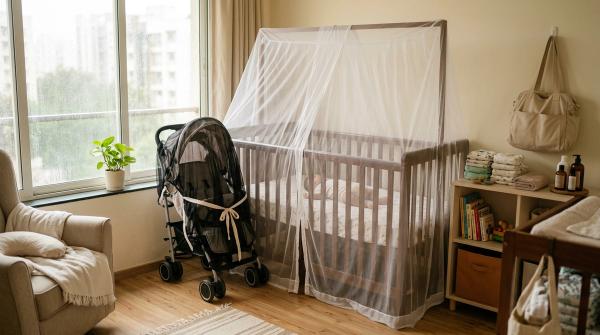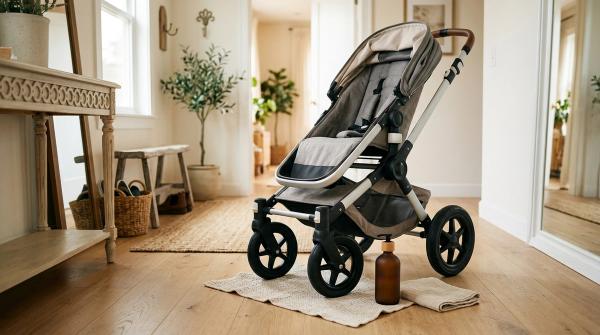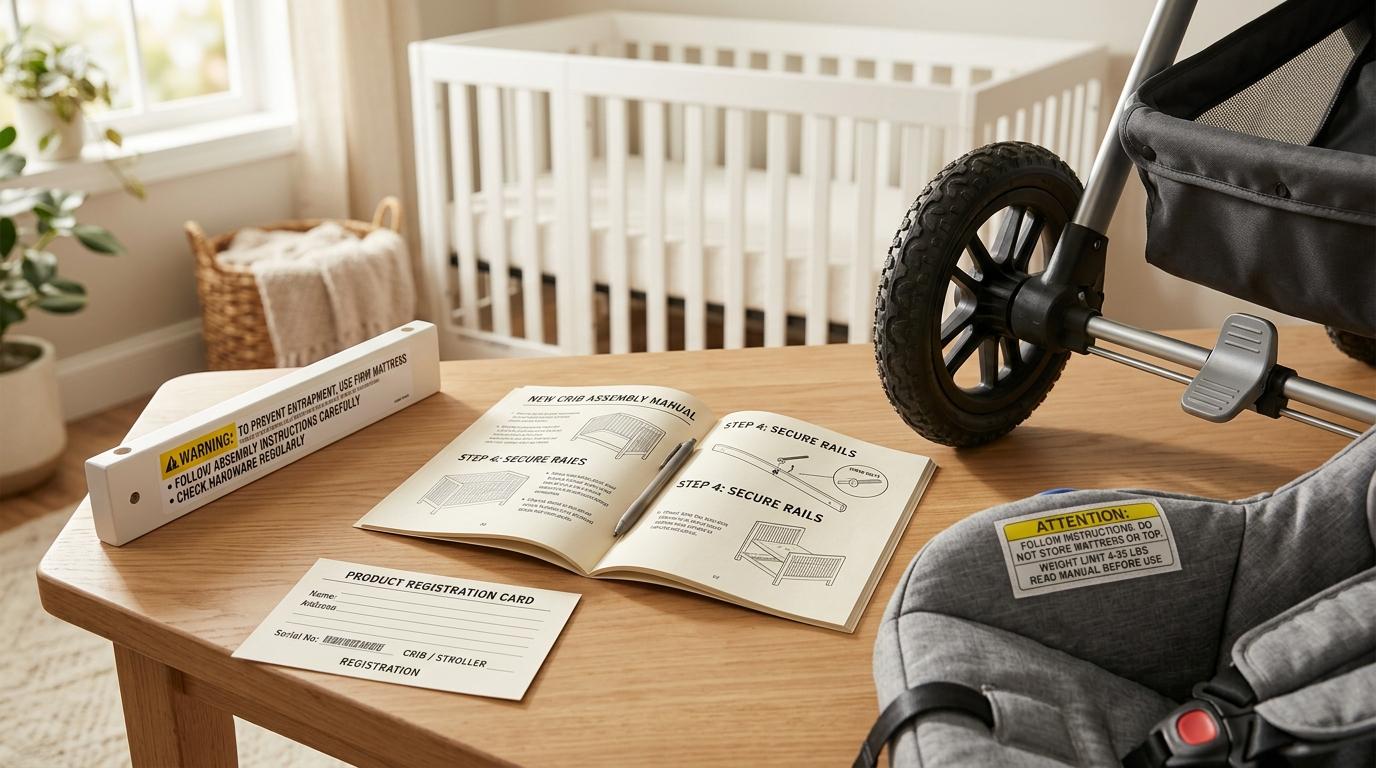
Before you buy a crib, stroller, car seat, bassinet, or any other big baby item, give yourself 10 minutes to do a quick baby gear recall checklist.
The basics are simple: find the exact model number, check the manufacture date, read the safety labels, search official recall sources, register the product, and follow the manual during setup. That small pause helps you avoid relying only on packaging claims, reviews or family recommendations before your baby sleeps in, rides in, sits in or is strapped into a product.
Why Even New Baby Gear Needs a Recall Check
#It’s natural to assume that new baby gear is automatically safe.
The box is sealed. The product looks perfect. The listing says “newborn-safe” or “parent-approved.” Maybe it has thousands of reviews.
But new products can still be recalled.
Sometimes a recall happens after products have already reached stores, warehouses, or online sellers. Sometimes only one batch is affected. Sometimes the issue is not obvious from the outside at all. It might be a missing warning label, a loose part, a faulty lock, a choking hazard, or a problem with one specific production date.
That’s why the exact details matter.
Don’t just check the brand name. Check the actual product.
This is especially important for baby gear your child will:
- Sleep in
- Ride in
- Sit in
- Be carried in
- Be buckled into
Common items to check include:
- Cribs
- Bassinets
- Playards
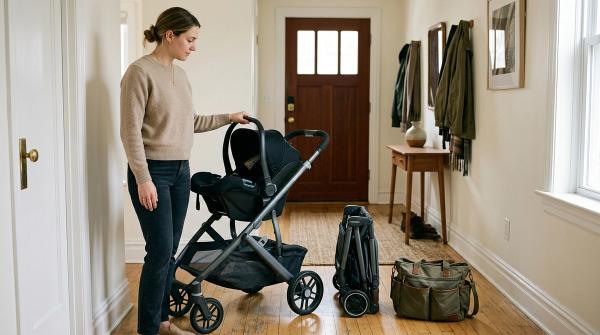
- Strollers
- Car seats
- High chairs
- Baby carriers
- Bouncers
- Baby swings
- Bedside sleepers
A recall doesn’t always mean an entire brand is unsafe. It may apply only to one model, one batch, one accessory, or one manufacture date range.
The key is to match your product exactly.
The Baby Gear Recall Checklist for New Purchases
#Use this checklist before you click “buy,” pay at a store, accept a gift, or assemble something that’s already sitting at home.
Step 1: Find the Exact Model Number
#This is not the exciting part of baby shopping, but it’s one of the most useful.
Before checking recalls, collect these details:
- Brand name
- Product name
- Model number
- Serial number, if available
- Manufacture date
- Batch, lot, or date code
- Weight and age limits
- Warning labels
The label may not be in an obvious place.
For a stroller, check:
- Under the seat
- On the frame
- Near the back wheels
- Around the folding joint
For a crib, check:
- The frame
- Mattress support
- Underside of a rail
- Assembly label
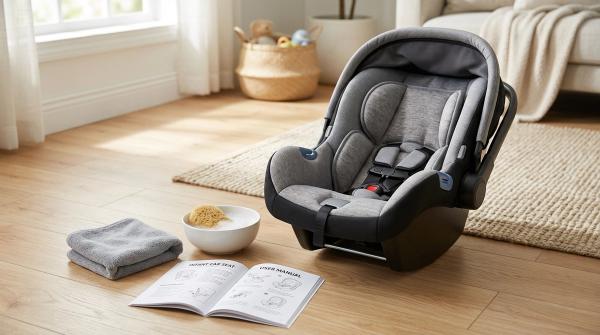
For a car seat, check:
- The plastic shell
- Side label
- Bottom of the seat
- Back of the seat
If you’re shopping online, zoom in on product photos and read the specifications carefully. If the model number isn’t listed, ask the seller or manufacturer before buying.
A search for “Brand X stroller” is too broad.
A search for “Brand X stroller model 1234 manufactured March 2025” is much more useful.
Step 2: Check Official Recall Sources
#Parenting groups and social media can be helpful for many things, but recall information should come from official sources whenever possible.
A post online may be outdated, incomplete, or about a different version of the product.
Start with official recall databases and the manufacturer’s website.
For nursery and children’s products
#Check:
- CPSC Recalls on CPSC.gov
- SaferProducts.gov
- The manufacturer’s official recall or safety notice page
CPSC recalls often cover products such as:
- Cribs
- Bassinets
- Playards
- High chairs
- Strollers
- Baby gates
- Baby carriers
- Toys
- Infant loungers
- Other children’s products
If you live outside the United States, also check your country’s consumer safety authority. The same product may be sold under a different name or model number in different countries. The recall remedy may also vary by region.
For car seats
#For car seats, use:
- NHTSA car seat recall lookup
- The car seat manufacturer’s recall page
- The manufacturer’s registration page
You’ll usually need:
- Brand
- Model name
- Model number
- Date of manufacture
These details should be printed on the car seat label.
And yes, register the car seat. It only takes a few minutes, and it’s one of the easiest ways to get direct recall alerts.
Step 3: Read the Safety Labels Before Setup
#Safety labels are easy to ignore, especially when you’re tired and just want the product assembled.
But those labels matter.
They tell you how the product is meant to be used, and just as importantly, how it should not be used.
Look for:
- Minimum and maximum weight limits
- Age or developmental limits
- Sleep warnings
- Recline warnings
- Harness instructions
- Buckle instructions
- Folding and locking instructions
- Mattress size or fit rules
- Cleaning instructions
- Installation warnings
- Certification or compliance markings, where applicable
If a label is missing, faded, unreadable, or doesn’t match the manual or online listing, pause before using the product.
Contact the brand or retailer first.
For India-aware shopping, many families see a mix of local and imported baby gear. Some products may carry Indian markings where relevant, while imported products may show labels from other regions. Don’t rely only on the brand name, price, or popularity. Match the model number and check official recall sources.
Step 4: Register the Product Right Away
#Product registration is one of those things that’s very easy to postpone.
You open the box, remove the plastic, deal with the cardboard, look for missing screws, and then the registration card gets tossed aside.
Try not to skip it.
Registration helps the manufacturer contact you if there is:
- A recall
- A repair kit
- A replacement part
- A safety notice
- Updated instructions
It’s especially important for:
- Car seats
- Cribs
- Strollers
- Bassinets
- Playards
- High chairs
- Baby carriers
Here’s a simple system that works:
- Take a photo of the product label.
- Take a photo of the invoice or order confirmation.
- Register the product on the manufacturer’s official website.
- Download the manual as a PDF if available.
- Save everything in one phone folder called “Baby Gear.”
This also helps when grandparents, relatives, or friends buy something for the baby. Ask them to share the invoice, model number, and label photo before the packaging is thrown away.
It may feel awkward to ask, but it’s worth it.
Step 5: Keep the Manual Until You’re Done With the Product
#Manuals feel unnecessary until the day you actually need one.
Keep the manual because it includes:
- Assembly steps
- Harness adjustment instructions
- Folding and locking directions
- Cleaning rules
- Weight limits
- Mattress fit requirements
- Replacement part details
- Warranty information
- Registration information
- Recall remedy instructions, if needed later
If you don’t have space to keep the box, that’s fine. Many homes don’t.
But before the packaging goes out, save:
- The manual
- The registration card
- Product label photos
- Invoice or receipt
- Model number
- Manufacture date
If you live in a humid area or deal with monsoon dampness, don’t store manuals and cards in balconies, damp corners, or places where paper can fade or tear. A photo or PDF backup is often easier.
Quick Category Guide: What to Check by Product
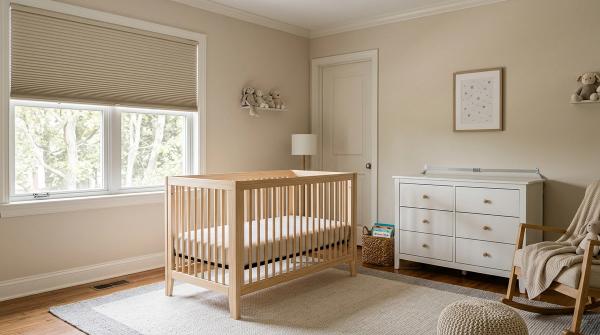
#Safe Sleep Checks for Cribs, Bassinets, and Playards
#Sleep gear deserves extra attention.
A bassinet or crib can look soft, premium, and cozy, but baby sleep safety is not about softness. It’s about a clear, firm, stable sleep space.
Follow current AAP, CDC, and CPSC safe-sleep guidance:
- Use a firm, flat, non-inclined sleep surface.
- Keep the sleep area empty.
- Do not add pillows.
- Do not add loose blankets.
- Do not add plush toys.
- Do not add extra padding.
- Do not use separate sleep positioners.
- Use only the mattress or pad specified by the manufacturer.
- Follow the manual exactly during assembly.
For cribs, check that:
- All parts match the manual
- Hardware is complete
- Screws and brackets are tightened as instructed
- The mattress fits according to the manufacturer’s directions
- There are no missing, loose, or substituted parts
If a screw, bracket, rail, mattress support, or pad doesn’t match the manual, stop and contact the manufacturer or retailer.
Do not assume an extra cushion, added mattress, or soft insert makes sleep safer. For infant sleep, firm and empty is usually the safer direction.
Shopping Online and Offline: A Real-Life Parent System
#Most families don’t buy everything in one neat, organized way.
One parent may compare prices online. Another may visit a baby store. A grandparent may send a link. A cousin may recommend a model. Someone else may place the final order.
That’s normal.
But when several people are involved, safety details can get lost.
Before buying, ask:
- What is the exact model number?
- What is the manufacture date or batch code?
- Is the manual included?
- Is there a registration card or online registration link?
- Are the safety labels visible and readable?
- Has this model appeared in any baby product recalls?
- If it’s sleep gear, does it match current safe-sleep guidance?
- Will it fit your home, lift, doorway, car, and storage space?
- Will your family realistically use it correctly every day?
That last question matters more than people think.
A stroller that’s difficult to fold may be left half-locked. A crib that barely fits in the room may be hard to access safely. A car seat stored too far away may not get checked, cleaned, or registered.
Safety isn’t only about buying the “best” product.
It’s about buying something your family can use correctly, consistently, and calmly.
What to Do If Your Baby Gear Is Recalled
#If you discover that a product you bought is included in an official recall, don’t panic.
Read the recall notice carefully and follow the official instructions.
In most cases, you should:
- Stop using the product as directed by the recall notice.
- Match the model number, batch code, and manufacture date.
- Read the official recall page fully.
- Contact the manufacturer using the recall instructions.
- Follow the listed remedy.
- Save all emails, screenshots, and confirmation numbers.
The remedy may be:
- A repair kit
- A replacement part
- A replacement product
- A refund
- Updated instructions
- A warning label replacement
Avoid DIY fixes unless the official recall notice specifically tells you to do one.
For your records, save:
- A screenshot or PDF of the recall page
- Product label photos
- Invoice or receipt
- Manufacturer emails
- Repair or replacement confirmation
A Simple 10-Minute Baby Gear Recall Checklist
#Use this before purchase and again before first setup.
- I found the exact model number.
- I found the manufacture date or batch code.
- I checked CPSC Recalls for nursery or children’s products.
- I checked SaferProducts.gov for product safety information.
- I used the NHTSA car seat recall lookup for a car seat.
- I checked the manufacturer’s official recall page.
- I read the baby safety labels.
- I saved the manual or downloaded the PDF.
- I registered the product with the manufacturer.
- I checked setup instructions before assembly.
- For sleep gear, I confirmed a firm, flat, non-inclined sleep surface.
- For sleep gear, I confirmed the sleep area will stay empty.
Safety and Official-Source Disclaimer
#This article is for general educational information for parents and caregivers. It is not a substitute for official recall notices, medical advice, product manuals, or professional installation guidance.
For the most current recall information, check official sources such as CPSC.gov, SaferProducts.gov, NHTSA.gov, your local consumer safety authority, and the manufacturer’s official website.
For infant sleep, follow current AAP, CDC, and CPSC guidance, including a firm, flat, non-inclined sleep surface and an empty sleep area.