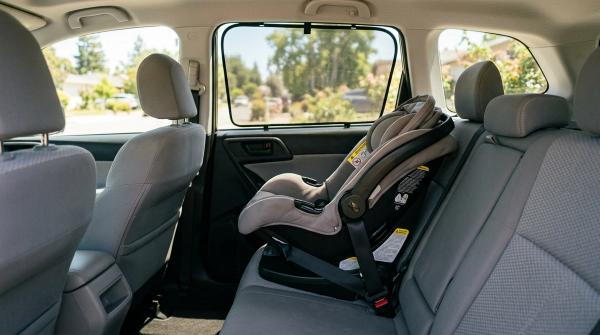
If you use the car a lot, a car seat stroller combo can make life easier, especially in those early newborn weeks when your baby finally falls asleep five minutes before you reach your destination.
But if you walk more than you drive, live in a small apartment, take public transport, or want a stroller that feels comfortable for everyday use for longer, buying a separate stroller and car seat may be the better choice.
There is no perfect answer for every family. Annoying, I know. But it really depends on your routine, your car, your home, your storage space, your weather, and how you will actually move around once the baby arrives.
Baby gear shopping can feel like a second job. A travel system sounds simple, and for many parents, it really is. But it is not automatically the smartest option for everyone.
This guide breaks down the difference between a car seat stroller combo and buying a stroller and car seat separately, in plain language, so you can choose what fits your real life.
What is a car seat stroller combo?
#A car seat stroller combo is also called a stroller car seat combo, travel system stroller, infant car seat stroller, or baby travel system.
It is usually sold as one set and often includes:
- A rear-facing infant car seat
- A car seat base that stays installed in the car
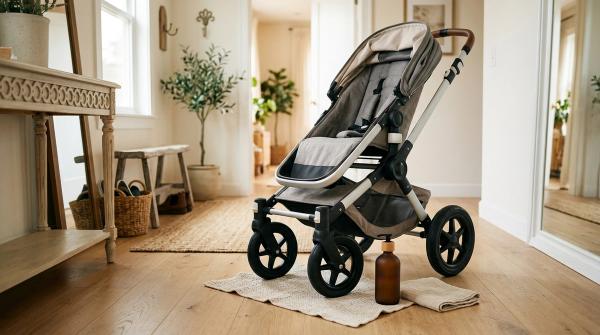
- A stroller frame or stroller seat
- Built-in compatibility, so the infant car seat clicks onto the stroller
The main appeal is convenience.
You take the infant car seat out of the car, click it onto the stroller, and go. You do not have to unbuckle and move the baby every single time.
That can feel like magic when your newborn is asleep and you are trying very hard not to ruin the moment.
What does buying a separate stroller and car seat mean?
#Buying a separate stroller and car seat means you choose both pieces on their own instead of buying them as one bundle.
Parents usually do this in one of two ways.
1. Convertible car seat plus newborn-ready stroller
#A convertible car seat stays installed in the car. For walks, you move the baby into a stroller that is safe for newborns, usually one with a full recline or bassinet.
This setup can work well if you do not need to carry the car seat around.
2. Infant car seat plus stroller from another brand
#You can also buy an infant car seat and pair it with a different stroller brand. This can be a great setup, but you need to check car seat stroller compatibility very carefully.
You may also need adapters, and not every adapter works with every model.
The separate route takes a little more research, but it gives you more control. You can choose a lighter stroller, better wheels, a bigger canopy, a smaller fold, more airflow, or something that simply fits your daily life better.
Combo vs separate stroller: quick comparison
#Newborn fit: check this first
#Newborns need proper support for their head, neck, and body. So before you fall in love with a stroller color, cup holder, or one-hand fold, check whether it is actually suitable for a newborn.
A car seat stroller combo usually handles newborn fit through the infant car seat. That works only if:
- Your baby is within the seat’s height and weight limits
- The harness is adjusted correctly
- Any newborn insert is used exactly as the manual allows
- The car seat is installed and attached according to the instructions
If you are buying a separate stroller, do not assume every stroller is newborn-safe.
Many regular stroller seats are made for older babies who already have better head and body control. For newborn use, look for wording such as:
- Suitable from birth
- 0 months+
- Full recline
- Bassinet compatible
- Carrycot compatible
If the stroller seat does not recline flat and does not take a bassinet, it may not be safe or comfortable for a newborn.
Car seat compatibility and adapters
#This is the part where things can get confusing fast.
A travel system is easier because the car seat and stroller are sold as a matching set. You still need to read the manual, but at least you are not guessing whether the parts are meant to work together.
With separate gear, compatibility is much more specific. A stroller may accept only certain car seat models. Even if two brands are popular, they may not fit together unless you use the exact approved adapter.
Before buying separate pieces, check:
- The exact car seat model name
- The exact stroller model name
- Whether the stroller brand lists that car seat as compatible
- Whether adapters are needed
- Whether the adapters are official and brand-approved
- Whether the adapter fits your exact model, not just the brand
Try not to rely on “it looks like it clicks.” That is not enough.
A car seat needs to lock securely into the stroller exactly the way the manufacturer intended.
Safety checks before choosing either option
#Safety matters more than convenience, price, color, storage baskets, or cute accessories.
1. Read both manuals
#I know manuals are not exciting. But for car seats and strollers, they really matter.
For car seats, the manual tells you:
- Height and weight limits
- Correct harness position
- Installation method
- Approved recline angle
- Whether a base is required or optional
- Whether the seat can be used on a stroller
- Which strollers or adapters are approved
For strollers, the manual tells you:
- Age or weight limits
- Newborn use rules
- Recline positions
- Approved car seat attachments
- Folding and locking instructions
- Brake and harness use
NHTSA guidance in the US emphasizes following manufacturer instructions, height and weight limits, and proper installation. Even if you live outside the US, the same basic principle applies: follow the manual.
2. Check recalls
#Before buying, check whether the exact model has been recalled.
For US-listed products, parents can check:
- NHTSA for car seat recalls and car seat information
- CPSC for stroller and baby product recalls
If you live outside the US, check your local consumer safety or transport authority as well as the brand’s official recall page.
3. Respect height and weight limits
#An infant car seat is outgrown when your child reaches the manufacturer’s stated limit. That may be a weight limit, height limit, or another fit rule listed in the manual.
Do not go by age alone. Babies grow at very different speeds, and some outgrow infant seats earlier than parents expect.
4. Do not use the car seat as a regular sleep space
#This is important.
The American Academy of Pediatrics safe sleep guidance says babies should sleep on a firm, flat sleep surface made for sleep. Car seats are made for travel, not routine or long sleep.
That does not mean a travel system is bad. It just means the click-and-go feature is best for travel and short transitions, not as a replacement for a crib, bassinet, or safe sleep space.
For longer stroller walks, many parents prefer a bassinet or a stroller seat that reclines flat, especially in the newborn stage.
5. Check the stroller brake, harness, and lock
#Before using any stroller, check that:
- The frame locks open properly
- The brake holds firmly
- The harness fits well
- The car seat, if attached, clicks and locks securely
- The stroller does not tip with your usual diaper bag setup
These checks sound small, but they matter. Most real-life stroller problems happen when everyone is tired, rushed, sweaty, hungry, or carrying too many things.
In other words, normal parent life.
Apartment, storage, heat, and rainy weather
#A stroller can look perfect online and still be annoying every single day if it does not fit your home, roads, or weather.
If you live in an apartment
#A bulky travel system stroller can become frustrating if you have:
- A small lift
- A narrow hallway
- A walk-up apartment
- Limited entryway storage
- A small car trunk
- No easy parking nearby
An infant car seat also gets heavy once your baby is inside. Carrying it up stairs every day might sound manageable before the baby arrives, but it can get old very quickly.
If you live in a compact space, a separate lightweight stroller with a small fold may be easier. If you drive often, you can still choose a car seat that stays installed in the car.
If you live in a hot or humid climate
#This matters a lot in India and many other warm places.
Infant car seats are padded because they are designed for crash protection. That padding can feel hot during outdoor use, especially in high heat and humidity.
For longer walks, a stroller with:
- Better airflow
- A large canopy
- A flat recline or bassinet
- Washable fabrics
may be more comfortable than keeping your baby in the infant car seat on the stroller frame for a long time.
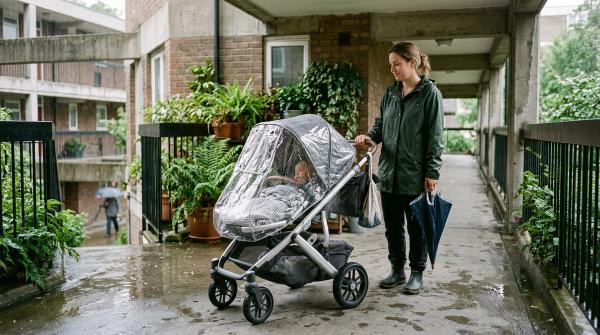
If you deal with monsoon, puddles, or uneven roads
#Many budget stroller car seat combos have small wheels. These may be perfectly fine in malls, hospitals, airports, parking areas, and smooth pavements.
But they can be frustrating on broken footpaths, wet roads, potholes, and monsoon puddles.
If your daily route includes rough surfaces, buying a separate stroller may let you prioritize:
- Better wheels
- Stronger suspension
- Easier steering
- A larger canopy
- Fabrics that are easier to clean after wet or muddy days
This is not about being fancy. It is about whether you will actually enjoy using the stroller, or whether you will avoid it because it annoys you every time you step outside.
Budget: upfront cost vs long-term use
#A car seat stroller combo often wins when it comes to upfront simplicity.
You make one purchase and get a stroller and infant car seat that are designed to work together. For tired parents-to-be, that can feel like a huge relief.
A combo can be helpful if:
- You want fewer decisions
- You drive regularly
- You need everything ready before delivery
- You prefer a one-brand setup
- You want predictable stroller and car seat compatibility
Separate gear can cost more at the start, especially if you choose a good newborn-ready stroller and a long-lasting car seat. But it may suit you better if you care about things like compact folding, better wheels, airflow, or longer use.
So the question is not only, “Which one is cheaper?”
The better question is, “Which one will I actually use comfortably every day?”
Who should buy a car seat stroller combo?
#A car seat stroller combo is probably a good fit if you:
- Drive often
- Use the car for doctor visits, errands, school drop-offs, or family visits
- Want to move baby from car to stroller with less disturbance
- Prefer a simpler one-box purchase
- Have enough trunk and home storage space
- Mostly use smooth surfaces, malls, parking areas, and paved paths
- Want clear stroller car seat compatibility without researching adapters
For car-first families, a travel system stroller can be genuinely useful during the newborn months.
Who should buy separate gear instead?
#A separate stroller and car seat may be better if you:
- Walk more than you drive
- Use public transport often
- Live in a small apartment or walk-up building
- Have a small car trunk
- Need a very compact stroller
- Live somewhere hot, humid, or rainy
- Want better wheels for rough pavements
- Prefer a stroller that works well beyond the infant stage
- Are okay with checking compatibility and manuals carefully
If the car seat will rarely leave the car, the biggest benefit of a combo may not matter much for your family.
Who should wait before buying?
#Sometimes the best decision is to pause for a bit.
It may make sense to wait, or at least not rush, if:
- You are moving homes soon
- You are changing cars soon
- You are not sure whether you will drive or walk more
- Your lift, storage, or car trunk situation is uncertain
- You have not checked the exact stroller dimensions
- You are still comparing newborn stroller options
Baby gear can feel urgent before the baby arrives. But a rushed purchase can become expensive clutter. If your routine is about to change, measure, check, and confirm before buying.
Buying checklist before purchase
#Use this checklist before buying either a car seat stroller combo or a separate stroller and car seat.
- Measure your car trunkCheck whether the stroller fits when folded. Also think about groceries, luggage, or another child’s gear.
- Measure your home storage spaceWhere will the stroller stay every day? Entryway, balcony, bedroom corner, car boot, or storage room?
- Check lift and doorway widthThis matters in apartments, especially older buildings or compact urban homes.
- Lift the car seat in person if possibleInfant car seats can feel fine when empty, then surprisingly heavy once there is a baby inside.
- Confirm newborn readinessIf buying a separate stroller, check that it is suitable from birth, fully reclining, or bassinet-compatible.
- Read the car seat height and weight limitsDo not buy based only on age labels.
- Check the car seat installation methodMake sure it works with your vehicle and that you understand the manual.
- Verify car seat stroller compatibilityIf mixing brands, confirm the exact stroller, exact car seat, and exact adapter.
- Use only approved adaptersThe adapter should be listed by the stroller or car seat manufacturer.
- Check recalls Look up the exact model through relevant safety sources such as NHTSA, CPSC, local authorities, and the brand’s own recall page.
- Test folding and unfolding If it feels annoying in the store, it may feel worse when you are tired and carrying a baby bag.
- Look at the wheels Small wheels may be fine for smooth floors. Rough roads, monsoon puddles, and uneven pavements need more thought.
- Check fabric and canopy coverage In hot or rainy climates, airflow, shade, and easy cleaning matter a lot.
- Think about who will use it most The best stroller is the one the main caregiver can fold, lift, steer, and store without too much stress.
Simple decision guide
#Choose a car seat stroller combo if your daily life is mostly car-based and you want easy car-to-stroller transfers.
Choose a separate stroller and car seat if your daily life is more walking-based, apartment-based, or affected by heat, humidity, rain, or rough roads.
Choose to wait if your car, home, or routine is about to change soon.
There is no universal winner. The best choice is the one that fits your baby, your vehicle, your storage space, your weather, and the way you actually move through the day.