If you're an Indian traveler heading to Bali and you're mostly thinking about beach clubs, temples, smoothie bowls, and those ridiculously pretty sunsets... yeah, same. But let me be the slightly annoying friend for a minute and talk about Bali Belly. Because wow, it can derail a trip fast. I’m kind of obsessive about gut health when I travel now, not because I’m some wellness saint, but because I once spent two days of a holiday basically negotiating with a bathroom and promising the universe I’d never eat "just one random roadside salad" again. So this guide is practical, personal, and not meant to scare you. Just to help you avoid a miserable, dehydrated, vacation-wrecking mess.
Quick thing first. “Bali Belly” isn’t a formal medical diagnosis. It’s a catch-all term travelers use for acute stomach upset while in Bali or nearby parts of Southeast Asia. Usually it means traveler’s diarrhea, vomiting, stomach cramps, nausea, bloating, maybe fever, and that weak shaky feeling where even standing up feels dramatic. The causes can be different, which is partly why people get confused. It might be bacteria from contaminated food or water, viruses like norovirus, parasites in some cases, or just your gut reacting badly to unfamiliar microbes, rich food, too much alcohol, jet lag, and bad luck honestly.
Why Indian travelers sometimes get a bit overconfident about this
#I say this with love because I’m Indian too, and me and my friends have all said some version of this before: “Arrey, our stomachs are strong, we eat street food in India, Bali food won’t do anything.” Sometimes that’s true-ish. Sometimes not at all. The microbes in one country are not the same as in another. Even if your spice tolerance is elite and your digestion is usually solid, contaminated ice is contaminated ice. Unsafe water is unsafe water. A buffet that’s been sitting warm too long doesn’t care how many pani puris you survived in college. Different exposure, different risk.
And there’s another thing I didn’t really appreciate till I started reading travel medicine updates. The biggest danger usually isn’t the diarrhea itself, it’s dehydration. In hot, humid places like Bali, when you’re already sweating, walking all day, maybe drinking cocktails at night, and then losing fluids from diarrhea or vomiting... things can go downhill kinda quick. Adults can usually recover with rest and oral rehydration, but severe dehydration, bloody diarrhea, high fever, or symptoms lasting more than a few days need proper medical care. No heroics pls.
What actually causes Bali Belly, in normal-person language
#Most episodes of traveler’s diarrhea globally are linked to contaminated food or water. Depending on the setting, common bacterial causes include enterotoxigenic E. coli, enteroaggregative E. coli, Campylobacter, Salmonella, and Shigella. Viruses can spread super fast too, especially where lots of travelers mix together, and norovirus is notorious for this. Parasites are less common in short trips but can matter if symptoms drag on for more than 2 weeks. So when people say “I got food poisoning” they might be right, but they also might have a viral infection, or a protozoal thing, or just a combination of bad timing and bad hygiene somewhere in the food chain.
My personal rule now is simple: I don’t assume a place is safe just because it looks cute on Instagram. The tiled café bathroom can be aesthetic and the ice can still ruin your life.
The prevention basics that sound boring but work embarrassingly well
#Hand hygiene is still number one. I know, boring. But this is one of those low-glamour wellness habits that actually matters. Wash your hands with soap and water before eating and after using the toilet. Carry an alcohol-based hand sanitizer for when you can’t wash, though soap and water is better if your hands are visibly dirty. In the past few years, travel health people have also become more vocal about surface contamination in high-traffic tourist zones, not in a panic way, just in a realistic way. If you’ve been handling cash, scooters, beach bags, menus, and your phone, then eating fries with your fingers 2 minutes later... well, you can see where this is going.
- Drink sealed bottled water or water you know has been properly filtered or boiled
- Use bottled water for brushing teeth too if you’re being extra careful, especially in the first few days
- Skip ice unless you trust the venue a lot and know it uses safe purified water
- Choose food that’s cooked fresh and served hot, not lukewarm
- Be careful with salads, cut fruit, chutneys, sauces, and anything washed in unsafe water
- Peel fruits yourself when possible
- If seafood smells weird, looks tired, or has been sitting out... just don’t
Street food, cafés, beach clubs: do you have to avoid all the fun stuff?
#No, not really. I’m not one of those people who says only eat plain rice in your hotel room. That’s depressing and also not the point of travel. What I do think is this: be choosy, not fearful. Busy places with high turnover are usually safer than empty ones where food sits around. Watch what’s being cooked. Is it piping hot? Are the utensils clean-ish? Are raw and cooked foods kept separate? Does the person handling food also handle money and then touch your garnish? Little details matter. Honestly, my best meals in Bali were from places where the kitchen looked active and slightly chaotic but fresh, not the super photogenic spots where a smoothie bowl had clearly been waiting 15 mins for photos.
Also, Indian travelers sometimes go hard on day one. Late flight, no sleep, airport coffee, one spicy lunch, then beach heat, then cocktails, then dessert, then maybe questionable shawarma at midnight. Your digestive system is like, excuse me??? Even if every food item was technically safe, that combo can still trigger stomach drama. I’ve gotten smarter with this, finally. First 24 hours I eat a bit lighter, hydrate properly, avoid overdoing alcohol, and let my body adjust.
What’s changed recently in travel wellness, and what’s just hype
#By 2026, gut health is still having a massive wellness moment, and some of it is useful, some of it is influencer fog. The useful part: people are paying more attention to hydration, electrolytes, sleep, microbiome resilience, and practical prevention. The less useful part: expensive “detox” powders and miracle travel supplements with dramatic promises. Current medical guidance still doesn’t support most flashy cleanse products for preventing traveler’s diarrhea. What does help is commonsense prevention, getting your vaccines and pre-travel advice sorted, and carrying the right basics with you.
There’s also been more nuanced discussion lately about probiotics. This is where people want a simple yes or no, but science is annoyingly human and says, well, maybe. Some research suggests certain probiotic strains may modestly reduce the risk of traveler’s diarrhea, but results are mixed and strain-specific. So not all probiotics are equal, and not every capsule in a cute pastel jar is doing much. If probiotics usually agree with you and your doctor says okay, you could consider starting a reputable, evidence-based one before travel. But I would never rely on that instead of food and water precautions. It’s backup at best, not a magic shield.
Before you leave India: the boring prep that future-you will worship
#Please do a tiny bit of pre-travel health prep. Doesn’t have to be dramatic. A travel clinic consult is ideal if you have time, especially if you’re pregnant, immunocompromised, older, traveling with kids, or have GI issues like IBS, IBD, celiac, or chronic gastritis. Make sure your routine vaccines are up to date. Depending on your health history and plans, a doctor may discuss hepatitis A and typhoid protection for food and water exposure. Some travelers may also need other vaccines depending on itinerary, season, and activities. This stuff isn’t fearmongering, it’s just smart.
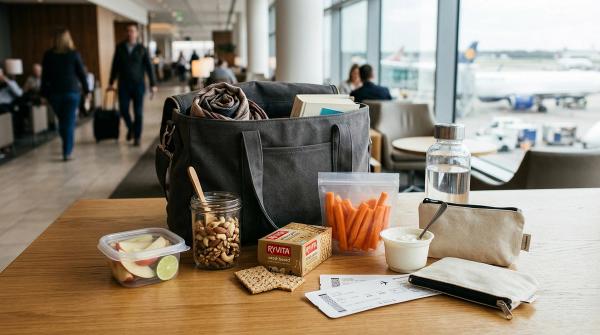
- Pack oral rehydration salts. Real ORS, not just sugary drink mix.
- Carry a thermometer, because fever changes what you should do.
- Bring zinc oxide barrier cream if you’ve ever had frequent diarrhea before. Trust me on this one lol.
- Ask your doctor whether you should carry an anti-diarrheal medicine like loperamide, and when not to use it.
- If you’re at higher risk or going remote, ask whether you should carry standby antibiotics. Don’t self-prescribe randomly.
- Travel insurance. Very unsexy. Very worth it.
A note on medicines, because this is where people get dodgy advice from WhatsApp groups
#Not every episode of Bali Belly needs antibiotics. In fact, many cases improve with fluids, rest, lighter food, and time. Taking antibiotics unnecessarily can cause side effects, mess with your gut microbiome, and contribute to antimicrobial resistance, which is a real problem globally. Doctors usually reserve antibiotics for moderate to severe traveler’s diarrhea in certain situations, especially if symptoms are more intense or disruptive, but which antibiotic is appropriate depends on where you are, local resistance patterns, your age, pregnancy status, and your medical history. So please don’t just pop whatever someone’s cousin packed from a chemist in 2024.
Loperamide can reduce diarrhea frequency and make travel manageable in some adults, but it’s not for every situation. If you have high fever or bloody diarrhea, that can signal invasive infection, and anti-motility medicines may not be appropriate. This is why I’m repeating the boring line: know the red flags. Also, bismuth subsalicylate can help some people for prevention or symptom relief, but it isn’t suitable for everyone, including some people with aspirin allergy, kidney issues, or those on certain medications. Read labels, ask a professional, don’t freestyle.
The symptoms you can manage yourself... and the ones you really shouldn’t ignore
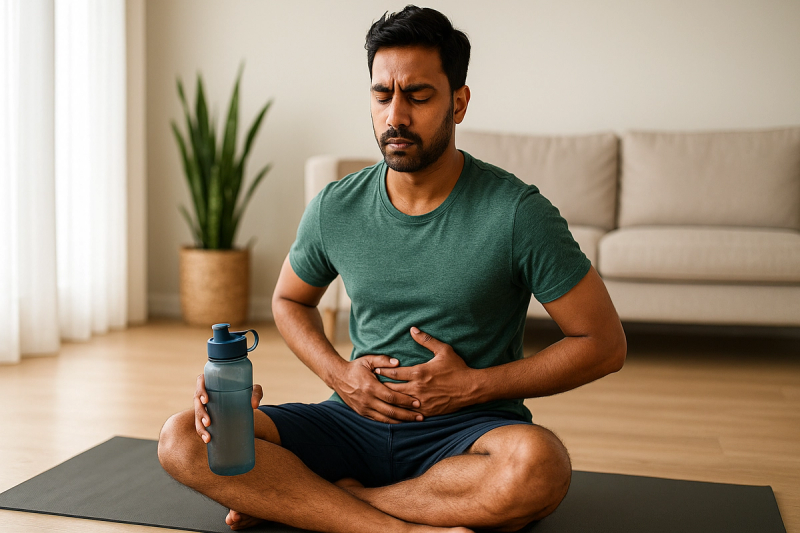
#Mild Bali Belly usually looks like a few loose stools, some cramping, maybe nausea, but you can still sip fluids and stay alert. That’s often manageable with oral rehydration solution, bland-ish food if tolerated, and rest. Think rice, bananas, toast, soup, curd if dairy sits okay with you, plain crackers, coconut water only if it suits you but not as a replacement for ORS. Small frequent sips are better than chugging a giant bottle then throwing it back up.
Get medical help urgently if you have signs of dehydration like dizziness, confusion, very dry mouth, reduced urination, sunken eyes, fast heartbeat, or extreme weakness. Also get checked for blood in stool, severe abdominal pain, persistent vomiting so you can’t keep liquids down, fever, symptoms lasting more than 3 days, or if a child, older adult, pregnant traveler, or someone with chronic illness is affected. And if diarrhea continues beyond about 2 weeks, think parasite or another issue and get tested. Don’t just keep guessing and drinking mint tea forever.
What I personally eat in Bali when I’m trying not to tempt fate
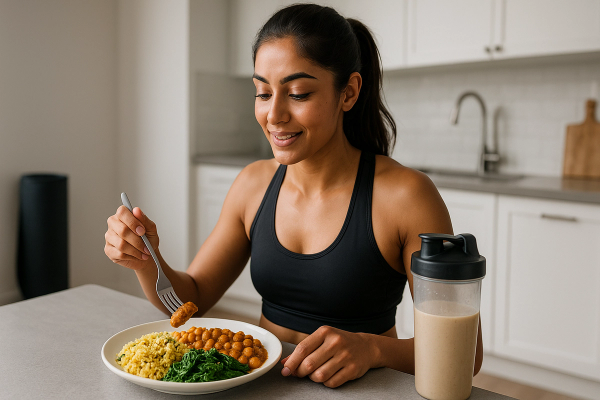
#Okay this is very me-specific, but maybe useful. Breakfast, I usually go for hot eggs, toast, fresh fruit I can peel or trust, coffee from decent places, and sealed water. Lunch I’m happy with nasi goreng or grilled fish or hot rice bowls from busy restaurants. I’m more careful with buffets, room-temperature sauces, leafy salads, and dairy-heavy desserts if the place seems sketchy. I still eat local food, 100 percent. I just avoid the “eh it’s probably fine” choices. Those exact choices are where vacation regrets are born, honestly.
One thing that surprised me, actually, was how much sleep changed things. When I’m underslept, dehydrated, and stressed, my stomach becomes weirdly dramatic. There’s growing research connecting poor sleep and circadian disruption with immune function and gut barrier resilience, and while it doesn’t mean lack of sleep causes foodborne illness by itself, it definitely doesn’t help your body cope. So yes, the wellness girlies are annoying sometimes, but getting sleep before a trip really is prevention too. Hate that they’re right about that.
For Indian vegetarians, vegans, and people with sensitive stomachs
#If you’re vegetarian, don’t panic, you still have loads of options in Bali. But do be a little alert with raw garnishes, paneer-style improvised dishes in places that don’t usually cook them, buffet curries, and cut fruit sitting outdoors. Vegan travelers should be especially careful with smoothie bowls, nut milks from smaller places, and uncooked toppings if hygiene looks uncertain. And if you’ve got IBS or a sensitive gut, maybe don’t experiment with three kinds of fermented drinks, extra chilli sambal, and sugar alcohol-heavy “healthy” snacks on the same day. I say this as someone who has absolutely done dumb things in the name of wellness.
My realistic Bali Belly emergency plan, because prevention is great but life is messy
#Here’s what I do now if symptoms start. First, stop pretending it’ll vanish if I keep sightseeing. Go back, rest, start ORS. Second, switch to small sips and simple food only if hungry. Third, monitor for fever, blood, vomiting, dehydration, and how many times I’m running to the toilet. Fourth, decide early whether I need a clinic instead of trying to “tough it out.” Bali has many clinics used to treating travelers, especially in major tourist areas. Save a couple nearby locations in your phone before you need them. Sick-brain is not good at Googling.
- ORS first, always
- Don’t keep drinking alcohol through it... yes people do this
- Be cautious with anti-diarrheal meds and use them correctly
- See a doctor sooner if you’re worsening, not later
- If one person in your group is sick, everyone should tighten hygiene right away
A few myths I wish people would stop repeating
#Myth one: “Alcohol kills the germs.” No, your margarita is not a sanitizer. Myth two: “If locals eat there, it’s always safe.” Usually a good sign, but not a guarantee. Myth three: “Probiotics make you immune.” Nope. Maybe a little supportive, maybe not, depends. Myth four: “If it’s vegan/organic/healthy, it’s safer.” Absolutely not neccessarily. Raw organic lettuce washed in unsafe water is still a problem. Myth five: “Only cheap places cause Bali Belly.” Fancy resorts can have outbreaks too, especially when food handling slips or viruses spread person to person.
Final thoughts, from one slightly paranoid but still enthusiastic traveler
#Bali is still worth it. Completely. This isn’t me telling you to be scared of travel or suspicious of every sambal spoon. It’s just me saying your trip gets way better when you respect the basics. Safe water. Hand washing. Fresh hot food. Hydration. A tiny medical kit. And a willingness to rest if your body says enough. That’s it, basically. Most people who get mild traveler’s diarrhea recover fine, but it’s so much nicer not to spend your holiday curled up in an air-conditioned room whispering prayers to your intestines.
Anyway, I hope this helped if you’re planning a Bali trip from India and trying to stay healthy without becoming weirdly fearful about everything you eat. Be sensible, not miserable. And if you like this kind of practical wellness stuff that’s more real life than perfect influencer nonsense, you can browse more travel-health reads over on AllBlogs.in.