The first thing I learnt in Bali was not a yoga pose or a Balinese blessing or how to look cool on a scooter. It was this: a warung can be the best meal of your trip, or it can be the reason you spend two days staring sadly at your hotel bathroom tiles. Sorry, but it’s true. And if you’re an Indian vegetarian like me, the whole thing gets extra complicated because “vegetarian” in Bali sometimes means “no visible chicken, but maybe shrimp paste is hiding in the sambal, who knows.” I still love eating in warungs, though. Actually I prefer them over fancy beach clubs most days, because the food has more soul, the aunties are bossy in a comforting way, and tempeh in Bali tastes like it has a personal relationship with the gods.
On my most recent Bali food trip, I moved between Ubud, Canggu, Sanur, Sidemen, and a little bit of Uluwatu, basically chasing good vegetarian food while trying not to be foolish about hygiene. Bali in 2026 feels even more food-obsessed than before. There are more plant-based cafes, more wellness menus, more sourdough and kombucha than one island probably needs, and also more travelers asking for “no gluten, no dairy, no seed oils, no bad vibes.” But under all that Instagram smoothie bowl madness, the humble warung is still where I had my happiest plates: hot rice, crisp tempeh, spicy sambal, sautéed greens, and that sweet-salty Indonesian kecap manis smell that follows you out into the street.
First, what exactly is a warung, and why do Indian vegetarians need a plan?
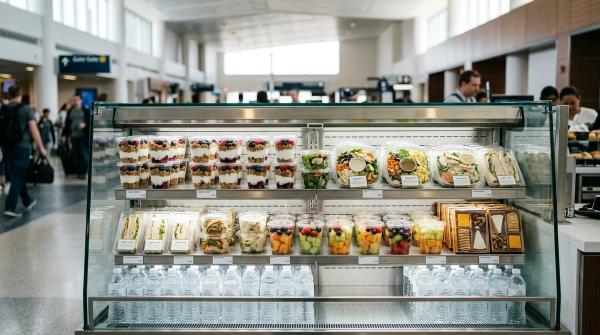
#A warung is usually a small, family-run eatery. Some are tiny roadside places with plastic chairs and one fan doing heroic work. Some are modern, polished, almost cafe-like. Some have food displayed in glass cases, like a nasi campur counter where you point at what you want. Others cook fresh to order. I love both, but hygiene-wise and vegetarian-wise, they are not equal. Not at all.
The issue for Indian vegetarians is not just meat. It’s the hidden stuff. Terasi, which is shrimp paste, can be in sambal, gado-gado sauce, urab, sayur dishes, nasi goreng seasoning, basically anywhere the cook feels it should go. Kaldu ayam means chicken stock. Saus ikan is fish sauce. Telur is egg. And sometimes a dish that looks like cabbage and coconut might have been cooked next to pork or mixed with shredded meat. Bali is Hindu-majority, yes, but Balinese food is not automatically vegetarian. Pork is common. Fish and shrimp paste are common. Chicken stock sneaks around like it owns the kitchen.
I say this with love because the food culture is gorgeous. But if you are strict vegetarian, Jain, vegan, or you avoid eggs, you can’t just smile and say “veg, veg” and hope for the best. I did that on my first Bali trip years ago, and I ended up eating a sambal that definitely had terasi. I knew halfway through because that deep sea-ish funk hit me, and I was like, ah great, I have betrayed my whole family line for one spoon of chilli.
My personal warung hygiene rule: busy, hot, visible, simple
#If I had to make one rule for Bali warung hygiene, it would be this: choose a place that is busy with locals, serves hot food fast, has a kitchen or counter you can see, and doesn’t make you decode 58 complicated sauces. I know that sounds boring, but it works. A busy warung usually has high turnover, so the rice, vegetables, tofu, and tempeh are moving. Food sitting lukewarm for hours is where my confidence disappears. Especially rice. Cooked rice that hangs around at room temperature can be risky anywhere in the world, not just Bali, and I don’t play around with sad lukewarm rice.
I look for steam. Real steam. I look for food being fried fresh, not fried in oil the color of a monsoon drain. I check if serving spoons are separate or if the same spoon is jumping between chicken curry and long beans. I watch whether the person handling money also handles food without washing. Sometimes you can’t control it, obviously, but even five minutes of observation tells you a lot. My friend laughs at me because I become like a detective outside a warung, pretending to check Google Maps while actually judging the sambal station. But listen, my stomach has standards now.
- Go during peak meal hours, not at 4 pm when lunch food is tired and dinner is not ready.
- Pick hot cooked dishes over raw salads, cut fruit, or cold coconut milk curries that have been sitting out.
- Ask for fresh-cooked nasi goreng or cap cay if the buffet counter looks questionable.
- Carry hand sanitizer, but don’t use it as an excuse to eat from a place that looks properly dodgy.
Safe orders I actually trust at Bali warungs
#My safest warung order, and honestly my comfort order, is nasi goreng sayur with no egg, no chicken stock, no shrimp paste, cooked fresh. It’s not the most adventurous thing in the world, but when it arrives hot from the wok, smoky and sweet with kecap manis, bits of carrot, cabbage, beans, and a side of cucumber I sometimes ignore if I’m being careful, it hits the spot. I usually ask clearly: “Nasi goreng sayur, tanpa telur, tanpa ayam, tanpa ikan, tanpa terasi.” That means vegetable fried rice, no egg, no chicken, no fish, no shrimp paste. If they nod too fast, I ask again, because sometimes people say yes just to be nice. Bali hospitality is so warm that it can accidently become dangerous for dietary clarity.
Cap cay sayur is another good one. It’s a Chinese-Indonesian mixed vegetable stir-fry, usually with cabbage, carrot, cauliflower, greens, sometimes mushrooms. Ask for it with rice, cooked fresh, no oyster sauce if you’re strict, and no chicken stock. Mie goreng sayur is good too, but check egg noodles if vegan, and again ask about fish sauce or stock. Tahu goreng and tempe goreng are usually safe if fried fresh, though cross-frying with meat can happen. If cross-contact bothers you, say so. The phrase “alat bersih” means clean utensils, but in a tiny warung during lunch rush, don’t expect a full separate vegetarian kitchen like your auntie’s Navratri setup.
| Order | Why it works | What to say or check |
|---|---|---|
| Nasi goreng sayur | Hot, cooked to order, easy to customize | Tanpa telur, tanpa terasi, tanpa kaldu ayam |
| Cap cay sayur | Mostly vegetables, usually fresh from wok | No oyster sauce, no chicken stock |
| Tempe goreng or tahu goreng | High-protein and usually fried hot | Ask if fried fresh and not sitting cold |
| Gado-gado | Filling, vegetarian-looking, tasty peanut sauce | Check sauce has no terasi and vegetables are not raw if you’re cautious |
| Nasi campur vegetarian | Best when you can choose items | Avoid mystery sambal, lawar, meat spoons, lukewarm food |
| Pisang goreng | Banana fritters, often simple and hot | Check oil looks okay, eat fresh |
The dishes that look vegetarian but made me nervous
#Gado-gado is the big one. I love it. Peanut sauce, vegetables, tofu, tempeh, rice cake, sometimes egg. For Indian vegetarians it feels familiar in a strange way, like chaat went on a beach holiday. But the sauce can include terasi in some places, and the vegetables may be blanched earlier and left sitting. In clean, busy places I order it. In quiet roadside counters with sleepy-looking bean sprouts, I don’t. Same with urab, the grated coconut and vegetable mix. It can be beautiful, but coconut spoils quickly in tropical heat, and recipes vary. Lawar is another trap. Even jackfruit lawar or vegetable lawar may include meat, blood, shrimp paste, or fishy seasoning depending on the household or warung. Don’t assume.
Sambal is where I’ve been fooled the most. Sambal matah, the raw shallot and lemongrass sambal, is often vegetarian-friendly, but not always. Sambal terasi literally has shrimp paste. Sambal goreng can have random things. If you are strict, ask for “sambal tanpa terasi” or skip it and use bottled chilli sauce, though bottled sauce does feel like a small culinary defeat. I know, I know. But better a tiny defeat than a full stomach drama.
My Bali food rule now is simple: I would rather ask one awkward question than spend one whole night regretting my politeness.
Ubud: where I ate like a happy cow, but still checked everything
#Ubud is still the easiest base for Indian vegetarians in Bali, at least in my experience. It has yoga people, retreat people, vegan people, raw-food people, and those slightly intense wellness travellers who speak about cacao like it raised them. Because of that, vegetarian language is understood better here. You’ll find places like Sayuri Healing Food, Zest, Alchemy, Moksa, Warung Sopa, Bali Buda, and Sari Organik being mentioned again and again by plant-based travellers. Some are not traditional warungs, more like cafes, but they are useful when your stomach needs a clean reset.
My most memorable simple meal in Ubud was not even at a famous place. It was a small warung outside the central tourist crush, after a sweaty walk near rice fields where I had been pretending I was in a movie but actually I was just lost. I ordered plain rice, tempeh, stir-fried kangkung, and a fresh lime soda without ice because I was being extra careful that day. The ibu cooking there laughed when I repeated “tanpa terasi” three times. She said, “India? vegetarian?” and then made me a separate little sambal with chilli and tomato. It was not fancy. No edible flowers, no cashew cheese. But the tempeh was crisp at the edges, soft inside, nutty and warm. I still think about it when I eat packaged tempeh back home and feel personally insulted.
Canggu and Seminyak: trendy, tasty, and sometimes too polished for its own good
#Canggu in 2026 is a strange beast. One lane has a surf shack, the next has oat milk matcha, the next has a warung with the best nasi campur, then suddenly a boutique gym where everyone looks dehydrated but expensive. Food-wise, it’s brilliant for vegetarians. The plant-based and flexitarian trend has only grown, and menus are full of tempeh bowls, jackfruit tacos, vegan nasi campur, fermented drinks, local cacao desserts, and “gut-friendly” everything. QR menus and digital payments are normal now in many tourist areas, which is convenient, although I miss sticky laminated menus sometimes. They had character.
For warung-style eating in Canggu, I’ve had good luck at busy nasi campur places where you can point at the exact vegetable dishes you want. Warung Bu Mi and Warung Varuna are names many travellers know, though menus and ownership vibes can change, so still use your eyes. I choose long beans, tempeh, tofu, corn fritters if fresh, and greens. I avoid anything saucy unless I ask about stock and shrimp paste. Seminyak is easier if you want Indian backup. Places like Queen’s of India and Ganesha Ek Sanskriti have had a presence in Bali’s Indian dining scene for years, and they’re useful when you’re tired of explaining “no fish sauce” for the tenth time. But honestly, after two days of dal, I always crave warung tempeh again.
Sanur and Sidemen: slower travel, simpler meals, more trust-building
#Sanur has this calm, older-Bali feeling that I really like. Morning beach walks, families cycling, less of the “look at my life” energy you get in some parts of Canggu. Warungs here can be very good for simple vegetarian plates, but English may vary once you move away from touristy spots. I kept my order basic: steamed rice, vegetable stir-fry, tofu, tempeh, bottled water. Sanur also has nice cafes when you need a hygiene-safe breakfast, but the local warungs are where I felt more connected to the place.
Sidemen was my favourite for landscape, maybe even more than Ubud. Rice terraces, Mount Agung appearing and disappearing behind clouds, roads that curve through villages, and the kind of quiet that makes lunch taste better. Vegetarian food is more limited there, so I gave advance notice at guesthouses and small eateries. This is one of my biggest tips for Indian vegetarians travelling outside the main tourist towns: tell them early. Don’t arrive starving at 8:30 pm and expect a strict veg feast. Ask in the afternoon if they can make vegetable curry, rice, tempeh, or fried noodles without egg and shrimp paste. People are usually kind, but they need time and clarity.
The Indonesian phrases that saved my meals
#You don’t need perfect Bahasa Indonesia, but a few phrases help a lot. I write them in my notes app and show them if the place is noisy. Pronunciation doesn’t have to be perfect. Mine is not. I once said something so badly that the waiter brought me extra cucumber instead of no egg, and we both just stared at the plate like it was a diplomatic incident.
Saya vegetarian.
I am vegetarian.

Tidak makan daging, ayam, ikan, udang, telur.
I don't eat meat, chicken, fish, shrimp, egg.

Tanpa terasi.
Without shrimp paste.

Tanpa kaldu ayam / kaldu sapi.
Without chicken stock / beef stock.

Tanpa saus ikan.
Without fish sauce.

Bisa masak baru?
Can you cook it fresh?

Tolong pakai alat bersih.
Please use clean utensils.

Tidak pedas sekali.
Not very spicy.  (Use this if your Indian confidence is fake that day.)
For Jain travellers, it gets harder because onion and garlic are foundational in a lot of Indonesian cooking. You can say “tanpa bawang merah, tanpa bawang putih,” meaning no shallots and no garlic. But be realistic. In small warungs, spice pastes are often made earlier, and the cook may not be able to remake everything from scratch. In Ubud, Canggu, Seminyak, and Indian restaurants, Jain-style requests are easier. In villages, I’d stick to plain rice, fresh fruit you peel yourself, boiled vegetables if available, and pre-arranged meals at your hotel.
Water, ice, fruit, and the famous Bali Belly topic nobody wants but everyone Googles
#Let’s talk stomach safety. Bali Belly is basically traveller’s diarrhoea, and it can come from contaminated food or water, poor hand hygiene, or just your gut reacting to new bacteria and spices. I’m not a doctor, but I travel with ORS, basic medicines recommended by my doctor, and I don’t act brave with water. I drink sealed bottled water or filtered water from places I trust. For brushing teeth, I use bottled water if I’m in a basic guesthouse. In better hotels and many modern cafes, filtered water systems are common, but I still ask.
Ice is complicated. In much of tourist Bali, commercial tube ice is widely used and generally considered safer than random hand-chipped ice, but you can’t always know. At clean cafes I take ice. At roadside juice stalls, I skip it. Fresh juices are tempting, especially watermelon after a hot temple walk, but if the fruit is pre-cut, the blender isn’t rinsed well, or water is added, that’s a risk. Whole bananas, mangosteen, rambutan, salak, oranges, and fruit you peel yourself are my safe friends. Cut papaya sitting in a display case? Not my friend.
Markets are beautiful, but I eat carefully there
#Bali’s markets are sensory overload in the best way. Morning markets near Ubud, Gianyar, and local town centers are full of offerings flowers, spices, vegetables, fruit, snacks, and women moving with such purpose that you feel like a slow tourist obstacle. I love walking through them. The smell of banana leaves, frying batter, incense, wet stone after rain, it all mixes together. But markets are where I mostly snack cautiously. Hot pisang goreng straight from oil? Yes. Freshly grilled corn? Yes, if handled cleanly. Mystery coconut sweets sitting uncovered with flies holding a conference? No, thank you.
One morning in Gianyar, I watched a vendor make little rice flour pancakes, almost like a soft appam cousin, and I wanted them badly. But the topping had grated coconut that had been sitting out. My heart said eat, my brain said remember last year’s food poisoning in another country, and my brain won. I bought bananas instead and felt boring but alive. Travel is full of these tiny negotiations.
How 2026 food travel trends show up in Bali warungs
#The funny thing is, all the big 2026 food travel trends people talk about are already kind of present in Bali, just not always in the glossy way. Plant-forward eating? Bali has tempeh, tofu, vegetables, jackfruit, coconut, peanuts, and rice at the center of so many meals. Fermentation? Tempeh has been doing that long before it became a wellness buzzword. Farm-to-table? In Sidemen and Ubud, you can literally see the fields near your lunch table. Zero-waste? Banana leaves as packaging are older and smarter than half the “sustainable packaging innovations” we now praise.
At the same time, tourist Bali has changed. More cafes now label vegan, gluten-free, nut-free. Some restaurants talk about regenerative farming, local cacao, heritage rice, and low-waste kitchens. Cooking classes have become more dietary-aware, and I noticed more hosts asking about allergies and vegetarian restrictions upfront. Digital nomad food culture also pushed demand for reliable hygiene, filtered water, delivery apps, and cleaner kitchens. That’s good for us, mostly. But I still think the best meals are when old and new Bali meet: a local warung that understands vegetarian requests, cooks fresh, and still tastes like someone’s grandmother is supervising from the back.
My “safe plate” formula for nasi campur
#Nasi campur is basically mixed rice with side dishes, and it can be heaven for vegetarians if you choose carefully. My formula is boring in a useful way: white rice, one fried protein, one cooked green, one dry vegetable dish, and sambal only if confirmed no terasi. I avoid saucy curries unless they are clearly vegetarian and hot. I avoid anything that looks like it has been sitting since breakfast. I ask for a clean spoon if the tempeh spoon has touched chicken. Sometimes they smile, sometimes they look mildly offended, but usually it’s fine.
- Start with rice only if it is hot or from a covered rice cooker, not a lukewarm open tray.
- Pick tempeh or tofu that looks freshly fried, not dry and cold at the edges.
- Choose cooked greens like kangkung or beans, but ask about terasi in the seasoning.
- Skip lawar unless someone can explain exactly what is inside.
- If the place is not busy, order something cooked fresh instead of buffet-style nasi campur.
When to stop being adventurous
#This is the part food travellers hate, because we want the story. We want to say we ate at the hidden roadside stall with no name and it changed our life. Sometimes it does. But sometimes being adventurous is just ego wearing a backpack. If a warung smells off, if food is uncovered, if flies are everywhere, if the cook seems confused about vegetarian requests, if your stomach already feels weird, don’t push it. Go eat at a cleaner cafe or Indian restaurant and try again tomorrow. You are not less of a traveller because you chose dal tadka over digestive chaos.
I had one evening in Uluwatu where I ignored my own rule. Beautiful sunset, dramatic cliffs, post-beach hunger, and I picked a place because it looked “authentic” from the road. The vegetable noodles came out suspiciously fast, barely warm, and the tofu tasted like fridge. I ate half because I was starving. Big mistake. Not a disaster, but the next morning I cancelled a beach plan and sat with ginger tea, feeling very philosophical about consequences. Now if food arrives too fast and not hot, I send it back politely or I don’t eat it. Simple.
A tiny packing list for vegetarian food safety in Bali
#I don’t carry my entire kitchen, but a few things make Bali easier. A printed or phone dietary card in Indonesian helps. ORS sachets are non-negotiable for me. I carry a small spoon because sometimes takeaways forget cutlery, and I don’t want to eat with fingers after touching scooter helmets, cash, temple railings, and who knows what else. I also keep roasted chana or khakhra in my bag. Very Indian aunty behaviour, and I’m proud. When everyone else is panic-buying chips, I have emergency thepla energy.
- Dietary card in Bahasa Indonesia with no meat, fish, egg, terasi, and stock clearly written.
- ORS, basic stomach meds from your doctor, and travel insurance if you’re doing a longer trip.
- Hand sanitizer and wet wipes, especially for markets and scooter days.
- A backup snack from home, because hunger makes you order stupid things.
- Reusable bottle, but fill it only from trusted filtered-water stations.
So, should Indian vegetarians eat at Bali warungs?
#Yes. Absolutely yes. But not blindly. Bali warungs gave me some of my best meals on the island: smoky nasi goreng after rain in Ubud, crisp tempeh in Sidemen, hot cap cay in Sanur, banana fritters eaten too quickly outside a market, and a simple rice plate in Canggu that cost less than a fancy coffee but made me happier. Food travel is not only about tasting everything. Sometimes it’s about learning how to ask, how to observe, how to respect another cuisine without assuming it will bend automatically to your rules.
For Indian vegetarians, safe ordering in Bali is a mix of language, timing, hygiene instinct, and humility. Ask about terasi. Ask about stock. Eat hot food. Choose busy warungs. Don’t romanticize dirty places. Don’t let Instagram decide your lunch. And please don’t be shy about your dietary needs, because being polite and unclear helps nobody. The Balinese people I met were mostly patient and kind when I explained properly. The mistakes happened when I was lazy, rushed, or too hungry to think.
And that’s really my Bali food lesson: the island rewards curiosity, but it rewards common sense even more. Eat the tempeh. Drink the coconut from a clean stall. Learn the words. Walk into small warungs with respect, not fear. Keep one Indian restaurant bookmarked for emergency comfort. And if you want more food-travel notes, practical guides, and slightly hungry wandering like this, have a look at AllBlogs.in sometime. I’ve found myself browsing it whenever the next trip itch starts again, which is often, honestly.