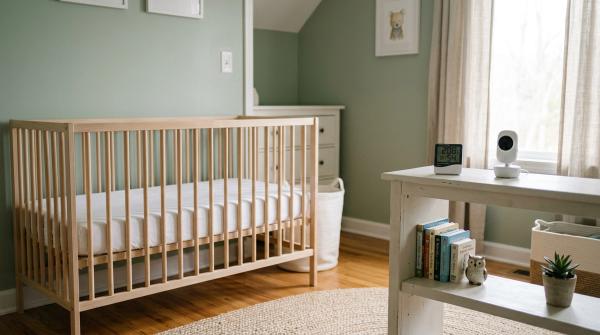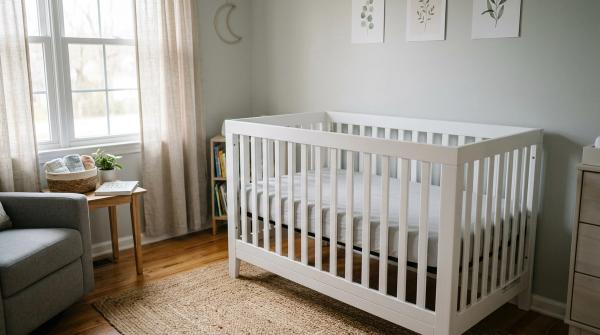
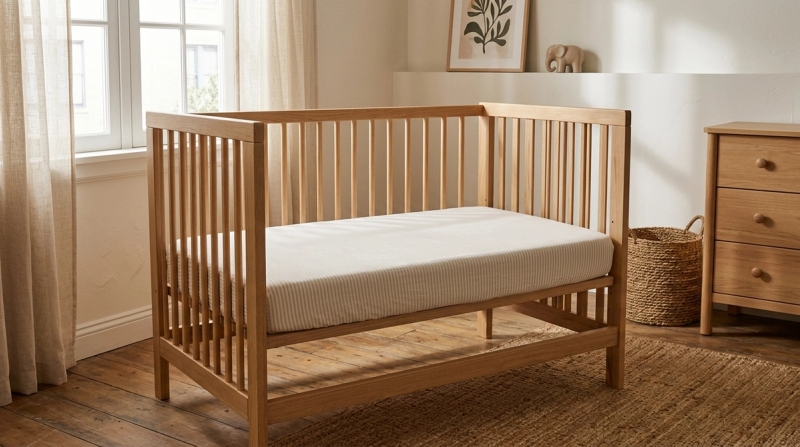
A safe crib mattress is firm, flat, non-inclined and snug inside the crib. Use only a tightly fitted crib sheet, place your baby on their back for sleep, and keep pillows, bumpers, wedges, soft toppers, toys and loose blankets out of the crib.
Buying a crib mattress can feel confusing because every label promises something: breathable, organic, extra comfortable, premium, washable or cloud-like. But babies do not need adult-style softness. The safest crib setup is simple on purpose.
This checklist helps new parents compare crib mattresses by the checks that matter most: firmness, fit, sheet safety, cleaning, humidity, storage and whether a product is worth buying at all.
Quick Safe Sleep Setup
#Before comparing foam, innerspring or breathable crib mattresses, confirm the sleep setup:
- Firm crib mattress
- Flat, level surface
- No incline
- Snug mattress fit inside the crib
- Tightly fitted crib sheet only
- Baby placed on their back for sleep
- Empty crib: no pillows, bumpers, blankets, wedges, soft toppers or toys
If a product claims to make the crib more comfortable but adds softness, height, looseness or clutter, skip it.
The Two Checks That Matter Most
#A crib mattress can have nice materials, a washable cover and strong reviews, but two checks come first:
- Is it firm enough?
- Does it fit the crib properly?
If either answer is no, choose another mattress.
1. Crib Mattress Firmness: Firm Is Correct
#A crib mattress should feel much firmer than an adult mattress. That can surprise parents who are used to soft beds, pillow tops and memory foam.
For infant sleep, softness is not the goal. A soft surface can sink around a baby’s face. A firm, flat surface is the safer baseline.
Simple Firmness Check
#Press your hand into:
- The center
- The corners
- The edges
- Any quilted or padded-looking areas
A firm crib mattress should bounce back quickly. It should not feel plush, squishy or deeply dented after you press it. If your first reaction is “this feels harder than I expected,” that may be normal for an infant mattress.
2. Crib Mattress Fit: Use the Two-Finger Rule
#The mattress should sit tightly inside the crib. Gaps between the mattress and crib frame can create entrapment risks.
For a full-size crib mattress, common regulated dimensions are at least 27 1/4 inches wide, at least 51 5/8 inches long and no more than 6 inches thick. Still, do not rely only on the product listing. Always test the mattress inside the crib.
The Two-Finger Rule
#After placing the mattress in the crib, try to fit your fingers between the mattress and crib side.
If more than two fingers fit in the gap, the mattress is too small for that crib.
This matters even more for mini-cribs, compact cribs, apartment-friendly cribs and travel cribs, because sizes can vary by model.
Foam vs Innerspring vs Dual-Sided vs Breathable Crib Mattresses
#No mattress type is automatically best. The safer choice is the one that is firm, flat, snug-fitting and used correctly.
A breathable mattress may be useful in hot or humid homes, but it does not make pillows, bumpers, loose blankets or soft toppers safe.
Step-by-Step Buying Checklist
#1. Confirm Your Crib Type
#Know whether you have a full-size crib, mini-crib, compact crib, convertible crib, play yard or travel crib. Use the crib manual when possible. A mattress that fits one compact crib may not fit another.
2. Check Exact Mattress Dimensions
#Look for clear width, length and thickness. Avoid listings that use vague words like universal, standard or fits most without exact measurements.
3. Test the Mattress Inside the Crib
#Push the mattress into each corner, check all four sides and use the two-finger rule. The mattress should lie flat and not curl, bend or leave large side gaps.
4. Press for Firmness
#Press the center, corners and edges. The surface should feel firm and recover quickly. Avoid pillow-top textures, soft toppers or adult-mattress softness.
5. Check Edge Support
#Edges should not collapse easily. Weak edges can create uneven spots near crib rails, especially when sheets are pulled tight.
6. Review Cleaning Instructions
#Babies bring spit-up, milk spills, drool and diaper leaks. Choose a mattress with clear cleaning instructions, a wipeable cover or a compatible thin waterproof protector that fits tightly under the sheet.
7. Consider Weight
#A heavy mattress can make midnight sheet changes frustrating. Foam mattresses are often easier to lift; innerspring options can feel sturdier but heavier.
8. Read Labels, Not Just Marketing
#Be cautious with phrases like luxury comfort, cloud-like, ultra-soft, plush or extra cozy. For babies, the more useful details are dimensions, firmness, care instructions, materials and safety information.
9. Buy the Right Fitted Sheet
#The fitted sheet should match the mattress size, stay smooth, hold corners after washing and not bunch under the baby.
10. Keep the Crib Empty
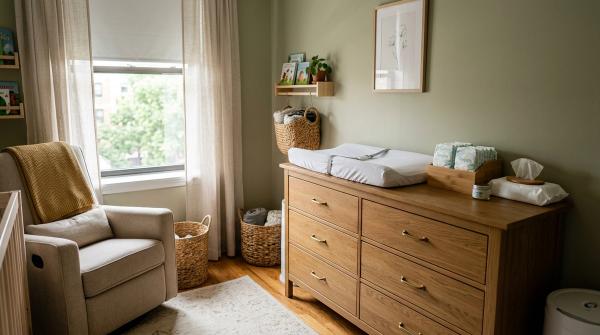
#Once the mattress and fitted sheet are in place, stop there. Nursery photos may show blankets, cushions and toys, but those are not for infant sleep.
India-Aware Notes: Heat, Monsoon and Apartments
#In India and other hot, humid climates, the same safe sleep basics apply: firm, flat, snug mattress; fitted sheet only; baby on back; empty crib.
Extra practical checks can help:
- Choose a cover that can be wiped and fully dried.
- Avoid thick padded protectors that add softness.
- Dry the mattress fully after cleaning during monsoon humidity.
- Use ventilation and weather-appropriate clothing instead of adding loose bedding.
- For compact apartment cribs, measure carefully and recheck the two-finger gap after setup.
- Check local labels, product dimensions, care instructions and any relevant safety or quality marks.
Do not rely only on imported-sounding claims or social media recommendations. The safest product is the one that passes the practical checks.
What to Skip
#Skip these for infant sleep:
- Pillows
- Crib bumpers, including padded and mesh styles
- Wedges
- Sleep positioners
- Soft mattress toppers
- Quilted pads that add cushion
- Loose blankets
- Stuffed toys
- Folded towels under the baby
If the mattress feels too firm to you, that does not mean your baby needs a softer layer.
Common Buying Mistakes
#Choosing Softness Over Firmness
#Adult comfort and infant sleep safety are different. Avoid plush, squishy, pillow-top or slow-sinking surfaces.
Trusting “Breathable” Too Much
#Breathable materials may help airflow or cleaning, but they do not replace firmness, flatness, back sleeping or an empty crib.
Forgetting the Fit Check After Delivery
#A mattress can look right online and still fit poorly. Always check it inside the crib before use.
Buying Extra Bedding Sets
#Extra fitted sheets are useful. Pillows, bumpers, quilts and decorative crib bedding are not needed for infant sleep.
Using the Wrong Side of a Dual-Sided Mattress
#If you buy a dual-sided mattress, use the labeled infant side first. The toddler side is for later, following the manufacturer’s instructions.
Related AllBlogs Reads
#If you are setting up the nursery, these existing AllBlogs guides pair well with this checklist:
- Crib Mattress vs Bassinet vs Bedside Sleeper: What Should New Parents Buy First?
- Crib Mattress Protector vs Fitted Sheet vs Waterproof Pad: What Do New Parents Actually Need?
- Crib Bumpers vs Mesh Liners vs an Empty Crib: What’s Safest for New Parents?
- Baby Monitor Placement Checklist: Cords, Crib Distance, Wi-Fi and Safe Sleep
Final Crib Mattress Checklist
#Before your baby sleeps on the mattress, confirm:
- The mattress is firm.
- The surface is flat.
- It is not inclined.
- It fits snugly in the crib.
- More than two fingers do not fit in the side gap.
- The fitted sheet stays tight and smooth.
- The crib has no pillows, bumpers, wedges, toppers, toys or loose blankets.
- The mattress label and care instructions are clear.
A safe crib mattress does not need to be fancy. It needs to be firm, flat, correctly sized and used in a clear sleep space.