Travelling without drinking alcohol should not mean spending your whole trip choosing between Coke, bottled water, and the same glass of orange juice at breakfast.
South Africa is a great place to be a non-drinker, partly because the local drinks culture is much wider than wine, beer, and cocktails. Yes, the country is famous for vineyards and craft beer, but everyday South African drinking also includes earthy rooibos tea, café-friendly red cappuccinos, tangy fermented favourites like amasi and mageu, spicy ginger beer, fresh fruit juices, and the classic rock shandy you’ll see on restaurant menus all over the country.
Some of these drinks are light and refreshing. Some are closer to food. Some are sweet. Some are sour. And a few need a quick check if you avoid alcohol completely, because “non-alcoholic” does not always mean strictly 0.0%.
This guide is for travellers who want to drink something local, interesting, and genuinely enjoyable without ordering alcohol. Here’s what to try, what each drink tastes like, when to order it, and what to watch for if you avoid caffeine, dairy, sugar, or even tiny traces of alcohol.
Quick answer
#If you want the short version, start with these South African non-alcoholic drinks:
- Rooibos tea: A naturally caffeine-free red herbal tea from the Cederberg region. Earthy, smooth, lightly sweet, and easy to find.
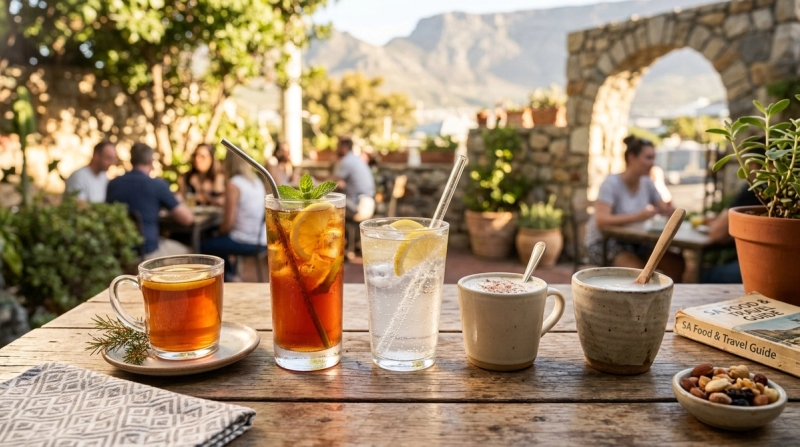
- Iced rooibos and red espresso: Modern café versions of rooibos. Red espresso is rooibos made in an espresso-style machine and often served as a red cappuccino or red latte.
- Rock shandy: A fizzy mix of lemonade, soda water, ice, lemon, and Angostura bitters. It’s widely treated as non-alcoholic, but bitters contain alcohol, so strict non-drinkers should ask for it without bitters.
- Amasi: A thick, sour fermented milk drink, a little like kefir, cultured buttermilk, or plain drinking yogurt. Best with pap or traditional meals.
- Mageu: A filling fermented maize drink, usually dairy-free, mildly sour, and often sold sweetened or flavoured.
- Ginger beer and Stoney-style drinks: Sweet, fizzy, spicy ginger drinks that are excellent with grilled meat, braais, burgers, and spicy food.
- Fruit juices and smoothies: Easy to find, especially guava, mango, granadilla, orange, and mixed fruit. Many are sweeter than they look.
Why South Africa is good for non-drinkers
#South Africa has a big drinking culture in some settings, especially around wine, beer, sport, braais, and celebrations. But that is only one side of the story.
Day to day, people drink all sorts of things that have nothing to do with alcohol. The climate helps explain it. In hot weather, a cold fizzy drink, iced tea, ginger beer, or fruit juice makes sense. At home, with breakfast, or after dinner, rooibos is a familiar comfort. In more traditional food settings, drinks like amasi and mageu are part of older ways of eating and drinking, where dairy, maize, grains, and fermentation all have a place.
That’s what makes South Africa easier than you might expect if you’re not drinking. You don’t always have to ask for a mocktail or explain yourself. You can simply order something local.
A rooibos at breakfast. A red cappuccino at a café. A ginger beer with a braai plate. A mageu from a supermarket fridge. A rock shandy at lunch, as long as bitters are okay for you.
It feels much better than being stuck with plain soda every time everyone else orders something interesting.
Rooibos tea
#If you try only one South African drink, make it rooibos tea.
Rooibos, pronounced roughly “roy-boss,” means “red bush” in Afrikaans. It comes from the Cederberg region in the Western Cape, where the rooibos plant grows in dry, rugged mountain country. Today it’s one of South Africa’s best-known food exports, but in South Africa itself it still feels very everyday. Not fancy. Not ceremonial. Just part of life.
The biggest practical point is that rooibos is naturally caffeine-free. That makes it useful at almost any time of day. You can drink it at breakfast, in the afternoon, or after dinner without worrying about it keeping you awake. It’s also lower in tannins than black tea, so if you leave the bag in a bit too long, it usually won’t turn harsh and bitter.
The flavour is warm, earthy, slightly nutty, and naturally a little sweet. It has a reddish-brown colour in the cup and a soft finish. If black tea feels too strong, rooibos may suit you better. If herbal teas often taste thin or overly floral to you, rooibos has more body.
In restaurants, hotels, guesthouses, and cafés, it’s usually served simply: hot water, a tea bag or loose tea, and sometimes milk, sugar, honey, or lemon on the side. South Africans drink it in different ways. Some take it black. Some add milk and sugar like normal tea. Some prefer honey or lemon.
Rooibos is especially good with breakfast, rusks, muffins, scones, pancakes, banana bread, and simple baked things. It’s also a lovely after-dinner drink because it gives you something warm and local without caffeine.
It’s probably the easiest South African drink for a visitor to like. No acquired texture, no sour fermentation, no complicated order. Just a good, gentle cup of tea.
Iced rooibos and red espresso
#Rooibos is not only served hot. In South Africa, it also turns up in cooler, more modern café-style drinks.
Iced rooibos is a good choice on a warm day. Depending on where you order it, it may be brewed fresh, bottled, sweetened, unsweetened, or mixed with lemon, mint, peach, berries, or other fruit. The flavour stays earthy and soft, but over ice it becomes cleaner and more refreshing.
Think of it as iced tea without caffeine and without the sharp bitterness you sometimes get from black tea. It works well at lunch when you want something more interesting than water but not as sugary or heavy as a soft drink.
That said, bottled iced rooibos can be quite sweet. If you’re watching sugar, ask whether it’s unsweetened or lightly sweetened.
Then there’s red espresso. The name is slightly confusing because it is not coffee. It’s rooibos prepared in an espresso-style way, often through an espresso machine. Cafés use it to make red cappuccinos, red lattes, and similar drinks.
A red cappuccino gives you the feeling of a proper coffee-shop drink without the coffee. It’s usually made with steamed milk and sometimes finished with honey, cinnamon, or vanilla. The taste is softer than a cappuccino, with rooibos warmth instead of roasted coffee bitterness.
This is a great order if you’re travelling with coffee drinkers. They can have their flat whites and cappuccinos, and you can still order something that feels like it belongs at the table.
A few things to check:
- Red cappuccinos usually contain milk unless you ask for oat, almond, soy, or another dairy-free alternative.
- Sweetened iced rooibos can contain more sugar than expected.
- Rooibos itself is caffeine-free, but check mixed drinks in case they include coffee, chocolate, cola, or energy-style ingredients.
Rock shandy South Africa
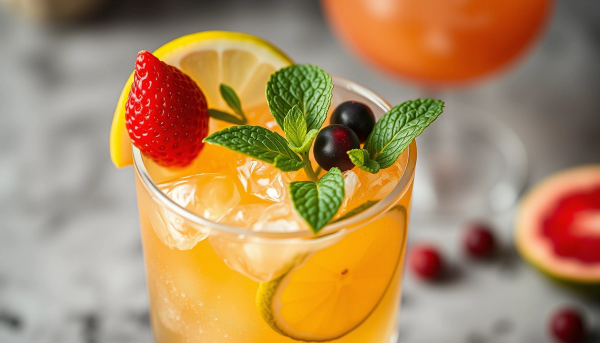
#A rock shandy is one of those drinks that feels right in South Africa: cold, fizzy, lemony, and perfect with lunch on a hot day.
The classic South African version is usually made with equal parts fizzy lemonade and soda water, poured over ice, finished with a few dashes of Angostura bitters, and served with lemon. In South Africa, “lemonade” usually means a clear fizzy lemon-lime soda, not still homemade lemonade.
It works because it has balance. The lemonade brings sweetness. The soda water lightens it. The lemon adds freshness. The bitters give it that grown-up, aromatic edge that stops it from tasting like an ordinary soft drink.
A rock shandy is excellent with salty, smoky, fried, or grilled food. Order it with calamari, fish and chips, burgers, peri-peri chicken, grilled meat, boerewors, or a braai plate. The bubbles and slight bitterness cut through rich food beautifully.
But there’s one important thing to know: a traditional rock shandy is not strictly alcohol-free. Angostura bitters contain alcohol. Only a few dashes are used, so the amount in the final drink is tiny, but tiny still matters for some people.
If you avoid alcohol completely for religious reasons, pregnancy, medication, recovery, health, or personal preference, ask before ordering. You can say:
“Can you make it without bitters?”
Or:
“Do you have alcohol-free bitters?”
Without bitters, it becomes more like a lemonade-and-soda spritzer. Still refreshing, just less complex.
For many casual non-drinkers, a rock shandy is fine. For strict 0.0% drinkers, it needs a quick check.
Amasi
#Amasi is a very different kind of drink. It’s not fizzy, light, or café-style. It’s thick, sour, fermented, and closely connected to traditional food.
Amasi is made by fermenting milk. Traditionally, it was prepared in containers like calabashes or clay pots. Today, you’ll find commercial amasi in supermarket fridges, made under controlled conditions so it’s consistent and safe for everyday use.
If you know kefir, cultured buttermilk, or plain drinking yogurt, you have a rough idea of what to expect. Amasi is tangy, creamy, and sour. It can feel more like food than a drink, especially if you’re used to lighter beverages.
Amasi is often eaten with pap, the maize porridge that appears in many South African meals. One classic combination is amasi with stiff or crumbly pap. The mild maize and sour dairy balance each other, making a simple but filling meal. Amasi can also work alongside stews and home-style dishes because the tang cuts through richer flavours.
For travellers, amasi is usually best tried with food rather than as a random drink on a hot afternoon. Look for it at traditional African eateries, cultural food experiences, or places serving pap and home-style meals. If you buy it at a supermarket, check whether it’s plain or flavoured, and keep it chilled.
A few cautions:
- Amasi is dairy, so it is not suitable for vegans or people avoiding milk.
- Fermentation may reduce lactose in some dairy products, but amasi can still affect lactose-intolerant travellers.
- Choose commercially packaged amasi if you’re concerned about food safety.
- If you’re offered homemade amasi in a rural or informal setting, use the same judgement you would with any fresh dairy product.
Amasi may not be the easiest first sip for every visitor, but it’s one of the most culturally meaningful drinks in this guide.
Mageu
#If amasi is the fermented dairy drink, mageu is the fermented maize drink.
Mageu is made from maize porridge and is often linked with mealie pap. Some versions may also involve sorghum or other grains in the fermentation process. It’s usually thick, smooth, slightly grainy, and mildly sour. Because it’s maize-based rather than milk-based, it’s commonly treated as dairy-free, but it’s still worth checking labels on commercial versions.
Texture is the thing to understand with mageu. This is not juice. It is not soda. It’s filling. Some people drink it as a beverage, while others treat it more like a snack or quick mini meal. Once you try it, that makes sense. It has body, carbohydrates, and enough substance to take the edge off hunger.
Traditional mageu has a natural sourness from fermentation. Commercial mageu, sold in bottles or cartons, is often sweetened and may come in flavours like banana, vanilla, or cream soda-style varieties. These flavoured versions can be easier for first-timers, but they can also be much sweeter.
Mageu is a good thing to try when you want something local and substantial. It can work as a snack drink, a breakfast-style option, or something to have with simple savoury food. It’s not crisp like a rock shandy and not gentle like rooibos. It’s hearty.
Things to keep in mind:
- Check labels if you avoid dairy, gluten, or added sugar.
- Homemade versions can vary a lot in sourness, thickness, and hygiene.
- If your stomach is sensitive to fermented foods, start with a small amount.
- Because it is filling, don’t expect it to feel like a light soft drink.
For food-focused travellers, mageu is worth trying because it shows how South African drinks can overlap with staple foods. It’s practical, filling, and very different from the usual tourist drinks.
Ginger beer and Stoney-style drinks
#Ginger beer is an easy win if you like bold, spicy flavours.
One of the best-known commercial examples in South Africa is Stoney Tangawizi, a ginger beer-style soft drink with a proper ginger bite. “Tangawizi” means ginger in Swahili, and the drink is known for being much punchier than mild ginger ale.
Stoney-style drinks are usually sweet, fizzy, and fiery at the back of the throat. That makes them especially good with grilled and spicy food. Try one with boerewors, burgers, braai meat, peri-peri chicken, smoky ribs, or anything salty and charred. The sweetness helps with chilli and spice, while the ginger heat keeps the drink from feeling flat.
You may also come across homemade ginger beer, especially at family gatherings, holiday events, markets, or traditional settings. Homemade versions can be more yeasty, more interesting, and less predictable. Because they may be fermented, they can sometimes contain trace alcohol.
If you strictly avoid alcohol, ask how homemade ginger beer was made or choose a commercial soft drink version instead.
The other thing to watch is sugar. Most ginger beers are sweet. If you’re limiting added sugar, treat this as an occasional drink rather than your everyday choice.
Fruit juices and smoothies
#South Africa has excellent fruit, so juices and smoothies are easy to find. You’ll see them at breakfast cafés, hotels, farm stalls, petrol stations, juice bars, and coastal restaurants.
Common flavours include mango, guava, granadilla, orange, apple, and mixed fruit. Granadilla is passion fruit, and it’s especially worth trying if you like tart tropical flavours. Guava juice can be thick, fragrant, and almost creamy. Mango is usually sweeter and richer.
Fresh juices are common in tourist areas, while boxed juices are available almost everywhere. Smoothies often combine fruit with yogurt, milk, ice, honey, or sometimes rooibos.
These are good choices when you want something familiar but still a little local. Just remember that the sugar can add up quickly. Even “healthy” juices and smoothies can be high in natural sugar, and some commercial versions have added sugar too.
If that matters to you, ask for no added sugar, choose a smaller size, or alternate with water, sparkling water, or unsweetened rooibos.
Also check for dairy when ordering smoothies. Many are made with yogurt or milk unless the menu says otherwise.
What to order with meals
#Here’s a simple pairing guide for South African drinks for non-drinkers.
At breakfast:Order rooibos tea if you want something gentle and caffeine-free. Choose a red cappuccino if you want the coffee-shop experience without coffee. Fruit juice or a smoothie works if you want something cold, but keep an eye on sweetness.
With rusks, muffins, or baked goods:Hot rooibos is the natural choice. It has enough body for dunking rusks and enough soft sweetness to go with simple pastries.
At a braai or grilled-meat meal:A rock shandy is a classic if trace alcohol from bitters is acceptable to you. If not, choose ginger beer or a Stoney-style drink. Both are great with smoky meat, sausage, marinades, and spicy sauces.
With spicy food:Ginger beer works well because the sweetness and ginger heat stand up to chilli. Iced rooibos is a calmer option if you want something less sugary or less intense.
With pap, stews, or traditional plates:Try amasi with pap if you eat dairy. Try mageu if you want a maize-based fermented drink. Both make more sense with food than on their own.
At a café:Look for iced rooibos, red espresso, red cappuccino, fresh juice, or smoothies. If you avoid caffeine, confirm that your drink is rooibos-based and not mixed with coffee.
At a finer restaurant:Ask what alcohol-free options they make in-house. Some restaurants offer botanical infusions, iced teas, fruit drinks, or non-alcoholic pairings. A simple question is enough: “What would you recommend that’s alcohol-free and goes with this dish?”
Cautions: sugar, caffeine, dairy, alcohol, and ice
#A few quick checks will make alcohol-free drinking in South Africa much easier.
Sugar:Many soft drinks, ginger beers, bottled juices, commercial iced teas, and flavoured mageu drinks are sweet. If you’re limiting sugar, safer choices include plain hot rooibos, unsweetened iced rooibos, sparkling water with lemon, or a small fresh juice.
Caffeine:Rooibos is naturally caffeine-free, including rooibos tea and rooibos-based red espresso drinks. But café menus can be confusing, so check whether a drink contains coffee, chocolate, cola, or energy-style ingredients.
Dairy:Amasi is dairy. Red cappuccinos and smoothies often contain milk or yogurt. Mageu is usually maize-based and commonly dairy-free, but commercial labels are still worth checking.
Alcohol traces:A traditional rock shandy usually contains Angostura bitters, which contain alcohol. Homemade ginger beer may also contain trace alcohol if fermented. If you need strict 0.0%, ask directly before ordering.
Ice and water:In major cities and tourist areas, tap water is generally considered safe to drink, and ice is widely used. In rural areas, remote lodges, or during water service problems, ask local staff about water safety. If unsure, choose bottled drinks, boiled hot drinks, or ask for no ice.
Fermented drinks:Amasi and mageu can be excellent, but they are fermented and can vary. If your stomach is sensitive, start small. For lower risk, choose commercially packaged versions or order them from places with good turnover.