Laundry is the boring travel problem that becomes very real on day 5
#Nobody posts a glamorous reel of washing socks in a hotel sink, na? But honestly, travel laundry is one of those small things that can either make your trip feel sorted or make you feel like a sweaty, confused mess carrying one plastic bag full of “maybe wearable” clothes. I learnt this the hard way on a long trip where I had packed like a typical Indian over-packer, meaning 4 extra T-shirts “just in case”, 2 jeans which never dried, and one kurta that got dal stains on the first night itself. Very nice. After a few trips across Indian hill stations, coastal places, and some abroad trips where laundromats became my second home, I’ve become slightly obsessed with laundry planning. Not in a fancy way. More like, how to not smell bad, not waste money, and not spend half your holiday guarding a washing machine.
So this guide is basically my real-world breakdown of sink wash vs laundromat vs hotel laundry. What works, what is overhyped, what costs too much, and what I personally do now. Especially from an Indian traveller point of view, because our travel style is different. We carry snacks, backup outfits, sometimes family expectations, and we also don’t like paying ₹300 to wash one T-shirt unless there is some emergency. Trust me, laundry decisions affect packing, budget, comfort, and even where you stay.
First thing: your laundry plan decides how much you need to pack
#Earlier I used to pack clothes first and think about laundry later. Wrong order. Now I ask: how many days am I travelling, how sweaty is the place, and will clothes dry easily? Goa in April, Kochi in monsoon, Vietnam humidity, London winter, Ladakh dust, Mumbai local train day… all these need different thinking. If it’s a 3-day trip, I don’t bother with laundry unless I’m carrying gym clothes or beachwear. For 5 to 8 days, I usually do one sink wash. For 10+ days, I plan at least one laundromat or proper machine wash.
This is also where packing systems help. I keep clean clothes in one cube, used clothes in another soft pouch, and one thin waterproof bag for damp stuff. If you’re confused between cubes and vacuum-style bags, this comparison on Packing Cubes vs Compression Bags: Which Saves Space? is actually useful because laundry planning only works when your bag doesn’t become a full-blown disaster zone. And if you’re doing budget flights with only cabin luggage, laundry can reduce your clothing load enough to travel with a smaller bag. I’ve done short city trips with just a personal item, but only because I knew I could wash one T-shirt and innerwear in the sink.
Option 1: Sink wash, the Indian jugaad method that actually works
#Sink washing is the cheapest and most flexible option. You can do it in a hotel, hostel, Airbnb, homestay, even sometimes at a railway retiring room if you’re really desperate. It’s perfect for underwear, socks, quick-dry tees, gym wear, light cotton tops, scarves, and swimwear. But it is not magic. Thick jeans, heavy cotton pajamas, hoodies, padded bras, and big towels are a nightmare. They take forever to dry and then start smelling weird, that damp smell which follows you like bad karma.
My sink wash kit is very basic: detergent sheets or a tiny liquid bottle, a universal sink stopper, one lightweight clothesline, 4 clips, and sometimes a small bar of laundry soap from India. Detergent sheets have become popular with travellers because they don’t leak and they pass airport liquid rules easily. Liquid wash cleans well too, but one loose cap and your bag smells like Surf Excel for the whole trip. If you’re deciding what to carry, I’d suggest reading Travel Laundry Detergent Sheets vs Liquid Wash because that choice genuinely changes how annoying your laundry routine feels.
My sink wash routine, not fancy but it works
#- Fill the sink or bucket with cool or lukewarm water. Hot water can damage some fabrics and colours can run, especially those cheap but cute market clothes we all buy.
- Add a small amount of detergent. Small means small. I used to add too much and then rinsing became a whole upper-body workout.
- Soak for 10 to 15 minutes if clothes are sweaty. For innerwear, I give a gentle scrub at the seams and straps.
- Rinse properly. If soap remains, clothes feel sticky and can irritate skin. Also the smell is not nice, ya.
- Roll clothes inside a towel and press hard. Don’t twist delicate fabric like you’re squeezing sugarcane juice. The towel trick removes so much water.
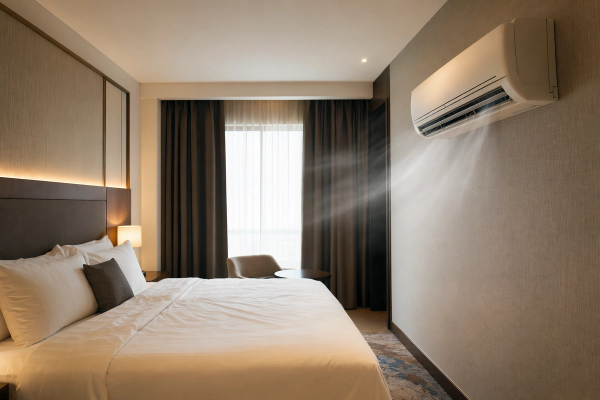
- Hang with airflow. Fan is your best friend. AC rooms can be tricky because air is cold and dry but sometimes clothes just sit there half-damp.
In Indian budget hotels, sometimes you get a bucket and mug, which is honestly better than a tiny designer sink abroad. I don’t know why some European hotel sinks are shaped like they were made only for washing one spoon. But be respectful. Don’t flood the bathroom, don’t hang dripping clothes on wooden furniture, and please don’t dye the white towels pink with your new Jaipur kurta. Hotel staff have enough headache already.
When sink wash is best, and when it is a bad idea
#| Best for sink wash | Avoid sink wash for |
|---|---|
| Innerwear, socks, quick-dry T-shirts | Jeans, hoodies, thick cotton pants |
| Beachwear and gym clothes | Clothes needed the next morning in humid weather |
| Trips where you change hotels often but have one night with fan/airflow | One-night stays where nothing has time to dry |
| Budget travel, hostels, homestays | Formal wear, woollens, delicate silk or embroidered outfits |
| Places with dry climate like Rajasthan winters or mountain towns with sunlight | Monsoon trips, coastal humidity, cold rooms with no ventilation |
The main problem with sink wash is drying, not washing. Washing is easy. Drying is where your confidence dies. In Goa during humid months, even a thin T-shirt can stay damp by morning. In Rajasthan, a cotton shirt can dry in a few hours if there’s sun. In Himachal or Uttarakhand, winter drying can be slow unless you have a sunny balcony. In Southeast Asia, humidity is sneaky, clothes feel dry outside but smell damp later. So don’t wash everything together on the night before checkout. I’ve done it. Packed damp socks in a polybag. Regretted it deeply.
My personal rule: if I need to wear it tomorrow, I don’t sink wash it tonight unless the room has a fan, a dry towel, and I’m mentally ready for drama.
Option 2: Laundromat, my favourite for longer trips
#A laundromat feels intimidating the first time, especially abroad. Machines with foreign instructions, coins, card-only payment, some app you have to download, and one uncle staring because you clearly don’t know which button means “normal wash”. But after you figure it out, laundromats are amazing. You put in one full load, wash, dry, fold, done. No wet clothes hanging from every corner like a hostel horror movie.
Typical self-service laundromats in big cities usually charge by machine load, not per item. Prices vary a lot by country and neighbourhood, so check locally, but from my travel budgeting I keep aside enough for one wash and one dryer cycle rather than expecting it to be dirt cheap. Some places need coins, some take cards, and newer ones may use QR codes or apps. Indian UPI obviously won’t help outside India unless that specific country supports some cross-border setup, so carry a card and small cash. In India, proper coin laundromats are still not as common as abroad, but laundry services, dhobi shops, hostel washing machines, and app-based pickup laundry exist in many big cities.
How I choose a laundromat without wasting half a day
#- I search near my stay first, not near a tourist attraction. Carrying dirty clothes on metro or bus is not my idea of cultural immersion.
- I check opening hours carefully. Some laundromats close early, and some are unattended but still safe enough in busy areas.
- I avoid late-night laundry if the area feels empty. Especially when travelling solo, no cheap wash is worth feeling unsafe.
- I carry my own detergent if possible, but many laundromats sell sachets or have automatic detergent machines.
- I use the waiting time properly. Tea, local bakery, small grocery run, or just sitting quietly and people-watching. Actually some of my nicest travel pauses happened near laundromats.
Btw, laundromats are a good way to see normal local life. Not the postcard version. Students folding hoodies, parents washing kids’ uniforms, travellers trying to decode dryers, someone eating a sandwich at 9 pm. In Japan and Europe I found laundromats super organised. In parts of Southeast Asia, laundry shops often charge by kilo and return folded clothes later. In Indian hill towns, you may find guesthouses offering machine wash for a small charge, but drying depends on sun. Always ask: is it machine dried or line dried? That one question saves you from receiving semi-damp clothes in a plastic bag.
Option 3: Hotel laundry, convenient but sometimes painfully expensive
#Hotel laundry is the easiest option if you have money, time, or an emergency. You put clothes in the laundry bag, fill the form, and they come back clean, folded, sometimes smelling like luxury. But the bill can be shocking. Many hotels charge per piece: shirt, trouser, socks, each item separately. In business hotels and resorts, even basic laundry can cost more than a meal outside. I once saw a laundry list where washing one pair of socks cost almost the same as cutting chai and vada pav for two people. My middle-class heart could not accept it.
Still, hotel laundry has its place. If you’re attending a wedding, work meeting, temple visit where you need crisp clothes, or you spilled sambar on your only decent shirt, then yes, pay for it. Hotels can usually handle ironing better than you trying to press clothes under the mattress like some travel hack video told you. For delicate clothes, though, be careful. Indian ethnic wear with embroidery, mirror work, silk blends, or colour-heavy fabrics may need dry cleaning or gentle hand wash. Don’t assume hotel laundry will understand your fabric unless you explain.
Things to ask before giving clothes to hotel laundry
#- Is the price per item or per bag? Per bag laundry is rare but lovely when you find it.
- What is the return time? Same-day service often costs more.
- Do they wash in-house or send outside? Outside laundry can take longer.
- Can they avoid hot dryer for certain clothes? Shrunk T-shirts are not a souvenir you want.
- Will they iron everything? Sometimes ironing is charged seperately.
Also, check your pockets. This sounds basic, but I’ve almost sent a kurta with temple prasad, metro card, and one emergency ₹500 note in the pocket. Hotel laundry staff may return it, sure, but why test destiny?
Accommodation matters more than people think
#When booking stays now, I look for laundry clues. Hostels often have washing machines or partner laundry services. Serviced apartments may have an in-room washer, which is brilliant for families and long stays. Airbnbs sometimes list washer access, but confirm if dryer is included because washer-only in a rainy city can still be trouble. Budget hotels in India may not list laundry online, but many have a local dhobi arrangement. Homestays can be helpful too, though please don’t expect them to wash your entire suitcase for free. Ask politely and pay fairly.
For price ranges, it changes wildly by city and country, so I don’t like giving one fixed number. In India, local wash-and-iron services can be quite reasonable per piece, while hotels charge much higher. Abroad, self-service machines are usually cheaper than hotel laundry but more expensive than doing sink wash. Resorts, airport hotels, and business hotels are generally the costliest. If laundry is important for your trip, read accommodation reviews and search words like “washer”, “laundry”, “drying”, “laundromat nearby”. This is boring research, I know, but it saves money.
Seasonal laundry tips: monsoon, winter, beach trips, and all that
#Season affects laundry more than destination sometimes. Monsoon travel in India is romantic until your jeans smell like a wet dog. In Kerala, Goa, Mumbai, Cherrapunji side, or any humid coastal belt, avoid heavy cotton and denim if you plan to wash clothes yourself. Carry quick-dry fabric, darker colours, and extra innerwear. If you’re travelling in North India winter, clothes don’t get sweaty as fast, but woollens and thermals need airing. Don’t wash heavy wool on the road unless you know what you’re doing. In hot dry places like parts of Rajasthan, Kutch, or Ladakh during drier periods, sink washing is much easier, but dust collects fast so you may want to rinse scarves and socks more often.
Best months to travel depend on the destination, obviously, but laundry-wise shoulder seasons are nice because clothes don’t get drenched with sweat or rain. Summer city trips need more frequent washing. Trekking trips need technical quick-dry layers. Beach trips need rinse-and-dry swimwear daily, otherwise salt and sand make everything itchy. For long train journeys in India, I carry one seperate pouch just for used socks and innerwear, because after 20 hours in sleeper or 3AC, you don’t want those mixing with your fresh kurta. Small thing, big peace of mind.
My current travel laundry kit, after many bad decisions
#- 2 to 3 detergent sheets or a tiny bottle of liquid wash for short trips. For longer trips, I buy locally if needed.
- A small laundry soap bar from India. Cheap, reliable, and good for collars, socks, and stains.
- One travel clothesline with clips. The twisted elastic ones are useful because you can tuck clothes without pegs.
- A universal sink stopper. Many hotel sinks don’t hold water properly, especially abroad.
- One waterproof pouch for damp clothes or emergency packing.
- A few dryer sheets only if I know I’ll use laundromats. Not always needed.
- One old cotton dupatta or thin towel sometimes. It helps roll-dry clothes when hotel towels are too tiny or too precious.
I don’t carry a mini iron anymore. Too much effort. I choose wrinkle-friendly clothes or hang them in the bathroom while shower steam does some jugaad. Not perfect, but good enough. If it’s a wedding or work trip, then different story. I pack properly, use hotel ironing, and behave like a responsible adult for once.
Food, transport, culture… and why your clothes smell different in every place
#This sounds funny, but local food and transport affect laundry. After eating at a smoky dhaba, your jacket smells like tandoor. After a seafood shack, everything has that sea-salt-oil smell. After Bangkok street food or Old Delhi kebabs, your clothes carry the memory home whether you asked or not. Public transport also adds its own layer: metro rush, buses, autos, ferries, shared jeeps, dusty roads. I’m not complaining. This is travel only. But it means you need to air clothes, not just fold and reuse blindly.
When I’m near a laundromat, I use that time to explore nearby local food. One of my best laundry waits was at a tiny bakery near a self-service wash place, where I had coffee and something like a coconut bun while my clothes were spinning. In India, if I give clothes to a local dhobi, I ask the hotel staff for the trusted person rather than randomly handing my stuff to anyone. Local laundry networks are part of the travel culture too, in a strange way. Dhobi ghats, ironing stalls with coal irons in smaller towns, aunties at homestays drying sheets in the sun… these are everyday scenes, and they tell you a lot about a place.
Safety and hygiene tips that are not dramatic, just practical
#Laundry safety is mostly common sense, but travel makes us careless. Don’t leave expensive clothes unattended in a public laundromat unless the place feels safe and others are doing the same. Don’t leave passports, cash, room keys, or earbuds in pockets. Don’t put all your clothes in one laundry load if losing that load will ruin your trip. Keep one emergency outfit with you. For hygiene, check the machine before using it. I’ve found tissues, pet hair, and once some mystery sand inside a washer. Wipe the detergent tray if it looks gross. Use a hot dryer only if fabric allows, otherwise your nice clothes may shrink.
For solo women travellers, I’d say pick daytime laundry when possible. Choose laundromats in busy streets, near cafes, hostels, or residential areas. If your accommodation has laundry, even better. In hotels, keep a list or photo of what you sent. Most places are honest, but small mix-ups happen. Also, don’t hang innerwear openly on a balcony facing the main road if you’re uncomfortable with attention. I usually hang them inside on a hanger near the fan. Indian modesty plus travel practicality, both can co-exist.
So which is best: sink wash, laundromat, or hotel?
#| Situation | Best laundry option | Why |
|---|---|---|
| Weekend trip | No laundry or quick sink wash | Pack enough, wash only emergency items |
| 5 to 7 day budget trip | Sink wash plus one local laundry if needed | Cheap and flexible |
| 10+ day city trip | Laundromat | Full load wash saves time and keeps clothes fresh |
| Business trip or wedding | Hotel laundry or professional service | Ironing and finish matters |
| Beach or trekking trip | Sink wash daily for small items, machine wash later | Sweat, salt, and mud build up quickly |
| Monsoon or humid destination | Laundromat or hotel dryer | Drying is the real challenge |
| Family travel with kids | Serviced apartment washer or laundry service | Volume of clothes is too much for sink wash |
My personal answer is mixed. I sink wash small things almost everywhere. I use laundromats for longer trips because they are value-for-money compared to hotel laundry. I use hotel laundry only when I need something crisp, fast, or I’m too tired to care about money for one day. And yes, sometimes paying extra for convenience is okay. We Indians often feel guilty spending on services we can technically do ourselves, but on a trip, time also has value. If two hours of laundry stress can be avoided before an important sightseeing day, maybe pay and move on.
A simple laundry plan before you leave home
#Before any trip, I now do this small check. How many days? What weather? How many times can I repeat clothes? Is my accommodation laundry-friendly? Will I have a rest evening in the middle of the trip? That rest evening is perfect for laundry. Don’t plan laundry on a day when you’re changing cities, catching a flight, or doing an early morning temple visit. It sounds obvious but I have seen people washing clothes at midnight before a 5 am checkout. Chaos only.
If you’re trying to pack lighter for short flights or budget airlines, laundry planning also helps you choose the right bag. A smaller wardrobe means you may manage with a compact personal item instead of dragging cabin baggage everywhere. This post on Underseat Bag vs Personal Item Backpack: Best Pick fits well if you’re figuring out how minimal you can go without suffering. For me, the sweet spot is: repeat outer layers, wash inner layers, carry quick-dry basics, and keep one nice outfit untouched for photos or dinner. Because priorities, obviously.
Final thoughts from someone who has washed clothes in too many sinks
#Travel laundry is not glamorous, but it is freedom. When you know how to wash and dry clothes properly, you can pack less, move easier, save money, and stop worrying about every stain. Sink wash is best for small daily items. Laundromats are the hero for long trips. Hotel laundry is expensive but useful when convenience matters. There’s no one perfect answer. It depends on your destination, season, budget, fabric, and how much patience you have that day.
And honestly, don’t aim for perfect. Some days you’ll wear the same jeans again. Some days your T-shirt will dry with one weird stiff patch. Some days you’ll pay too much for laundry because you’re exhausted and just want clean clothes. It’s fine. That’s travel. Pack smart, carry a tiny laundry kit, ask locals or hotel staff without feeling shy, and never underestimate the power of a good fan. If you like these practical, slightly lived-in travel guides, keep browsing AllBlogs.in — I’ve found that the small boring tips are usually the ones that save the trip.