Rain, fog, chai, and that hungry feeling you get in the hills
#The first time I reached Saputara in proper monsoon, not just “oh it drizzled for five minutes” monsoon, but the full grey-sky, wet-shoes, hair-sticking-to-your-face kind, I was embarrassingly hungry. Like, dramatic hungry. We had driven up through those green bends from the plains, past damp fields and little stalls with steam floating out, and by the time Saputara Lake appeared through the mist I wanted exactly three things: hot tea, something fried, and a clean washroom. Not necessarily in that order, actually.
Saputara is Gujarat’s best-known hill station, tucked in the Dang district near the Maharashtra border, and Gujarat Tourism usually talks about it for the lake, viewpoints, tribal culture, and that classic hill-station mood. Fair enough. But in the monsoon, for me, Saputara becomes a food trip with scenery attached. The air smells of wet leaves and roasted corn. Small hotels suddenly feel like luxury if they give you hot phulkas. Even a simple plate of poha tastes heroic when the clouds are sitting on the road. But, and this is the annoying grown-up part, monsoon food can mess you up fast if you eat carelessly. Water contamination, half-warm snacks, chutneys sitting out, cut fruit glowing suspiciously in the rain... no thanks. I love street food, but I love my stomach also.
Getting there hungry is fine, getting there sick is not
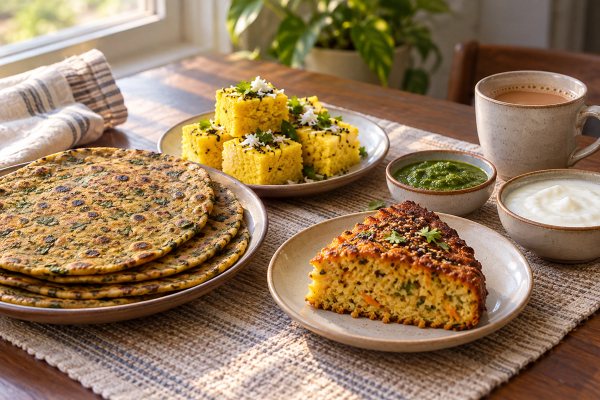
#Most people I know drive to Saputara, either from Surat, Nashik, Mumbai side, or Vadodara/Ahmedabad with breaks. The road gets prettier as you climb, but during rain it also gets curvy, slower, and a little moody. I’ve made the mistake of eating a huge oily breakfast before hill roads and then sitting in the back seat pretending I was totally okay. I was not. If you’re planning breakfast before the climb, keep it warm and simple: idli, upma, poha, toast-omelette if the place is clean, or fresh thepla with curd only if the curd is properly chilled. I wrote more about that exact pre-hill-road eating problem in Hill-Station Breakfast in Indian Monsoon, because honestly, breakfast can decide whether your first viewpoint is romantic or nauseating.
On our last monsoon trip, me and my cousin stopped at a roadside dhaba before Waghai. The place looked basic, but not dirty. Big difference. The dal was boiling, rotis were coming straight off the tawa, and the owner refused to serve onion salad because, his words, “baarish mein mat lo, garam khaao.” I wanted to hug him. That is the kind of food sense you want on wet-weather travel days. Hot, fresh, made in front of you. Not fancy. Just alive.
My monsoon road-stop rule, learned the hard way
#- If the food is steaming, moving fast, and cooked after you order, I relax a bit.
- If the chutney looks watery, the pakoras are cold, and flies are doing group activity, I walk away. Even if everyone says “arre famous hai.”
- If kids are travelling with you, check toilets and drinking water before ordering food. A clean kitchen with a horror-movie toilet is still a warning sign, sorry.
For family road trips, especially with children who will touch every railing, packet, chair, spoon, and then their own face, I’d seriously read Monsoon Dhaba Stops With Kids: Safe Food Guide. It sounds boring until you’re stuck in rain with a sick child and no pharmacy nearby. Then hygiene becomes the main attraction.
What Saputara tastes like when the clouds come down
#Saputara doesn’t have one loud “signature dish” in the way some cities do. It’s more like a crossroads plate. You get Gujarati comfort food, Maharashtrian touches because Nashik is not far, tribal Dang ingredients if you look beyond tourist menus, and the usual hill-station snack universe: tea, corn, maggi, pakoda, sandwiches, pav bhaji, Chinese bhel, all that. Some of it is lovely. Some of it is basically tourist hunger wearing cheese.
The meals I liked most were the simple ones. A thali with hot rotli, tuvar dal, shaak, rice, pickle, papad. Nagli, also called ragi in many places, shows up around the Dangs and Maharashtra belt, and when you find nagli roti or bhakri with a spicy chutney or vegetable, order it. It has that earthy, slightly nutty taste that feels right in rain. Jowar bhakri also pops up in some homes and small eateries on the broader route. I won’t pretend every restaurant in Saputara is serving deep local tribal cuisine, because that would be fake. Many are catering to tourists who want paneer butter masala and pizza. But if you ask politely, especially at smaller family-run places or local meal setups, you may find food that feels much closer to the land.
In the monsoon, the safest food in Saputara is usually not the most photogenic food. It’s the food that is hot, busy, boring-looking, and eaten by locals without drama.
Breakfast in Saputara: don’t overdo it before viewpoints
#Morning in Saputara is soft and damp. The lake looks sleepy. The hills get wrapped in fog. And every hotel dining room smells of toast, tea, and someone’s perfume. I like breakfast here, but I keep it practical because the day usually means walking around the lake, climbing up to viewpoints, maybe going towards Table Point or Sunset Point, and getting rained on at least twice.
My ideal Saputara monsoon breakfast is poha with peanuts, hot chai, and maybe a banana I bought from a stall that looked clean. If the hotel has fresh upma, even better. Idli is safe-ish when it’s hot and served with fresh sambar, but I’m careful with coconut chutney in wet weather unless I know it hasn’t been sitting since sunrise. Thepla travels well, but curd is a bit tricky. If it smells sharp or isn’t cold, skip. I know, I know, thepla without curd feels incomplete. But stomach peace is also a cuisine.
One morning near the lake, I had masala omelette and butter toast at a small place that had rainwater dripping from one corner of the shade. It didn’t look Instagram-perfect. The cook wiped the pan, cracked the eggs fresh, chopped onion and chilli on the spot, and served it so hot I burned my tongue because I have no patience. That breakfast beat our hotel buffet by miles. Maybe because it had weather in it. Food tastes better when your socks are damp, don’t ask me why.
Chai is not optional, but choose the stall properly
#You cannot do Saputara in monsoon without chai. I mean you can, but why would you behave like that? The best cups are usually from tiny stalls near the lake, market stretch, or on the way to viewpoints, where the tea is being boiled aggressively with ginger and the vendor has that calm confidence of someone who has made ten thousand cups in his life.
My chai test is simple. Is the milk actually boiling? Are cups clean, or are they being dunked in grey water and reused in two seconds? Is the vendor using safe water, or at least packaged water for drinking on the side? In India, official food safety advice from agencies like FSSAI often comes down to common-sense basics: clean water, clean hands, fresh cooked food, safe storage. On a rainy hill station day, those basics matter more than any food blogger recommendation. I’ve had brilliant chai from places that looked like tin boxes, and I’ve avoided polished-looking cafes where the counter smelled sour. Your nose knows. Mostly.
The snacks I’d happily eat with chai
#- Freshly fried bhajiya or pakora, but only if they come straight from hot oil and not from a sad pile under a newspaper.
- Roasted peanuts or chana, if dry and stored covered. Wet peanuts sitting open in mist are not my vibe.
- Plain khakhra or packaged biscuits for that “I need crunch but not adventure” moment.
- Hot vada pav from a busy stall, though I go easy on raw chutney in monsoon.
Bhutta by the lake: romantic, smoky, and slightly risky if you don’t look
#There is something about roasted corn in monsoon that makes otherwise sensible people emotional. The smoke, the lime, the chilli-salt, the way you hold it with both hands while rain taps on your shoulders. Saputara Lake and the market area often have snack stalls in season, and bhutta is one of those things I always want, even when I have just eaten lunch. No regrets. Well, sometimes mild regrets.
Pick a stall where the corn is roasted properly over live coals and served hot. Ask for less masala if the masala tin looks damp or clumpy. I usually ask them to rub lime lightly, or I skip lime if it’s cut and lying around in rain. This sounds fussy, but cut lime, wet masala, and dirty hands are exactly where monsoon snacks go wrong. If you’re as bhutta-obsessed as I am, this Bhutta in Indian Monsoon: Street Corn Safety Guide is actually useful, especially for choosing a stall without killing the fun.
My best bhutta in Saputara was after a foggy walk near the lake. The corn was slightly charred, the man added chilli like he was punishing me, and the first bite was smoky-sour-hot in that perfect rainy way. My lips were burning, my umbrella flipped inside out, and some kid nearby dropped his entire corn into a puddle and screamed like civilisation had ended. Peak hill station.
Lunch: thali, bhakri, dal, and please don’t chase novelty too hard
#By lunch, Saputara weather usually does one of two things. Either the rain pauses and everyone rushes out like the sky gave permission, or it gets heavier and you suddenly become deeply interested in dal-rice. I lean into comfort food at lunch. A Gujarati thali is the safest bet in many places because turnover is high and dishes are cooked in quantity. But you still want to eat where people are actually eating. Empty restaurant at peak lunch hour? Maybe there’s a reason. Maybe not. But my stomach is not an investigation committee.
Look for hot dal, fresh rice, rotli or phulka coming out regularly, and vegetables that haven’t been reheated into sadness. Undhiyu is more winter than monsoon, so don’t expect the real thing everywhere. You may see sev tameta, bateta nu shaak, dal fry, kadhi, paneer, and simple rice plates. If you find local-style bhakri with garlic chutney, try it. If someone offers a seasonal leafy vegetable and it’s cooked well, I’m in. Raw salads, though, I mostly avoid in monsoon unless I’m at a place I trust. Same with raita sitting in open bowls.
One afternoon we ate at a modest dining hall where the owner kept refilling dal without asking, that very Gujarati hospitality where your plate is apparently public property. The dal was sweet, tangy, and hot enough to fog my glasses. I liked it more than I expected. My friend wanted “something spicy-spicy,” ordered a Chinese dish, and then complained that it tasted like soy sauce had fought with ketchup. This is my gentle opinion: in Saputara, order the regional-ish simple food first. Save hakka noodles for emergencies.
Where to wander for food without making it a military mission
#The area around Saputara Lake is the easiest food zone for travellers. You’ll find snack stalls, tea, corn, quick bites, and hotels nearby. It’s good for grazing, but don’t assume every stall is equally safe just because it’s busy. Busy helps. Clean also helps. Both together, great. The town market stretch is where you can pick up fruit, packaged snacks, water bottles, and rainy-day backup food. Always check seals on water bottles. I’ve seen people ignore this and then act surprised when things go wrong. Don’t be that person.
Table Point and other viewpoint areas can have snack vendors depending on weather and season. Eat there for the mood, not for a full meal. Hot tea, roasted corn, maybe freshly fried snacks if the oil looks okay. But if rain is blowing sideways and the stall is struggling to keep things dry, I personally wait. Food safety is not just cleanliness, it’s also conditions. A clean vendor in terrible weather can still have food exposed to muddy splashes and wet hands.
If you head out toward Waghai, Gira Falls side, or explore the Dang villages and forested roads, carry snacks and water. Monsoon attractions can be seasonal and conditions change, so check locally before driving out. Food options outside the main hill station may be limited, and that’s not a bad thing if you plan. I keep roasted chana, a couple of bananas, ORS sachets, and a thermos if possible. Very aunty behaviour, I know. Also very useful.
The local flavours I wish more visitors asked about
#Dang has a strong tribal presence, and the food traditions of the region are tied to millets, forest produce, seasonal greens, pulses, and practical cooking. You may not find all of that on standard tourist menus, because tourism often flattens food into paneer, noodles, and “special thali.” But ask. Ask your homestay host, ask a local guide, ask the person serving breakfast where they eat at home. Sometimes you’ll get a blank look. Sometimes you’ll get a real recommendation.
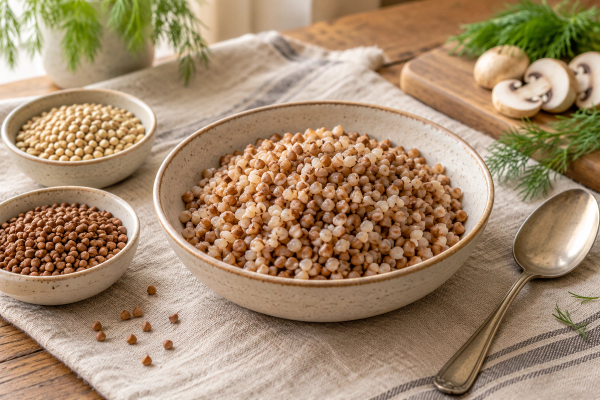
Nagli or ragi is the thing I always look for in this belt. Nagli roti with a hot vegetable or spicy chutney feels like the kind of food that has walked uphill before you. Filling, earthy, not showy. There are also simple dal-rice combinations, bhakri, local pickles, and seasonal vegetables. I once had a very plain meal near the Gujarat-Maharashtra border: bhakri, pithla-like gram flour curry, onion, chilli, and chaas. The chaas I took only because it was freshly made and chilled properly. That meal was not “restaurant food,” but I still remember it more clearly than a lot of expensive plates.
This is where food travel gets interesting for me. Not when every meal is spectacular. Sometimes it’s when the food explains the place quietly. Millets tell you about terrain and labour. Hot dal tells you about rain. A vendor refusing to sell old pakoras tells you he has pride. That stuff matters.
Monsoon food safety, but not in a boring lecture way
#Okay, quick practical section because I have suffered enough stomach disasters in my life to become this person. Monsoon travel in India is beautiful, but water and food hygiene become more complicated. Heavy rain can affect water supply, storage, drainage, and how food is kept at stalls. This doesn’t mean you should eat only packaged chips and cry in your hotel room. It just means choose better.
- Drink sealed bottled water, or properly filtered and boiled water if your stay provides it. Check the cap. Yes, actually check it.
- Eat hot food hot. If it should be hot and it’s lukewarm, I don’t care how famous it is, skip.
- Avoid cut fruit from open stalls in rain. Whole fruit you peel yourself is much safer.
- Be careful with chutneys, raita, mayonnaise sandwiches, and anything creamy that has been sitting out.
- Wash hands or use sanitizer before eating, especially after viewpoints, boating areas, railings, and shared jeeps.
- Don’t try ten new fried things in one evening and then blame Saputara. Sometimes the problem is our own overconfidence.
I break my own rules sometimes, because I am human and bhajiya exists. But I break one rule at a time, not all of them together. That’s my philosophy. If I’m eating fried street snacks, I’ll skip raw chutney. If I’m trying a local dairy drink, I won’t also eat cut fruit. If dinner is heavy, breakfast is calm. Balance, but messy balance.
Dinner in the rain: go early, eat warm, sleep happy
#Dinner in Saputara during monsoon can be surprisingly cozy. Rain outside, metal plates, steam rising from dal, families comparing wet shoes under tables. But don’t wait too late. Smaller places may wind down early, and in bad rain the best fresh food can finish. I like eating dinner early, around the time tourists are still deciding if they want another round of tea. That way food is moving, staff isn’t exhausted, and you’re not stuck ordering whatever is left.
My go-to dinner is simple: dal khichdi with ghee, kadhi-khichdi, hot rotis with a vegetable, or a basic thali. Khichdi in the hills is underrated. People act like it’s sick-person food, but on a cold rainy night it is basically a blanket you can eat. Add papad and pickle, done. If you’re staying at a hotel, ask what’s freshly made rather than ordering the most complicated item on the menu. A kitchen that makes excellent dal may make terrible sizzler. Let people cook what they cook well.
One rainy night our hotel had a buffet, and I was suspicious because buffets in damp weather can be dodgy if food isn’t kept hot. But this one had small batches coming out regularly. The kadhi was boiling, the rice was fresh, and the cook kept replacing the sabzi tray instead of letting it sit forever. I ate two bowls of kadhi-rice and felt like a well-fed buffalo. No shame.
Cafes, hotels, and the “tourist menu” trap
#Saputara has its share of hotel restaurants and casual cafes, and they’re useful, especially when rain is too heavy for wandering. You’ll see menus with everything from Gujarati thali to Punjabi, South Indian, Chinese, pizza, sandwiches, and milkshakes. I’m not against tourist menus. Sometimes you need comfort. Sometimes a child will only eat fries and you must respect the politics of survival. But I do think the safest and tastiest order is often the thing the kitchen sells most.
In a Gujarati-heavy restaurant, order thali, dal, rice, rotli, shaak. In a South Indian place, order idli, dosa, sambar if turnover is high. In a tea-snack place, order chai and fresh snacks, not pasta in white sauce. I know this sounds judgey. It is a little. But it comes from experience. The more ingredients that need cold storage, sauces, chopping, and reheating, the more careful you need to be in monsoon.
Also, please don’t judge only by decor. Some shiny places are careless, and some old places are spotless where it matters. Look at handwashing, food turnover, steam, smell, and how staff handle money and food. If the same person takes cash, wipes nose, grabs bread, and serves you without washing hands... well. Your call, but my call is no.
A loose one-day eating plan I’d actually follow
#If a friend asked me how to eat through one monsoon day in Saputara without being boring, I’d say start with hot poha or upma and chai. Walk around Saputara Lake while the morning is still gentle. Keep sipping water, because cool weather tricks you into drinking less. Mid-morning, have roasted corn if the stall looks good, or tea and a small snack. Lunch should be a thali or dal-rice meal somewhere busy and clean. Rest a bit during heavy rain, because honestly monsoon travel needs naps.
Evening, go for viewpoint chai. Sunset Point may or may not give you an actual sunset because clouds have their own attitude, but the snack mood is still nice. Have bhajiya only if freshly fried. Dinner early: khichdi-kadhi, rotli-shaak, or a simple hot meal. Skip adventurous dairy desserts from unknown places at night. If you want something sweet, choose a trusted restaurant’s hot gulab jamun or packaged sweet from a decent shop. Then sleep with rain sounds and that smug feeling of having eaten well without ruining tomorrow.
Little things I pack now, because I’ve become sensible against my will
#- ORS sachets. Not glamorous, but if you need one, you really need one.
- A small bottle of sanitizer and tissues, because stall napkins dissolve in rain like bad promises.
- A steel or insulated bottle filled from a trusted source before leaving the hotel.
- Dry snacks like khakhra, roasted chana, nuts, or biscuits for when the only available food looks questionable.
- Basic medicines recommended by my doctor. I don’t randomly pop antibiotics, and you shouldn’t either.
Also carry cash. Digital payments work in many places, but rain, network, and hill-station crowds can make things weird. I’ve watched a man try to pay for tea with UPI for seven minutes while all of us stood there losing warmth. Cash saved the day. Coins and small notes make you popular.
Final thoughts from a damp, overfed traveller
#Saputara in the monsoon is not polished luxury travel, and that’s exactly why I like it. It’s mist on your glasses, chai that’s too sweet, corn smoke in your hair, thalis that arrive faster than expected, and roads that make you grateful for simple food. Eat with curiosity, but not with blind faith. Ask questions. Watch the kitchen for two seconds. Choose hot food. Respect rain. And don’t let one dodgy plate ruin a beautiful hill-station trip.
Would I go back just to eat? Honestly, yes. Not because Saputara is some grand culinary capital, but because food tastes different when the hills are green and the clouds are low. A bowl of kadhi-rice becomes memory. A bhutta becomes a whole scene. A clean dhaba with hot rotis feels like a blessing. That’s travel food at its best, na? If you’re planning your own rainy escape and want more real-world food-travel rambles like this, wander over to AllBlogs.in sometime. I usually find something there that makes me hungry again.