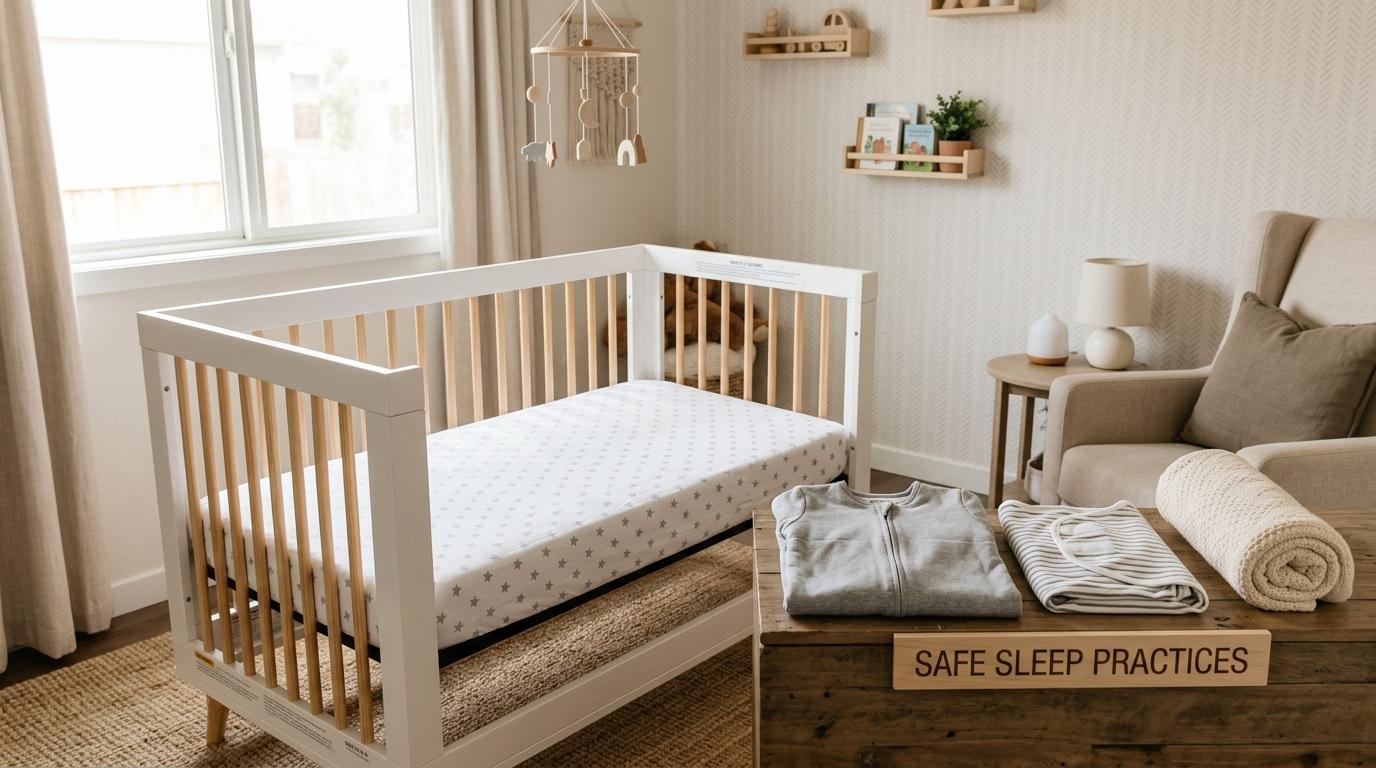
If you are standing in a baby store or scrolling online wondering whether you need a swaddle, a sleep sack, a wearable blanket, or just a normal baby blanket, you are not alone.
Baby sleep shopping can feel strangely complicated. Everything looks soft. Everything looks useful. And somehow, every product description makes it sound like your baby will sleep better if you buy that exact thing.
The simple version is this:
Buy a few swaddles for the early newborn stage if you plan to swaddle. Once your baby starts showing signs of rolling, move to a baby sleep sack or wearable blanket with arms free. Loose blankets should stay out of the crib, bassinet, and play yard during sleep.
That is the safest, most practical starting point for most families.
This guide breaks it down in plain language, including what to buy, when to switch, and how to think about baby sleepwear in real homes with heat, AC, humidity, laundry piles, power cuts, and well-meaning relatives who are very sure the baby needs one more blanket.
Quick Comparison: Swaddle vs Sleep Sack vs Blanket
#What Is a Swaddle Blanket?
#A swaddle blanket is a thin blanket or wrap used to snugly wrap a newborn. Many babies like swaddling because it can help calm the startle reflex, also called the Moro reflex. That is the little arm-flinging movement that can wake a newborn right when you thought they had finally drifted off.
There are two main types of swaddles:
- A traditional square swaddle blanket that you fold yourself
- A ready-made swaddle wrap with zippers, snaps, or hook-and-loop closures
A swaddle should feel snug around the upper body, but it should not be tight around the hips or legs. Your baby’s legs should still be able to bend up and out naturally. That room around the hips matters.
Also, read the product instructions. Yes, it is one more tiny manual in the middle of newborn chaos, but baby sleep products need to be used exactly as intended.
Swaddling is only for the early stage. Once your baby shows signs of trying to roll, it is time to stop swaddling and move to an arms-free option.
What Is a Baby Sleep Sack?
#A baby sleep sack is basically a wearable blanket. It usually has a neck opening, armholes or sleeves, and a zipped pouch for the baby’s legs. Your baby wears it over regular sleep clothes.
The biggest reason parents use sleep sacks is that they keep baby warm without adding loose bedding to the sleep space. The baby’s arms stay free, which is important once your baby starts rolling, pushing up, or moving around more.
When buying one, pay close attention to size. A sleep sack should not be able to ride up over the baby’s face. The neck and armholes should fit as the product instructions describe.
Think of a sleep sack as the next step after swaddling.
What Is a Wearable Blanket?
#A wearable blanket is the same general idea as a sleep sack. Some brands call it a sleep sack. Some call it a wearable blanket. The purpose is the same: baby wears the blanket instead of sleeping with a loose one.
So if you are comparing sleep sack vs swaddle, the easiest way to think about it is:
Swaddle first, only if baby is not showing signs of rolling. Then switch to a wearable blanket or sleep sack with arms free.
What Is a Loose Blanket?
#A loose blanket is any blanket, quilt, comforter, shawl, throw, or sheet that is not worn by the baby.
Loose blankets can be useful during awake, supervised time. You might use one for tummy time, a pram outing, or while holding your baby. But loose blankets should not be placed in a baby’s sleep space.
That means no loose blankets in the:
- Crib
- Bassinet
- Play yard
Even if the blanket is tucked in, it is still loose bedding. Safe sleep guidance recommends keeping the sleep space clear.
Safety Rules to Know Before You Buy
#Before adding anything to your cart, keep these safety basics in mind.
1. Always place baby on their back for sleep
#The AAP and CDC advise placing babies on their back for sleep. Use a firm, flat sleep surface made for infant sleep.
This applies whether your baby is wearing a swaddle, a sleep sack, or regular newborn sleepwear.
2. Keep the sleep space clear
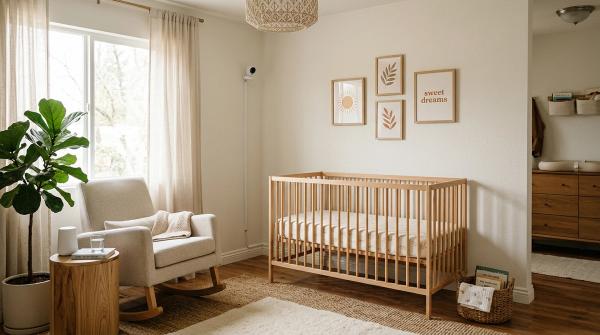
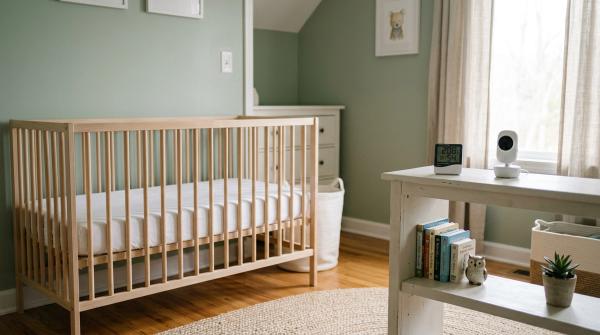
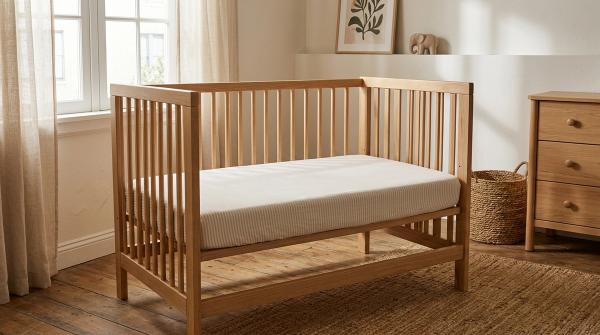
#A baby’s sleep space should be firm, flat, and clear.
That means:
- No loose blankets
- No pillows
- No stuffed toys
- No quilts
- No soft bumpers
- No extra soft items around the baby
A clear crib can look a little bare, especially compared with cute nursery photos online. But for infant sleep, bare is safer.
3. Stop swaddling when rolling signs begin
#Do not wait for your baby to fully roll over before you stop swaddling. Stop when your baby starts showing signs of trying to roll.
Watch for signs like:
- Twisting to one side
- Lifting one shoulder and hip
- Rotating in the sleep space
- Trying to turn over
- Pushing up more strongly
This can happen earlier than you expect. Go by what your baby is doing, not only by age.
Once these signs appear, switch to an arms-free sleep sack or wearable blanket.
4. Avoid weighted infant sleep products
#Avoid weighted swaddles, weighted sleep sacks, and weighted wearable blankets. AAP and CPSC guidance warns against weighted infant sleep products.
For everyday use, keep it simple. Choose standard, unweighted baby sleepwear and follow the product instructions.
5. Check the fit often
#Babies grow quickly, sometimes right after you have bought something new, because of course they do.
A swaddle that is too loose can come undone. A sleep sack that is too large may not fit safely around the neck and armholes. A product that is too small can restrict movement or feel uncomfortable.
Use the brand’s size chart. Do not rely only on age. Weight and length matter more.
6. Ask your pediatrician if you are unsure
#This guide can help with shopping decisions, but it is not medical advice. If you are worried about overheating, breathing, illness, feeding, development, or anything that feels off, speak with your pediatrician.
What to Buy by Age and Stage
#Newborn stage: start with a few swaddles
#For the early newborn days, 2 to 3 swaddles are usually enough to start.
Try not to buy too many before your baby arrives. Some babies love being swaddled. Some babies act like you have deeply offended them. You may not know which type of baby you have until they are here.
Look for swaddles with:
- Soft, breathable fabric
- Room around the hips and legs
- A size that matches your baby’s weight and length
- Secure closures that do not scratch
- Easy washing instructions
- Clear safety directions
If folding a traditional swaddle feels like too much at 3 a.m., a ready-made swaddle wrap can be easier. Just make sure you use it exactly as instructed.
And remember: swaddling is not a long-term sleep solution. It is a short newborn-stage tool.
Rolling stage: move to a sleep sack
#Once your baby shows signs of rolling, stop using the swaddle and move to a baby sleep sack or wearable blanket with arms free.
Most families do well with 2 to 3 sleep sacks in the current size:
- One to wear
- One in the wash
- One spare for spit-up, leaks, or surprise midnight disasters
The sleep sack should allow your baby to kick and move their legs comfortably. It should not be tight at the hips. The neckline should not be wide enough to slip upward.
Older babies: keep using wearable blankets if they help
#Many parents continue using wearable blankets through infancy because they make bedtime easier. They are also handy for travel or visits to family because the baby’s sleepwear stays familiar even when the room changes.
Just keep checking the fit. If the sleep sack is too small, too tight, or sitting badly around the neck or arms, it is time to size up or replace it.
Choosing Baby Sleepwear for Indian Homes
#A lot of baby sleep advice assumes one perfect nursery temperature all night. Real life is rarely that neat.
In many Indian homes, the temperature changes constantly. The AC may be on at bedtime and too cold by morning. The ceiling fan may feel fine one night and not enough the next. Monsoon humidity can make everything feel damp. And if there is a power cut, the whole plan changes.
So instead of looking for one perfect product, think in simple layers.
For hot weather
#In warm rooms, choose lightweight, breathable fabrics. A thin cotton swaddle or lightweight sleep sack may be enough over a diaper or a very light cotton layer, depending on the room.
Do not judge your baby’s temperature only by their hands or feet. Baby hands and feet often feel cooler than the rest of the body. Check the chest or back of the neck instead.
Your baby should feel warm, not sweaty or clammy.
For air-conditioned rooms
#In AC rooms, the temperature can drop by early morning. Your baby may need a cotton onesie, sleepsuit, or footed sleepwear under a sleep sack, depending on how cool the room gets.
Try not to add a loose blanket just because the room feels chilly. Use safe clothing layers and a wearable blanket instead.
For monsoon humidity
#During monsoon, the room may feel sticky even when it is not very hot. Heavy fabrics can feel uncomfortable and take a long time to dry.
Look for breathable, quick-drying options. It also helps to keep a small laundry rotation so you always have a clean, dry swaddle or sleep sack ready.
If something feels damp, musty, or too warm, do not use it for sleep. Choose a clean, dry option that fits properly.
For winter or family visits
#This is where things can get tricky. Family members often want to keep the baby extra warm with a shawl, quilt, or blanket. They usually mean well, but loose bedding still does not belong in the baby’s sleep space.
You can keep the explanation simple:
“We’re keeping the crib clear for sleep. Baby is wearing a sleep sack instead of using a loose blanket.”
If the room is genuinely cold, add safe clothing layers under the wearable blanket rather than placing a loose blanket in the crib.
What to Buy Without Overbuying
#You do not need a huge stack of baby sleep products before your baby is born. A small starter set is usually enough.
For most new parents, a practical list is:
- 2 to 3 newborn swaddles, if you plan to swaddle
- 2 to 3 baby sleep sacks or wearable blankets for the next stage
- 1 to 2 soft blankets for awake, supervised use only
When shopping, check for:
- Correct size for your baby’s weight and length
- Roomy hip and leg area
- Breathable fabric for your climate
- Secure closures
- No scratchy seams or fasteners near the chin or neck
- Easy washing instructions
- Unweighted design
- Clear product manual and safety instructions
Avoid buying too many newborn-size items in advance. Babies grow fast, and some babies prefer arms-free sleep from the beginning.
When Can You Use a Loose Blanket?
#Loose blankets are not useless. They are just not for infant sleep spaces.
You can use a loose blanket for:
- Supervised tummy time
- Awake floor play
- A clean surface while visiting someone’s home
- A supervised pram outing
- A quick layer while holding the baby awake
- Diaper changes while traveling
Before your baby sleeps, remove the blanket from the crib, bassinet, or play yard.
Bottom Line
#For most new parents, the easiest plan is this: buy a few swaddles for the early newborn stage, then switch to a baby sleep sack or wearable blanket once your baby shows signs of rolling.
Keep loose blankets out of the crib, bassinet, and play yard during sleep.
Choose breathable, unweighted products. Follow the manual. Place your baby on their back on a firm, flat sleep surface with no pillows, toys, soft objects, or loose bedding.
That is the heart of the sleep sack vs swaddle vs blanket decision. Keep the sleep space clear, dress your baby in practical layers, and do not overbuy before you know what your baby actually likes.