If you’re trying to decide between a smart water leak sensor and a basic water alarm, here’s the simplest way to look at it:
Buy a smart water leak sensor first if you want to know about a leak even when you’re not home, not nearby, or fast asleep.
Buy a basic water alarm first if you just want something cheap and loud that makes noise when water touches it.
That’s really the difference.
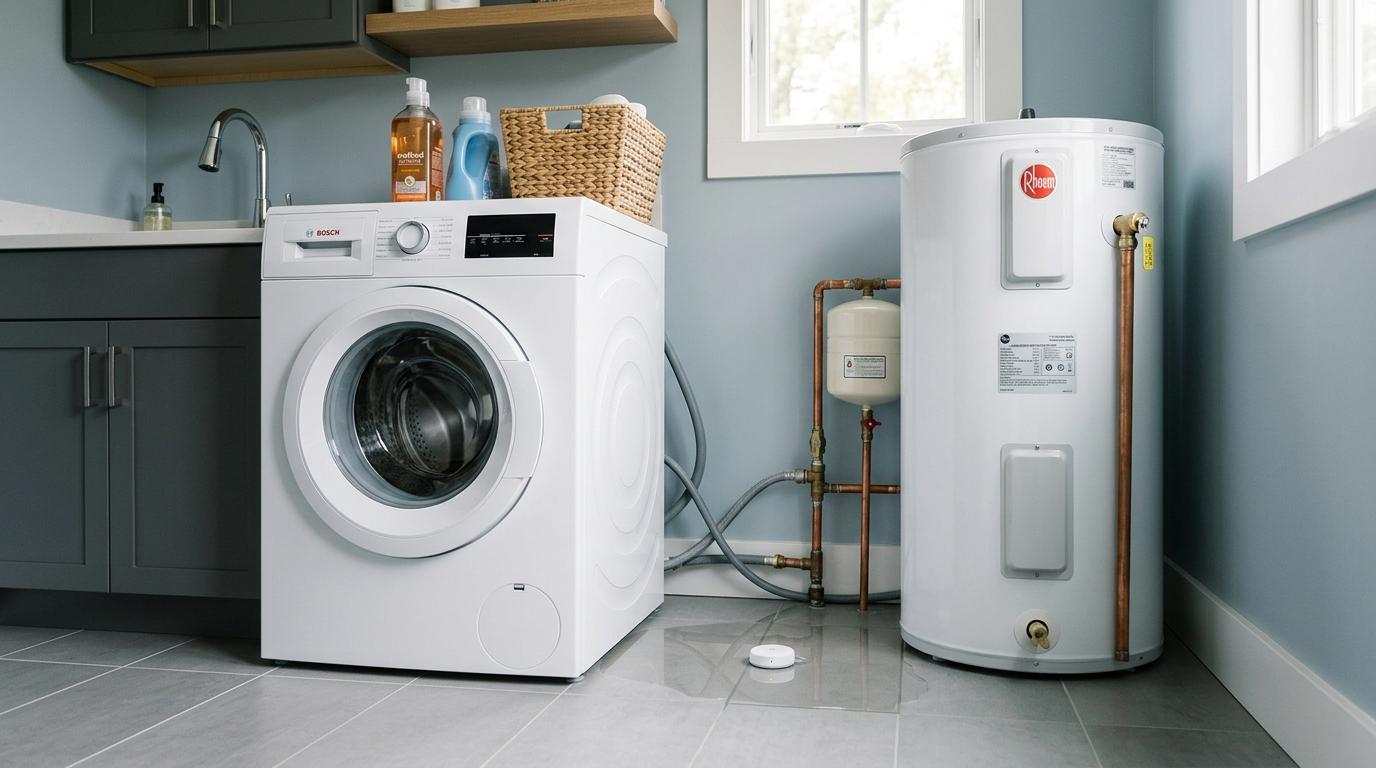
For most people, a smart water leak sensor is the better first buy. Not because basic water alarms are useless. They’re actually great for the price. But leaks have a bad habit of starting in places you don’t look at every day: under sinks, behind washing machines, near water heaters, under fridges, in basements, and inside cabinets.
And by the time you notice the smell, the swollen wood, or the soft flooring, the leak has usually been there for a while.
Short Answer
#Choose a basic water alarm if:You want a simple battery-powered device that screams when it touches water. It’s a good choice for renters, small apartments, laundry areas, under sinks, or anywhere someone is usually close enough to hear it.
Choose a smart water leak sensor if:You want phone alerts when water is detected. Many smart sensors also have a built-in siren, which gives you both local and remote warning. These are better for hidden spots, empty homes during the day, basements, water heaters, fridge water lines, and laundry rooms.
Choose a smart shutoff system if:You own your home and want a system that can monitor water flow and shut off the main water supply. This is a bigger upgrade than a small floor sensor and may need professional installation.
Water leaks usually don’t start with a dramatic burst pipe. More often, it’s a slow drip under the kitchen sink. A washing machine hose starts to fail. A fridge water line seeps quietly. A water heater begins leaking at the base. Rainwater creeps into a basement corner during monsoon season.
Nothing looks urgent at first.
Then one day the cabinet is swollen, the flooring is lifting, or the room smells damp.
That’s why leak detection is one of those boring home upgrades that suddenly feels very smart when it saves you from a mess.
The hard part is knowing what kind of device to buy first. A basic water alarm, a smart water leak sensor, and a smart shutoff system all help with water problems, but they do different jobs.
Let’s break it down.
Basic Water Alarm vs Smart Water Leak Sensor: The Real Difference
#A basic water alarm is the simple version. You place it on the floor, inside a cabinet, beside an appliance, or near a drain. When water touches the metal contacts or sensor probes, it makes a loud alarm sound.
That’s it.
No app. No Wi-Fi. No setup drama.
And that can be a good thing.
The downside is obvious: someone has to hear it.
A smart water leak sensor also detects water, but it can send an alert to your phone. Many models also have a local alarm built in, so you get a siren in the house and a notification when you’re away.
That makes a big difference if the leak happens while you’re at work, traveling, sleeping upstairs, or nowhere near the basement.
A smart shutoff system is a bigger step. Instead of just detecting water on the floor, it connects to your plumbing and can shut off the water supply if it detects a serious leak or unusual water flow. These systems can be very useful, but they’re usually better suited for homeowners than renters.
Comparison: Which One Fits Your Home?
#Basic Water Alarm
#A basic water alarm is best when you want cheap, simple protection in one specific spot.
It works well:
- Under a sink
- Beside a washing machine
- Near a water heater
- By a sump pump
- Close to a floor drain
- Near a toilet base
There’s no app to install, no account to create, and no Wi-Fi signal to worry about. You place it, test it, and replace the battery when needed.
The catch is that it only helps if someone hears it.
If you’re at work all day, away for the weekend, or sleeping two floors above it, the alarm might go off for hours before anyone notices. So it’s useful, but it’s local protection. It does not give you remote warning.
Smart Water Leak Sensor
#A smart water leak sensor makes more sense when a leak might happen while nobody is nearby.
It can send a phone alert if water appears under the sink, behind the washing machine, around the water heater, near the sump pump, or in a basement corner.
That’s useful for:
- People who work long hours
- Frequent travelers
- Families who are out most of the day
- Renters who want early warning
- Homeowners with basements or utility rooms
- Anyone with leak-prone appliances or plumbing
The tradeoff is setup.
You’ll need to check whether the sensor connects directly to Wi-Fi or needs a hub. You’ll also want to think about battery life, app alerts, smart home compatibility, and whether the sensor has a built-in siren.
One important thing: if the sensor depends on Wi-Fi, remote alerts may not work during a power cut if your router is off. A battery-powered sensor with a built-in siren may still sound inside the home, but phone alerts need your network to be working.
Smart Shutoff System
#A smart shutoff system is more than a small sensor you place on the floor.
It’s designed to help stop the water, not just tell you there’s water. When installed and configured properly, it can detect unusual water flow and shut off the main supply.
That can be a big deal if a pipe bursts while you’re away or a major leak starts when nobody can get home quickly.
But it’s not the right first purchase for everyone.
Renters may not be allowed to install one. Apartment residents may not have access to the main water line. Homeowners may need a plumber. And the cost is usually much higher than a basic alarm or standalone smart sensor.
If you’re just starting out, a water alarm or smart leak sensor is the easier first step.
Who Should Buy a Smart Water Leak Sensor?
#You should probably buy a smart water leak sensor first if:
- You’re away from home for long workdays.
- You travel often.
- Your home sits empty for hours at a time.
- You have a basement, laundry room, utility room, or low-traffic bathroom.
- You want phone alerts for leaks.
- You want low-battery notifications.
- You have a washing machine, water heater, sink, sump pump, or fridge water line.
- You’re preparing for monsoon season or heavy rain.
- You can’t rely on someone hearing a local alarm.
A smart sensor is the better choice when the leak is likely to happen somewhere quiet, hidden, or easy to ignore.
Who Should Buy a Basic Water Alarm?
#A basic water alarm is a good first buy if:
- You’re on a tight budget.
- You’re usually home.
- You live in a small apartment.
- You don’t want another app or connected device.
- The leak-prone area has weak Wi-Fi.
- You want a simple backup near one problem spot.
- You’re placing it somewhere easy to hear.
Basic water alarms are not outdated. They’re just simple.
And sometimes simple is exactly what you want.
If you have one obvious trouble spot, like a sink that has leaked before or a washing machine in a hallway closet, a basic alarm may be enough to give you peace of mind.
Who Should Avoid Smart Water Leak Sensors?
#A smart water leak sensor may not be the best choice if:
- You don’t want to use an app.
- Your Wi-Fi is unreliable where the sensor needs to go.
- Your home has frequent power or internet outages.
- You know you won’t test the sensor.
- You tend to ignore battery alerts.
- You need automatic water shutoff, not just alerts.
That last point is important.
Most smart water leak sensors only warn you. They do not stop the leak by themselves. If you want the water supply to shut off automatically, you’ll need a compatible smart shutoff valve or whole-home water monitoring system.
What to Check Before Buying
#1. Where You’ll Place It
#Don’t buy a leak sensor and then figure out the location later.
Start with the risk area.
Good places include:
- Under kitchen sinks
- Under bathroom sinks
- Behind or beside washing machines
- Near water heaters
- Around sump pumps
- Behind refrigerators with water lines
- Near toilet bases
- In basement corners
- Near floor drains
- Inside cabinets with plumbing
Placement matters more than people think. A sensor only helps if water reaches it early.
For example, if your sink’s P-trap leaks, the sensor should be under that pipe, not on the other side of the cabinet. If your washing machine hose fails, the sensor should be near the hose connections or where water would run first.
2. Local Alarm and Phone Alerts
#For smart water leak sensors, it’s best to get one with both phone alerts and a built-in audible alarm if possible.
Phone alerts help when you’re away.
A local siren helps when someone is home, when your phone is on silent, or when the internet is down.
For basic water alarms, check the alarm volume. Some are loud enough for a small apartment but may not be easy to hear from a basement, garage, or closed utility room.
3. Wi-Fi or Hub Requirements
#Some smart leak sensors connect directly to Wi-Fi. Others need a hub, bridge, or smart home system.
Before buying, check:
- Does it need a hub?
- Does it work with your phone?
- Does it support your smart home system?
- Will it work in the location where you need it?
- Is the app easy to use?
- Are alerts free, or is there a subscription?
Also, test the Wi-Fi signal in the exact spot where the sensor will sit. Under-sink cabinets, basements, utility rooms, and laundry closets can all have weak signals.
4. Battery Type and Battery Alerts
#Most water leak sensors are battery-powered, which is convenient because you can place them almost anywhere.
But not all batteries are equally easy to replace.
Standard batteries are usually easier to find than small coin cells or specialty batteries. For smart sensors, low-battery phone alerts are very helpful. For basic alarms, look for a clear low-battery chirp or warning light.
And don’t just install it and forget about it forever.
A dead leak sensor is basically just a piece of plastic sitting on the floor.
5. Sensor Design
#Some leak sensors only detect water directly underneath the device. Others use a cable, probe, or extension sensor that can cover a wider area.
Cable-style sensors can be useful:
- Along a wall
- Around a water heater
- Behind a washing machine
- Near a sump pump
- Under a long cabinet
- Around appliances where water may spread unevenly
If water might not land directly under the device, a sensor cable can make a lot of sense.
6. Whether You Need Shutoff, Not Just Alerts
#If your biggest worry is a major leak while nobody is home, alerts may not be enough.
A phone notification is helpful, but someone still has to act. You may need to call a neighbor, rush home, contact maintenance, or shut off the water yourself.
If you want the system to shut off the water automatically, look into a smart shutoff system. Just remember that this is a different category from a basic water alarm or standalone smart leak sensor.
Mistakes to Avoid
#Placing the Sensor in the Wrong Spot
#Don’t put the sensor in the middle of the room and hope the water finds it.
Place it where water is likely to appear first:
- Under the sink drain
- Near washing machine hoses
- At the base of a water heater
- Beside a sump pump
- Behind a fridge with a water line
- At the lowest point of a basement corner
- Near a toilet base
A few inches can make a difference.
Assuming Smart Means Automatic Shutoff
#A smart water leak sensor usually sends alerts. That’s the main job.
It does not automatically shut off your water unless it’s connected to a compatible shutoff valve or part of a larger water monitoring system.
So if you want automatic shutoff, make sure you’re buying the right type of product.
Ignoring Weak Wi-Fi
#Basements, cabinets, utility rooms, and garages can be Wi-Fi dead zones.
If your smart sensor can’t stay connected, it may not send alerts when you need them. Test the signal before you trust the device.
Forgetting Battery Maintenance
#Leak sensors are easy to forget about, which is both good and bad.
Good because they don’t need much attention.
Bad because a dead battery means no protection.
Test the sensor occasionally and replace the batteries when it warns you.
Buying Only One Sensor for the Whole Home
#One sensor can’t protect every leak-prone area.
If you’re starting with one, place it where a leak would cause the most damage or where water is least likely to be noticed.
Good first locations include:
- Water heater
- Washing machine
- Kitchen sink
- Basement
- Fridge water line
- Sump pump area
Then add more over time if needed.
Final Takeaway
#If you can only buy one device first, choose a smart water leak sensor if you want alerts when you’re away, asleep, or not close to the problem area.
Choose a basic water alarm if you want the cheapest, simplest protection and someone is usually nearby to hear it.
For many homes, the best setup is a mix: smart sensors in hidden or high-risk areas, and basic alarms in places where a loud local warning is enough.
Start with the spot where a leak would cause the most damage. Under the kitchen sink, near the washing machine, beside the water heater, or around the sump pump are usually good first choices.
You don’t need to protect the entire home in one day. Start with the riskiest area, then build from there.