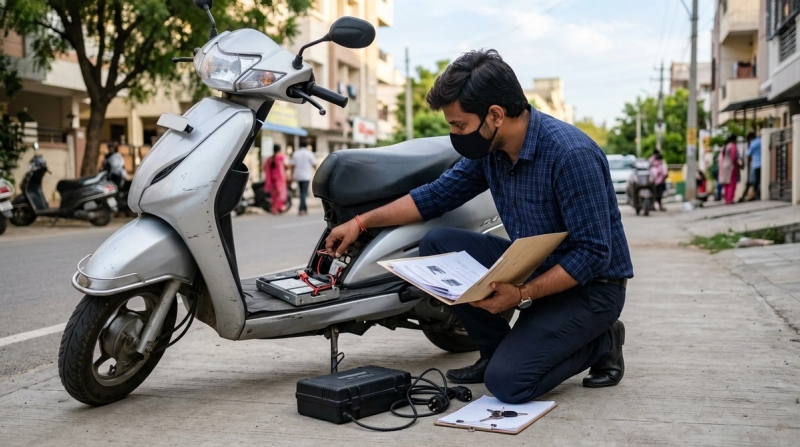
If you are inspecting a used electric scooter in India, check the battery, warranty, original charger, RC transfer, insurance and service history before paying any token money. A clean-looking scooter can still have a weak battery, modified charger, unclear ownership or expired warranty.
A second-hand electric scooter can be a smart city commute buy in 2026, especially if you want lower running costs without paying full showroom price. But buying a used EV is not the same as buying a used petrol scooter. The most expensive risk is usually the battery, followed by the charger, software, warranty, insurance and paperwork.
Quick checklist before you pay
#Before you transfer money, confirm:
- Battery drains steadily during a real test ride.
- No swelling, overheating, sparking, shutdowns or repeated charging errors.
- Warranty status is verified through the brand, app or authorized service centre.
- Charger is original, undamaged and manufacturer-approved.
- RC name matches the seller and Vahan details are clean.
- Loan hypothecation, if any, has a valid NOC.
- Insurance is active and EV add-ons are understood.
- The scooter is not accident-damaged, flood-damaged or locally modified.
If the seller avoids documents, refuses a service-centre inspection or pushes you to pay fast, walk away.
1. Start with seller, invoice and ownership proof
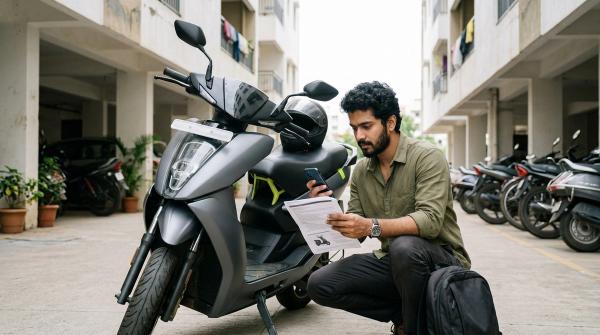
#Ask for the original purchase invoice, RC, seller ID proof, insurance policy, service records, warranty details, loan closure proof if financed, both keys and the original charger.
Match the seller’s name with the RC. If someone else is selling on the owner’s behalf, ask for written authorization and proper ID proof. Be cautious with casual explanations like “owner is my cousin” or “transfer ho jayega.”
Also match the registration number, chassis or VIN, motor number if mentioned, invoice details and insurance details. Bad paperwork can turn a good scooter into a legal and financial headache.
2. Check Vahan or Parivahan records
#Use the official Parivahan/Vahan portal to verify the vehicle record before paying. Check owner name, registration details, registration validity, vehicle class, pending challans where available and hypothecation status.
For transfer of ownership, Form 29 and Form 30 are commonly used. The exact online/offline process can vary by state and RTO, so verify the current process through official Parivahan/RTO channels.
If hypothecation is still active, do not rely on “loan is almost closed.” Ask for a valid bank NOC before final payment.
3. Inspect used EV scooter battery health
#Battery health is the most important technical check. Do not open the battery pack yourself. Do not let a local mechanic open it casually. Lithium-ion packs need trained handling and brand-approved procedures.
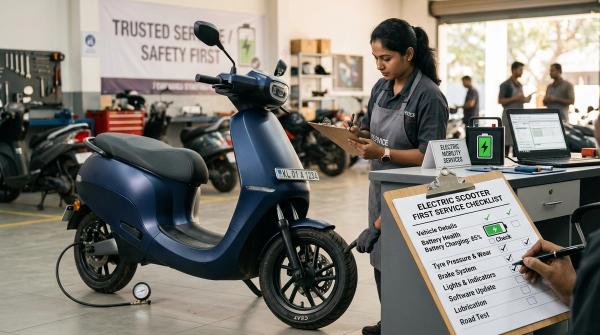
Ask for a battery diagnostic report from an authorized service centre if possible. Depending on the brand and model, the centre may be able to check battery State of Health, error codes, charging history, BMS-related information, service complaints and warranty claims.
During inspection, ask the seller to fully charge the scooter before you arrive. Take a safe test ride and watch how the battery percentage drops. Gradual drop is normal. Sudden large drops, shutdowns, weak performance at mid battery levels or warning lights need service-centre verification.
Walk away or pause the deal if you see swelling, bulging near the battery area, battery warning lights, temperature warnings, repeated cut-offs, charging errors, signs of local battery repair or refusal to allow inspection.
4. Verify battery and vehicle warranty
#Do not trust verbal warranty claims. Warranty terms vary by brand, model, purchase date, battery pack, odometer limit and policy. Ola, Ather, TVS and other EV brands may have different warranty conditions, and some warranties transfer only if specific conditions are met.
Check the original purchase date, model and variant, battery warranty, vehicle warranty, kilometre limits, transfer conditions, scheduled service history and whether any battery claim was already made.
Warranty may be affected by unauthorized repairs, non-OEM chargers, cut wiring, water damage, battery opening, aftermarket electrical accessories or accident repairs outside the authorized network.
5. Check the charger properly
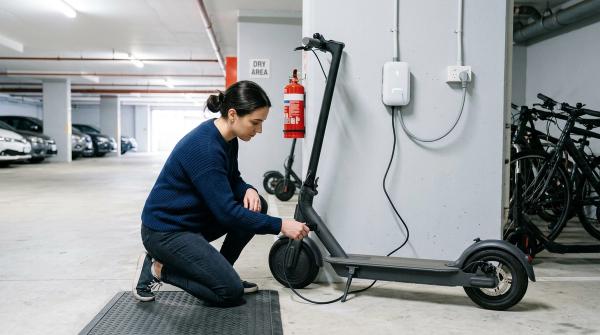
#The charger is not just an accessory; it is part of the EV system. Ask for the original OEM or manufacturer-approved charger.
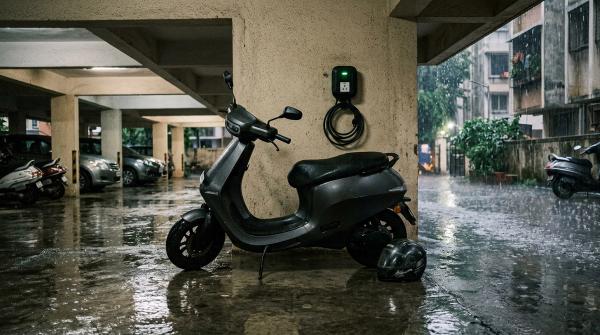
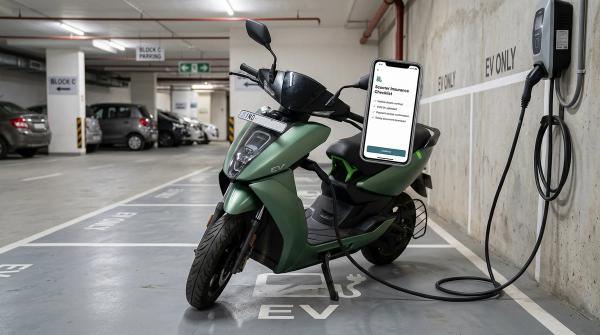
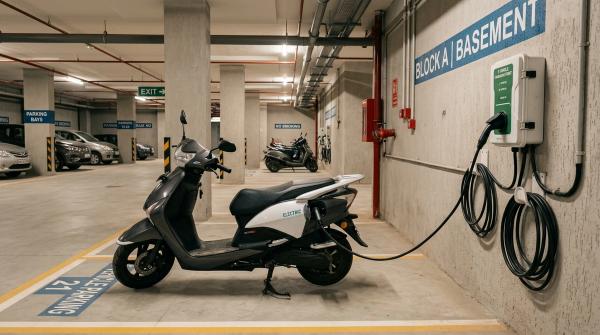
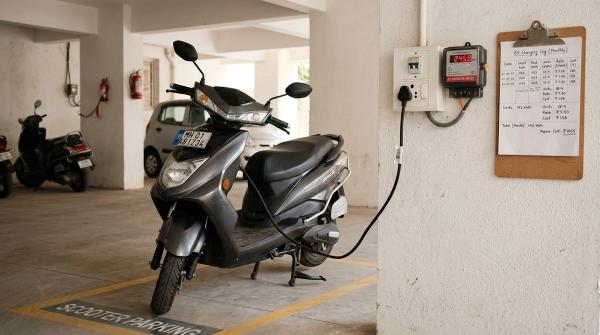
Check brand marking, output rating label, cable condition, plug condition, connector pins, charging port, black marks, melted plastic, burning smell and loose connections. Plug the scooter in and confirm charging starts normally without repeated errors, overheating or sparking.
Avoid damaged, taped, modified or unknown third-party chargers. If the charger or port shows burn marks, get the scooter inspected before buying.
6. Check software, display and app access
#Modern electric scooters depend heavily on software. Check the display, battery percentage, odometer, ride modes, reverse mode, Bluetooth or app pairing, navigation if available, warning messages, firmware alerts and keyless functions.
If the scooter uses an app, the previous owner should remove the vehicle from their account before handover. Otherwise, you may not be able to pair it with your own phone. Also ask whether connected features need a paid subscription.
7. Take a proper test ride
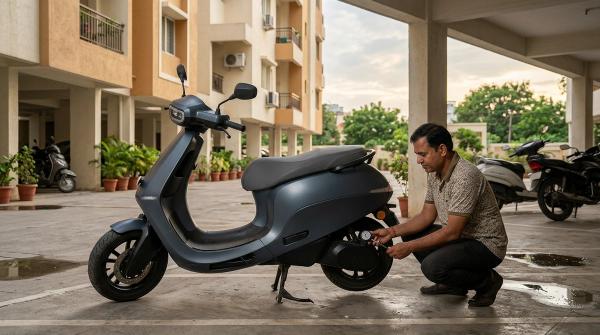
#Do not decide after riding 200 metres. Wear a helmet and test the scooter safely in daylight. Check smooth acceleration, braking response, steering alignment, suspension noise, motor sound, throttle response, ride mode switching, vibration, wobble and battery movement.
Electric scooters are usually smooth and quiet. Grinding, clicking, scraping, jerky power delivery or sudden power loss should be investigated.
8. Inspect tyres, brakes, suspension and frame
#EV scooters still need normal mechanical checks. Inspect tyre tread, sidewall cracks, uneven wear and puncture repairs. Check brake bite, brake lever travel, squeaks, disc condition and regenerative braking behaviour if available.
Look at front fork alignment, rear suspension noise, handlebar straightness, panel gaps, scratches under the floorboard, cracked panels, rust and accident repair signs. Cosmetic scratches may be negotiable. Frame or battery-area damage is serious.
9. Look for water and accident damage
#Water damage is especially risky in EVs because batteries, controllers, connectors and wiring can be affected. Check for rust near connectors, mud in hidden areas, fogging inside lights or display, charging problems, cracked floorboard, uneven panels and fresh paint on only one area.
Ask directly whether the scooter was flooded, submerged, parked in water, crashed or electrically repaired. If answers are vague, ask for service records.
10. Read the insurance policy
#Insurance is not just a formality. Check policy validity, IDV, third-party cover, own-damage cover, past claims, ownership transfer process, EV battery cover, charger cover, motor protection, exclusions and deductibles.
Do not assume the EV battery is covered just because the scooter is insured. Battery, charger and motor coverage depends on the insurer, policy type and add-ons.
Buy, negotiate or walk away
#Safe buying process
#Shortlist the scooter, check documents before visiting, inspect it in daylight, test the charger, take a proper test ride, visit an authorized service centre, finalize price based on findings, complete RC transfer correctly, update insurance and keep written proof of payment and handover.
A clean used EV should have a healthy battery, original charger, clear warranty status, clean Vahan record, valid insurance and proper transfer documents. If these are missing, the lowest price is not worth it.
Safety warnings
#Never open the battery pack, modify the charger, repair charging cables with tape, bypass the BMS, cut high-current wiring or keep riding with battery warnings. If there is swelling, smoke, burning smell, sparking, overheating, crash damage or repeated shut-offs, stop using the scooter and contact an authorized service centre. For immediate fire or injury risk, seek local emergency help.
Final advice
#Buy the cleanest used electric scooter you can verify, not the cheapest one you can find. Battery health, charger safety and ownership paperwork matter more than shiny panels or a tempting listing price.
Warranty terms, RTO processes and insurance coverage vary by manufacturer, model, purchase date, state and insurer. Always verify current details through official brand channels, the MoRTH Parivahan/Vahan portal, your local RTO and your insurance provider before making payment.