The monsoon hill-station trip that looked cheap on WhatsApp, but wasn’t
#A 2-day hill station trip in monsoon always starts with one dangerous sentence: “Arre yaar, budget mein ho jayega.” I have said it. My friends have said it. And then somehow the same “cheap” weekend becomes ₹6,000-₹9,000 per person with wet shoes, one cancelled viewpoint, extra taxi charges, and a hotel room that smells like damp towel. Not always, of course. Sometimes it goes beautifully. Misty roads, hot chai, bhutta, waterfalls doing full drama, that soft green colour everywhere. But monsoon also has this talent of quietly eating your budget, one small mistake at a time.
This post is not about one fixed hill station only. It is about the common budget mistakes I’ve seen across places like Lonavala, Matheran, Mahabaleshwar, Coorg, Wayanad, Chikmagalur, Munnar side, Ooty, Kodaikanal, Mussoorie, Nainital, even smaller weekend places like Horsley Hills and Yercaud. Different states, different vibe, same monsoon problems. Rain delays, surge pricing, landslide diversions, expensive last-minute rooms, and that one friend who says “cash ka kya zaroorat hai bro, UPI hai na” and then network disappears at the exact parking counter.
Mistake 1: Planning a 2-day trip like roads will behave normally
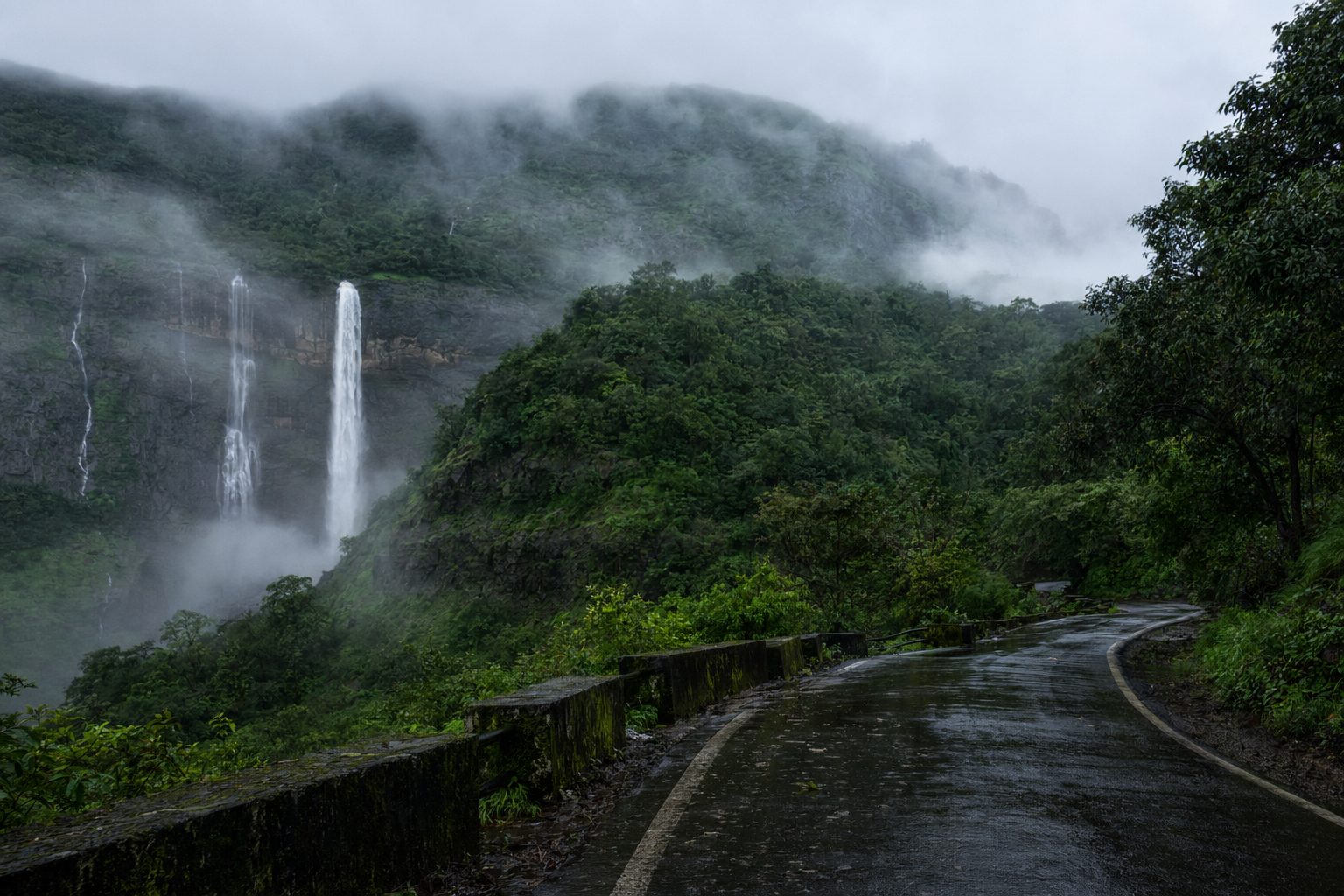
#This is probably the biggest budget killer. People check Google Maps on Thursday night, see 4 hours 20 minutes, and plan like they’ll reach before lunch. In monsoon, hill roads don’t follow your spreadsheet. Fog, slow trucks, waterlogging, police diversions, landslide clearing, fallen branches, ghat traffic, and random “photo stop” traffic near waterfalls can easily add 2-4 hours. I’ve had a so-called short drive stretch so long that we reached after the hotel kitchen closed, then paid extra for a taxi to the market, then paid tourist-rate for average Maggi. Budget gone, mood also half gone.
For a 2-day hill station weekend, don’t fill both days like a travel reel itinerary. Keep the first day only for reaching, eating, maybe one nearby sunset point if weather is kind. Day two can have one main attraction and one backup indoor or easy spot. If you’re travelling from Hyderabad side and want a realistic example of how route timing and rain planning actually matter, this Horsley Hills from Hyderabad in Monsoon: A Practical 2-Day Weekend Guide is the kind of planning mindset I wish more of us used before just booking and praying.
Mistake 2: Not checking rain alerts properly, only looking at the cloud emoji
#Honestly, weather apps have fooled me so many times. One tiny rain icon can mean light drizzle, or it can mean “boss, don’t go near that waterfall today.” Before a monsoon hill trip, check hourly rain, not just daily forecast. Check district-level warnings if possible, because hill stations often come under different local conditions than the main city nearby. Orange or red alerts should not be treated like adventure content. Roads can close, treks can be stopped, boating can shut, and waterfalls can become risky very fast.
A small habit that saves money: check the forecast before paying non-refundable hotel advance or private cab advance. If you see heavy rain warnings, call the hotel and ask about road access, parking, power backup, and cancellation flexibility. Don’t feel shy. You’re not being irritating, you’re being sensible. For weekend trips in India, this guide on how to Read Monsoon Weather Forecasts Before India Trips is genuinely useful because forecasts affect not only safety, but also hotel check-in time, taxi cost, food stops, and whether your “budget” plan remains budget at all.
Mistake 3: Booking the cheapest stay without checking location and dampness
#Cheap room is not always cheap. In monsoon, location matters more than room size or fancy photos. A ₹1,200 room 5 km away from the market can become costly if you need taxi rides for every tea, dinner, pharmacy run, or raincoat purchase. In many hill stations, autos or local taxis don’t work like city rates. Short distances feel expensive because roads are steep, narrow, and drivers also factor waiting time. I once saved ₹800 on a room and spent nearly double that on local transport because the place was “peaceful” aka far from everything.
Typical budget accommodation in popular Indian hill stations can look something like this: hostel dorms around ₹500-₹1,000 per bed in places with backpacker scenes, basic homestays or lodges around ₹1,200-₹2,500 per room, decent budget hotels ₹2,000-₹4,000, and mid-range resorts easily ₹4,000-₹8,000 or more on weekends. During long weekends and heavy tourist rush, prices jump like anything. In monsoon, some offbeat stays give discounts on weekdays, but weekends near waterfalls or viewpoints still get expensive. Also ask very boring questions: Is there hot water 24 hours? Any leakage? Parking? Power backup? Approach road okay for small cars? These boring questions save money, trust me.
Mistake 4: Forgetting that clothes, shoes and bags can become an expense
#Monsoon packing is where Indian travellers become overconfident. We think umbrella is enough. Then shoes get soaked, jeans refuse to dry, phone charger gets damp, and suddenly we are buying overpriced socks, plastic ponchos and chappals from a small tourist shop. Nothing wrong with local shopping, but when you buy in panic, you overpay. A ₹60 rain poncho becomes ₹150. A basic umbrella becomes ₹350. Waterproof mobile pouch that nobody wanted in the city suddenly becomes “essential item” at waterfall parking.
- Carry one lightweight rain jacket or poncho, not just umbrella. Umbrella is useless in windy ghats sometimes.
- Avoid jeans if you’re walking. Wet jeans are punishment, full punishment.
- Pack quick-dry clothes, extra socks, a small towel, and a plastic laundry bag for wet stuff.
- Use sandals with grip or trekking shoes that can handle slush. Fashion sneakers look nice in photos and then betray you.
- Keep medicines, power bank, ID cards and cash inside a zip pouch. Not in some random side pocket of your backpack.
Mistake 5: Depending fully on UPI and forgetting cash exists
#I love UPI. We all do. But monsoon hill stations are the exact places where network goes “bye”. Hotel reception says payment pending, parking guy wants cash, tea stall has QR code but scanner is wet, and your bank app decides to update itself. Small towns and hill roads may have patchy connectivity, especially during power cuts or heavy rain. Carry cash in smaller notes. Not too much, but enough for food, parking, local taxi, entry tickets, emergency rain gear and one unplanned meal.
Also, don’t pay twice in panic when UPI shows processing. I’ve seen this happen at a hotel counter where one friend paid again because the first transaction was “stuck”, then both debited later and refund took days. If this happens to you during a short trip, pause and check SMS, bank app, merchant confirmation and transaction status. This article on UPI Failed at a Travel Counter? Pay Again or Wait? is worth reading before you stand in a queue with rain dripping from your hair and everyone behind you judging silently.
Mistake 6: Taking your own vehicle without calculating real costs
#Driving to a hill station feels cheaper when four people split fuel. And yes, many times it is. But add tolls, parking, extra fuel from traffic, tyre pressure checks, possible puncture, cleaning, driver fatigue, and sometimes local restrictions near viewpoints. In monsoon, parking lots near popular waterfalls become muddy chaos. Some places don’t allow private vehicles into certain zones, or you may still need a local jeep for a final stretch. If the driver is also expected to enjoy the trip, please don’t make them drive overnight, do sightseeing, and drive back next evening. That is not budget travel, that is human rights issue only.
Public transport can be cheaper but needs patience. State buses connect many hill towns, and trains plus bus combos work well for places like Lonavala, Matheran side, Ooty via Mettupalayam, or some North Indian hill routes. Shared jeeps are common in certain regions. Private cabs are comfortable but monsoon waiting charges and night driving rates can bite. Before choosing transport, compare total cost door-to-door. City to station auto, train tickets, hill bus, local taxi, rain delays, late-night food. Sometimes a slightly expensive direct bus saves money because you avoid three small transfers and one expensive emergency cab.
Mistake 7: Chasing every waterfall and viewpoint in just 48 hours
#Monsoon makes every waterfall look like it deserves a reel. I get it. The sound, the mist, the cold spray, bhutta stalls, everyone shouting over rain. But waterfalls are also where budgets and safety both go sideways. Parking fees, guide charges, jeep transfers, raincoat buying, snack stops, and then you realise the main viewing path is closed due to water level. Some waterfall trails become slippery beyond common sense. Local authorities may restrict access after heavy rain, and they are not doing it to ruin your trip. Water flow changes very fast in ghats.
For a 2-day hill station monsoon trip, choose one waterfall-type experience and one easy viewpoint or market walk. That’s enough. If weather is bad, do a café, local meal, temple, old church, spice plantation, tea estate view from roadside, or just sit at the homestay balcony. I know this sounds uncle-type advice, but some of my best monsoon moments were not at “top attractions”. It was drinking cutting chai under a tin roof while clouds came down so low that everyone stopped talking for a minute. You can’t schedule that. It just happens.
Mistake 8: Underestimating food costs, especially in tourist pockets
#Food in hill stations is tricky. You can eat cheap if you know where to go, but touristy viewpoints and resort areas charge like you’re in an airport. Tea ₹20-₹40 is normal. Maggi can be ₹60-₹150 depending on location. Simple veg thali may be ₹120-₹250 in local places and much higher in resort cafés. Breakfast included in hotel sounds small, but it saves time and ₹200-₹400 per person easily. If you’re leaving early, ask if they can pack poha, bread omelette, idli, paratha, something. Many homestays do it if you ask nicely.
Local food is where monsoon trips become memorable though. In Maharashtra hill stations, misal, vada pav, kanda bhaji, corn, hot chai. In Coorg, pandi curry if you eat pork, akki roti, filter coffee. In Wayanad and Munnar belt, Kerala meals, appam, stew, pazham pori, tea estate snacks. In Tamil Nadu hills, dosa, parotta, peppery soups, bakery stuff. In North Indian hills, aloo paratha, rajma rice, bun omelette, momos in market lanes, and that pahadi chai which feels like medicine for the soul. Budget tip: eat one proper local meal in the town market instead of three café meals with mountain-view pricing.
Mistake 9: Not keeping a rain-day backup plan
#A monsoon backup plan is not negative thinking. It is the only reason your trip doesn’t become two people fighting in a damp room while rain hammers the roof. Keep indoor or low-risk options ready. Local museum, temple, monastery, old market, café with view, spice shop, tea factory visit where available, chocolate shop, pottery place, or even a long lunch at a family-run restaurant. Some hill stations also have seasonal experiences like tea tasting, plantation walks, strawberry farms in certain months, local weekend markets, and small cultural events. These keep changing, so ask your homestay host after reaching.
If the weather is really bad, don’t force sightseeing just because “we paid for the trip”. That sentence has pushed many people into stupid decisions. A ₹3,000 weekend is not worth a skidding bike or getting stuck near a stream crossing. Hill station safety in monsoon is mostly common sense: avoid stepping into fast water, don’t stand under loose cliffs for selfies, don’t park under weak trees, don’t drive into flooded patches, and listen when locals say don’t go. Locals know the road mood better than our Instagram confidence.
Mistake 10: Booking everything non-refundable because it is ₹300 cheaper
#Non-refundable deals look attractive until rain alerts arrive. In monsoon, flexibility has value. A room that costs ₹300-₹500 extra but allows date change can save your whole budget. Same with bus or train planning. If your office leave is fixed, then at least book a stay with partial refund or talk to the owner directly before paying. Many small homestays are reasonable if you inform early, but don’t expect magic after you cancel on the same morning.
For a 2-day trip, I like paying a small advance and keeping everything else flexible. If travelling by train, book early and keep waitlist risk in mind. If taking bus, choose operators with decent reviews, not only lowest fare. If self-driving, keep one buffer meal and one buffer hour before check-in. Late check-in during rain is common, but some small properties close kitchen early, and then you’re stuck hunting dinner in fog. Call ahead. Such a simple thing, but we forget because we are busy making playlists.
A realistic 2-day monsoon hill-station budget, not the fantasy one
#People ask “kitna kharcha aayega?” and the honest answer is: depends on distance, weekend rush, and your comfort level. But for many Indian weekend hill trips, a budget traveller sharing costs may spend around ₹3,500-₹6,500 per person for 2 days if using bus/train/shared transport, basic stay, local food, and limited sightseeing. With self-drive or private cab, decent hotel, cafés, and multiple paid spots, it can become ₹7,000-₹12,000 per person easily. Resorts, long distance cabs, and peak weekends go higher. No shame in any budget, just don’t fool yourself before going.
- Transport: can be ₹800-₹3,500 per person depending on bus/train/private cab split and distance.
- Stay: ₹600-₹2,500 per person per night if sharing basic to decent rooms, more for resorts.
- Food: ₹600-₹1,500 per person for two days if eating local, more if café hopping.
- Local transport and entry/parking: keep at least ₹500-₹1,500 buffer. This is where people undercount.
- Emergency buffer: ₹1,000 minimum per person, even if you don’t use it. Especially monsoon.
Where budget travellers actually save money without spoiling the trip
#The best savings are not from suffering. Don’t skip meals or book a scary room just to say you travelled cheap. Save smartly. Travel on Friday early morning or Saturday early morning instead of Friday night rush if possible. Choose a stay walking distance from main market, bus stand, or food lane. Take one good local taxi for a half-day route instead of many small rides. Carry snacks from home: thepla, chikki, dry fruits, bananas, biscuits, whatever your family already forces into bags. Book rooms directly after checking reviews on multiple platforms, because sometimes owners give better rates on call, especially weekdays.
Another small thing: go in a group that has similar spending style. This matters more than people admit. If two people want budget thali and two want fancy café, resentment starts. If one wants to wake at 6 and one wants to sleep till 11, taxi timing goes for a toss. Monsoon trips need coordination because weather windows are short. It’s not Goa where you can split and meet later easily. In hills, one bad road or no network and suddenly everyone becomes philosopher.
Best months and the “should I even go in monsoon?” question
#Monsoon in India is not same everywhere. Western Ghats usually get heavy rain from June to September, with July and August often being the wettest in many popular regions. North Indian hill states also see monsoon risk, and landslides can disrupt roads. Some places are magical in early monsoon, some are better just after the heaviest rain reduces. September to early October can be lovely in many hill areas, with green landscapes and slightly better movement, though this varies a lot by region. Winter gives clearer views but less waterfall drama. Summer is easy for families but crowded and expensive.
So should you go? Yes, if you are okay with slow travel, rain, cancelled spots, and flexible plans. No, if your main goal is ticking ten attractions, drone-like views, and perfect sunshine photos. Monsoon hill stations are not cheap by default. They become budget-friendly when you respect the season. Otherwise they become this wet, expensive lesson that you tell people later while pretending it was “epic bro”.
My simple 2-day plan now, after making enough silly mistakes
#- Day 1: Start early, reach before evening, check in, have a proper lunch or early dinner, do only nearby market/café/viewpoint if weather allows.
- Day 2: One main attraction in the morning, one local meal, leave with enough daylight. I avoid late-night ghat driving in heavy rain unless there is no other option.
- Backup: If rain is heavy, skip the risky outdoor spot and do local food, tea estate road, market shopping, or just chill at the stay. Sounds boring, feels amazing when you’re actually there.
- Money rule: carry small cash, keep UPI ready, don’t spend the emergency buffer on “one more café” before the return journey.
Final thoughts from one rain-soaked traveller to another
#A 2-day hill station trip in monsoon can be one of the best Indian weekend breaks. The air smells fresh, the hills look washed, roadside chai tastes better than it has any right to, and even normal conversations feel softer in that misty weather. But budget mistakes are real. Bad timing, wrong stay, no cash, no forecast check, too many attractions, and zero backup plan can turn a peaceful getaway into a costly mess.
My honest advice? Don’t chase cheap. Chase value. Spend where it prevents stress: location, safe transport, rain gear, flexible booking, and a little emergency money. Save where it doesn’t hurt: local food, shared rides, fewer paid viewpoints, realistic itinerary. And please, let the hills be hills. They don’t owe us perfect weather in monsoon. If you go with that mindset, even a rainy 48 hours can feel like a proper break from city life. For more such practical, slightly messy, very Indian travel planning stuff, I keep finding good reads on AllBlogs.in, so yeah, worth browsing before your next weekend plan.