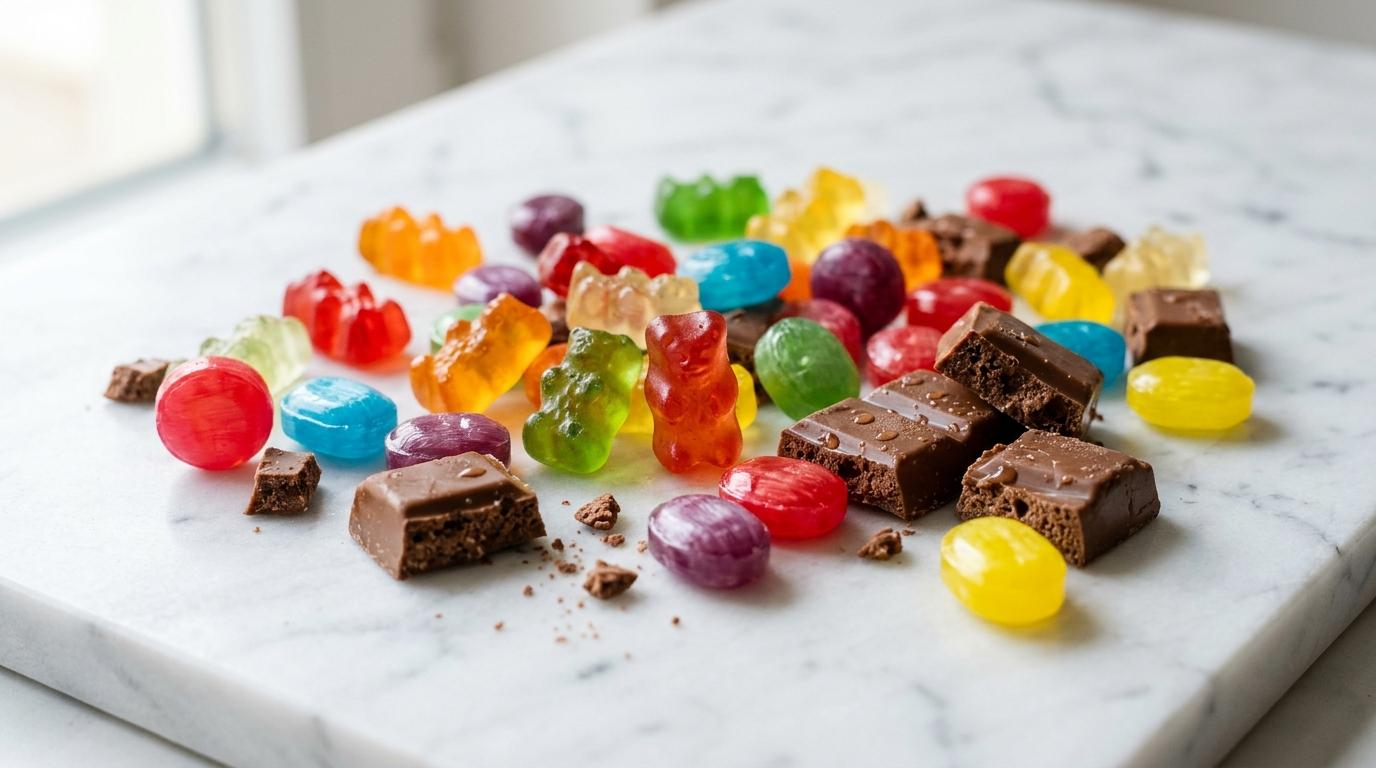
The birthday cake arrives, lavishly frosted. The piñata breaks open and rains down candy. The dessert table at the wedding gleams with chocolate fountains and macarons. And then, an hour or two later, someone in the group is pale, slightly nauseated, dizzy, or sprinting to the bathroom — not because of food poisoning, but because of the sugar.
This experience is so common it has its own colloquial names: a sugar crash, a sugar hangover, feeling sick from sweets. Children experience it at every birthday party. Adults recognise it after finishing an entire bag of jelly beans in front of a film. And yet, most people chalk it up to simply having "too much of a good thing" without understanding what their body is actually doing in physiological terms.
The reality involves at least four separate mechanisms — a blood glucose spike, an insulin overshoot, fructose malabsorption in the small intestine, and neurochemical desensitisation — each of which can produce different symptoms at different timescales. Understanding each one explains not only why sugar makes you feel sick, but why the sickness feels different depending on what kind of sugar you ate, how fast you ate it, and how often you eat it.
Mechanism One: The Glucose Spike and Osmotic Nausea
#When you consume a large amount of sugar rapidly — a large dessert, multiple sweets, a litre of juice — the glucose and fructose molecules are absorbed extremely rapidly through the small intestinal wall into the bloodstream. Glucose absorption occurs via the SGLT1 (sodium-glucose cotransporter 1) on intestinal enterocytes, an active transport process that is fast but saturable. When glucose arrives at the intestinal wall faster than the transporters can accommodate it, the high luminal concentration of glucose creates an osmotic gradient — drawing water from the bloodstream and intestinal wall cells into the gut lumen.
This osmotic shift simultaneously:
- Distends the small intestinal wall with excess fluid (activating stretch receptors and vagal afferents that signal nausea to the brainstem)
- Accelerates the speed at which intestinal contents are propelled forward toward the colon (hastening diarrhoea onset)
- Contributes to a feeling of bloating and fullness disproportionate to the volume consumed
Additionally, the rapid rise in blood glucose concentration (postprandial hyperglycaemia) has direct effects on the brain. The hypothalamus monitors blood glucose continuously via glucose-sensitive neurons in the ventromedial hypothalamus. A very rapid, steep glucose spike triggers satiety and nausea signals through hormonal cascades — particularly the rapid release of GLP-1 (glucagon-like peptide-1) from intestinal L-cells. GLP-1 is a powerful appetite-suppressing and nausea-inducing hormone; it is the same hormone pathway exploited by GLP-1 receptor agonist drugs like semaglutide (Ozempic) to suppress appetite. When a large sugar load triggers a surge of GLP-1, the resulting nausea is a direct pharmacological consequence of your own gut hormones doing their job.
The onset of this osmotic and GLP-1-mediated nausea typically occurs within 15–30 minutes of rapid sugar consumption — the fastest symptom pattern.
Mechanism Two: The Insulin Overshoot and Reactive Hypoglycaemia
#As blood glucose climbs rapidly, the pancreatic beta cells detect the spike through glucose-sensitive KATP channels and respond by secreting a large burst of insulin. Insulin's job is to clear glucose from the blood by signalling liver cells (hepatocytes) to absorb and store it as glycogen, and signalling muscle and fat cells to take up glucose for energy or storage.
The challenge is that the insulin response is calibrated to the peak blood glucose level — not the rate at which glucose will be absorbed over time. When you eat sugar very rapidly, blood glucose spikes steeply but briefly (because absorption is fast and then stops). The pancreas, seeing the high peak, secretes a large dose of insulin — appropriate for sustained high glucose, but excessive for a brief spike.
As the rapid sugar absorption ends, blood glucose begins to fall. But the large insulin dose continues to work, pushing glucose out of the blood even as dietary glucose absorption is now complete. The result is a blood glucose level that falls below normal fasting levels — typically dropping below 70 mg/dL (3.9 mmol/L), the clinical threshold for hypoglycaemia, and sometimes as low as 55–60 mg/dL.
This reactive hypoglycaemia (also called postprandial hypoglycaemia) triggers a cluster of symptoms:
- Shakiness and tremor: The sympathetic nervous system detects low glucose and releases adrenaline (epinephrine) and noradrenaline to mobilise liver glycogen. Adrenaline directly causes hand tremor and jitteriness.
- Sweating and pallor: Also adrenergic symptoms of the sympathetic stress response to hypoglycaemia.
- Dizziness and lightheadedness: The brain is exclusively dependent on glucose for energy and is exquisitely sensitive to low blood glucose. Mild hypoglycaemia impairs cognitive function and produces the characteristic "foggy," wobbly feeling.
- Irritability and mood instability: Glucose shortage in the prefrontal cortex impairs emotional regulation — explaining the stereotypical grumpiness of a "sugar crash."
- Hunger: As blood glucose drops below fasting baseline, hunger signals from the hypothalamus intensify, often manifesting as a craving for more sugar — which, if acted upon, restarts the spike-crash cycle.
The insulin overshoot and subsequent reactive hypoglycaemia typically begin 60–90 minutes after a large sugar load — arriving well after the initial nausea has subsided.
Mechanism Three: Fructose Malabsorption and Osmotic Diarrhoea
#Modern processed sugars are predominantly sucrose (table sugar, a disaccharide of glucose and fructose) or high-fructose corn syrup (a mixture of free glucose and fructose). Unlike glucose, which has dedicated and high-capacity active transporters in the small intestine, fructose is absorbed by a low-capacity facilitated transport protein called GLUT5.
GLUT5 can be overwhelmed relatively easily. Research studies using breath hydrogen testing (the gold standard for measuring carbohydrate malabsorption) find that the average adult small intestine can fully absorb approximately 25–50 grams of free fructose in a single sitting. Many sweet foods and drinks deliver substantially more than this: a 500 ml bottle of fruit juice contains approximately 25–30 grams of fructose; consuming two or three bottles, or large quantities of sweets made with high-fructose corn syrup, easily exceeds the GLUT5 absorption capacity.
Unabsorbed fructose that reaches the colon is rapidly fermented by colonic bacteria, generating:
- Gas (hydrogen and methane) — causing bloating and flatulence
- Short-chain fatty acids — which stimulate colonic motility
- An osmotic load of unfermented fructose drawing water into the colon — the direct mechanism of osmotic diarrhoea
The diarrhoea associated with fructose malabsorption typically begins 1–3 hours after sugar consumption — later than the initial nausea but often coinciding with or following the reactive hypoglycaemia phase.
It is worth noting that fructose malabsorption is not the same as fructose intolerance (a rare genetic condition affecting fructose metabolism in the liver). Fructose malabsorption is dose-dependent in otherwise healthy individuals and extremely common, particularly with the very high fructose loads in modern ultra-processed food environments.
Mechanism Four: Neurochemical Desensitisation and the Post-Sugar Low
#The brain's reward circuitry responds to sugar through the mesolimbic dopamine pathway. When you eat something sweet, dopamine is released from neurons in the ventral tegmental area (VTA) into the nucleus accumbens — the brain's primary reward hub — generating the pleasure response that makes sweet foods feel rewarding.
However, when very large amounts of sugar are consumed repeatedly or in a single large dose, the nucleus accumbens can undergo a brief period of dopamine receptor downregulation — reducing the sensitivity of dopamine receptors as a compensatory response to the flood of dopamine. This transient desensitisation can produce a rebound period of reduced reward sensitivity: the world feels duller, motivations feel lower, and there is a vague emotional flatness that people describe as a "sugar low" or "post-party crash."
This neurochemical mechanism is mild and temporary in occasional large sugar consumption but can become more pronounced in chronic high-sugar diets, where sustained receptor downregulation contributes to the reduced satisfaction and craving cycles characteristic of habitual high-sugar eating patterns.
Why Fizzy Drinks Make It Worse
#Carbonated beverages deliver sugar in a particularly problematic format for several reasons:
The dissolved carbon dioxide creates an illusion of reduced sweetness — the slight acidity and carbonation mutes the perceived sugar intensity, allowing people to consume much more sugar than they realise. A 500 ml can of cola contains approximately 55 grams of sugar, but the carbonation makes it easy to drink in under a minute — a glucose delivery rate that would be impossible to achieve eating solid food.
Additionally, the carbon dioxide itself expands in the stomach, contributing to gastric distension and triggering vagal nausea signals independently of the sugar content. The combination of rapid glucose delivery (glucose spike), high fructose content (fructose malabsorption risk), carbonation-driven gastric distension (nausea), and the subsequent insulin overshoot (reactive hypoglycaemia) makes a large fizzy drink one of the most reliably sickness-inducing sugar delivery formats possible.
Why Children Experience This More Intensely Than Adults
#Children have smaller total blood volumes and lower glycogen stores relative to adults, which means that the same absolute sugar load produces a proportionally larger blood glucose excursion in a child than in an adult of equivalent body weight. Children also typically consume sweets more rapidly — a child will eat an entire bag of sweets in minutes in a way most adults do not.
Additionally, children's pancreatic insulin responses are more vigorous relative to their smaller glucose distribution volume, making reactive hypoglycaemia more pronounced. The stereotype of children "bouncing off the walls" after sugar consumption followed by a "crash" and fatigue is physiologically coherent — the bounce corresponds to the adrenaline surge from the rapidly falling blood glucose triggering sympathoadrenal activation, and the subsequent crash corresponds to the hypoglycaemia itself.
Practical Recovery: What Actually Helps
#If you have already consumed too much sugar and feel the symptoms:
For osmotic nausea (first 30 minutes): Sip plain water slowly. Do not eat more food — the goal is to dilute the osmotic gradient in the small intestine and slow further absorption.
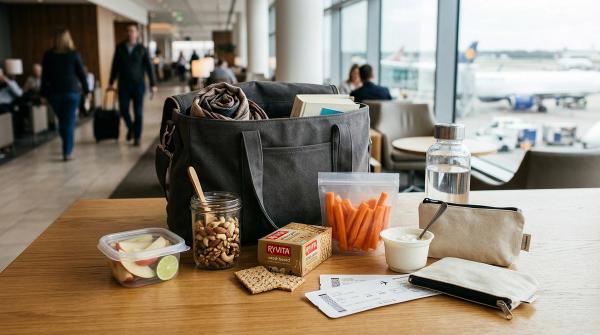
For reactive hypoglycaemia (1–2 hours later): Eat something with complex carbohydrates, protein, and fat — not more sugar. A small amount of whole grain food, nuts, or dairy provides a slow, sustained glucose source that stabilises blood glucose without triggering another insulin spike.
For fructose-driven gastrointestinal symptoms: Time is the primary treatment; ensuring adequate hydration prevents dehydration from diarrhoea.
Prevention: Eating sugar with protein, fat, and fibre dramatically slows gastric emptying and the rate of sugar absorption, reducing the peak blood glucose spike and blunting the insulin overshoot. This is why dessert after a full meal produces far milder symptoms than the same dessert eaten on an empty stomach.
Understanding these four mechanisms transforms the concept of "feeling sick from sugar" from a vague personal sensitivity into a coherent physiology. Sugar does not make you feel sick because your body is fragile — it makes you feel sick because you are using it faster than the machinery evolved to handle it, and your body responds with the precision of a well-calibrated biological system doing exactly what it was designed to do.