That funky bottle smell is not something to ignore
#A reusable water bottle is one of those little travel things that feels harmless until it suddenly smells like a wet towel that got trapped in a backpack. Not dramatic, just... gross. And when you are traveling, it is easy to let cleaning slide because the sink is tiny, the hotel soap is weird, the airport bathroom is crowded, or you are honestly just exhausted. Still, reusable water bottle mold while traveling is worth taking seriously, not because every speck means danger, but because moisture, warmth, and leftover drink residue can make a bottle a pretty friendly place for microbes to hang out.
The careful version is this: mold and bacteria can grow in bottles, especially around lids, straws, rubber gaskets, bite valves, threads, and any little hidden seam that stays damp. For most healthy adults, accidentally drinking from a not-perfectly-clean bottle may not cause anything major. But that does not mean it is a good idea to keep using a bottle that smells musty, has visible dark spots, feels slimy, or keeps getting gross no matter how much you rinse it. People with asthma, mold allergies, weakened immune systems, ongoing digestive issues, or young kids and older adults in the travel group may need to be more cautious. If symptoms are severe, persistent, worsening, or unusual, it is time to check in with a qualified healthcare professional rather than guessing from a blog post.
Why bottles get moldy faster on trips
#At home, a bottle usually has a routine. Maybe it goes in the dishwasher every night, maybe it sits upside down on the rack, maybe there is a brush nearby. Travel ruins routines. Bottles get clipped to backpacks, tossed under airplane seats, left in warm cars, refilled from random fountains, filled with electrolyte mixes, protein drinks, iced coffee, lemon water, or whatever sounded good at 6 a.m. Then they get capped while still damp. That last part matters. Mold needs moisture, and a closed bottle with trapped droplets is basically a tiny humid room.
It is also not only the main bottle chamber. The lid is usually the problem child. Flip caps, silicone straws, rubber rings, spouts, and push-button mechanisms can trap residue where a quick rinse does almost nothing. Public health guidance from agencies such as the CDC has long emphasized cleaning and drying as key steps for reducing microbial growth on food and drink contact surfaces. That applies here in a very ordinary way: soap, friction, safe water, and complete drying are boring but powerful. Travel cleaning is not about sterilizing your whole life. It is about not letting a bottle turn into a damp little biofilm hotel.
What mold in a water bottle may look, smell, or feel like
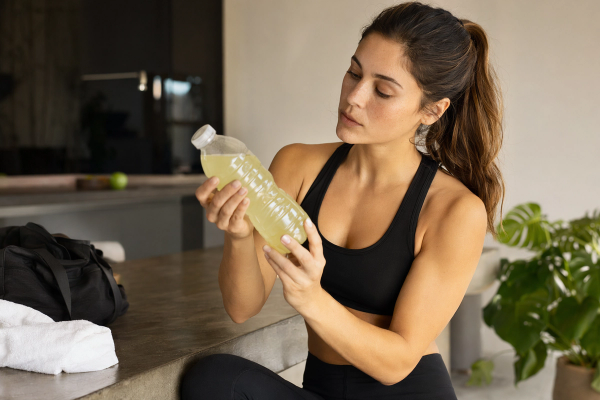
#Visible mold is not always fuzzy green movie-mold. In bottles, it may show up as black dots in the cap threads, grayish smears on a gasket, pink-orange film around a straw, or a slippery layer inside the neck. Sometimes it is not mold at all, but bacteria or yeast forming a biofilm. Either way, if it smells sour, musty, earthy, swampy, or like old gym bag, something is going on. Clear bottles make this easier to spot. Stainless steel bottles hide more, so smell and touch become the clues.
- Check the underside of the lid, not just the bottle walls. That is where grime loves to hide.
- Pull out removable rubber gaskets if the brand says it is safe to do so. Mold often sits underneath them.
- Look inside straws and bite valves. A straw can look clean outside and still be nasty inside.
- If the bottle feels slimy after rinsing, it needs real washing with soap and scrubbing, not another quick swish.
One small caution, because people understandably panic when they see black dots: color alone does not tell you exactly what organism is there or whether it is dangerous. You usually cannot identify mold type by looking. The safer move is to stop using the bottle until it is properly cleaned, and if it cannot be cleaned well, replace the part or the whole bottle.
Could a moldy bottle make you sick?
#It can, but the risk depends on the person, the amount of contamination, the type of microbe, and what else is going on. Mold exposure may trigger allergy-like symptoms in some people, such as sneezing, coughing, throat irritation, watery eyes, or wheezing. People with asthma or mold allergies may be more sensitive. Drinking from a dirty bottle can also expose you to bacteria or other microbes that may contribute to stomach upset, although it is not always possible to prove the bottle was the cause. Travel itself already brings new foods, changed sleep, stress, and different water sources, so the blame game gets messy fast.
If someone develops severe vomiting, diarrhea that does not improve, blood in stool, signs of dehydration, persistent fever, trouble breathing, swelling of the lips or throat, fainting, confusion, or symptoms that feel unusual for them, that is not a “wait and scrub the bottle later” situation. They should seek medical care. For milder stomach upset after questionable food or drink while away from home, hydration matters, and this guide on What to Eat After Food Poisoning While Traveling can be a useful next read, especially for cautious rehydration and when to get help.
A reusable bottle does not need to be perfectly sterile. It does need to be visibly clean, odor-free, and able to dry fully between uses whenever possible.
The travel cleaning kit that actually works
#A good bottle-cleaning kit does not need to be fancy. Honestly, the best version is small enough that you will actually pack it. A tiny bottle of dish soap, a collapsible bottle brush, a straw brush, and maybe a clean microfiber cloth can solve most problems. If you use a straw bottle, the straw brush is not optional. Those skinny tubes are where half the travel bottle drama starts. Some people like bottle-cleaning tablets too. They can be helpful, especially for stainless steel bottles, but they should not replace scrubbing when there is visible grime. Fizzing is satisfying, sure, but friction is doing a lot of the real work.
| Item | Why it helps | Travel note |
|---|---|---|
| Small dish soap | Breaks up oils, saliva residue, drink powders, and biofilm | Put it in a leakproof mini bottle or use solid dish soap if you prefer |
| Bottle brush | Reaches the base and shoulder of the bottle | Choose one that fits your bottle mouth, not just any brush |
| Straw brush | Cleans straws, spouts, and bite valves | Especially important for kids’ bottles and sip lids |
| Clean towel or drying cloth | Helps dry the outside and lid parts | Air drying is still best when you have time |
| Cleaning tablets | Useful for odor and stains | Follow the bottle maker’s instructions and rinse well |
| Spare gasket or lid part | Helpful if a seal gets gross or lost | Not needed for everyone, but nice on longer trips |
A simple nightly cleaning routine in a hotel sink
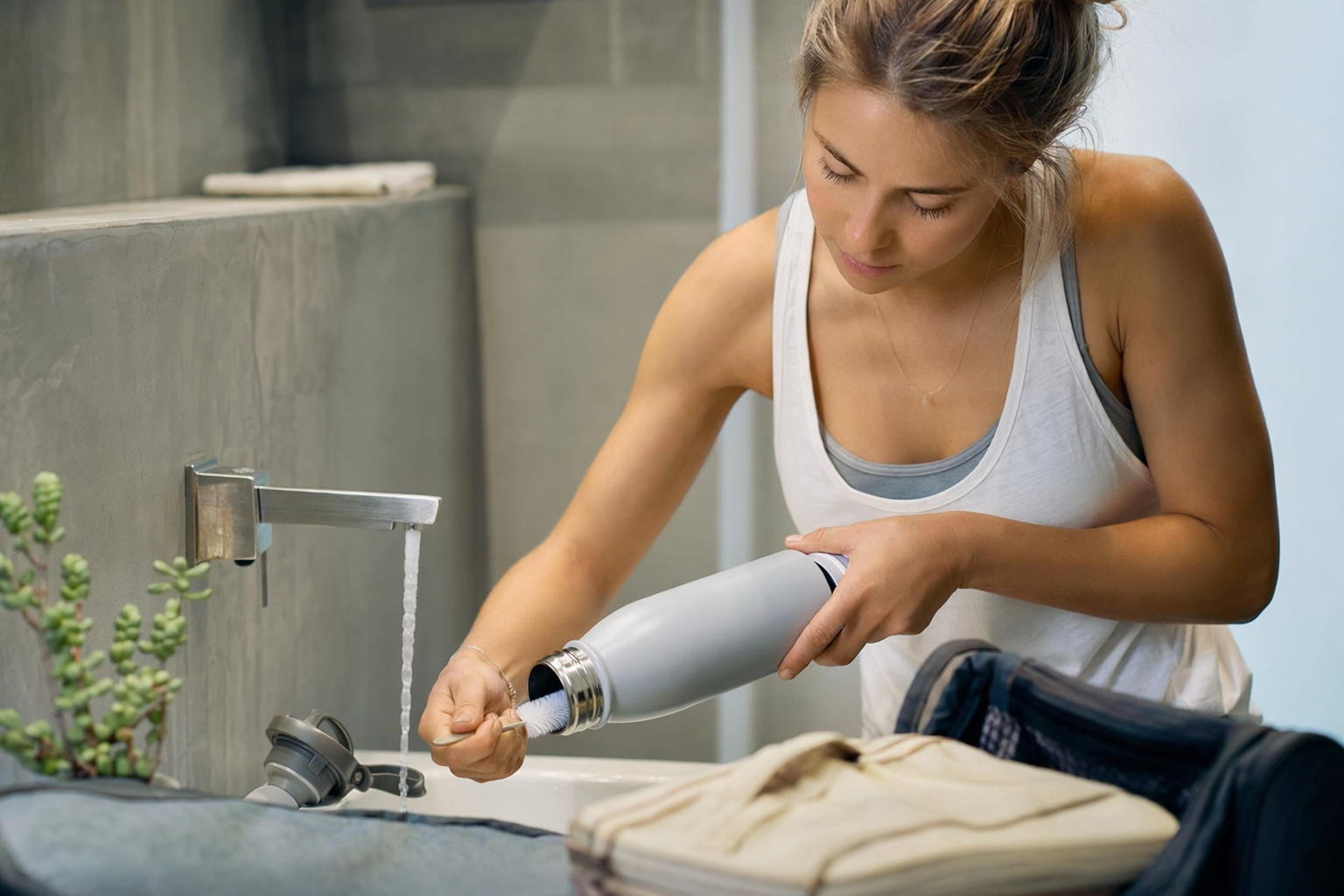
#Here is the realistic hotel routine, not the imaginary one where everyone has unlimited counter space and a sparkling kitchenette. First, wash your hands. Then take the bottle apart as much as the manufacturer allows: lid off, straw out, gasket removed if it is designed to come out. Add a drop of dish soap and warm water. Scrub the inside of the bottle with a brush, paying attention to the bottom edge and the neck. Scrub the lid with a smaller brush or clean cloth. Run the straw brush through the straw, then rinse until there are no suds. Shake off extra water. Leave every piece open to air dry overnight on a clean towel, preferably not sitting directly in a puddle next to the sink.
- Use clean, safe water for washing and rinsing. If local tap water is not considered safe to drink, do not use it as your final rinse.
- Disassemble the lid. A closed cap that “looks fine” can hide residue under silicone parts.
- Scrub, do not just soak. Soaking can loosen grime, but scrubbing removes more of the stuck-on film.
- Dry with airflow. Reassemble only when parts are dry, or at least as dry as travel life allows.
The in-room coffee maker question comes up a lot because people want hot water for rinsing or making tea. Be careful there. Hotel coffee makers vary a ton in cleanliness, and they are not automatically a safe cleaning tool for bottles. If you are tempted to use one, it is worth reading Hotel Coffee Maker Hygiene: Safe or Skip? before trusting it for drinks or bottle rinsing. Hot water can help with cleaning, but it does not magically fix a dirty machine or unsafe water source.
When a rinse is enough, and when it absolutely is not
#A plain water rinse during the day is fine as a temporary move if the bottle only had water in it and you are going to wash it properly later. But if the bottle held anything with sugar, milk, protein, fruit, flavor drops, greens powder, electrolyte mix, or even lemon slices, it needs a real wash. Sugars and nutrients can feed microbial growth. Protein shakes are especially unforgiving. They leave residue, they smell quickly, and they can make a bottle unpleasant in just a few hours, especially in heat.
This is where travel hydration advice sometimes gets a little too cheerful. Yes, carrying water can support energy, digestion, and comfort while traveling. It can also help people avoid relying only on sugary drinks or forgetting fluids on long transit days. And for travelers dealing with sluggish digestion, hydration is often part of the basics, along with fiber and movement, which is why this Travel Constipation Food Checklist: Fiber & Fluids pairs nicely with the bottle conversation. But hydration should not mean sipping all day from a bottle that has not been washed since Tuesday. Useful habit, bad container. Both things can be true.
How to deep-clean a bottle when you see mold
#If you see visible mold, stop using the bottle until it is cleaned. Dump the contents, take the bottle apart, and wash everything with hot soapy water if safe for the material. Scrub all surfaces. For removable silicone rings, gently clean the groove where they sit. If the gasket is stretched, cracked, sticky, or still spotted after cleaning, replace it. Many bottle brands sell replacement lids, straws, and gaskets, and that can be cheaper than replacing the entire bottle.
For sanitizing, follow the manufacturer’s instructions first. Some bottles and lids are dishwasher-safe, some are top-rack only, and some insulated bottles should not go in the dishwasher because heat can damage seals or vacuum insulation. The FDA and other food-safety sources generally recognize that cleaning and sanitizing are different steps: cleaning removes soil, while sanitizing reduces microbes on already-clean surfaces. At home, diluted unscented household bleach is commonly used for sanitizing food-contact items in specific concentrations, but not every bottle maker recommends bleach, and it must be diluted and rinsed according to directions. Never mix bleach with vinegar, ammonia, or other cleaners. That can create dangerous fumes.
If you would rather avoid bleach while traveling, cleaning tablets made for bottles, denture-cleaning tablets, or a soak with white vinegar may help with odor and mineral film, depending on the bottle material. They are not magic. They work best after basic soap-and-brush cleaning. Also, vinegar is not a guaranteed disinfectant for every situation, and it should not be mixed with bleach. If mold keeps returning in the same lid or straw, replacing that part is usually the more sensible move.
Airport, road trip, and hiking situations are their own beast
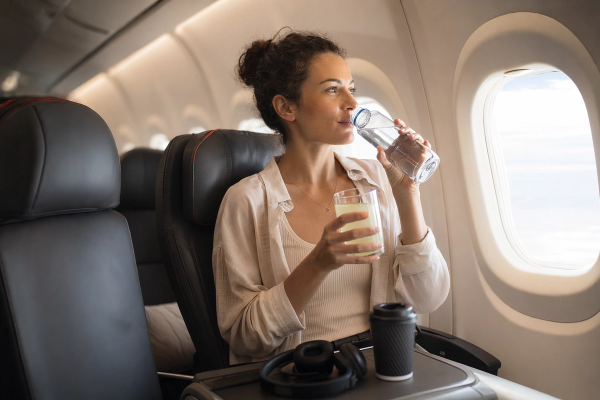
#Airports make bottle care weird. You empty the bottle before security, refill it at a fountain, drink half, then cap it while rushing to board. Not much washing happening there. The practical approach is to start with a clean, dry bottle before you leave home, avoid adding powders or sticky drinks on flight days if you cannot wash it later, and let the lid stay open when you are back in your hotel room. If the airport water fountain looks questionable, use your judgment. A filtered filling station is not a guarantee of perfection, but it is usually a better option than a visibly dirty sink tap.
On road trips, the enemy is heat. A bottle left in a hot car can get unpleasant quickly, especially if it contains anything besides water. Heat may also affect plastic bottles over time, depending on the material, age, and condition of the bottle. If a plastic bottle is scratched, cloudy, warped, sticky, or smells even after cleaning, it may be time to retire it. Stainless steel handles temperature better in some ways, but the lid still has plastic and silicone parts that need cleaning. For hiking or camping, safe water matters just as much as bottle cleanliness. Use water that has been properly treated, filtered, boiled, or otherwise made safe for drinking according to reliable travel or outdoor guidance.
What about dishwasher-safe bottles?
#Dishwashers can be great when the bottle is designed for them. High heat, detergent, and water pressure can help clean surfaces well. But dishwasher-safe does not always mean every part can go anywhere in the dishwasher. Lids may be top-rack only. Straws may need to be placed in a utensil basket or cleaned separately with a brush. Rubber gaskets can fly loose or trap detergent if they are not removed. Insulated bottles are often hand-wash only unless the brand says otherwise. The label matters here, annoying as that is.
If you are staying somewhere with a rental kitchen, do not assume the dishwasher is clean or that the detergent is suitable for your bottle. Run visibly dirty dishes separately first if needed. And after the cycle, check that the bottle is actually dry. A dishwasher can leave water pooled inside caps and grooves, which means the bottle comes out “clean” and then sits damp for hours. That is not ideal. Drying is part of the cleaning routine, not a bonus step for people with perfect lives and empty schedules.
Materials matter: plastic, stainless steel, glass, silicone
#Plastic bottles are lightweight and easy for travel, but scratches can hold residue and make cleaning harder. If your plastic bottle has deep scratches, permanent odor, or cloudy rough patches, replacement may be safer and less frustrating. Stainless steel bottles are durable and often resist odors better, though coffee, tea, and flavored drinks can still leave smells. Glass is easy to see into and clean, but obviously less travel-friendly if breakage is a concern. Silicone collapsible bottles are convenient for packing, yet folds and creases can trap moisture, so they need careful drying.
Lids are usually mixed materials, and that is where the decision gets less obvious. A beautiful stainless bottle with a complicated straw lid can be harder to keep clean than a basic screw-top bottle. If you travel often, simplicity is underrated. Fewer parts means fewer hidden wet spots. A wide-mouth bottle is easier to scrub than a narrow-mouth one. Clear straws are easier to inspect than opaque ones. None of this is glamorous, but it makes a difference when you are washing a bottle in a hostel sink at midnight.
When to toss the bottle or replace parts
#People sometimes try to save a bottle long past the point where it is worth saving. Reusing is good. Avoiding waste is good. But so is not drinking from a container that cannot be cleaned properly anymore. Replace the lid, straw, gasket, or entire bottle if visible mold remains after thorough cleaning, if odor returns immediately, if silicone parts are cracked or sticky, if the bottle has deep scratches that hold grime, or if the cap mechanism cannot be taken apart enough to clean. Also replace any bottle that was used for something unsafe or unknown and cannot be confidently cleaned.
- Persistent musty smell after washing is a sign to pause and inspect more closely.
- Black or gray spots under a gasket that will not come off are not something to ignore.
- A straw that smells bad even after brushing is cheap enough to replace in most cases.
- A bottle used during stomach illness should be cleaned very carefully, and replacing the straw or bite valve may be sensible.
There is no prize for keeping the same lid forever. Replacement parts are part of normal maintenance, especially for bottles used daily. If a bottle brand does not sell parts and the lid is complicated, that is something to consider before buying another one.
Safe water and travel illness: the part people forget
#A spotless bottle filled with unsafe water is still unsafe. Depending on the destination, tap water may not be recommended for drinking, brushing teeth, making ice, or rinsing food-contact items. Travelers should check reliable destination-specific advice before relying on tap water. If water safety is uncertain, use sealed bottled water from a trusted source, properly boiled water, or an appropriate filter or disinfecting method. Not all filters remove all pathogens, so the type of filter matters. This is especially important for people who are pregnant, immunocompromised, traveling with infants, or managing chronic health conditions.
Also, be cautious with ice, fountain drinks, and refilling stations in places where water safety is uncertain. A reusable bottle is only as safe as what goes into it and how it is handled. If your bottle falls onto a bathroom floor, gets touched by dirty hands, or the mouthpiece contacts a questionable surface, clean it before using it again. Not in a panic way. Just in a normal, practical, “yeah, germs exist” way.
A realistic travel schedule for keeping bottles clean
#For plain water use, washing once daily is a reasonable goal for many travelers, with extra cleaning if the bottle gets dirty, smells odd, or touches questionable surfaces. For anything flavored, sweetened, milky, or powdered, wash as soon as practical the same day. Let it dry overnight whenever you can. If you are moving hotels daily and drying is hard, leave the bottle open during the day when it is empty, or clip it outside your bag for airflow if that is clean and practical. Do not store it capped and damp for days. That is basically inviting the problem back.
If you are traveling with kids, consider simpler bottles with fewer valves and parts. Kids’ bottles get dropped, chewed, backwashed into, and left in warm places. They need more attention, not less. For someone with asthma, mold sensitivity, frequent infections, or a weakened immune system, a conservative approach makes sense: clean more often, avoid complicated lids, replace parts sooner, and ask a healthcare professional for personalized advice if there are concerns about mold exposure or illness risk.
Quick do-and-don’t guide for moldy travel bottles
#- Do wash with soap, warm water, and a brush. Rinsing alone is not enough once there is odor, film, or visible spots.
- Do take apart lids and straws as much as the manufacturer allows. Hidden parts are usually the dirtiest parts.
- Do let pieces dry separately. Airflow is your friend, even if the hotel counter situation is tragic.
- Do use safe drinking water for the final rinse when local tap water is questionable.
- Don’t mix cleaning chemicals. Especially do not mix bleach with vinegar or ammonia.
- Don’t pour boiling water into a bottle unless the manufacturer says the material can handle it.
- Don’t keep using a lid, gasket, or straw that stays moldy or smelly after proper cleaning.
- Don’t ignore severe or unusual symptoms after possible exposure to contaminated food or water. Get medical guidance.
The bottom line, without making it scary
#Reusable water bottle mold while traveling is common because travel is messy, rushed, humid, and full of broken routines. The fix is mostly unglamorous: clean daily when possible, scrub the lid and straw, dry everything open, use safe water, and replace parts that cannot be cleaned. A little prevention goes a long way. Start each trip with a clean bottle, pack a tiny cleaning kit, and be more careful with drinks that leave residue. If the bottle smells musty or looks spotted, pause and clean it before drinking from it again.
And just to keep the health side grounded: a dirty bottle is not automatically a medical emergency, but it is also not something to shrug off forever. People with allergies, asthma, immune concerns, or ongoing symptoms should be extra cautious and speak with a qualified healthcare professional when needed. For everyone else, this is one of those small wellness habits that makes travel feel a bit less chaotic. Clean bottle, safer water, fewer weird smells in the backpack. Honestly, that is a win. For more practical travel-health stuff that does not make things more complicated than they need to be, you can always wander through AllBlogs.in.