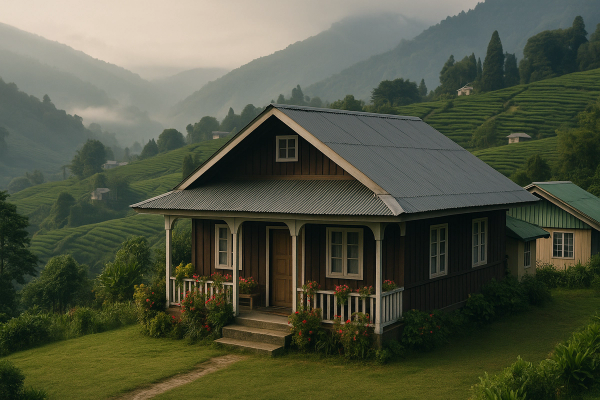
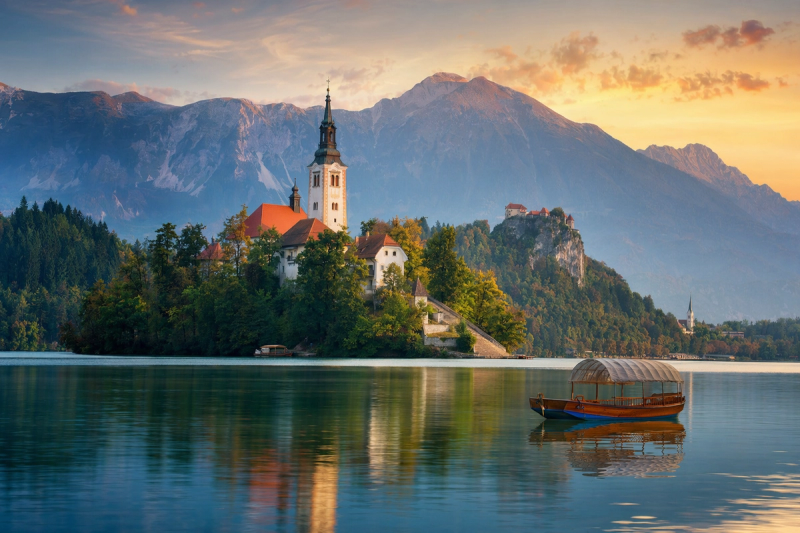
If you’re planning Croatia and Slovenia from India, my honest answer is this: aim for May to mid-June or September to early October. That’s the sweet spot. Not too cold, not burning hot, prices are not as mad as peak summer, and you can actually enjoy places like Dubrovnik, Plitvice Lakes, Lake Bled, Ljubljana and Split without feeling like you’re standing in a human traffic jam. I went around the shoulder season and, trust me, it made such a difference. Coming from India, we’re used to crowds, yes, but paying Europe prices and still fighting crowds for one photo? Arre no, thanks.
Croatia and Slovenia look close on the map, and they are, but their travel moods are quite different. Croatia is more sea, islands, old towns, beaches, Game of Thrones energy in Dubrovnik, seafood smells everywhere, and lots of sunshine. Slovenia feels greener, calmer, more alpine, almost like someone mixed Himachal, Switzerland and a small European town together. So the “best time” depends on what you want. Beaches? July-August, but expensive. Lakes, waterfalls, walking, food, old towns? May, June, September. Snow and Christmas markets? December to February. Budget trip? April, October, maybe even November if you’re okay with some rain and quieter towns.
My quick Indian traveller verdict: May-June and September are the winners
#For most Indian travellers, especially couples, families, honeymooners, or friend groups doing a 8-12 day trip, May, early June and September are the most practical months. The weather is comfortable, daylight is long, tourist sites are open, ferries in Croatia are running more regularly than winter, and Slovenia’s lakes and mountains look fresh and alive. Also, it doesn’t feel like you’ve escaped Indian summer just to melt again in Europe, which happened to one guy I met in Split in August. Poor fellow was from Chennai and he was like, “Bro I came here for cool weather only.” Nope.
In May, Croatia’s coast is warm but not fully beach-hot every day. You can sit by the Adriatic, walk the old towns, do island day trips, but swimming may feel cold if you’re not used to it. By June, the sea gets better, the vibe becomes lively, and prices start going up slowly. September, though, is my personal favourite. The sea is still warm from summer, sunsets are beautiful, kids in Europe are back to school, and somehow the whole region relaxes. Ljubljana cafes are buzzing but not packed, Lake Bled has that postcard calmness, and Dubrovnik is still busy but not totally unbearable.
If someone asks me one month only for Croatia + Slovenia from India, I’d say September. If they ask for second best, I’d say late May or early June. Simple.
Season by season: what Croatia and Slovenia actually feel like
#Spring: April to June
#Spring is honestly underrated. April can be a bit unpredictable, with rain in Slovenia and cooler evenings in Croatia, but it’s peaceful and pretty. May is when everything starts looking properly nice. Flowers, green hills, open-air cafes, ferries increasing, and you don’t need a heavy jacket except in mountain areas. For Indians who want Europe vibes without winter struggle, May is lovely. You’ll need layers though. In Ljubljana, I was in a light jacket at night, while in Split I was walking around in a T-shirt by afternoon. Very confusing packing situation, but manageable.
June is where things become more holiday-like. Croatia’s coast gets warmer, island hopping becomes more fun, and places like Hvar, Korčula, Split and Dubrovnik begin to feel alive. Slovenia is also amazing in June because Lake Bled, Lake Bohinj, Vintgar Gorge, Triglav National Park areas and the Soča Valley are open and green. But by late June, prices start climbing. Not crazy like August, but you feel it. Hotels that were €80-100 may suddenly become €130-160 in touristy areas.
Summer: July and August
#July and August are peak season, especially in Croatia. This is when Europeans take their summer holidays, cruise crowds come in, beach towns are packed, and hotel prices can go a bit ridiculous. Dubrovnik in August is beautiful, no doubt, but also hot and expensive. Same with Split and Hvar. If you want nightlife, beach clubs, swimming, ferries, full summer energy, then go. But go mentally prepared. Book early. Carry sunscreen from India if you have a favourite one. And don’t plan too many old-town walking tours at 2 pm unless you enjoy punishment.
Slovenia in summer is more comfortable than coastal Croatia, but Lake Bled and popular nature spots get crowded too. The good thing is Slovenia has many lesser-known places where you can escape. Lake Bohinj is calmer than Bled, though not exactly hidden anymore. The Soča Valley around Bovec, Kobarid and Tolmin is stunning for rafting, hiking and emerald river views. If you’re doing this trip with kids or parents, I’d avoid too much July-August walking in Croatia and put more Slovenia time into the itinerary.
Autumn: September and October
#September is the month I’d happily repeat. Croatia still has that summer mood, but slightly softer. Restaurants are open, ferries are decent, the sea is swimmable, and you can walk city walls or old towns without frying. Slovenia becomes golden-green, wine regions are active, and Ljubljana feels romantic in that non-filmy but very nice way. October is also good if you’re not chasing beaches. Croatia’s coast starts slowing down, especially islands, but cities like Zagreb, Split and Dubrovnik still work. Slovenia can get rainy, but when the weather is good, autumn colours near Bled and the Julian Alps are just uff.
For budget travellers from India, October can be smart. Flights may be more reasonable compared to peak Europe summer, hotels reduce rates, and you get better apartment choices. The only thing is, don’t expect every island ferry or beach restaurant to operate like high season. Always check schedules before booking non-refundable stays. I learnt this the annoying way when one ferry option I assumed would be “obvious” was actually not running the way I thought. Europe is organised, yes, but it won’t adjust for your overconfidence.
Winter: November to March
#Winter is not the classic Croatia-Slovenia trip, but it has its own charm. Zagreb and Ljubljana have beautiful Christmas market vibes in December, with lights, mulled wine, roasted chestnuts and that cosy cold-weather feeling. Slovenia is better than Croatia for winter scenery because of the Alps, Lake Bled, ski areas, and snowy landscapes if you’re lucky. Croatia’s coast becomes quiet, sometimes too quiet. Dubrovnik without crowds sounds amazing, and it is in a way, but many restaurants and island services reduce operations. So winter is better for slow travel, photography, Christmas markets and lower costs, not for beaches or island hopping.
Weather comparison for Indian travellers, because our comfort level is different
#| Month/Season | Croatia feel | Slovenia feel | Good for Indian travellers? |
|---|---|---|---|
| April | Cool to mild, some rain, coast waking up | Cool, green, rain possible | Good for budget and quiet travel, carry layers |
| May | Pleasant, sunny, not too crowded | Beautiful spring weather, cool evenings | Excellent for sightseeing and road trips |
| June | Warm, beach season starts | Green, active, great for lakes | Excellent, but book ahead |
| July-August | Hot, crowded, expensive on coast | Busy but great for outdoor trips | Good only if you want peak summer and beaches |
| September | Warm sea, fewer crowds than August | Lovely weather, autumn starting | Best overall month in my opinion |
| October | Mild, quieter, some closures on islands | Autumn colours, rain possible | Good for budget, not ideal for beaches |
| Nov-March | Quiet coast, colder inland | Cold, snowy in mountains | Good for Christmas markets and winter mood |
One thing we Indians sometimes underestimate is layering. In India, if it’s hot, it’s hot. If it’s cold, okay we wear sweater. But in Croatia and Slovenia, one day can be T-shirt weather in Split and jacket weather at Lake Bled. Even in May or September, carry one light jacket, a scarf maybe, comfortable walking shoes, and a small umbrella or rain jacket for Slovenia. Also, European sun can be sneaky. It doesn’t always feel harsh like Delhi or Ahmedabad summer, but you’ll still tan and burn while walking around Plitvice or Dubrovnik walls.
Best time by travel style: honeymoon, family, budget, beaches, nature
#- For honeymoon couples: May, June or September. You’ll get pretty weather, romantic old towns, lake views, and fewer crowds for nice photos. Lake Bled in September is honestly dreamy.
- For families with parents: May or September. Avoid July-August heat and crowd stress, especially in Dubrovnik and Split. Slovenia is easier for relaxed family travel.
- For beach and island lovers: Late June to early September. July-August is best for swimming and party vibes, but also most expensive.
- For budget travellers: April, October, and even November for city-based trips. Just don’t expect full island-season energy.
- For nature and hiking: June to September for Slovenia’s alpine areas. May is also good, but some high mountain routes may still be affected by snow depending on the year.
- For winter and Christmas markets: December, especially Ljubljana and Zagreb. Slovenia is stronger for snow-style travel.
Flights from India and how to plan the route smartly
#There are usually no simple direct flights from India to Croatia or Slovenia in the way we have for bigger European hubs. Most people fly via Doha, Dubai, Abu Dhabi, Istanbul, Frankfurt, Munich, Vienna or other European connections. From India, Zagreb is often the most practical entry for Croatia, while Ljubljana is the main entry for Slovenia. Dubrovnik and Split are seasonal favourites but can be pricier depending on timing. I’ve seen many Indian travellers do multi-city tickets like India to Zagreb and return from Ljubljana, or India to Venice/Vienna and then connect by bus or train. That can work, but don’t make it too complicated just to save ₹5,000. Your time and back pain also has value.
A very sensible route is Zagreb - Plitvice Lakes - Split - Dubrovnik - Ljubljana - Lake Bled, or the reverse. But personally, I’d avoid cramming too much. Croatia’s coastline pulls you south, Slovenia pulls you north-west, and distances are not huge but not nothing either. Buses are common in Croatia, trains are limited on coastal routes, and renting a car gives you flexibility, especially for Plitvice and Slovenia. If driving, Indian licence rules can vary by rental company, so carry an International Driving Permit along with your Indian licence. In Slovenia, motorways require a vignette system, and in Croatia there are toll roads. Rental cars crossing borders may also have extra fees, so ask clearly before booking.
Visa and border stuff Indians should know
#Croatia and Slovenia are both in the Schengen Area now, and Croatia also adopted the euro on 1 January 2023. For Indian passport holders, that generally means you need a valid Schengen visa for tourism, unless you have some other qualifying residence/visa situation. Don’t treat random WhatsApp advice as final. Please check the official embassy/VFS guidance before applying because rules, appointment availability and document checklists can change. Also, even though border checks between Schengen countries are generally removed, carry your passport, visa copy, hotel bookings and travel insurance details when moving between Croatia and Slovenia. Nobody asked me for much on the bus crossing, but that doesn’t mean they never ask.
Travel insurance is not just visa formality. Take it properly. Croatia’s old towns have stairs, Slovenia has adventure activities, and even a small medical issue in Europe can be expensive. Safety-wise, both countries felt very safe to me, including evenings in Ljubljana and Zagreb. Still, normal tourist caution applies: watch your bag in crowded areas, don’t leave valuables in rental cars, be careful around bus stations late at night, and in Dubrovnik/Split during peak season, pickpocketing can happen just like any tourist-heavy place. Nothing scary, just common sense.
Accommodation: what prices felt like and where to stay
#Accommodation changes a lot by season. In shoulder season, you can find decent private rooms, guesthouses and apartments around €50-90 in many places, though Dubrovnik old town and Lake Bled can still be higher. Budget hotels or simple B&Bs may sit around €70-130 depending on location. In peak summer, coastal Croatia can jump badly. Dubrovnik, Hvar and Split can easily go €150-250+ for nice central stays, sometimes more if you book late. Hostels may be around €20-45 for dorm beds, but again summer pushes everything up. Slovenia is slightly more balanced, though Lake Bled in summer is not cheap.
My tip from an Indian budget mindset: apartments are better than hotels for longer stays. You get a small kitchen, washing machine sometimes, and you can make chai, Maggi, upma packets, whatever emergency food you carry. Not saying travel to Europe and eat only Indian food, but after 5-6 days, even the most excited traveller wants something familiar. In Zagreb and Ljubljana, stay near the centre or near tram/bus access. In Split, near the old town but not inside if you hate dragging luggage on stone streets. In Dubrovnik, staying outside the old town can save money, but check bus access because those stairs are no joke.
Food, vegetarian comfort and the Indian stomach question
#Food is where Croatia and Slovenia can be easy or tricky depending on your diet. Non-vegetarians will find grilled fish, seafood pasta, meat dishes, burek, sausages, stews, and local wines everywhere. Vegetarians can manage, but don’t assume “veg” means Indian-style vegetarian. Sometimes soups use meat stock, bakery items may have lard or hidden ingredients, and cheese-based dishes can contain animal rennet. If you’re strict vegetarian or Jain, plan a little. I’ve written more specifically about this in Croatia & Slovenia Vegetarian Food for Indians, because honestly one paragraph is not enough for that topic.
Supermarkets like Konzum, Spar, Mercator, Lidl and Hofer are useful for fruits, yogurt, bread, cheese, salads, instant meals, snacks and bottled water. If you’re self-catering, shoulder season is great because apartments are cheaper and supermarket meals keep budget under control. But read labels carefully. I got overconfident with one bakery snack and later realised I had no idea what was actually inside. For Indian vegetarians, this guide on Vegetarian Food Labels Abroad: Hidden Ingredients is genuinely useful before you start buying random “looks veg only” items.
Indian restaurants exist in bigger cities like Zagreb, Ljubljana, Split and Dubrovnik, but they’re not always cheap. Expect maybe €12-20 for mains in many places, depending on the restaurant and city. Local pizza and pasta can be cheaper, and Slovenia has some nice vegetarian-friendly cafes in Ljubljana. Croatia’s coast is more seafood-heavy, but you’ll still find margherita pizza, truffle pasta in Istria, salads, fries, grilled vegetables, risotto and bakery options. Carry theplas, ready poha, MTR packets, masala sachets, and tea bags if you’re that person. I am that person. No shame.
Croatia highlights and when to see them
#Dubrovnik
#Dubrovnik is best in May, early June, September and October. July-August is beautiful but crowded and costly. Walking the city walls in late afternoon is magical, but in summer it can feel like you’re being roasted slowly. If you go in peak season, start early morning or evening. Also, stay at least one night if budget allows. Day-trippers leave, the old town calms down, and then Dubrovnik actually becomes charming instead of just crowded.
Split and islands
#Split works from April to October, but island hopping is best from June to September. Hvar is glamorous and pricey in peak summer. Korčula felt more relaxed to me. Brač is good for beaches, especially Zlatni Rat near Bol. Ferry schedules are strongest in summer, so if islands are a big part of your plan, don’t choose deep off-season unless you’re okay with limited connections.
Plitvice Lakes
#Plitvice is one of those places where photos are actually not exaggerating. Waterfalls, wooden paths, lakes changing colour… proper wow. Spring has strong waterfalls, summer has full greenery but more crowds, autumn has colours, winter can be snowy and partly restricted depending on conditions. For Indians doing Croatia-Slovenia together, May, June, September and October are perfect for Plitvice. Book tickets ahead in busy months and wear shoes with grip because wooden paths can be slippery.
Slovenia highlights and when to see them
#Ljubljana
#Ljubljana is lovely almost all year, but May to September is best for outdoor cafes, riverside walks and easy day trips. December is also beautiful because of festive lights and Christmas market atmosphere. It’s small, walkable and safe, and honestly after Croatia’s busy coast, Ljubljana felt like a deep breath. The food scene is better than I expected too, with cafes, bakeries, wine bars and casual restaurants. Don’t skip the castle, but also don’t rush the city like it’s only a stopover.
Lake Bled and Lake Bohinj
#Lake Bled is best in May, June, September and early October if you want good weather without insane crowds. July-August is lively but busy. Winter Bled can be magical if there is snow, but weather can also be grey, so manage expectations. Walk around the lake, try the famous Bled cream cake, and if you have time, go to Lake Bohinj too. Bohinj is wilder, quieter, and more nature-heavy. I actually liked Bohinj more for sitting and doing nothing. Bled is the photo, Bohinj is the feeling, if that makes sense.
Soča Valley and Julian Alps
#For rafting, hiking, road trips and that unreal emerald river colour, visit from late spring to early autumn. June to September is most reliable for outdoor activities, though exact conditions depend on weather. If you’re not used to mountain driving, go slow. Roads are scenic but can be narrow and twisty. Indian drivers are brave, yes, but European mountain roads with a rental car and left-hand-drive setup can humble anyone.
Crowds, costs and the small things that affect your trip
#The difference between peak season and shoulder season is not small. In August, you may pay more for a room far from the centre than you’d pay in May for something nicer. Restaurant queues get longer, bus tickets sell out, ferry timings matter more, and even simple things like finding parking can become irritating. September gives you the best balance: still lively, not dead, but less pressure. May is also great, though sea swimming may not be for everyone. If you’re travelling from India during school holidays, June is often easier than May, but book early.
Cash and cards both work, but cards are widely accepted in cities and tourist areas. Keep some euros for small bakeries, toilets, luggage lockers, local buses or random situations. Tipping is appreciated but not like the US. Rounding up or leaving 5-10% for good service is usually fine. Tap water is generally safe to drink in both countries, and Slovenia especially has excellent drinking water. Still, if your stomach is sensitive while travelling, do what works for you. No one gets award for drinking tap water bravely and then ruining two days of trip.
Lesser-known places worth adding if you have extra days
#If you’ve already got Dubrovnik, Split, Plitvice, Ljubljana and Bled in your plan, consider adding one or two smaller places. In Croatia, Istria is beautiful, especially Rovinj, Pula and Motovun. It feels more Italian-influenced, with truffle dishes, colourful towns and a slower pace. Zadar is also underrated, with the Sea Organ and sunsets that people keep praising, and for once the hype is justified. Šibenik is another lovely coastal town that doesn’t always get enough attention.
In Slovenia, Piran is a pretty coastal town that pairs nicely if you’re coming from Croatia’s Istria side. Postojna Cave and Predjama Castle are popular and easy day trips. Velika Planina is gorgeous in warmer months if you like mountain pastures and rustic scenery. Maribor is good for wine and a more local city vibe. These places are especially nice in May, June, September and October, when the weather supports wandering without the peak-season headache.
My suggested timing and itinerary from India
#- Best 9-10 day plan in May or September: Fly into Zagreb, visit Plitvice, go to Split, add Dubrovnik, then travel to Ljubljana and Lake Bled, fly out from Ljubljana or nearby hub.
- Best 12-14 day relaxed plan: Zagreb, Plitvice, Split, one island like Hvar/Korčula/Brač, Dubrovnik, Ljubljana, Lake Bled, Lake Bohinj, maybe Postojna Cave or Piran.
- Best winter plan: Zagreb and Ljubljana Christmas markets, Lake Bled, maybe a ski or snow day in Slovenia, then Dubrovnik for quiet old-town vibes if flights and budget allow.
If I had to plan it again for someone from India, I’d choose September, keep Croatia first for coast and swimming, then Slovenia for lakes and green landscapes, and end in Ljubljana because it’s calm and easy. Don’t do one-night stays everywhere. It looks efficient on Excel, but real travel includes delayed buses, laundry, grocery runs, getting lost, waiting for check-in, and sitting at a cafe because you’re tired. Give yourself breathing space.
Final thoughts: don’t chase perfect weather, chase the right season for you
#Croatia and Slovenia are not difficult countries to travel, but timing can make your trip go from “nice” to “yaar this was amazing.” For most Indian travellers, May-June and September-early October are the best months. July-August is for people who really want beaches, nightlife and peak summer energy, and don’t mind paying more. Winter is for Christmas markets, snow hopes and quieter travel. My personal pick stays September because it gives warm Croatia, beautiful Slovenia, manageable prices and that soft end-of-summer mood.
Plan your visa early, book the expensive places ahead, carry layers, don’t overpack the itinerary, and keep some Indian snacks for emotional support. Also, read food labels if you’re vegetarian, check ferry schedules before island plans, and please don’t underestimate walking on cobblestones with heavy luggage. Been there, suffered that. Anyway, if you’re planning your Croatia-Slovenia trip from India, I’d say go for it. It’s scenic, safe, romantic, practical, and still feels a bit different from the usual Europe circuit. For more such travel planning stuff and honest destination guides, I keep finding useful reads on AllBlogs.in too, so casually check that before you finalise your route.