The best camp dinner I ever made started with a dirty pot
#I know that sounds gross. But stay with me. The best camp meal I’ve cooked, the one I still brag about like some annoying person at a dinner party, happened at a windy little campground near the Oregon coast after a long day of buying smoked salmon, crusty bread, and way too much local cheese from a roadside market. We had rain coming sideways, sand in the rice, and this ridiculous little two-burner stove that kept acting like it had personal issues. And then, after dinner, there it was: the pot. Sticky with garlic butter, fish oil, rice starch, lemon peel, and a few bits of parsley clinging on for dear life. Honestly, that pot was the whole problem of camping food safety in one greasy metal bowl.
People talk about camp cooking like it’s all cast iron romance and sunrise coffee. And yeah, I love that part. I really do. I’ve eaten green chile breakfast burritos in New Mexico, trout with potatoes in the Tetons, and instant noodles dressed up with farmers market mushrooms in Vermont like I was running a tiny forest bistro. But the less pretty part, the dishwashing, the greywater, the hand hygiene, the “where do I dump this cloudy soup of food bits and soap?” part... that’s where a lot of campsite meals either stay magical or turn into a stomach bug story nobody wants.
Greywater is not just “dirty water,” it’s basically dinner leftovers in disguise
#Greywater at camp is the used water from washing dishes, rinsing cutting boards, wiping skillets, maybe even washing your hands after handling chicken or fish. It looks harmless sometimes, like cloudy water with a little soap. But if you cooked something good, it probably has food in it. Fat. Salt. Garlic. Cheese crumbs. Fish smell. Tiny rice bits. All the little things that make raccoons, ants, mice, bears, and your neighbor’s off-leash dog suddenly very interested in your campsite.
I learned this the dumb way in Shenandoah years ago. Me and my friend had made sausages with onions, mustard, and apples, which felt very mountain-cabin chic at the time. We washed up lazily, dumped the dishwater at the edge of camp because “it’s just biodegradable soap,” and went to sleep feeling smug. At 2 a.m. I woke up to something scritching around near the tent. Not a bear, thank God, but enough raccoon drama to make my heart turn into a drum solo. In the morning there were onion skins and greasy water marks everywhere. We deserved that judgement from nature, honestly.
Most campground and public land guidance says the same general thing, even if the exact rules change by park or forest: strain food scraps, pack them out or put them in the proper trash, and dispose of greywater only where the campground tells you to. In developed campgrounds, that might be a utility sink, dishwashing station, dump sink, or sometimes a toilet if staff specifically says that’s okay. In backcountry settings, Leave No Trace-style guidance often says to scatter strained wash water well away from camp and at least 200 feet from lakes, streams, and springs, but that is not universal. Desert sites, bear country, alpine areas, and some parks have stricter rules. So yeah, the annoying answer is: check the sign, ask the ranger, read the campground board. I know. Very unromantic. Still worth it.
My three-bin dishwashing setup, aka the tiny restaurant dish pit in my trunk
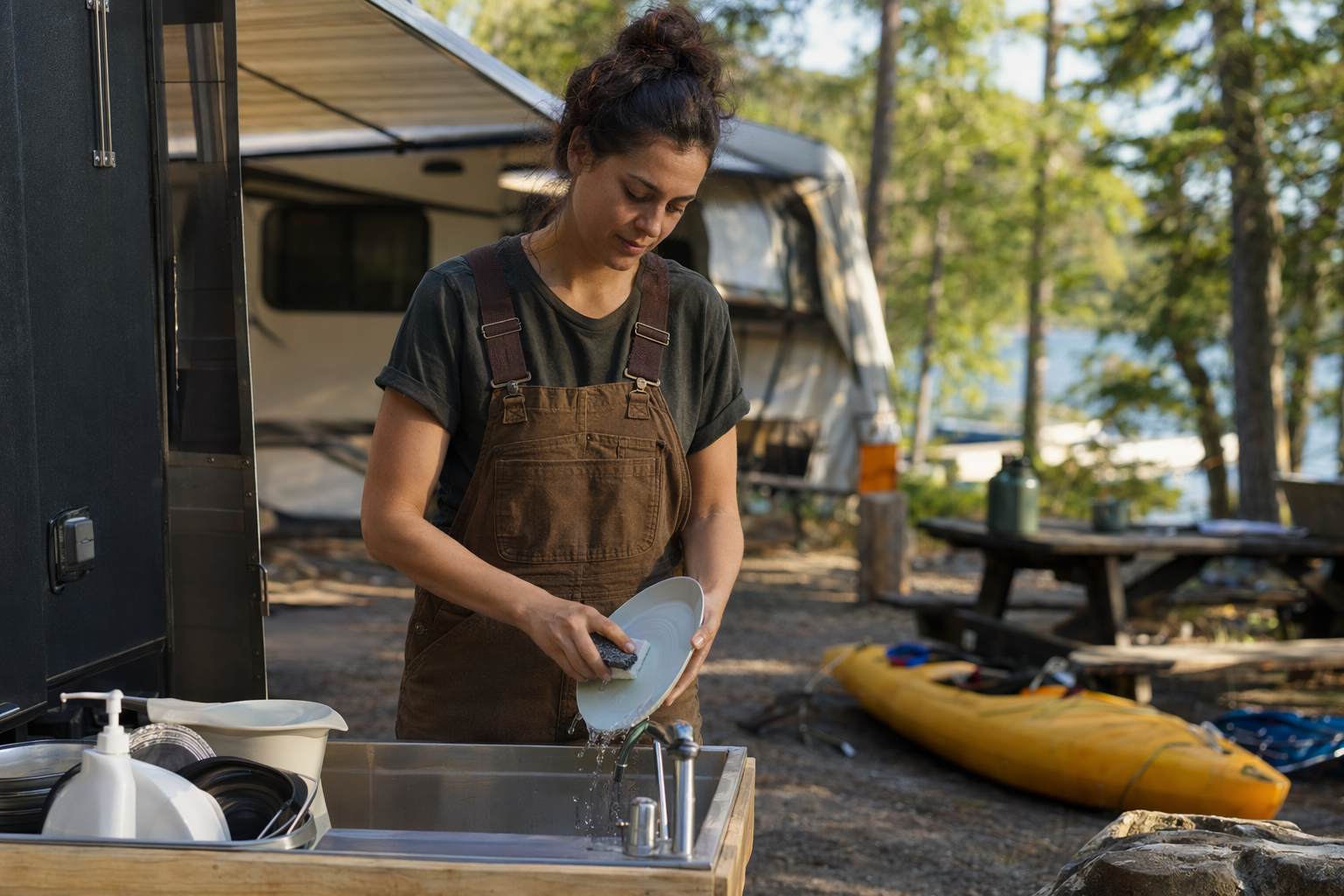
#After enough trips, I stopped pretending I could clean a camp kitchen with one mug of cold water and vibes. Now I bring three lightweight tubs. One for wash, one for rinse, one for sanitize. It sounds fussy until you’re cooking for four hungry people and someone drops a raw chicken fork into the spoon pile and suddenly nobody knows what touched what. The three-bin thing is standard food-service logic, just made scrappier for the outdoors: wash with hot soapy water, rinse with clean water, sanitize, then air dry. Not towel dry with the same towel you used to wipe your hands after opening the cooler. Been there, regretted it.
| Camp tub | What I use it for | Food safety note |
|---|---|---|
| Wash | Hot water plus a little dish soap, scraping food first | Hot helps cut grease, but soap and scrubbing do the real work |
| Rinse | Clean water to remove suds and loosened grime | Change it if it gets cloudy or full of floaty bits |
| Sanitize | A food-contact-safe sanitizer, often a mild unscented bleach solution if appropriate | USDA and CDC-style guidance commonly points to about 1 tablespoon unscented bleach per gallon of water, then air dry |
| Dry zone | Mesh bag, clean rack, or upside-down on a clean surface | Air drying beats wiping with a questionable camp towel |
A quick note, because people get oddly heated about this around picnic tables: “biodegradable” soap does not mean you can dump it in a creek. It still does not belong in lakes, streams, or springs. Soap can affect water quality, and the food residue is the real wildlife magnet anyway. I use a tiny amount, like less than I use at home, and I scrape plates almost obsessively before anything hits water. Tortilla as a plate-scraper? Elite move. A chunk of stale bread? Also fantastic. Campers have been doing this forever because it works, and because eating the last bits of sauce is better than washing them down a drain you don’t even have.
The order matters more than people think
#At camp I wash cleanest to dirtiest: cups first, then plates and utensils, then cooking tools, then greasy pans, and anything that touched raw meat gets special attention. If I’ve cut raw poultry, that cutting board is not casually floating around with the breakfast mugs. The CDC still pushes the basics because they actually work: wash hands with soap and water for about 20 seconds, keep raw meat and seafood away from ready-to-eat foods, cook to safe temperatures, and chill perishables properly. Boring? Kind of. But I’d rather be boring than spend the night speed-walking to a vault toilet with a headlamp.
I keep a little thermometer in my camp kitchen bag. Not fancy. Just enough to check chicken, burgers, reheated leftovers, and sausages. I also keep hand soap near the water jug, not buried in a random tote, because if soap is annoying to reach nobody uses it. Same with paper towels or a clean cloth. Set the kitchen up like you actually expect humans to be lazy, because we are. Especially after hiking eight miles and drinking one camp beer too fast.
The cooler is part of dishwashing, even if it doesn’t look like it
#Here’s the thing I wish more food travelers admitted: most camp dish problems start before dinner. Melted cooler water leaks into the cheese bag, raw burger juice gets on the pickle jar, someone grabs an apple with fishy hands, and then the dish pit has to solve a mess it didn’t create. The USDA’s classic food safety “danger zone” is 40°F to 140°F, and perishable food should not sit out more than 2 hours, or 1 hour if it’s over 90°F. That matters a lot at camp, where “just for a minute” becomes “oh wow we left the shrimp on the picnic table while we went to watch sunset.”
I pack coolers in zones now: raw meat sealed low, ready-to-eat stuff high, drinks separate when I can, and anything delicate in hard containers. If you’re nerdy about this, or just tired of soggy sandwich meat, the Road Trip Cooler Food Safety: Ice Melt Packing Guide is exactly the kind of practical rabbit hole I wish I’d read before my first big road trip. Ice melt is not “clean water.” Once it has been hanging around raw packaging and muddy hands, treat it like gross water and keep it away from foods you eat straight.
Local food is the whole reason I put up with this nonsense
#If I only wanted easy meals, I’d stay home. The reason I fuss with tubs and strainers and sanitizer is because I love eating a place while I’m traveling. Not just restaurants, although I’ll happily plan a whole detour around a good diner. I mean the little things: buying peaches from a farm stand in western Colorado, picking up smoked whitefish near the Great Lakes, grabbing handmade tortillas in Arizona, finding a jar of local berry jam in Maine and making breakfast feel like a postcard. Camp cooking lets you turn those finds into dinner right where the landscape still smells like pine or salt or hot dust.
One of my favorite campsite meals was in northern New Mexico, after a day of poking around markets and eating more chile than my stomach probably wanted. We made blue corn pancakes the next morning with piñon coffee, fried eggs, and a green chile sauce I bought from a tiny shop where the owner told me, very seriously, that the mild was “for tourists.” She was not wrong. That breakfast was smoky, spicy, sweet around the edges, and perfect. But it also left sticky batter bowls, eggy forks, and chile oil on the pan. Delicious food makes dirty dishes. There’s no escaping it.
Cheese, picnics, and the “it’ll be fine” lie
#I am weak around cheese. Put me near a farmers market and I’ll come back with a wedge of aged cheddar, some soft goat cheese, maybe something washed-rind and dramatic that smells like old socks in the best possible way. Hard cheeses are usually more forgiving on a day trip than soft fresh cheeses, but forgiving is not the same as immortal. Soft cheese, fresh dairy, sliced meats, and creamy dips need cold care, especially if you’re driving a hot scenic route before reaching camp. I’ve used advice like the Supermarket Cheese While Traveling: Fridge and Picnic Tips when planning those lazy picnic dinners where you don’t really cook, you just assemble happiness on a cutting board.
And if you’re buying from a farmers market before heading out to a campsite, ask questions. Is it pasteurized? How long can it be unrefrigerated? Do they have ice packs? I once bought a soft sheep cheese in Vermont and the vendor basically gave me a mini lecture about keeping it cold. I appreciated her deeply, even while feeling mildly scolded. The Farmers Market Cheese Travel Safety: Soft Cheese and Ice Packs gets into that exact situation, and yeah, it’s the kind of thing that saves your beautiful picnic from becoming a risky science experiment.
My greywater routine, not glamorous but it works
#After dinner, I do not let dishes sit around “to soak” unless I’m in a very secure, controlled setup. Soaking sounds peaceful, but at camp it can turn your pot into a scented wildlife invitation. First I scrape every plate into the trash bag, and in bear country that trash goes where food goes, meaning approved locker, vehicle if allowed, or bear canister depending on location. Then I wipe greasy pans with a used napkin or a little scrap of paper towel, because grease is what makes dishwater nasty fast. If I’m cooking bacon, I save the fat properly or pack out the wiped mess. Please don’t pour fat on the ground. It’s not rustic. It’s just bait.
- Heat a small pot of water while people are still eating, because future-you deserves kindness.
- Scrape food bits into trash before washing. If there are chunks in the dishwater, you waited too long.
- Wash, rinse, sanitize, and air dry. The air dry part is annoying when you want to pack up, but it matters.
- Strain greywater through a mesh strainer or bandana you are willing to dedicate to this gross little job.
- Put strained scraps in trash, then dispose of the water only in the campground-approved place.
That mesh strainer is my unsung hero. Mine is dented, ugly, and permanently smells faintly like ramen seasoning no matter how much I wash it. But it catches rice, onion, herbs, coffee grounds, and all the tiny food flecks that would otherwise end up on the ground. In places with dishwashing sinks, I still strain if the sink looks like it could clog, because I am not trying to be the person who ruins the shared camp facility. We all know that person. Don’t be them.
Handwashing is the boring little ritual that saves the trip
#I love camp food culture, but camp hands are disgusting. You’re touching tent stakes, muddy shoes, firewood, dog leashes, fuel canisters, fishing gear, trail maps, and then somehow you’re slicing tomatoes. I keep a handwashing station out all day: water jug with a spigot, soap, catch basin if needed, and towels. Hand sanitizer is useful, especially on hikes, but if your hands are greasy, gritty, or actually dirty, soap and water is better. This is straight public health basics, not a personality trait.
Before cooking, after bathroom trips, after handling raw meat, after touching trash, after petting someone’s cute campground dog, wash. I sound like my grandmother when I say this, but she was right about almost everything food-related. She also used to travel with a paring knife wrapped in a dish towel, which maybe was less right, but still.
The secret to great camp cooking is not a fancier stove. It’s clean hands, cold food kept cold, hot food cooked hot, and dishwater that doesn’t turn your campsite into a buffet for raccoons.
Restaurants teach you stuff, even when you’re eating outside
#I’ve worked a little around restaurant kitchens, not as some big chef, just enough to understand that the calm dining room is basically a magic trick hiding the dish pit. Travel has made me notice this more. In New Orleans, after eating chargrilled oysters and po’ boys until I could barely move, I remember watching a cook wipe down his station with the kind of focus usually reserved for surgery. In a tiny ramen shop in Los Angeles, the dish area was moving so fast it looked choreographed. In coastal Maine, a lobster shack had a handwashing sink set up right where staff could actually use it, not tucked away like an afterthought. Good food places are usually good at boring systems.
Campers can borrow that mindset without turning the picnic table into a health inspection. Set a clean side and dirty side. Keep raw stuff low and away. Don’t reuse the marinade that touched raw meat unless you boiled it properly. Use separate utensils, or wash and sanitize between jobs. If a plate held raw burger patties, it does not get to hold cooked burgers unless it’s cleaned. I know this sounds obvious. I have also watched a grown adult put grilled chicken back on the raw chicken plate while everyone screamed. So apparently it needs saying.
The campsite kitchen layout I like best
#When I can choose, I set up left to right: cooler and food storage, prep zone, stove, serving zone, dish zone. Dirty dishes do not cross back into prep if I can help it. Trash is close but not open. Water is close enough that handwashing is easy. The greywater bucket or tubs sit where nobody will trip over them in the dark, because nothing ruins dessert like stepping into cold bean water in sandals. Ask me how I know. Actually don’t.
For road trips, I keep a “kitchen hygiene pouch” with soap, sanitizer, bleach or approved sanitizer tabs, sponge or scrubber, backup sponge, food thermometer, trash bags, zip bags, gloves for gross jobs, and a marker for labeling leftovers. Labeling sounds extra until you find a mystery container on day four and can’t remember if it’s safe chili or old dish scraps. The line between rustic and reckless is thinner than people think.
What to do when there’s no sink, no sign, and no obvious answer
#This happens more than travel blogs admit. You roll into a small campground after dark, the map is confusing, the dish sink is locked or nonexistent, and everyone is tired. My rule is to slow down. First, minimize the mess. Wipe dishes well. Use as little wash water as possible. Strain everything. Store the strained food waste securely. If there is a toilet or utility drain and campground rules allow dishwater disposal there, use it carefully. If not, and you’re in a place where scattering strained greywater is permitted, go far from water sources and camp, spread it broadly, and never leave food bits behind. If you are unsure, hold the greywater in a sealed container until you can ask or reach proper disposal. Is that annoying? Absolutely. Still better than doing damage because you were sleepy.
Also, don’t wash dishes directly in a lake or stream. I don’t care how pretty the photo would be. Don’t dump pasta water behind a bush and call it compost. Don’t bury food scraps, because animals dig and because the next camper doesn’t want to inherit your weird underground salad. And don’t assume one campground’s rule applies to the next. National parks, state parks, private campgrounds, wilderness areas, and desert lands can all handle greywater differently.
A few meals that make cleanup easier, because I’m not a saint
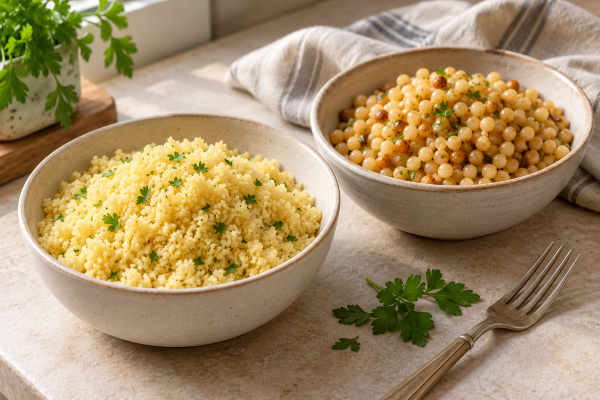
#I love elaborate camp dinners, but I do not cook like that every night. Some nights I choose food partly by how miserable the dishes will be. Foil packet potatoes with onions and herbs are low drama if you pack out the foil. Couscous is easier than sticky rice. Tortilla meals beat saucy pasta when water is limited. A big salad with canned fish, beans, olives, and local bread can feel very Mediterranean vacation even when you’re sitting next to a dusty Subaru. Breakfast tacos are easier than pancake batter, though pancakes win emotionally, let’s be honest.
- Use tortillas to wipe plates before washing. It sounds silly, it works.
- Cook greasy foods earlier in the trip when you have more water and patience.
- Bring one “raw meat” cutting board that is obvious, like bright red or labeled.
- Choose one-pot meals, but remember one-pot does not mean no cleanup. It means one very serious pot.
- If the campground has a dish station, use it respectfully and don’t leave noodles in the sink like a monster.
One of my lazy favorites is a Pacific Northwest-ish picnic dinner: smoked salmon, boiled baby potatoes, cucumber, dill, mustard, hard cheese, apples, and bread. Almost no cooking, not much grease, and it tastes like you tried harder than you did. Another is desert camp nachos with beans, roasted corn, salsa, and local chorizo if I can keep it cold and cook it safely. Nachos make people happy. They also create cheesy cement on pans if you’re careless, so line the pan or eat fast and wash while it’s still warm.
The romance is still there, I promise
#Sometimes people hear all this and think I’m taking the fun out of camping. I get it. Nobody wants a lecture when the fire is crackling and the stars are out and someone just opened a bag of marshmallows. But for me, the systems make the fun last longer. When the dishes are handled, the greywater is dealt with, the cooler is organized, and the trash is secure, I can actually relax. I can sit there with a cup of cocoa or a little enamel mug of wine and listen to the night without wondering if my frying pan is summoning wildlife from three valleys over.
Food travel is partly about appetite, but it’s also about respect. Respect for the place you’re visiting, the people sharing the campground, the animals who live there, and your own poor stomach. The best meals I’ve had on the road were not perfect. There was ash in the bread, too much salt in the stew, a raccoon once stared at me like it wanted my soul, and I have absolutely overcooked fish while trying to look confident. But the meals were memorable because they belonged to the place. They tasted like the market we stopped at, the weather we cooked in, the trail we’d just walked, and the care we took cleaning up after ourselves.
Final camp-kitchen thoughts before I go wash my coffee mug
#If you remember nothing else, remember this: scrape first, wash properly, strain greywater, dispose of it by local rules, keep hands clean, keep cold food cold, and don’t let raw meat vibes wander around your camp kitchen. That’s the whole deal, basically. You don’t need to be paranoid. You just need a routine. Once you have one, campground dishwashing becomes another small travel ritual, like checking the map, buying the weird local chips, or making coffee before anyone is allowed to speak too loudly.
And honestly, the next time you’re eating something ridiculous and wonderful at a picnic table, maybe local cheese and peaches, maybe trout with lemon, maybe smoky beans after a rainy hike, you’ll be glad you brought the extra tub and the little mesh strainer. Not glamorous, no. But good travel rarely is all glamour. Sometimes it’s garlic on your fingers, soap bubbles in cold air, and the quiet satisfaction of leaving a campsite cleaner than you found it. For more food-road-trip rambles and practical travel eating ideas, I’d poke around AllBlogs.in sometime.