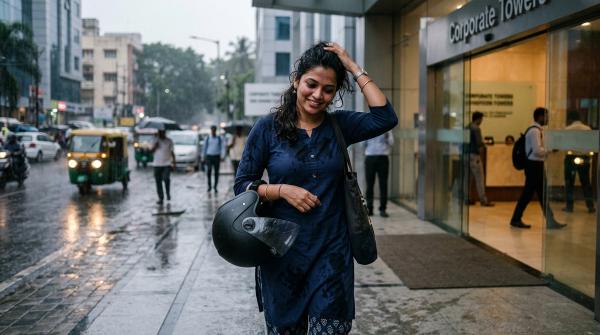
If you live in a place where summer feels sticky, monsoon clothes refuse to dry, and one commute can ruin your whole outfit, the fabric of your innerwear matters more than people admit.
The short answer: modal or micromodal is usually the best innerwear fabric for humid weather.
It feels soft, sits light on the skin, and usually handles sweat better than regular cotton. For everyday use — office, college, commuting, errands, long sitting hours — modal is the easiest recommendation.
But that does not mean cotton is useless. Or that bamboo is some miracle fabric. Or that synthetic underwear belongs only in gym bags.
Different fabrics solve different problems.
Cotton is breathable and familiar, but it can stay damp once it absorbs sweat. Modal and micromodal feel smoother and tend to stay more comfortable through a long humid day. Bamboo viscose feels soft and cool, especially for sleep. Nylon and polyester blends dry the fastest, so they are great for workouts, travel, rain, and heavy sweating. Merino blends are useful for longer trips, though they are not everyone’s daily choice.
Here’s the practical, no-hype guide to choosing between cotton vs modal innerwear, bamboo innerwear, nylon/polyester blends, and merino blends when the weather is hot, humid, or both.
Quick answer: which fabric should you choose?
#If you want the simplest fabric guide, start here:
- Daily office, college, commute: Modal or micromodal
- Gym, running, heavy sweat: Nylon/polyester moisture-wicking underwear
- Low-sweat days or AC rooms: Cotton
- Sleep and lounging: Bamboo viscose/rayon, modal, or light cotton
- Monsoon season: Modal or quick-dry synthetic blends
- Long travel with limited laundry: Merino blends or quick-dry synthetics
If you sweat a lot, thick cotton is usually not your best friend. It may feel great when dry, but after a sweaty commute or a humid afternoon, it can feel damp, heavy, and clingy.
Why innerwear feels worse in humid weather
#Humidity changes everything.
In dry heat, sweat evaporates faster. That evaporation helps cool you down. In humid weather, the air is already full of moisture, so sweat does not evaporate as easily. It stays on your skin and gets trapped in your clothes.
That is when innerwear starts feeling uncomfortable.
A pair that felt soft at 9 AM may feel sticky by noon. Damp fabric can cling to the skin, bunch up, or rub around the thighs, waistband, groin folds, and seams. Add a long commute, a bike ride, a packed train, office AC, sudden rain, and slow indoor drying — and the wrong fabric becomes very noticeable.
So in humid weather, “breathable” is not enough. You need innerwear that can:
- Handle sweat
- Dry reasonably fast
- Reduce cling
- Avoid rough rubbing
- Stay comfortable for long hours
That is where moisture-wicking underwear and lighter fabrics become useful.
Cotton vs modal vs bamboo innerwear: the practical comparison
#1. Cotton innerwear: comfortable, familiar, but slow to dry
#Cotton is the classic innerwear fabric. Most people have worn it for years, and for good reason. It is soft, breathable, widely available, easy to wash, and usually affordable.
On a cool day, at home, while sleeping, or in an air-conditioned office, cotton can feel perfectly fine. Sometimes it is exactly what you want: simple, soft, and familiar.
The problem starts when you sweat.
Cotton absorbs moisture well, but it also holds on to it. In humid weather, that means it can stay wet for longer. During a commute, monsoon day, or long outdoor errand, cotton innerwear can start feeling like a damp layer sitting against your skin.
That dampness can also increase friction, especially if the fit is tight or the seams are rough.
Best for:
- Air-conditioned office days
- Low-sweat daily wear
- Sleeping in mild or cool rooms
- Lounging at home
- People who prefer simple, natural-feeling fabrics
Less ideal for:
- Gym
- Running
- Heavy sweating
- Long outdoor commutes
- Monsoon travel
- Days when clothes take too long to dry indoors
Verdict: Cotton is comfortable when sweat is low. In high humidity, it can get damp and stay damp.
2. Modal and micromodal innerwear: the best all-rounder for humidity
#Modal is a semi-synthetic fabric made from cellulose, often from beech wood. Micromodal is a finer version of modal, and it usually feels even softer and smoother.
For humid weather, modal and micromodal hit a very practical middle ground. They feel soft without feeling too heavy. They breathe well, drape smoothly, and usually manage moisture better than regular cotton.
This is why modal has become so popular in premium daily innerwear. It is not just about that buttery-soft feel when you first touch it. The real advantage shows up after a few hours of actual life: walking, sitting, sweating, commuting, and moving around.
Modal tends to feel less soggy than cotton and more comfortable for all-day wear. For most people, it is the easiest daily upgrade.
Best for:
- Daily office wear
- College
- Humid commutes
- Hot-weather errands
- Monsoon days
- Long sitting hours
- People who want softness without a thick cotton feel
Less ideal for:
- Very rough washing
- High-heat drying
- People looking for the cheapest possible option
Care note: Modal usually lasts longer when you wash it gently and avoid harsh heat while drying.
Verdict: For everyday humid weather, modal or micromodal is usually the best innerwear fabric.
3. Bamboo innerwear: soft and cool-feeling, but read the label
#Bamboo innerwear often gets marketed as soft, breathable, cool, natural, and sometimes even antibacterial. And yes, good bamboo innerwear can feel lovely. It is usually smooth, silky, and cool to the touch, which makes it especially nice for sleep or lounging.
But there is one important thing to know.
Most silky “bamboo” clothing is not raw bamboo fabric in a simple natural form. It is usually bamboo viscose or rayon made from bamboo. The bamboo is processed into viscose or rayon before it becomes the soft fabric you wear.
The U.S. Federal Trade Commission has warned brands against labeling these textiles simply as “bamboo” when they should be described as rayon made from bamboo or viscose made from bamboo.
That does not make bamboo viscose bad. It can still be very comfortable. It just means you should not buy it only because the packaging makes it sound magically natural, medicinal, or automatically better for your skin.
Best for:
- Sleep
- Lounging
- Soft, cool-feeling innerwear
- Light daily wear
- People who dislike thick or rough fabrics
Less ideal for:
- Gym or intense workouts
- Heavy friction areas
- Rough washing routines
- Buyers expecting miracle antibacterial benefits
- People who need maximum durability
Verdict: Bamboo viscose/rayon can feel excellent, especially for sleep and relaxed wear. Just be careful with over-the-top marketing claims.
4. Nylon and polyester blends: best for sweat and quick drying
#If your main issue is heavy sweating, nylon and polyester blends are hard to beat.
These fabrics are commonly used in moisture-wicking underwear because they move sweat away from the skin and dry quickly. That makes them useful for gym sessions, running, sports, trekking, rainy travel, and very sweaty days.
Good synthetic innerwear often includes stretch, mesh zones, or smooth seams. These details help the fabric move with you instead of bunching, pulling, or rubbing.
The trade-off is feel. Some people love light synthetic underwear because it dries quickly and stays supportive. Others do not like wearing synthetic fabrics all day, especially if the fabric feels plasticky or traps heat.
Quality matters a lot here. A good nylon/polyester blend can feel light and practical. A cheap, badly made synthetic pair can feel hot and uncomfortable.
Best for:
- Gym
- Running
- Sports
- Heavy sweating
- Rainy travel days
- Trekking or outdoor activity
- Fast drying during monsoon
Less ideal for:
- People who prefer cotton-like softness
- Low-quality synthetic fabrics that trap heat
- Anyone sensitive to certain dyes, finishes, or elastics
Washing note: Synthetic fabrics can hold odor if they are not washed properly. Wash them after heavy sweating and let them dry fully before wearing again.
Verdict: Nylon/polyester blends are the best choice when sweat control and quick drying matter most.
5. Merino blends: great for travel, less practical for everyday use
#Merino wool may sound strange for hot or humid weather, but fine merino blends are commonly used in travel and outdoor clothing. They can regulate temperature well, manage moisture, and stay wearable for longer between washes.
For innerwear, merino blends make sense on long trips, hikes, backpacking plans, flights, or work travel where laundry is limited. They also handle changing environments well — humid streets, cold airports, freezing office AC, and everything in between.
The downside is price. Merino blends usually cost more than cotton, modal, bamboo viscose, or basic synthetic underwear. They may also need gentler washing.
Best for:
- Long-haul travel
- Backpacking
- Multi-day trips
- Unpredictable temperatures
- Limited laundry access
Less ideal for:
- Tight budgets
- Rough daily washing
- People who want a silky-smooth feel
- Regular daily use for most wardrobes
Verdict: Merino blends are smart for travel, but they are not the most practical everyday choice for everyone.
Decision table: best innerwear fabric by use case
#Best innerwear fabric for Indian summers and monsoon
#For Indian summers, coastal humidity, and monsoon weather, the best fabric depends on your actual day.
If you commute in heat but spend most of the day in an air-conditioned office, modal or micromodal is a strong choice. It gives you softness indoors and better sweat comfort outdoors.
If you are going to the gym, walking a lot, playing a sport, travelling in rain, or sweating heavily, choose nylon/polyester blends. They dry faster and move sweat better.
If you are staying indoors, sleeping, or lounging, cotton, modal, and bamboo viscose can all work. Cotton is fine when sweat is low. Bamboo viscose is lovely if softness is your priority. Modal is the safest middle option.
If you are packing for monsoon travel, avoid depending only on thick cotton innerwear. It can take ages to dry indoors and may feel uncomfortable if it stays damp in your bag or on your body.
How to choose innerwear fabric without falling for hype
#Fabric matters, but it is not the whole story.
A good pair of innerwear also depends on fit, seams, waistband, stretch, fabric thickness, and drying time. A great fabric with a bad fit can still feel awful by evening.
Before buying, check these things.
1. Fabric composition
#Look at the actual label, not just the front of the packaging.
Common innerwear labels include:
- 100% cotton
- Cotton elastane blend
- Modal elastane blend
- Micromodal elastane blend
- Viscose made from bamboo
- Rayon made from bamboo
- Nylon spandex blend
- Polyester elastane blend
- Merino blend
A little elastane or spandex is normal in innerwear. It helps the garment stretch and recover, so it does not become loose too quickly.
2. Fabric thickness
#Thick fabric can feel premium in a store, but it may feel too warm in humid weather.
For hot and sticky climates, lighter fabric usually works better, as long as it is not too flimsy or uncomfortable for you.
3. Seams and stitching
#Rough seams feel much worse when you are sweating. If you often get waistband irritation, thigh rubbing, or discomfort near the groin, look for smoother seams, flat seams, or seamless styles.
This small detail can make a big difference after a long day.
4. Leg length and coverage
#If you deal with thigh chafing, very short cuts may not help. Longer trunks, boxer briefs, or mid-thigh styles can reduce skin-to-skin rubbing.
This is not about body type. It is about sweat, movement, and friction.
5. Drying time
#If you live in a monsoon-heavy city or dry clothes indoors, drying time matters.
Thick cotton usually takes longer to dry. Modal, bamboo viscose, and synthetic blends often dry faster, while nylon/polyester blends are usually the quickest.
Skin comfort in humid weather
#Sweat and friction can irritate the skin, especially when fabric stays damp or keeps rubbing the same area. This is common in hot, humid weather.
To reduce discomfort:
- Choose moisture-wicking underwear for high-sweat days
- Change out of wet gym clothes or rain-soaked innerwear quickly
- Avoid rough seams where you already get irritation
- Pick a cut that reduces skin-to-skin friction
- Let innerwear dry fully before wearing it again
- Do not rely on “anti-odor” or “antibacterial” marketing to solve skin issues
If you have a persistent rash, infection, allergy, pain, swelling, or recurring irritation, consult a dermatologist. This is a fabric guide, not medical advice.
Cotton vs modal innerwear: which is better?
#For humid weather, modal is usually better than cotton for daily wear.
Cotton is breathable and comfortable when dry, but it absorbs sweat and can stay wet. Modal feels softer, lighter, and usually more comfortable through long humid days.
Choose cotton if you are indoors, sleeping, or not sweating much.
Choose modal if you commute, sweat easily, live in a humid city, or want one fabric that works for office, college, errands, and regular daily wear.
Bamboo innerwear vs modal: which should you choose?
#Choose bamboo viscose/rayon if you want a silky, cool-feeling fabric for sleep, lounging, or relaxed wear.
Choose modal or micromodal if you want a more dependable daily fabric for humid weather, commuting, and repeated use.
Both can feel soft. The difference is practical. Modal is usually the better all-rounder. Bamboo viscose is more about softness and a cool touch.
And remember the labeling point: most silky “bamboo” textiles are usually rayon or viscose made from bamboo.
Nylon/polyester vs modal: which is better for sweat?
#For heavy sweat, nylon/polyester blends usually win.
They are better for gym, running, sports, and active days because they dry quickly and move sweat away from the skin.
For everyday wear, many people prefer modal because it feels softer and less sporty against the skin.
A simple way to decide:
- Gym and heavy sweat: Nylon/polyester blends
- Daily humid weather: Modal or micromodal
- Low-sweat comfort: Cotton or modal
- Sleep: Bamboo viscose/rayon, modal, or light cotton
Final recommendation
#If you want one safe everyday choice, buy modal or micromodal innerwear.
It gives the best balance of softness, breathability, and moisture comfort for humid weather. It works well for office, college, commutes, errands, and regular daily wear.
Keep cotton for low-sweat days, cool rooms, and sleep. Use nylon/polyester blends for workouts, travel, rain, and heavy sweating. Try bamboo viscose/rayon if you want very soft, cool-feeling innerwear for sleep or light wear. Consider merino blends for travel if your budget allows.
The best innerwear fabric for humid weather is not about finding one magic material. It is about matching the fabric to your day.
And honestly, in a hot and humid climate, it makes sense to own more than one type.