A credit card billing cycle in India is the monthly window in which your card issuer records your spends, refunds, EMIs, fees, reversals and payments. The statement date is when the bill is generated. The due date is the last date by which payment should reach your credit card account. If you remember only one habit, make it this: pay the total amount due before the due date.
Why your credit card billing cycle matters
#Credit cards feel simple because money does not leave your bank account immediately. But the real control point is not only how much you spend. It is also when you spend and when you pay.
A credit card usually follows this rhythm:
- You spend during the billing cycle.
- The issuer generates a statement.
- You get time to pay.
- Your payment must reach the card account by the due date.
Understanding this rhythm helps you avoid common mistakes: paying after the due date, paying only the minimum due, assuming autopay always works, or reducing payment because a refund is “on the way”.
This is general education, not personal financial advice. Always check your issuer’s latest statement, MITC and official communication before making payment decisions.
What is a credit card billing cycle?
#A credit card billing cycle is the period during which your issuer records activity on your account. This can include purchases, online payments, EMI entries, cash withdrawals if any, annual or other fees, refunds, failed transaction reversals and payments made by you.
At the end of the cycle, your credit card statement is generated. It usually shows your transaction list, total amount due, minimum amount due and payment due date.
Think of the three key terms like this:
- Billing cycle: the period in which transactions are recorded
- Statement date: the day your bill is created
- Due date: the last date to pay
Statement date vs due date
#An easy way to remember it: statement date means your bill is ready; due date means your payment should be received.
Example of a billing cycle
#Suppose your billing cycle runs from 6 April to 5 May. Purchases made during that period appear in the statement generated on 5 May. If your due date is 25 May, payment should reach your card account by then.
A purchase made on 7 April may get a longer interest-free window than a purchase made on 4 May, because both appear in the same statement but were made at different points in the cycle. This benefit generally works best when you pay the total amount due on time and do not carry old unpaid balances.
Total amount due vs minimum amount due
#Your statement usually shows two important figures: total amount due and minimum amount due.
The total amount due is the full statement amount payable. It may include purchases, EMI amounts billed in that cycle, fees, charges, previous unpaid balances and adjustments for credits where applicable.
The minimum amount due is the smallest amount you need to pay by the due date to avoid a worse missed-payment situation for that cycle. But it does not clear your full bill. The unpaid balance can attract interest as per your issuer’s terms, and the usual interest-free benefit on new purchases may be affected while dues are carried forward.
A practical rule:
- Best option: pay the total amount due.
- Backup option: pay at least the minimum due if you cannot pay full.
- Risky option: pay nothing and hope to fix it later.
What is the grace period?
#The grace period is the time between the end of your billing cycle and the payment due date. People often call it the interest-free period, but it usually works properly only when you pay the total amount due on time and follow card terms.
For example, if your billing cycle closes on 30 April and the due date is 20 May, purchases made early in the cycle may get more days before payment is due than purchases made near the statement date.
Credit card refund after statement: can you pay less?
#Refunds after statement generation can be confusing. Suppose your statement is generated, then you return an item before the due date. The merchant says the refund is initiated. Can you reduce your card payment?
Do not assume. First check whether the refund has actually reached your card account and whether your issuer has adjusted it before the due date. RBI FAQs and regulatory guidance recognise refund and failed-transaction reversal adjustments, but your payment decision should be based on what your issuer’s app, net banking or statement view shows.
Safe refund checklist:
- Check if the refund is visible in your card account.
- See whether the payable amount or current outstanding has reduced.
- Confirm that it is marked credited, settled or adjusted.
- If the due date is close and the refund is not visible, pay based on the amount still shown by the issuer.
- Save merchant and payment proof until the issue is settled.
A merchant message saying “refund initiated” is not the same as a refund credited to your credit card account.
Failed transaction reversals
#Sometimes an online payment fails but a charge is temporarily posted or blocked. This can happen with shopping sites, travel bookings, payment gateways or app payments. If the reversal appears after your statement is generated, check whether it has been adjusted before the due date.
For payment planning, your card issuer’s account view matters more than a merchant message.
Credit card autopay: useful, but not foolproof
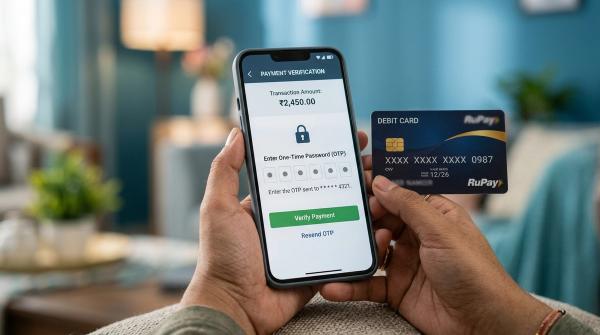
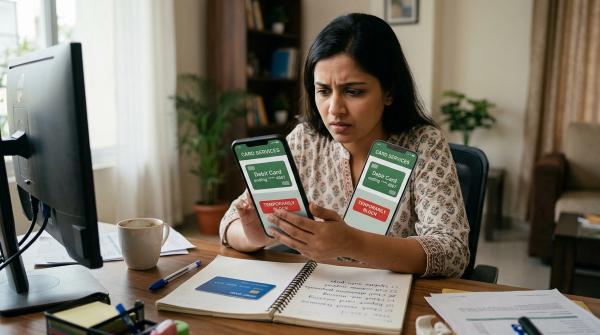
#Autopay can reduce the chance of forgetting your due date, but it still needs monitoring. It may fail because of low bank balance, mandate limits, technical delays or because it is set only for the minimum due instead of the total due.
Before the due date, check:
- Is autopay active?
- Is it set for total due or minimum due?
- Is the linked bank account correct?
- Is there enough balance?
- Is the mandate limit high enough for this month’s bill?
- Has the debit actually happened?
- Has the payment been credited to the card account?
If autopay fails, make a manual payment quickly and keep proof.
Payment checklist before the due date
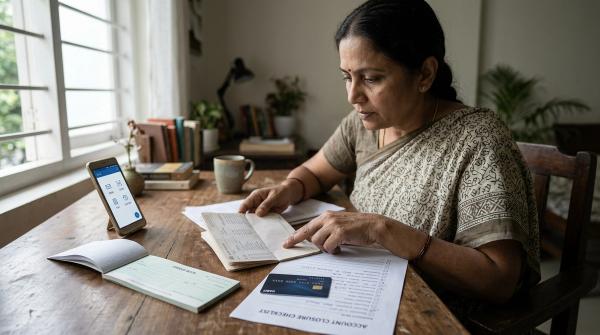
#Use this checklist 3–5 days before your payment due date:
- Open the latest statement. Check statement date, due date, total amount due, minimum amount due and transaction list.
- Verify every transaction. Look for duplicate charges, old subscriptions, unexpected fees, EMI entries or unrecognised spends.
- Confirm how much to pay. Paying the total amount due is the cleanest habit.
- Check refunds and reversals. Do not reduce payment unless the credit is visible and adjusted in your card account.
- Keep money ready for autopay. Avoid funding the linked account at the last minute.
- Pay early if paying manually. Some routes are instant; others may take time.
- Save proof. Keep screenshots, SMS, email confirmations or transaction IDs.
- Confirm card credit. A debit from your bank is not enough; your credit card account should show the payment.
What if you are about to pay late?
#If the due date is today or very close, focus on reducing risk:
- Pay immediately through a reliable route offered by your issuer.
- If you cannot pay full, pay at least the minimum due.
- Pay more than the minimum if possible to reduce the unpaid balance.
- Confirm the payment is credited to the card account.
- Save payment proof.
- Avoid new spending until you understand the interest impact.
- Read your card’s MITC for late payment, interest and fee rules.
If you are repeatedly unable to pay card bills, speak to your issuer or a qualified professional for your specific situation.
Credit card late payment in India: what to know
#In India, late-payment and past-due treatment is linked to the payment due date mentioned in your credit card statement. RBI’s credit card directions state that late payment and days-past-due treatment are computed from the payment due date shown in the statement.
In simple terms, the due date printed on your statement is the key date. If payment is not received by then, the issuer may apply late fees, interest or other treatment as per card terms and applicable rules. RBI directions also require penal charges for late payment to be levied only on the outstanding amount after the due date, not on the total credit limit.
Because fee structures and processing rules vary, check your card’s Most Important Terms and Conditions, also called MITC.
Can you change your billing cycle?
#Many issuers allow cardholders to request a billing cycle change, subject to policy and applicable directions. This can help if you want your due date to fall after salary credit or after a time when you usually maintain enough bank balance.
Before requesting a change, check whether your issuer allows it, how often it can be changed, when the new cycle will take effect and whether the current statement is affected.
Good habits to avoid late fees and interest
#- Add the due date to your calendar.
- Set reminders a few days before the due date.
- Use autopay, but still verify it.
- Pay the total amount due whenever possible.
- Do not treat minimum due as a normal monthly strategy.
- Check refunds before reducing payment.
- Pay early if the route may take time.
- Read the MITC when you receive a new card.
- Keep proof until payment is credited.
Credit cards reward attention. A few minutes of checking every month can save stress, fees and avoidable interest.
Final takeaway
#Managing a credit card safely is not complicated. Know your statement date, know your due date, verify refunds, check autopay and pay the total amount due whenever possible. Your statement is your monthly control panel — read it before the due date, not after something goes wrong.
Disclaimer: This article is for general education only. It is not investment advice, loan advice, legal advice, tax advice, debt advice or personalised financial advice. Credit card terms, billing rules, charges and payment processing can vary by issuer and card type.