Egypt is a surprisingly great place to be thirsty.
If you do not drink alcohol, you are traveling with kids, or you simply want to order what locals drink every day, you will have plenty of choices. Alcohol-free drinks are easy to find in Egypt: at juice shops, street stalls, cafés, family restaurants, hotels, markets, and especially during Ramadan.
Some drinks are icy and refreshing. Some are hot, thick, and comforting. Some are sweet enough to count as dessert. Many of the best Egyptian drinks are built around simple ingredients like hibiscus, milk, rice, coconut, sugarcane, tea, coffee, or fresh fruit.
Here is what to drink in Egypt, what each drink tastes like, when to order it, and what to watch for if you are careful about dairy, nuts, sugar, caffeine, ice, or street-stall hygiene.
Quick Answer: What to Drink in Egypt
#If you only try a few non-alcoholic Egyptian drinks, make them these:
- For hot weather: Order cold karkade or fresh sugarcane juice from a busy juice shop.
- For winter evenings: Try sahlab, a thick hot milk drink usually topped with cinnamon, coconut, or nuts.
- For something sweet and creamy: Look for sobia, a chilled rice, milk, coconut, and sugar drink that is especially popular during Ramadan.
- For a café order: Try ahwa Egyptian coffee, black tea, mint tea, or hot karkade.
- For street-stall caution: Pay attention to ice, reusable glasses, dairy storage, nut toppings, and very sweet drinks if any of those are an issue for you.
These are some of the most useful alcohol-free drinks to know in Egypt because they are common, easy to recognize, and genuinely worth trying.
Karkade: Egypt’s Deep Red Hibiscus Drink
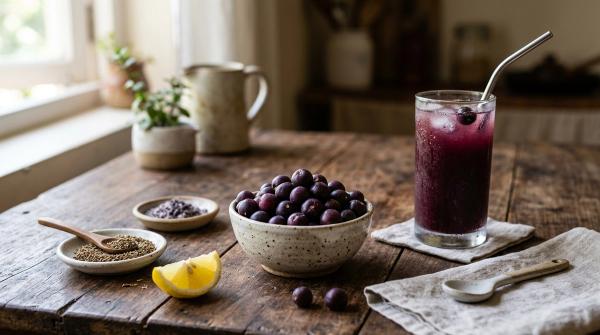
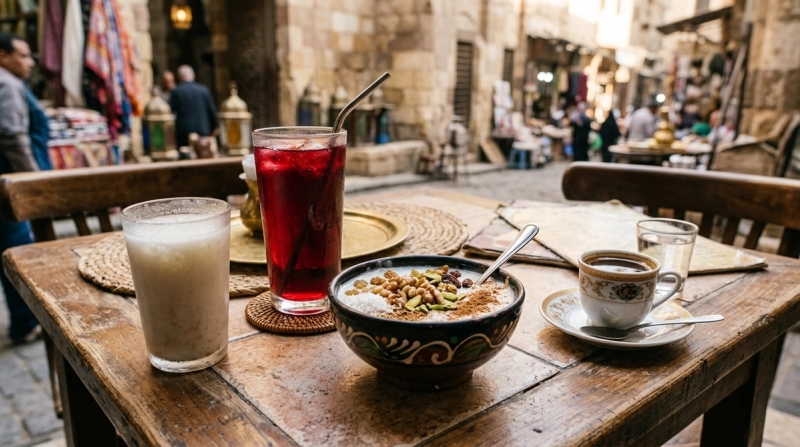
#Karkade is one of the easiest Egyptian drinks to fall for. It is made from dried hibiscus flowers, water, and sugar, and it has a beautiful deep red color that looks almost jewel-like in the glass.
The taste is tart, fruity, and a little floral. If you want a rough comparison, think of cranberry juice or pomegranate juice, but softer and more fragrant. It is not like black tea or green tea, and it does not have that dry, bitter tea flavor.
You can drink karkade either hot or cold.
When to order karkade
#Order cold karkade when you have been walking around in the heat and want something sharp, cold, and refreshing. It is perfect after sightseeing, during a hotel break, or any time you want something lighter than a creamy drink.
Order hot karkade in the evening, in cooler weather, or when you want a warm drink without caffeine.
One thing to know: karkade is often sweet. Sometimes very sweet. If you prefer it less sugary, ask before it is poured. In some cafés and juice shops, it may already be prepared in a big batch, so they may not be able to adjust it.
What to check before drinking karkade
#- Ice: If it is served cold, check whether it comes with ice. Sensitive stomach? Ask for it chilled but without ice.
- Sugar: It can be very sweet, so ask for less sugar if possible.
- Caffeine: Karkade is naturally caffeine-free, which makes it a good evening option.
Sahlab: The Thick Winter Drink
#Sahlab is the drink you want when the weather turns cool. It is hot, creamy, thick, and cozy. Honestly, it is closer to a drinkable pudding than a regular cup of milk.
Traditional sahlab is made with ground orchid bulbs, which help thicken the milk. It is usually sweetened, served hot, and topped with cinnamon, shredded coconut, crushed pistachios, walnuts, or other nuts.
The texture is the main event. Smooth, velvety, and thick enough to feel like dessert. It has a gentle sweetness and a warm cinnamon smell that makes it feel made for winter nights.
When to order sahlab
#Order sahlab in winter, especially at night in a café in Cairo, Alexandria, or another city where people sit and linger over hot drinks.
It is also a nice after-dinner order if you want something sweet but do not want a full dessert.
It is not really a hot-weather drink. Sahlab is rich and milky, so it makes much more sense on a chilly evening than during a long day of sightseeing in the sun.
What to check before drinking sahlab
#- Dairy: Sahlab is milk-based.
- Nuts: It is often topped with nuts. If you have a nut allergy, ask for it plain, but remember that cross-contact can still happen.
- Sugar: It is normally sweetened.
- Texture: If you dislike thick drinks, you may not love it. If you like custard, rice pudding, or warm milk desserts, you probably will.
For more general allergy and dessert-stall caution, see Street Dessert Safety While Traveling.
Sobia: A Cold, Creamy Ramadan Favorite
#Sobia is a sweet chilled drink made with rice, milk, coconut, and sugar. It is white, creamy, filling, and usually quite sweet. The coconut flavor is there, but it is usually soft rather than overpowering.
Sobia has older roots in medieval Egypt, where it began as a fermented drink. Today, the Egyptian sobia most travelers encounter is a non-alcoholic sweet drink, especially popular during Ramadan.
You may see it sold in bottles, cups, or even plastic bags. Around sunset in Ramadan, sobia suddenly seems to appear everywhere, as people buy drinks to break the fast.
When to order sobia
#Order sobia when you want something cold, sweet, and creamy. It is more of a treat than a thirst-quencher, so think of it as a snack or dessert drink.
It is especially worth trying during Ramadan, when it is much easier to find. Outside Ramadan, some juice shops still sell it, but it may not be as common.
What to check before drinking sobia
#- Dairy: Egyptian sobia usually contains milk.
- Sugar: It is normally already sweetened, so asking for less sugar may not be possible.
- Freshness: Because it contains dairy, buy it from a clean, busy place with good turnover.
- Ice: If it is poured over ice, cautious travelers may prefer to skip the ice.
Sugarcane Juice: Fresh, Fast, and Naturally Sweet
#Fresh sugarcane juice, often called ‘aseer ‘asab, is one of the best drinks to order in Egypt on a hot day.
At juice shops, long sugarcane stalks are pushed through a pressing machine, and pale green juice comes out the other side. It is naturally very sweet, usually served cold, and often drunk quickly at the counter.
The taste is grassy, fresh, and sugary, but not in the same way as soda. It feels cleaner and more natural, partly because you often watch it being pressed right in front of you.
When to order sugarcane juice
#Order sugarcane juice during the day when you need something quick, cold, and refreshing. It is common at local juice shops, especially in busy neighborhoods, market streets, and areas with lots of foot traffic.
You can drink it at the shop or take it away. In some places, you may see people carrying juice in a plastic bag with a straw. It might look unusual at first, but it is completely normal.
What to check before drinking sugarcane juice
#- Machine cleanliness: Look at the press. If it looks grimy, sticky, or badly maintained, choose another shop.
- Turnover: A busy shop is usually better because the sugarcane is being used quickly.
- Glassware: If the reusable glasses are only being rinsed quickly, ask for a disposable cup.
- Ice: Sugarcane juice is often cold already. If you are cautious, ask for no added ice.
For a broader checklist, use this guide: Food Market Hygiene Checklist for Travelers.
Hot vs Cold Drink Choices in Egypt
#An easy way to choose what to drink in Egypt is to match the drink to the weather, or just to your mood.
Best cold drinks
#Choose these when you are hot, tired, or coming back from sightseeing:
- Cold karkade: Tart, floral, and refreshing.
- Sugarcane juice: Fresh, naturally sweet, and quick.
- Sobia: Cold, creamy, and better as a treat than a thirst-quencher.
- Fresh fruit juices: Mango, guava, watermelon, strawberry, and other seasonal juices are common.
Best hot drinks
#Choose these in the evening, in winter, or when sitting at a café:
- Sahlab: Thick, hot, milky, and often topped with cinnamon, coconut, or nuts.
- Hot karkade: Tart, soothing, and caffeine-free.
- Ahwa: Strong Egyptian coffee, served thick and unfiltered in small cups.
- Black tea or mint tea: Very common café orders, often strong and sweet.
If you are learning how to ask for drinks while traveling, this may help: How to Order Non-Alcoholic Drinks Abroad.
Other Non-Alcoholic Drinks in Egypt to Know
#Karkade, sahlab, sobia, and sugarcane juice are a great place to start, but they are not the only alcohol-free drinks you will see.
Ahwa
#Ahwa is Egyptian coffee. It is usually strong, thick, and served in small cups. It is unfiltered, so you will often find coffee grounds settled at the bottom.
It is a good thing to order if you want to sit at a traditional café and stay a while. Just remember that it contains caffeine and may be prepared with sugar unless you ask otherwise.
Tea
#Egyptian tea is often strong and sweet. Mint tea is also common and easy to order in cafés, restaurants, and hotels.
If you do not like sweet tea, ask before they add sugar. Sometimes tea is served already sweetened, and sometimes the sugar comes separately.
Halabessa
#Halabessa, also called hummus sham, is somewhere between a drink and a light savory snack. It is made with chickpeas, water, tomatoes, lemon juice, cumin, and chili.
It is especially popular in winter, including along the Nile and on the Alexandria corniche. If you want something warm but not sweet, this is a fun one to try.
Fakhfakhina
#Fakhfakhina is a rich fruit cocktail. It often includes mango juice, pieces of fruit, and sometimes a scoop of ice cream.
Think of it as dessert in a cup rather than a light juice. It can be very sweet, but sometimes that is exactly what you want.
Ramadan drinks
#During Ramadan, you will see more seasonal drinks and sweet beverages than usual. Along with sobia, look for qamar al-din, a sweet apricot nectar, and khoshaf, a drink made with steeped dates, figs, and raisins.
For more café-style ideas, see Middle Eastern Café Drinks Without Alcohol.
Street Stall and Café Hygiene Checks
#Trying local drinks is part of the fun in Egypt, but a little common sense helps. This is especially true if it is your first visit or you know your stomach reacts easily when you travel.
Look for busy places
#Choose juice shops and stalls with steady customers. When lots of people are ordering, ingredients usually move quickly and drinks are less likely to sit around.
Watch how glasses are washed
#Some traditional juice shops serve drinks in heavy reusable glasses. If the glass washing makes you uncomfortable, ask for a disposable cup or take the drink to go.
Be careful with ice
#Ice is one of the main things cautious travelers watch. Locals may drink it without a problem, but visitors can react differently. If you have a sensitive stomach, ask for no ice and choose bottled or refrigerated drinks when possible.
Check dairy storage
#For sobia and sahlab, pay attention to how the drink is stored and served. Dairy drinks are best from clean, busy places. If something looks like it has been sitting around too long, skip it.
Trust your eyes
#If the counter is dirty, the fruit looks old, the sugarcane machine is grimy, or the vendor is handling money and ingredients without much care, move on. In most busy areas, there will be another drink shop nearby.
Dairy, Nuts, Sugar, Caffeine, and Ice Cautions
#Here are the main dietary and comfort checks to keep in mind when ordering Egyptian drinks.
Dairy
#Sobia and sahlab usually contain milk. If you avoid dairy, choose karkade, sugarcane juice, black tea, mint tea, or fresh fruit juice instead.
Nuts
#Sahlab is often topped with nuts like pistachios or walnuts. If you have a nut allergy, ask for no nuts. Still, be aware that cross-contact can happen, especially in small cafés.
Sugar
#Many Egyptian drinks are sweet by default. Karkade, tea, coffee, sobia, fruit juices, and fruit cocktails may all come with plenty of sugar.
Useful phrases:
- Bedoun sokar: without sugar
- Shwaya sokar: a little sugar
This is easiest with made-to-order coffee, tea, and sometimes karkade. It may not work with sobia or drinks prepared in large batches.
Caffeine
#Ahwa and black tea can be strong. If caffeine keeps you awake, choose karkade, sugarcane juice, sobia, or fresh fruit juice later in the day.
Ice
#If you are being careful about stomach issues, ask for no ice in street drinks. This matters most with cold karkade, fresh juices, sugarcane juice, and sobia.
What to Order by Situation
#Still not sure what to choose? Use this quick guide.
After a hot sightseeing day
#Order cold karkade or fresh sugarcane juice. Both are refreshing and easy to find.
At a traditional café
#Order ahwa, strong tea, mint tea, or hot karkade. If it is winter, ask for sahlab.
With kids
#Try karkade, fresh fruit juice, or sugarcane juice. Sobia can be fun too, but check the dairy and sugar first.
If you do not want caffeine
#Choose karkade, sobia, sugarcane juice, or fruit juice. Avoid ahwa and black tea.
If you want something filling
#Order sahlab in winter or sobia when you want something cold and creamy.
If you want something savory
#Look for halabessa, especially in cooler weather or near waterfront walking areas.
During Ramadan
#Try sobia, qamar al-din, or khoshaf when available. These drinks are especially common around sunset, when people are preparing to break the fast.