Tempeh is a firm cake of fermented beans that can be sliced, cubed or crumbled. For a first try, cut it into thin slices, cook it according to the package, and brown it in a lightly oiled pan. Add a sauce after the edges turn golden. That gives you a clear view of its nutty flavor and chewy texture before you build a more complicated meal around it.
The important first check is the package. Tempeh is sold in different forms, including pasteurized and unpasteurized products. Follow its cooking and storage directions. If the label calls for cooking before eating, do that even if a recipe elsewhere says tempeh is ready to eat. A brief steam can mellow a strong taste and soften a dense block, but it is a cooking choice, not a universal requirement for every packaged product.
What tempeh is, and why it cooks differently
#Tempeh comes from Indonesia. In a common soy version, cooked beans are fermented with a culture that grows through them and binds them into a compact cake. You can usually see the whole beans in a cut face. That structure gives tempeh a firm, slightly chewy bite; the white growth binding the beans is part of normal production, not a reason by itself to throw the block away.
Some products mix soy with grains or use other legumes. Read the ingredient list if you have an allergy or need to avoid gluten. A soy tempeh contains soy, and a grain blend may contain wheat or another ingredient you need to check. The name alone does not settle it.
Tempeh has more of its own flavor than mild tofu. It can taste nutty, earthy or a little fermented. A marinade and a browned surface change the eating experience, but they do not turn the interior into tofu. If you wanted a silky sauce or a delicate soup cube, choose tofu instead. Allblogs' tofu cooking guide explains that different texture decision. Tempeh suits slices that need to hold together, crumbles in a sauce, and pieces that can be browned before they are glazed.
There is no need to present tempeh as a replacement for every meat dish. In Indonesian cooking it has its own history and dishes. A global home cook may meet it first in a grain bowl or sandwich; that is a useful starting place, not the full story of the ingredient.
Choose the block for the meal
#Look at the label before planning a method. Plain soy tempeh leaves the seasoning to you. A pre-marinated or seasoned block may already contain salt, sugar and strong flavors, so taste the finished dish before adding a second salty glaze. A mixed-grain block may have a different texture and allergen profile. Packaging may also specify whether it is pasteurized, whether it needs thorough cooking, and how to store it after opening.
Then decide what shape will work in the meal:
| Meal result | Cut or break the tempeh | Method to start with |
|---|---|---|
| Golden pieces for rice or vegetables | Thin slices or small rectangles | Pan brown, then glaze |
| Evenly browned topping for a large batch | Similar-size cubes | Roast on a spaced tray |
| Filling for a saucy dish | Small crumbles | Warm through in the sauce after browning if desired |
| Pieces for a grill or skewer | Sturdy slices or cubes | Pre-cook if the label requires it, then grill carefully |
Keep the pieces fairly even. A mix of tiny crumbs and thick slabs makes it hard to brown the batch without drying one part while another is still warming. Thick slices offer a soft center; thin slices give more browned surface. Neither is automatically better.
Should you steam tempeh first?
#Steam or gently simmer it when the block tastes assertive, feels particularly dense, or when you want to soften it before marinating. Food Network describes steaming cubes for about 10 to 15 minutes as an optional way to soften bitterness. That is a method example, not a promise that every block will taste the same after steaming.
Set a steamer basket over simmering water and place the cut pieces in one layer, or gently simmer them in water. Afterward, drain and pat them dry. The drying step matters if the next goal is browning: wet pieces release steam in a skillet or oven. If you are putting crumbles straight into a moist sauce, a perfectly dry surface matters less.
You can also try a small cooked piece first. If it tastes pleasant and the package permits the method you have planned, steaming may add work without improving your meal. If it has a stronger edge than you like, steam the remaining pieces and compare. This is a practical adjustment, not a safety test. A bad smell or suspicious package should never be rescued by steaming or heavy seasoning.
For an unpasteurized product, follow its cook-before-eating label. Public-health guidance on tempeh fermentation warns that raw and improperly handled tempeh can carry hazards; a quick flavor-softening step should not be treated as proof that the product is safe to eat. Buy from a reliable producer, maintain the cold chain, and follow product-specific cooking instructions.
Build flavor without making the surface soggy
#A simple seasoning plan has three parts: saltiness, brightness and an aroma. For example, use a little soy sauce or another savory seasoning, a small amount of citrus or vinegar, and ginger or garlic. The exact amounts depend on the saltiness of your packaged tempeh and the rest of the meal. A sweet element can help a glaze brown, but it can also scorch if added early to a hot pan.
Cutting exposes more surface for seasoning. Let the pieces sit in a marinade while you prepare the rice or vegetables, then drain them before browning. Set aside a clean portion of sauce for the finish instead of pouring a bowl of wet marinade into the pan at the start. A wet skillet steams; a relatively dry surface browns. If the marinade touched uncooked ingredients in the wider meal, do not use it as a cold finishing sauce without appropriate cooking.
For a crisp edge, cook first and glaze near the end. For a soft, deeply sauced dish, the reverse can be sensible: simmer tempeh in a flavorful liquid and accept that the outside will not stay crisp. The two textures serve different meals. It helps to choose one before you turn on the stove.
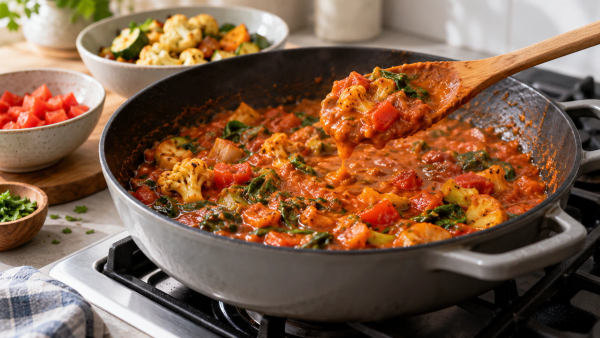
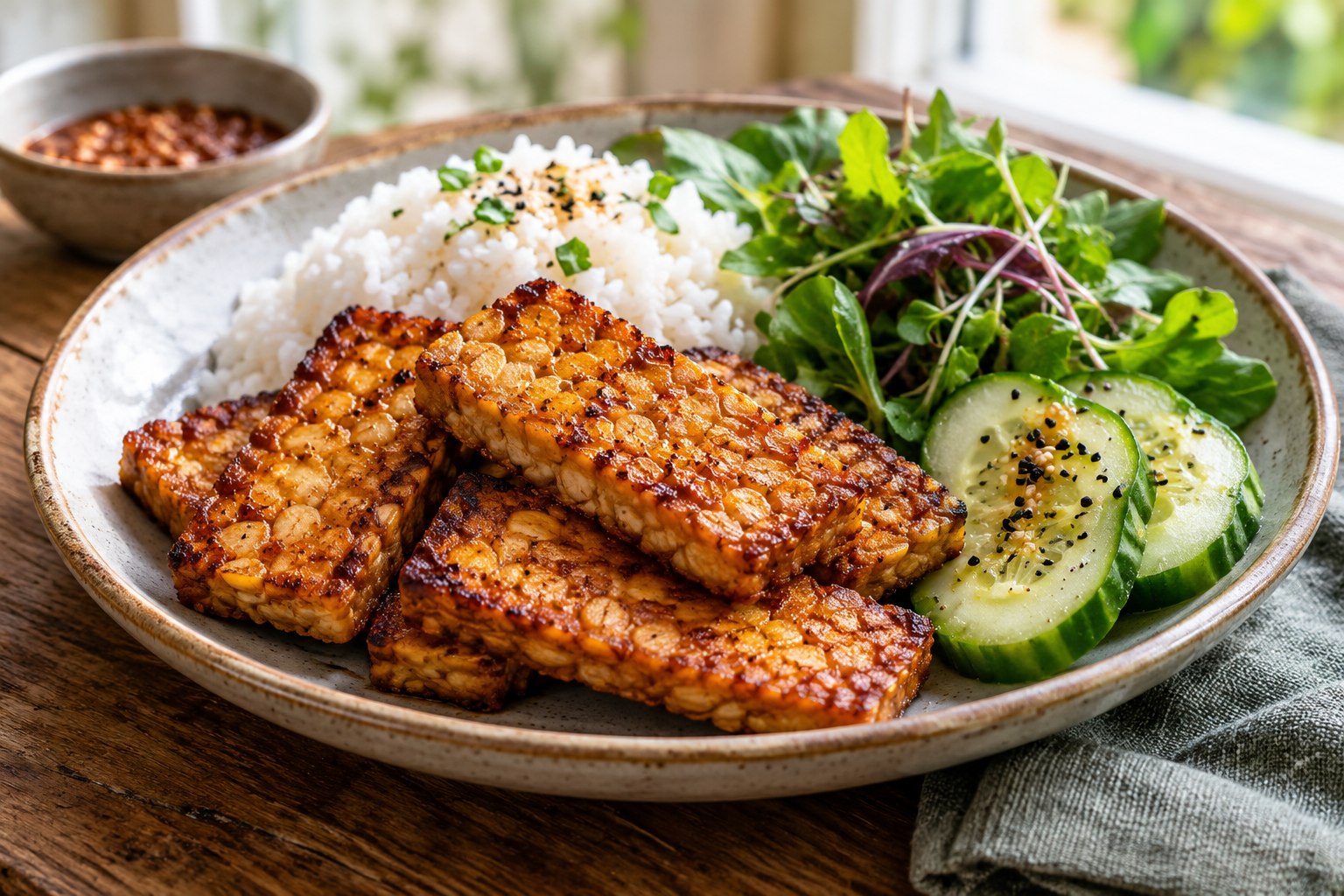
An example meal plan is browned tempeh over rice with crunchy cucumber and cooked greens. Keep the sauce fairly concentrated and toss the slices just before serving. This is an illustrative combination, not a tested recipe with fixed quantities or cooking results. If the tempeh is going into a tomato sauce or a stew, crumble it and let the sauce carry more of the flavor.
Pan fry slices for a first attempt
#Use the package directions as the first rule. For a plain block that you have pre-cooked if required, cut slices of similar thickness. Pat them dry. Warm a suitable skillet over medium heat, add enough oil to coat the surface lightly, and lay the pieces down with space between them. A moderate heat gives the bean surface time to color without burning a sweet glaze.
Leave each piece in place until its underside looks golden and releases easily. Turn with a spatula and brown the other side. Lightlife's plain tempeh instructions suggest quarter-inch slices in hot oil until the edges are crisp and brown. Your pan, thickness, product and heat will change the time, so use the visible color and a thoroughly heated center along with the package's cooking directions. Do not rely on a single minute count for every brand.
If you cooked a large batch, work in rounds. Crowding traps moisture, especially after steaming or marinating. Once the slices have browned, lower the heat before adding a sugary or thick sauce. Toss briefly until coated, then remove them. If the sauce catches on the bottom, add a small splash of water and loosen it rather than keeping the pan on high heat.
The same approach works with small cubes, though they take more turning. A thin slice usually gives a clearer first lesson: you can see whether the surface is dry enough, how quickly it colors and whether you like the chew. After that, choose cubes for bowls or larger pieces for sandwiches based on the result you want.
Roast, air fry or grill when that fits the meal
#An oven is useful for a batch of similar-size cubes. Dry them after any steam or marinade, coat lightly with oil and spread them across a tray so hot air can reach the sides. Food Network's method uses a 400°F/205°C oven and checks for golden, crisp pieces. Treat its timing as an example for its cut size and equipment, not a fixed rule. Turn or shake the pieces during cooking and stop when the edges look right; very small cubes can dry out while you chase darker color.
An air fryer makes sense for a smaller batch. Follow the appliance instructions for tray loading and cooking, then check the pieces as they color. The fan can dry the exterior quickly. Start with a modest amount of sauce or glaze after cooking, especially if the sauce contains sugar. If you want a sticky finish, coat the hot pieces in a separate bowl rather than letting excess sauce burn in the basket.
For a grill, use sturdy slices or skewered cubes that will not fall through the grate. Oil the pieces lightly and turn them carefully. A glaze with sugar is better brushed on late, when the tempeh is already hot and beginning to color. The package's cook-before-eating instruction still applies; grill marks alone are not a reliable check for the center. If the block is unfamiliar, pre-cook it according to its directions before a quick grill finish.
Choose the tool for the serving plan. A skillet is easy to watch and adjust for a first try. The oven gives a more hands-off batch. An air fryer works when the basket can hold the pieces in a loose layer. A grill adds a charred note but needs more attention to prevent dry or broken pieces. None of them fixes a poorly stored product.
Use crumbles differently from slices
#Crumbling tempeh changes its job. It loses the neat browned-slice texture but spreads through a sauce, taco filling or vegetable mixture. Break it into small, irregular pieces with your hands or a fork. If you want more savory browned flavor, cook the crumbles in a lightly oiled pan until some edges color before adding the sauce. If you want a softer filling, warm them through in the sauce according to the package directions.
Do not expect a crumbled block to behave exactly like ground meat. Tempeh already has a firm bean structure; it may hold little clusters rather than dissolving. Add enough moisture for the dish you are making, taste for seasoning after it has simmered, and stop before it becomes a dry pile of browned bits. For a bean-forward filling, that texture can be useful. For a silky sauce, choose another ingredient or adjust the meal rather than trying to grind tempeh endlessly.
Fix the most common disappointing results
#It tastes bitter or too strong. First check that the product is within its date, has been stored as directed and has no suspicious odor or appearance. If it is sound, try steaming or gentle simmering before the final cook next time. Brightness and a balanced sauce can help the finished dish. Seasoning cannot make spoiled food safe.
It will not brown. Pat the surface dry after steaming or marinating. Preheat the pan, use a little oil and leave room around each piece. Add wet sauce after the browning stage. A packed tray or skillet holds moisture around the food.
It is dry and hard. The slices may be too thin for the time and heat, or the pieces may have stayed in the oven too long. Serve this batch with a moist sauce and vegetables. Next time cut thicker slices, use a shorter cook, or choose a saucy crumbled preparation.
The glaze burns before the tempeh colors. Brown relatively plain pieces first. Lower the heat and add the sweet glaze only at the end. If you use a pre-seasoned block, check its label: the coating may already contain sugars that brown quickly.
It falls apart. A very thin slice, repeated turning or rough handling can break the cake. Cut sturdier pieces and let the first side firm and brown before turning. Use a spatula wide enough to support a whole slice. Crumbled pieces are still usable in a sauce if the shape cannot be saved.
Storage and safety after cooking
#Keep unopened and opened tempeh according to the package. Different producers pasteurize and pack it differently, so a generic shelf-life number should not override the label. Lightlife, for example, says the dark areas on its pasteurized tempeh can be normal, but advises against eating its product if spots are a color other than black or white. That statement is specific to its own product. For an unfamiliar block, unusual colors, slime, a damaged or swollen pack, or an unpleasant odor warrant caution; when in doubt, discard it.
Cooked tempeh is a perishable leftover. Refrigerate it promptly in a shallow container. U.S. FoodSafety.gov guidance says to refrigerate leftovers within two hours of preparation, or within one hour if exposed to temperatures above 90°F/32°C, and to use refrigerated leftovers within three to four days. Those are practical reference limits; use stricter product or local guidance where applicable. Keep a rice-and-tempeh meal cold too, because the other ingredients have their own storage needs.
When reheating, warm the portion thoroughly and follow any applicable local guidance for leftovers. A browned edge may soften in the fridge; a skillet or oven can restore some surface texture, while a sauce makes reheating gentler. If the food spent too long warm before refrigeration, reheating does not reset its safety history.
The simplest useful first attempt is therefore: read the package, cut even slices, steam if the taste or product calls for it, dry the surface, brown in a spaced pan, and add sauce at the end. After you know how that block behaves, the decision between crisp cubes, sturdy slices and soft crumbles becomes much easier.