Walk into any car showroom or open two dealership tabs online today, and you immediately run into three labels that sound almost identical: Hybrid, Plug-in Hybrid (PHEV), and Electric (EV). On top of that, window stickers promise wild numbers like "85 MPGe" or "1.2 liters per 100 km," while friends give totally opposite advice—one swears hybrids are useless half-measures, another warns pure EVs strand you on highways, and salespeople push plug-in hybrids as "the best of both worlds."
Which electrified drivetrain actually wins depends far more on where your car sleeps every night than on brochure efficiency numbers. If you park along a city curb or rent an apartment without a dependable socket, a standard self-charging Hybrid (HEV) usually saves fuel quietly without complicating your week. A Plug-in Hybrid (PHEV) pays back only if you actually plug it in almost every night and drive shorter daily loops. And a pure Battery Electric Vehicle (BEV) cuts out oil changes and gas stops altogether—provided you have consistent home, workplace, or nearby weekly charging built into your routine.
Let's strip away showroom labels and break down how all three drivetrains actually behave after you drive off the lot, including fuel math, winter weather penalties, real charging speeds, and long-term servicing bills.
How All Three Drivetrains Actually Move Your Car
#Before comparing money or mileage, it helps to picture what hardware sits underneath the floor and hood of each option according to U.S. Department of Energy drivetrain classifications.
- Conventional Hybrid (HEV): Carries a normal gasoline engine paired with a small electric motor and a compact battery (commonly under 2 kWh). You never plug it into a wall. Every drop of energy ultimately comes from petrol or diesel, while regenerative braking captures slowing momentum to help the electric motor move the car smoothly through low-speed stop-and-go city traffic.
- Plug-in Hybrid (PHEV): Combines a full gasoline engine and fuel tank with a noticeably larger battery pack (often 10 to 25+ kWh) and a charging port on the fender. Plugged in, it drives purely on electricity for roughly 30 to 80+ km (20 to 50+ miles) before the gas engine seamlessly takes over like a conventional hybrid for longer highway runs.
- Full Electric Car (BEV / EV): Eliminates the gasoline engine, exhaust pipe, multi-speed gearbox, starter motor, and fuel tank entirely. A large high-voltage battery pack (commonly 40 to 100+ kWh) drives electric motors using strictly grid electricity, delivering roughly 250 to 500+ km (150 to 300+ miles) per full charge depending on the vehicle and speed.
Side-by-Side: HEV vs. PHEV vs. Pure EV
#Comparing specs cleanly across one view reveals where each car quietly shifts extra cost or effort onto the driver.
| Comparison Factor | Conventional Hybrid (HEV) | Plug-in Hybrid (PHEV) | Full Electric (BEV / EV) |
|---|---|---|---|
| Needs a Plug or Home Outlet | Never | Nearly every night for true value | Yes (home, work, or reliable weekly hub) |
| Electric-Only Driving Distance | Very short low-speed bursts only | Roughly 30 to 80+ km (20 to 50+ miles) | Typically 250 to 500+ km (150 to 300+ miles) |
| Long Highway Road Trips | Fill gas in 5 minutes anywhere | Unlimited gas-hybrid reach anywhere | Requires route charging stops every 2 to 4 hours |
| Engine Oil Changes & Exhaust Service | Yes, full gasoline engine maintenance | Yes, full gas engine plus high-voltage plug port | None (focus mainly on tires, filters, brake fluid) |
| Brake Pad Lifespan | Long (regen handles most slowing) | Long when plugged in and gently driven | Longest (strong one-pedal regen braking) |
| Upfront Purchase Price Premium | Lowest electrified jump over gas | Moderate to High (two full drivetrains) | Moderate to High depending on market and battery size |
What Happens When You Rarely Plug In a Plug-in Hybrid
#Here is the costly real-world trap that brochure stickers skip right past. Look closely at FuelEconomy and EPA window labels on a PHEV: you actually see two different numbers, one in MPGe (for blended electricity-plus-gas driving assuming you plug in religiously) and a much lower standard MPG figure once the battery hits empty.
Certification tests in the US and Europe multiply lab numbers using a Utility Factor assumption—presuming private owners plug in nearly every evening and drive 70 to 80 percent of their miles on electricity. Yet large real-world fleet telemetry studies published by organizations like the International Council on Clean Transportation (ICCT) and Fraunhofer Institute uncovered a sharp gap: on average, real drivers only cover about 27 to 45 percent of distance electrically in personal and corporate PHEVs, causing real-world fuel consumption and emissions to run 3 to 5 times higher than optimistic lab labels.
Why does fuel economy drop so noticeably if you get busy and stop plugging in a PHEV? Because you are hauling a heavy 150-to-250 kg dead battery pack, onboard AC charger, and cooling hardware around on pure gasoline. Instead of matching a crisp light conventional hybrid like a Prius or Corolla Hybrid, an uncharged PHEV often returns slightly worse highway mileage than an ordinary hybrid costing thousands less upfront.
Take an ordinary monthly running-cost comparison to see how fast that gap shows up in cash. Imagine a household driving 1,200 km (around 750 miles) a month—mostly 25 km daily commutes plus one weekend highway trip:
- With an HEV (no plug): You burn steady petrol every kilometer, usually getting crisp city fuel economy without changing any daily habit.
- With a PHEV plugged in overnight at cheap off-peak home power rates: Roughly 80 percent of those short trips run on cheap grid electricity and petrol only covers the weekend highway leg, making total monthly energy spend much lower than gas.
- With the exact same PHEV almost never plugged in: You still pay for every liter of petrol—often burning slightly more gas per 100 km than a lighter HEV—plus the higher monthly car loan or lease cost you paid upfront for a plug you aren't using!
The same reality hits anyone considering public fast charging to justify a PHEV: because almost all plug-in hybrids top out at modest AC charging speeds (many take two to four hours even on a Type 2 / Level 2 charger, and most lack DC fast charging entirely), paying retail public kWh rates can end up costing close to—or occasionally more than—ordinary petrol per kilometer. PHEVs only win their math on cheap home or workplace AC sockets.
Picture two hypothetical neighbors buying the exact same midsize plug-in hybrid SUV:
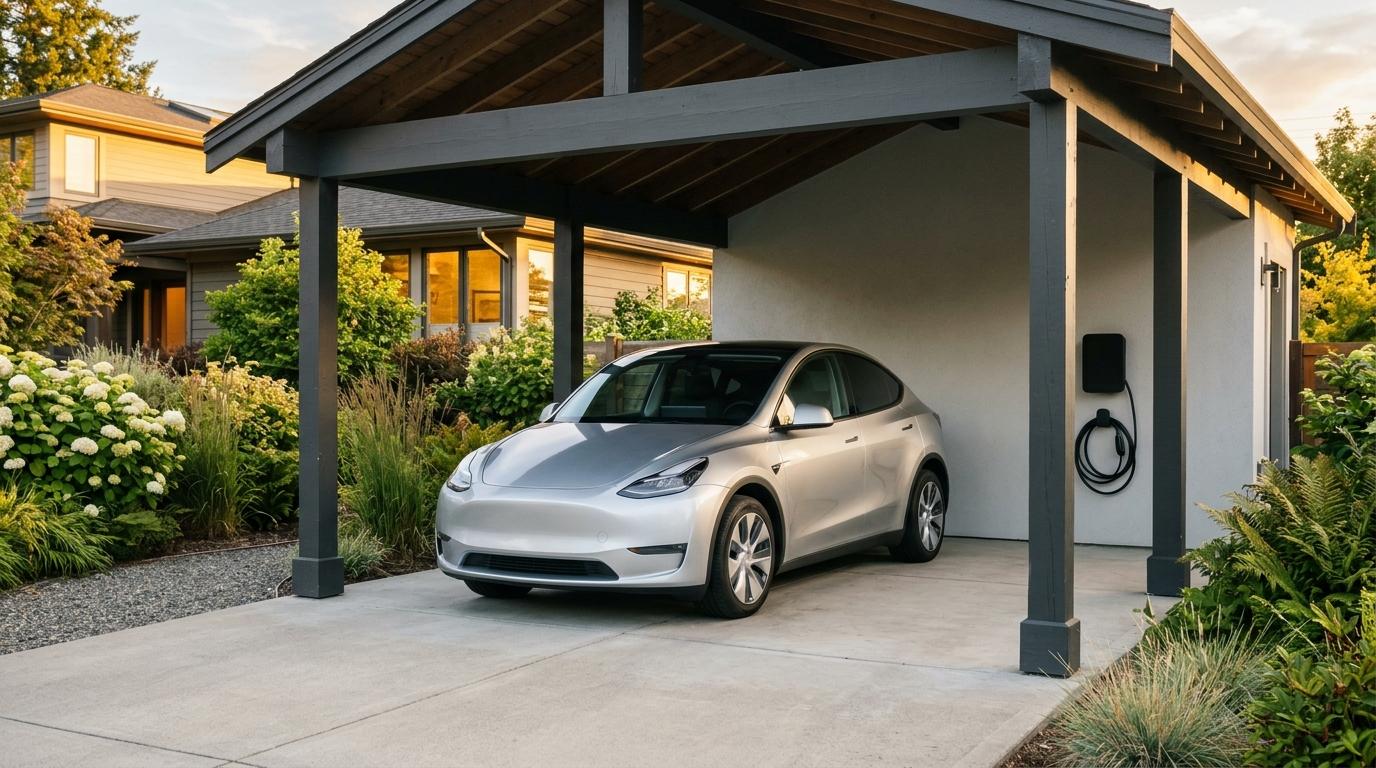
- Driver A has a wall outlet in a home carport and drives a 28 km daily school-and-office round trip. They plug the car in when pulling home every evening on a basic socket, finish nearly every weekday using zero fuel, and buy petrol barely three or four times a year for weekend trips. For Driver A, a PHEV works brilliantly.
- Driver B lives in an apartment tower where assigned parking sits three floors away from an outlet, or drives a company-leased car with a fuel card and hates fussing with public charging cables in the rain. Driver B charges once a month and burns petrol 90 percent of the week—paying a heavy upfront premium purely to carry extra uncharged weight everywhere. Driver B would have saved far more money buying a conventional self-charging hybrid from day one.
Parking and Charging Access Decides Everything
#Think honestly about your parking spot over the next five years before falling in love with test-drive acceleration.
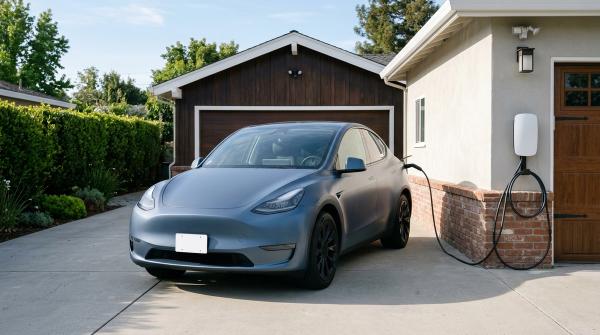
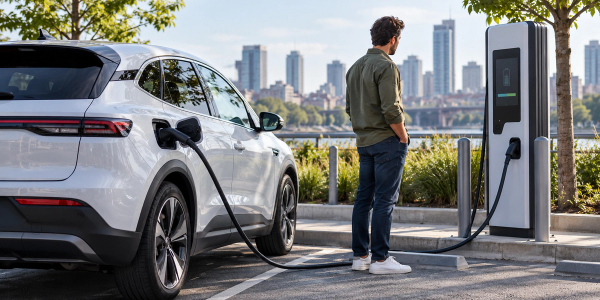
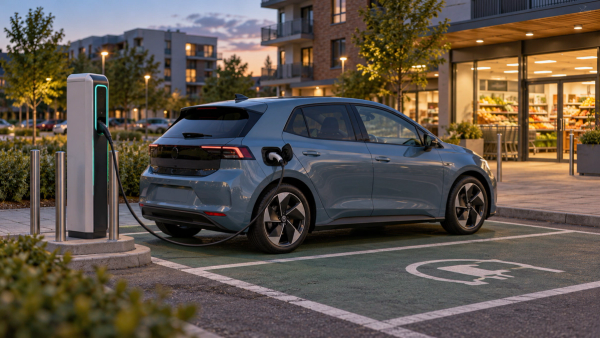
If you park beside your own socket—or have reliable dedicated workplace charging—both a PHEV and a pure EV become effortless. Because a plug-in hybrid carries a much smaller battery than an EV, you rarely even need a pricey dedicated wallbox; overnight charging on a standard household socket (8 to 12 hours on a 120V North American outlet, or far faster on a 230V outlet in India, Europe, Australia, or the UK) usually refills the full electric range by morning. If you lean toward a pure EV instead and wonder whether you truly must spend extra for fast home wallboxes, check our Level 1 vs Level 2 home charging guide to run the exact overnight commute math first.
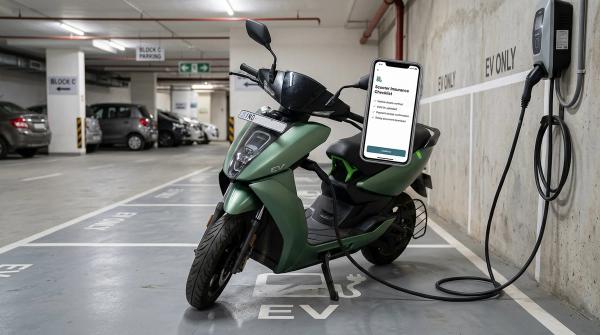
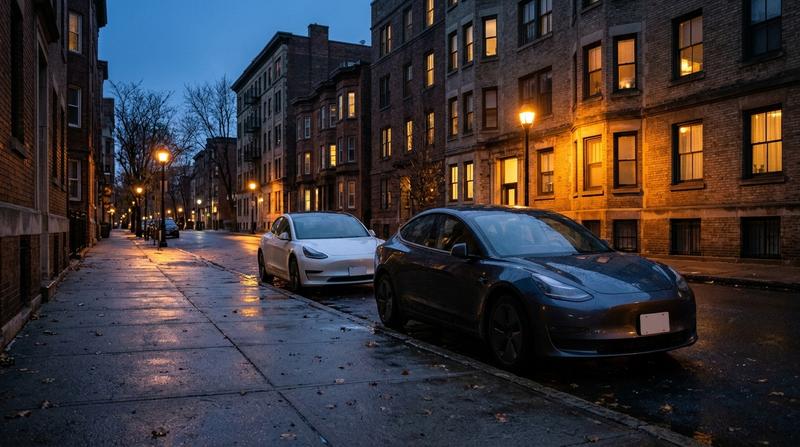
What if you live in a rented apartment with zero home plug? Don't guess based on optimism. Owning a pure BEV without home charging only stays enjoyable when your weekly errands already cross a reliable supermarket or workplace fast charger—we mapped that exact routine in our guide on owning an EV without home charging. A PHEV without home charging, by contrast, is almost always an awkward fit: its small battery charges slowly via AC public stalls, meaning you can easily spend an hour plugged into a shopping mall charger just to gain 30 km of electric drive. For strict street-parking households with erratic public chargers nearby, a conventional hybrid wins hands-down on stress-free daily fuel savings.
Cold Winter Weather, Highway Speed, and Road-Trip Reality
#Marketing brochures rarely highlight how temperature and speed change electric range across these three vehicles.
- Winter cabin heat hits PHEVs and BEVs differently: Electric motors produce almost zero spare waste heat compared to a combustion engine. In freezing winter weather, running the cabin defroster and heater pulls extra battery power right out of your range. On a pure EV, highway range commonly dips temporarily in freezing cold (often noticeably in bitter sub-zero cold), though preconditioning while still plugged in helps protect range. On a PHEV, frigid mornings frequently kick the gasoline engine on automatically even on short drives just to warm the cabin and windshield safely, cutting winter electric savings in half unless your model includes a strong electric heat pump.
- Sustained highway speed and steep grades favor gasoline backups or larger EVs: Hybrids deliver their largest fuel-saving magic in city stop-and-go traffic where braking puts energy back into the pack. At steady 110–120 km/h (70–75 mph) interstate speed, a conventional hybrid leans heavily on its gas engine anyway, though aerodynamic hybrids still beat plain gas cars. Meanwhile, on steep mountain passes, heavy trailer towing, or frequent 600+ km (370+ mile) highway corridors with sparse charging stops or holiday queues, HEVs and PHEVs let you refuel in five minutes anywhere—though once a PHEV's small battery drains halfway up a long climb, its smaller gas engine can rev noticeably louder carrying that heavy battery pack. Pure BEVs climb effortless torque hills cleanly yet lose highway range fast while towing, so realistic charger planning matters most there.
Long-Term Maintenance, Reliability, and Depreciation Complexity
#Think about ownership in years four through ten, not only month one. Every extra mechanical system on a car adds potential repair lines after warranties end.
Battery Electric Vehicles (BEVs) enjoy the simplest routine maintenance ledger on paper. Zero engine oil, zero oil filters, zero spark plugs, zero timing belts, zero exhaust mufflers, and zero multi-gear automatic clutches exist to leak or wear out. You focus mainly on tires (which can wear slightly faster on heavy high-torque EVs if rotated late), cabin air filters, wiper blades, coolant checks, and brake fluid flushes because regenerative braking preserves brake pads dramatically.
Conventional Hybrids (HEVs) still contain a combustion engine, so you keep oil and filter schedules on the calendar—yet smooth electric-motor starts, reduced engine idling in traffic, and regenerative braking typically stretch brake life far past non-hybrid gas models, earning strong multi-year reliability track records.
Plug-in Hybrids (PHEVs) carry maximum mechanical complexity: a full gasoline engine with oil, spark plugs, cooling loops, fuel systems, and catalytic emissions hardware plus a big high-voltage traction battery, AC onboard charger, thermal valves, and high-voltage contactors. Worse, if a driver runs almost strictly electric for months on end, the gasoline engine may run briefly for maintenance cycles so fuel doesn't go stale inside the tank and seals stay lubricated—meaning you still pay for annual engine oil inspections even if you barely burned gas!
A Clean 60-Second Filter to Pick Your Winner
#Still torn between all three? Forget brand hype and run your next five years through four concrete questions:
- Pick a Conventional Self-Charging Hybrid (HEV) if: You rent an apartment, rely on street parking, or take long spur-of-the-moment trips in regions with patchy public charging, yet want 30 to 50 percent lower city fuel bills right away without changing how you fuel up.
- Pick a Plug-in Hybrid (PHEV) if: You have a reliable nightly outlet at home, drive 25 to 60 km (15 to 40 miles) most weekdays so electricity handles nearly all commuting, take regular long family road trips where fast charging feels risky, and can handle the discipline of plugging in almost every night.
- Pick a Pure Electric Car (BEV) if: You can charge at home or work consistently, most of your week fits comfortably inside 250 km (150 miles) without roadside stops, you want the lowest routine maintenance bills and quietest daily driving, and reliable fast chargers exist along your occasional highway routes.
If two people in the same household drive two cars, pairing one pure EV for 90 percent of local life with one reliable hybrid for messy mountain runs or winter long hauls often solves every compromise cleanly without paying PHEV dual-system markups twice. Buy for how you actually park on Tuesday nights, not for the single ideal brochure scenario on the dealership poster.