The Lunch Carrying Problem Nobody Warned Me About
#I used to think lunch was simple. Cook food, put it in a box, carry it, eat it. That was the whole story, right? Then I started packing proper lunches for work and day trips, and suddenly my life became this weird little science experiment involving steam, condensation, curd rice, pickle oil, ice packs, and one very tragic paneer roll that smelled suspicious by 2 pm. So yeah, insulated lunch bag vs ice pack vs steel tiffin sounds like a boring comparison until you’re standing in an office pantry holding lukewarm dal and wondering if your stomach is brave enough today.
I’m a food person first, practical person maybe third or fourth. I care if my aloo paratha still smells like ghee when I open the lid. I care if lemon rice stays fluffy and not sweaty. I care if my mango pickle leaks, because once pickle oil gets into a cloth bag, it becomes part of your family history. Over the years I’ve carried lunch in classic steel dabbas, cute insulated bags, plastic boxes I now regret buying, glass containers that made my shoulder hate me, and those blue ice packs that look like they belong in a school nurse’s freezer. And honestly? None of them are perfect. But each one has a mood, a purpose, and a food it loves more than others.
My First Steel Tiffin Love Story, Because Of Course There Is One
#My earliest lunch memory is my mother packing a round steel tiffin with three tiers: rice at the bottom, sambar in the middle, and beetroot poriyal on top. The tiffin had that tiny side latch that always pinched my finger if I was careless. I can still hear the clink of it. Steel has a sound, you know? A very lunch-is-ready sound. In school, the fancy kids had cartoon lunch boxes, but the steel tiffin kids had food that tasted like home even after hours. Not always hot, not always pretty, but somehow real.
That’s the magic of steel tiffins. They don’t pretend. They are sturdy, washable, and they don’t hold onto yesterday’s rajma smell if you clean them properly. A steel tiffin makes food feel more serious, in a good way. Like someone cared. But steel also has one big issue: it doesn’t keep food cold by itself, and regular steel tiffins don’t keep food hot for long either unless they’re vacuum insulated. People mix these things up all the time. A normal steel dabba is basically a strong container, not a temperature-control machine. It will protect your chapati from getting squashed, yes. It will not protect mayonnaise from a brutal May afternoon commute.
So What Does an Insulated Lunch Bag Actually Do?
#An insulated lunch bag is like that friend who slows down drama but doesn’t completely stop it. It doesn’t magically make food cold. It just slows heat moving in or out. If you put hot food inside, it may stay warmer for a bit. If you put chilled food inside, it stays cooler for a bit. But the bag needs help, especially in Indian summer when the air itself feels like it’s been reheated in a tandoor.
I learned this the dumb way. I packed curd rice in a nice insulated bag one June morning, felt extremely responsible, and then forgot that I’d left the bag near a sunny window at work. By lunch, the curd rice had turned into something I can only describe as emotionally unstable. Not spoiled exactly, but not right either. Sour in a way that made me suspicious. That day taught me that insulation is not refrigeration. It buys you time. It does not perform miracles. Same thing with cheese sandwiches, egg salad, chicken wraps, sprouts, cut fruit, and anything dairy-heavy. They need actual cooling if they’re sitting around for hours.
If you’re choosing between lunch bags, I’d look less at how cute it is and more at the inside lining, zipper quality, and whether it has enough room to pack things properly. A cramped lunch bag is annoying because you end up tilting your dal, squashing your banana, and wedging an ice pack in like you’re solving a puzzle under pressure. Also, wipeable lining matters. I don’t care how aesthetic the cotton outer print is, if sambar leaks into the seams, you are finished.
The Ice Pack Is Not Fancy, But It Works Hard
#Ice packs are deeply unglamorous. They sit in the freezer, get forgotten behind peas, and then one day they save your lunch from becoming a bacteria picnic. I have a strange affection for them. A good ice pack in an insulated bag can make a huge difference for foods that need to stay cool. Think boiled eggs, curd rice, yogurt bowls, chicken salad, paneer tikka wraps, hummus, cold pasta salad, fruit with cream, and even leftover biryani if you’re carrying it chilled to reheat later.
Most common food-safety guidance says perishable food shouldn’t hang around at room temperature for too long, usually about two hours, and less if it’s very hot. I’m not saying you need to panic over every lunch box like it’s a lab sample. I’m Indian, I’ve eaten train idlis wrapped in newspaper and lived to tell the tale. But there’s a difference between hardy dry thepla and a creamy egg sandwich sweating in a backpack. If you pack eggs often, the safety side is actually worth reading properly, and I liked how this guide explains it in a very food-specific way: Can Boiled Eggs Stay in a Tiffin? Summer Lunchbox Safety Guide.
The Trick Is Placement, Not Just Owning an Ice Pack
#Here’s where I became a lunch nerd, and I’m not sorry. The ice pack has to be close to the food that needs cooling. Just throwing it at the bottom of the bag and hoping for the best is... well, it’s better than nothing, but not much better. Cold air sinks, food blocks airflow, containers have their own temperature, and the lunch bag gets opened and closed. If I’m packing curd, fruit, or eggs, I put the ice pack right next to or above those containers. If I have two small packs, I sandwich the cold food between them. It’s the same logic as a road trip cooler, where zones matter. This piece on cooler packing explains that idea nicely: Road Trip Cooler Food Safety: Ice Melt Packing Guide.
Also, freeze the ice pack fully. Sounds obvious, but me and my half-frozen ice pack have had disappointing afternoons. A slushy pack melts faster. And don’t put a warm container straight from the stove into a cold lunch setup unless you know what you’re doing. Hot food warms everything around it, including the ice pack, which then loses its job before lunch even happens. I usually cool leftovers a bit, pack them, refrigerate overnight, and then add the frozen pack in the morning. Not glamorous. Very effective.
Steel Tiffin vs Insulated Bag vs Ice Pack: My Honest Foodie Comparison
#| Option | What it’s best at | Where it struggles | My food opinion |
|---|---|---|---|
| Steel tiffin | Sturdy, clean taste, great for dry sabzi, dal-rice, rotis, idli, poha | Normal steel doesn’t keep food hot or cold for long, can leak if lid is poor | Feels most like home food. I trust it with aloo fry more than anything |
| Insulated lunch bag | Slows temperature change, protects multiple containers, useful for office and school | Needs help from ice packs for cold food, quality varies a lot | Best supporting actor. Not the hero, but lunch is worse without it |
| Ice pack | Keeps perishable foods cooler when used in an insulated bag | Condensation, weight, needs freezer space, useless if not frozen | Not cute, but I respect it. Especially for curd rice and eggs |
| Combo setup | Steel or glass container inside insulated bag with ice pack if needed | More planning, more things to wash or remember | This is the grown-up answer, even if I hate admitting it |
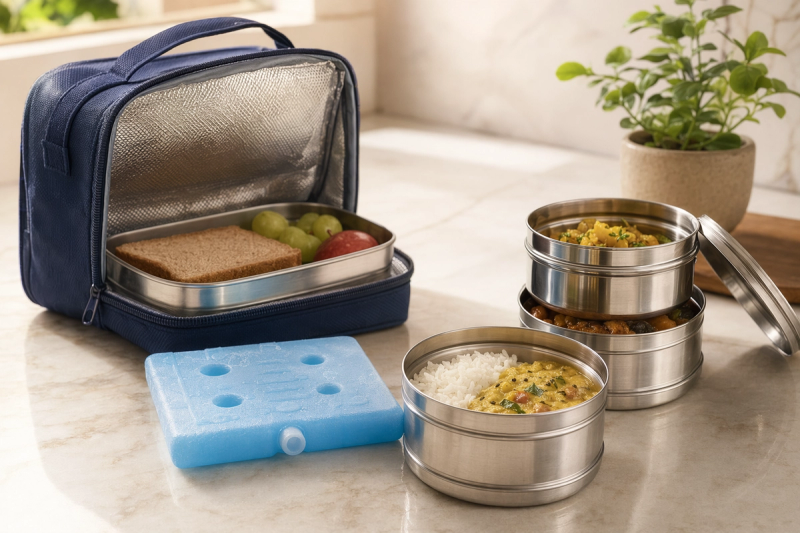
If you want the short answer, here it is: steel tiffin is the container, insulated lunch bag is the environment, ice pack is the cooling source. They are not really enemies. They’re more like three aunties at a wedding arguing about who did the most work, while actually the whole event needs all of them. A steel tiffin alone is excellent for many Indian lunches, especially dry items and food you’ll eat within a reasonable time. An insulated bag alone is good but limited. An ice pack without insulation melts faster and makes everything wet and sad. Together, they can make packed lunch genuinely better.
What I Pack In Steel Without Overthinking Too Much
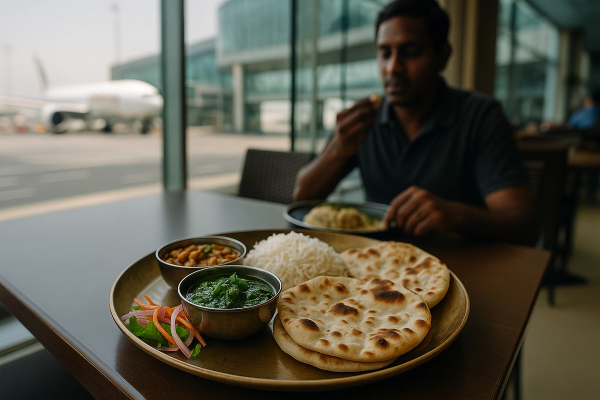
#Some foods are steel-tiffin classics. Paratha with pickle. Lemon rice. Tamarind rice. Upma. Poha. Idli with dry chutney powder and a little ghee. Roti rolls with dry sabzi. Thepla, obviously. These foods are not invincible, don’t get me wrong, but they tolerate lunchbox life better than creamy or meat-heavy foods. They don’t need to be icy cold, and they don’t usually become disgusting if they cool down.
My personal favorite is a two-tier steel tiffin with jeera rice in one layer and rajma in the other. Yes, rajma can leak if the lid is bad, so test your tiffin with water first. Please. I once carried chole in a cheap steel box inside my laptop bag and spent the rest of the day smelling like a dhaba. Not even a good dhaba. A humid, oniony one. Now I only use tight-seal containers for gravies, and I still put them upright in the insulated bag like they’re royalty.
If you’re still deciding between steel, glass, insulated, and plastic containers for office meals, there’s a bigger container-material discussion here that pairs really well with this topic: Best Lunch Box for Indian Summer Office Tiffin: Steel, Glass, Insulated or Plastic?. Because honestly the material matters more than people admit. Tomato curry in plastic is a whole different regret.
Where Ice Packs Become Non-Negotiable For Me
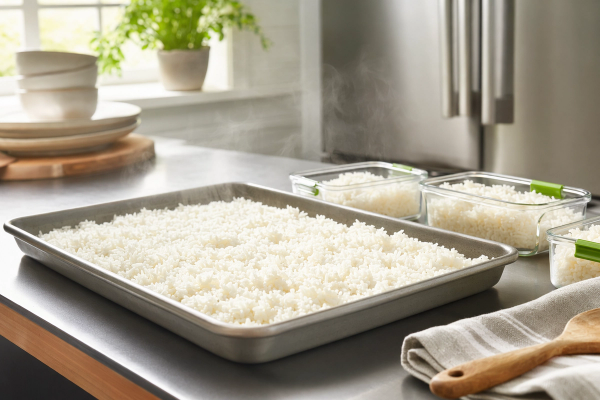
#There are lunches I refuse to pack without an ice pack now. Boiled eggs in summer. Yogurt. Raita. Curd rice if I’m not eating it quickly. Chicken anything. Fish cutlets. Mayo sandwiches. Cream cheese bagels. Cut melon. Sprouts with lemon and onion. Cooked rice that’s being held for reheating later, especially if it’s packed warm and forgotten, can also be risky. Rice is one of those foods people act casual about because we eat it every day, but leftovers need decent handling.
I had this phase where I was obsessed with meal-prep bowls. Quinoa, roasted sweet potato, chickpeas, tahini dressing, pickled onions, the whole café-at-home fantasy. Very nice. Very Instagram. But by the third day I realized the dressing and greens needed better cooling, otherwise everything tasted flat and slightly tired. The ice pack fixed that. It kept the crunch alive. And food texture matters so much, no? People talk about flavor like it’s everything, but a soggy cucumber can ruin my mood in a way I don’t fully understand.
A Small Note On Condensation, Because Wet Lunch Bags Are Gross
#Ice packs sweat. Some do it more than others. If your lunch bag lining is good, no big drama. If not, you get that damp freezer smell, which I personally hate. I wrap very sweaty ice packs in a thin cloth napkin sometimes, especially if I’m carrying paper-wrapped sandwiches. But don’t wrap it so thick that it can’t cool anything. That defeats the purpose and then you’re just carrying a cold towel around like a confused person.
Hot Food Is A Different Game Altogether
#Now, if your goal is hot lunch, a normal steel tiffin plus insulated bag may not be enough unless your lunch break is soon. For hot food, a vacuum-insulated food jar works better than a regular steel dabba. You preheat it with hot water, dump the water, add very hot food, close it quickly, and pray nobody steals your spoon. I use this for khichdi, dalia, tomato rice, and soup. It’s cozy. It feels like someone gave your lunch a blanket.
But there’s a catch. Hot food needs to stay properly hot to be safe over longer periods, not just lukewarm. Lukewarm is the danger zone emotionally and practically. It tastes dull, and it’s not ideal for foods that spoil easily. So if I can’t keep hot food hot, I often chill it properly and carry it cold with an ice pack, then reheat at work. Not as romantic as opening a steaming tiffin, but very sensible. I hate being sensible, but lunch has humbled me many times.
My Office Lunch Setups That Actually Work
#- For dry Indian lunch: steel tiffin with roti, dry sabzi, pickle in a tiny leakproof cup, all inside a basic lunch bag. No ice pack unless the weather is crazy hot or there’s dairy.
- For curd rice or raita: chilled steel or glass container, insulated bag, frozen ice pack touching the container, and I eat it earlier rather than letting it sit till 3:30 like a fool.
- For leftovers I’ll reheat: food cooled safely, packed cold from the fridge, ice pack in the insulated bag, then microwave at office. This is my most common weekday setup.
- For hot khichdi or soup: vacuum-insulated jar, preheated first. Separate crunchy things like papad crumbs or roasted peanuts because soggy toppings are a crime.
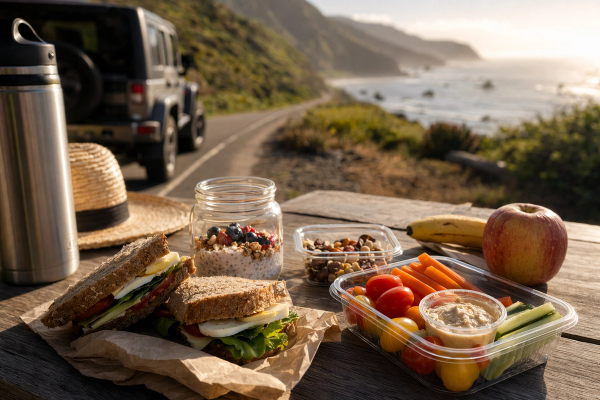
- For fruit and snacks: small insulated pouch if it’s just a short trip, ice pack if it’s melon, yogurt, cheese, or anything that gets weird quickly.
The biggest thing is matching the system to the meal. I know that sounds too tidy, like something a kitchen organizer would say while wearing linen, but it’s true. A masala dosa is not a pasta salad. A boiled egg is not a banana. Chole is not trail mix. Every food has its own little personality, and if you ignore it, lunch will punish you.
The Restaurant Takeaway Test
#One of my odd habits is judging lunch gear by restaurant leftovers. I’ll bring home extra biryani from a place I love, chill it properly, and pack it the next day. Biryani tells you everything. Does the container hold aroma without making the whole bag smell? Does the rice clump? Does the masala leak? Does the fried onion survive? I once packed leftover mutton biryani in a thin plastic box inside a non-insulated tote, and by lunch it tasted tired. Same biryani, next week, packed cold in a steel container with an ice pack in an insulated bag, reheated at work, tasted almost restaurant-level again. Not exactly the same, because biryani has moods, but close enough that I was happy.
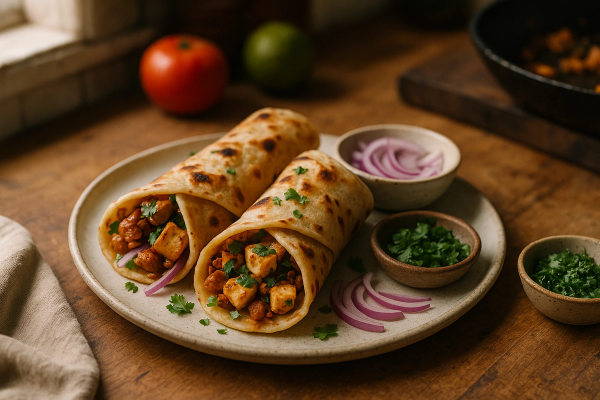
Restaurant food also tends to be oilier and richer than home food, which can be good for lunchbox survival. A dry paneer tikka roll from a decent kebab shop carries better than a lettuce-heavy wrap with creamy dressing. Fried rice travels better than saucy noodles sometimes. Pizza? Cold pizza is its own religion, but if there’s meat or loads of cheese and it’s sitting for hours in hot weather, I still use an ice pack. I’m fun, but I’m not reckless. Well, not with dairy.
Little Buying Opinions I’ve Collected Like Masala Dabbas
#- Steel tiffins with silicone seals are great, but check if the seal comes out for washing. Hidden grime is not flavor.
- Round tiffins feel nostalgic, rectangular ones pack better in office bags. This annoys me because round looks cuter.
- A lunch bag should open wide. If you have to perform surgery to remove your container, skip it.
- Two small ice packs are often better than one huge brick, especially for oddly shaped containers.
- Don’t buy a lunch bag that’s barely big enough. You’ll need room for fruit, spoon, napkin, and your emergency chocolate. Obviously.
- If your commute is long, don’t rely on vibes. Use insulation plus an ice pack for perishables.
And yes, aesthetics matter a little. I know people say function over form, but I eat better when my lunch setup makes me happy. A nice steel dabba, a clean napkin, a tiny container of pickle, maybe roasted peanuts in a side box. It turns office lunch from sad desk eating into a small ritual. Not always. Some days I’m eating cold upma while replying to emails and questioning my choices. But still.
The Final Verdict, From Someone Who Has Spilled Too Much Dal
#If I had to choose only one, I’d choose a good steel tiffin for everyday Indian lunches. It’s durable, easy to clean, and food tastes honest in it. But if I’m being practical, the real winner is not one item. It’s the combination: steel tiffin or good container, inside an insulated lunch bag, with an ice pack when the food needs cooling. That setup covers the most meals and the most weather drama.
For dry, sturdy foods, steel alone can be enough for a short day. For chilled or perishable foods, add the insulated bag and ice pack. For hot meals, consider a proper vacuum-insulated jar. And for anything with curd, eggs, meat, mayo, cheese, or cut fruit in summer, please don’t be casual just because your grandmother survived without ice packs. Our commutes are longer now, offices are weirdly warm, and lunch sometimes sits around for ages. Food memories are beautiful, stomach regrets are not.
My lunch philosophy now is simple: pack food with love, but also with common sense. Ghee can heal many things, but it cannot fix bad temperature control.
So that’s my slightly over-involved, very food-obsessed take on insulated lunch bag vs ice pack vs steel tiffin. I still love the clink of steel the most. I still forget to freeze the ice pack sometimes. I still overpack pickle because I have no self control. But my lunches are better now, safer too, and way less soggy. If you’re also the kind of person who thinks about lunch while eating breakfast, you’ll probably enjoy wandering through more food stories and practical kitchen chatter on AllBlogs.in.