Red-eye flights and me have a complicated relationship. I love them because they save a full day, hotel money, and leave money also if you’re doing that classic Friday-night-to-Monday-morning trip. But I hate them because, boss, landing at 5:40 am in another city with red eyes, stiff neck, and the emotional stability of a wet tissue is not cute. My first few overnight flights were honestly disasters. Delhi to Bengaluru, Mumbai to Bangkok, Kochi to Dubai, all same story. I’d board thinking “aaj toh pakka so jaunga”, then spend three hours adjusting the seat, listening to someone open chips, and wondering why my feet are freezing.
Over time, I stopped depending on random hope and started carrying a proper red-eye flight sleep kit. No sleeping pills, no dramatic hacks, no “one glass wine and pass out” nonsense. Just practical stuff that works on Indian domestic and international flights, even when the cabin is too cold, the baby in 14C is crying, and the uncle behind you is using your seatback like a gym machine. This post is basically everything I’ve learnt after too many night flights, written for people like us who travel from Indian airports, eat airport idli at odd hours, and still need to function after landing.
Why I Avoid Sleeping Pills on Flights
#Not giving medical gyaan here, but I personally avoid sleeping pills on flights. Some people take them, their doctor may allow it, fine. But for me, red-eye flights are already weird for the body. You’re sitting upright, air is dry, you may be dehydrated, sometimes there’s turbulence, and if you’re flying internationally there is immigration, baggage, and taxi negotiation waiting on the other side. I don’t like being groggy when I land. Especially in a new city, or when I have to take a cab at 4 or 5 am.
Also, pills can hit differently at altitude, and mixing them with alcohol is a bad idea. I’ve seen people completely knocked out during meal service, then struggling to wake up before landing. One guy on a late Mumbai to Singapore flight looked so confused when crew asked him to fasten his seat belt, poor fellow thought we were still at boarding. Since then I decided my sleep kit should help me rest, not sedate me. Big difference.
My rule now is simple: if I can’t wake up quickly, pack my bag, find my passport, and understand airport signs after landing, I don’t want it in my system.
My Actual Red-Eye Flight Sleep Kit, The One I Pack Every Time
#This is not some fancy influencer pouch with matching beige products and perfect labels. Mine is a slightly beaten Muji-style pouch I bought in Sarojini years back, and it has saved me more than once. The idea is to control the three main problems on a red-eye flight: light, noise, and body discomfort. If you solve even 70 percent of these, you sleep better. Not perfect sleep, but decent enough that you don’t land looking like you fought with the aircraft.
- Soft eye mask: I used to think eye masks were overacting until a cabin light stayed on during a night flight from Delhi to Doha. Get one with a little nose flap or molded shape. Basic ones cost ₹150-₹300, better padded ones are ₹500-₹1,200.
- Foam earplugs or noise-cancelling earbuds: Earplugs are cheap, around ₹100-₹250 for a pack, and they work shockingly well. Noise-cancelling earbuds are expensive but amazing if you travel often. Just make sure they’re charged before boarding, because I’ve made that mistake and sat with dead earbuds like an idiot.
- Neck pillow that actually supports: The U-shaped airport pillow is okay, but I prefer a wrap-style neck pillow because my head doesn’t keep falling like a coconut. Prices range from ₹500 to ₹2,500 depending on brand and material.
- Thin hoodie or stole: Indian flights can go from warm bus-boarding sweat to Shimla cold in 20 minutes. A cotton stole, light jacket, or shawl is non-negotiable for me. Bonus: it smells like home if you wash it with your regular detergent, and that weirdly helps.
- Warm socks: I don’t remove shoes on very short flights, but on long red-eyes I change into clean socks and loosen my laces. Never walk to the lavatory in socks though. Please. Airport and aircraft floors are not your bedroom.
- Lip balm, small moisturiser, and saline nasal spray: Cabin air is dry. My lips crack, nose gets blocked, and then I can’t sleep. Keep liquids under the 100 ml rule for international security, and pack them in a clear pouch if required.
- Reusable water bottle: Empty it before security, refill after. Many Indian airports now have water refill stations near gates, though sometimes you have to hunt a bit. Hydration makes a big difference.
- Toothbrush, tiny toothpaste, face wipes: Brushing before a red-eye tells your brain “night time, go sleep”. Sounds silly, works for me.
Seat Choice Matters More Than People Admit
#If you’re serious about sleeping, choose your seat properly. I know paid seat selection feels irritating. Already flight ticket is expensive, then airline asks ₹300, ₹700, sometimes more for one seat. But on an overnight flight, a bad seat can ruin the next day. For me, window seat wins. You get a wall to lean on, nobody climbs over you, and you control the window shade. Aisle is good if you have long legs or need washroom often, but people will brush against your shoulder all night. Middle seat is basically character building.
Avoid seats close to toilets and galleys if you can. There is light, noise, people standing, crew moving carts, and that constant “excuse me” traffic. Exit rows have legroom, yes, but sometimes the armrests don’t move and bags must go overhead during takeoff and landing. Bulkhead seats can be good, but babies are often seated there on long-haul routes because of bassinet positions. Nothing wrong with babies, obviously, but if you need sleep before an important meeting, you should know the risk.
On Indian domestic red-eyes like Delhi-Bengaluru, Mumbai-Kolkata, Pune-Delhi, or Bengaluru-Guwahati, flights are usually 2 to 3 hours. You don’t have time for a full sleep cycle, so don’t over-plan. Board, settle, sleep fast. For international red-eyes from India to Dubai, Singapore, Bangkok, Doha, Abu Dhabi, Kuala Lumpur, or Europe connections, you can build a proper routine because flight time is longer.
My 30-Minute Airport Routine Before a Night Flight
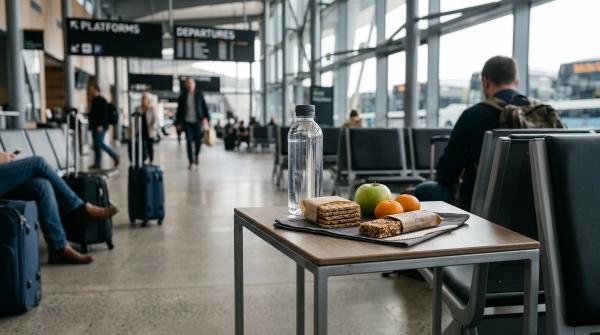
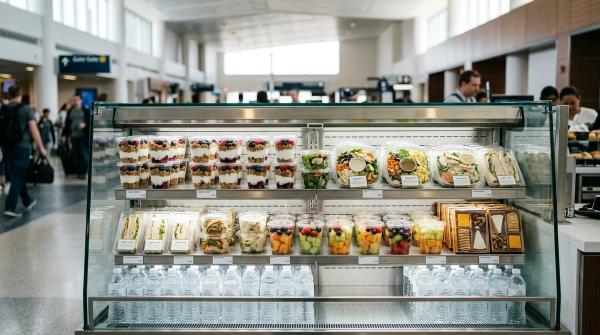
#This routine came after many failures. Earlier I would reach airport hungry, eat a heavy biryani or chole bhature, drink coffee, then wonder why my stomach is protesting at 36,000 feet. Now I’m boring, but more peaceful. I reach a little early, clear security, fill water, use the restroom, brush if possible, and eat something light. In Indian airports you’ll always find dosa, idli, poha, sandwich, curd rice, fruit bowl, or dal-chawal type options. I avoid fried snacks before red-eye flights, even though samosa at airport has some dangerous emotional pull.
Caffeine is the tricky one. I love chai, like properly love it. But if my flight is after 10 pm, I stop tea and coffee by evening. If I badly want something warm, I take hot water or herbal tea from a lounge or cafe. Lounges in Delhi T3, Mumbai T2, Bengaluru, Hyderabad, Chennai, and Kolkata are much better than they used to be, but they can get crowded at night because everyone has credit card access now. If you have lounge access, use it for charging, quiet sitting, and a light meal. Don’t treat it like a wedding buffet before flying overnight.
What’s New at Indian Airports That Helps Red-Eye Travellers
#Indian airports have changed a lot in the last few years. DigiYatra is available at many major airports and can make entry/security smoother where it’s operational, though I still keep my ID and boarding pass ready because technology chooses drama at the worst time. Delhi, Bengaluru, Hyderabad, Mumbai, and Chennai have better seating, charging points, lounges, and transit hotel options than before. But late-night crowds are also real. Red-eye flights are popular because travellers want to save daytime, and airlines use those slots heavily.
Sleep pods and transit stays are becoming more common, especially useful if your connection is 5-8 hours or if you land too early for hotel check-in. Pricing changes a lot, but generally airport sleeping pods or nap rooms in India can start around ₹700-₹1,500 per hour, while proper transit hotel rooms near terminals may be ₹3,000-₹8,000 for a short stay or overnight depending on city and demand. Near Delhi Aerocity, Mumbai airport area, Bengaluru airport road, and Hyderabad airport zone, budget hotels may start around ₹1,800-₹3,500, mid-range around ₹4,000-₹8,000, and nicer airport hotels can go ₹9,000 and above. During big events, long weekends, or wedding season, rates jump badly.
Safety-wise, Indian airports are generally well monitored, but don’t get careless just because you’re sleepy. Keep passport, wallet, phone, and boarding pass inside a zipped sling or waist pouch, not loose in a tote. If you’re napping at a gate, loop your bag strap around your arm or leg. I know it sounds paranoid, but tired travellers are easy targets for losing stuff. Also check airline updates before leaving home, because winter fog in North India and monsoon disruptions can change plans quickly.
Seasonal Tips: Winter Fog, Monsoon Delays, Summer Dryness
#Red-eye sleep depends a lot on season. In December and January, North India fog can mess with early morning departures and arrivals, especially Delhi, Lucknow, Jaipur, Amritsar, Chandigarh, and Patna routes. If you’re connecting onward, keep a buffer. I once landed late in Delhi because of fog and had to run from one terminal area to another with my backpack bouncing like dhol. Not recommended. Check flight status before leaving and keep snacks because delays at night feel longer than normal delays.
Monsoon, roughly June to September, brings delays in Mumbai, Goa, Kochi, Kolkata, Guwahati and other rain-heavy routes. Carry a foldable rain jacket if you’re landing early morning and taking a cab or airport bus. Summer flights are another problem. You board after sweating through security, then cabin AC dries you out. In April-May, I add electrolyte sachet to my kit, not always to drink on flight but after landing. It helps when you’ve slept badly and have to start the day straight away.
Food and Drink: The Unsexy Part That Actually Decides Your Sleep
#People talk about pillows and eye masks, but food can make or break red-eye sleep. Heavy Indian food right before flying is risky. I’m not saying don’t enjoy food. I’m Indian, I understand the need for proper dinner. But on a night flight, I keep it simple: idli, curd rice, dal rice, khichdi, banana, upma, plain dosa, sandwich, or something non-spicy. If I’m flying international and meal is served after takeoff, I sometimes skip it and sleep. Airline meal at 1 am is rarely worth losing sleep for, unless you’re really hungry.
Alcohol is another thing. A lot of people think it helps them sleep, but in my experience it gives broken sleep and dry mouth. You wake up feeling like your tongue is made of cardboard. Same with too much sugar. I carry roasted makhana, a protein bar, peanuts, or a small thepla roll if it’s a domestic trip. For international flights, be careful with fresh food rules at arrival. Don’t casually carry fruits or homemade food into countries with strict biosecurity rules. Finish it before landing or check the rules.
The In-Flight Sleep Routine I Follow, Step by Step But Not Too Strict
#Once I board, I don’t wait for the perfect moment. Red-eye flights are short, and every minute counts. I keep my sleep kit in the seat pocket or under-seat bag before takeoff, not in overhead bin. After takeoff, I wear socks, put on hoodie, set phone to airplane mode, switch on a boring playlist or brown noise, eye mask down, earplugs in, and done. The goal is to reduce decision-making. If I start scrolling Instagram, gone. Sleep finished.
- Before boarding: restroom, water bottle filled, phone charged, sleep kit easy to reach.
- After sitting: buckle seat belt over your shawl or blanket so crew can see it and don’t wake you during turbulence checks.
- After takeoff: recline only when allowed, and do it gently. Don’t slam your seat back into someone’s laptop or knees.
- During flight: use breathing instead of fighting sleep. I do 4 seconds inhale, 6 seconds exhale. Not fancy meditation, just slows the brain.
- Before landing: don’t jump up immediately. Drink water, stretch ankles, check passport and phone before the cabin chaos starts.
One small thing that helps me: I make a “landing pocket”. Passport, pen if needed, lip balm, phone, and AirPods case all go in one zipped pocket. Earlier I used to lose things in the seat gap and then panic during deboarding. Those gaps are black holes, I swear.
For Long International Red-Eyes: Jet Lag Without Pills
#If you’re flying from India to Europe, Australia, Japan, or the US via Middle East or Southeast Asia, red-eye sleep becomes more than comfort. It affects jet lag. I try to adjust slightly before travel, not dramatically. If the destination is ahead, I sleep earlier one or two nights before. If it’s behind, I stay up a bit later. Not always possible with work and family chaos, but even small adjustment helps.
Sunlight after landing is the best natural reset. When I landed in Singapore early morning once, I wanted to crash in the hotel lobby, but I forced myself to walk outside, have kaya toast and coffee, and sit in daylight. By evening I was tired at the right time. In Europe, same thing. Get morning light, don’t nap for 4 hours unless you want to become a zombie at midnight. A 20-30 minute power nap is okay. Keep alarm far from the bed, because travel sleep has no mercy.
Melatonin is popular now, and you’ll see many travellers discussing it. I’m not against it, but it’s still something you should use carefully and ideally after checking with a doctor, especially if you’re pregnant, on medication, or have health conditions. My whole point here is that you can improve flight rest a lot without taking any pill at all.
What to Wear on a Red-Eye Flight, Indian Edition
#Airport fashion is nice for photos, but red-eye fashion is survival. I wear soft joggers or stretch jeans, loose T-shirt, light jacket, and shoes that don’t fight with me at security. For women, a soft kurta with leggings or wide pants works well. Avoid tight waistbands, heavy jewellery, and complicated boots. If you’re flying international, remember security checks may ask you to remove belts, jackets, watches, sometimes shoes depending on airport. Keep it simple.
A scarf or dupatta is underrated. It becomes blanket, pillow cover, face cover, and sometimes modesty shield when you’re sleeping with mouth open like a tired buffalo. I also carry a clean mask. Not because it’s mandatory everywhere now, but because if someone nearby is coughing nonstop, I’d rather wear it. Cabin air is filtered, yes, but close contact is close contact. Travel insurance is also worth considering for international trips, especially with delays, baggage issues, and medical emergencies. Many Indian travellers still skip it to save ₹800-₹2,000, then regret when something goes wrong.
If You Have a Layover: Don’t Be a Hero
#This is where many of us mess up. We book the cheapest flight with a 7-hour overnight layover and think we’ll “manage at airport”. Sometimes it’s fine. Sometimes it’s pure suffering. If your layover is long, check whether the airport has sleep pods, quiet zones, lounges, or transit hotels. Doha, Abu Dhabi, Dubai, Singapore, Kuala Lumpur and Bangkok are common hubs for Indian travellers, and they all have better rest options than sleeping on metal chairs, but prices vary. Lounges may be accessible through credit cards, Priority Pass, airline status, or paid entry. Paid lounge access can be anywhere from ₹1,500 to ₹4,000 or more depending on airport.
If you’re travelling with parents or kids, book a room near airport when possible. I know budget matters, but a shower and two hours of proper lying down can save the trip. Near Indian airports, look for hotels with 24-hour check-in or clearly confirmed early check-in. Don’t assume they’ll allow 6 am check-in just because rooms are empty. Call them. Message them. Get it in writing if you can. I learnt this in Bengaluru when a hotel politely smiled and said check-in is 2 pm, while I stood there looking like I’d been microwaved.
Things I Stopped Carrying Because They Were Useless
#Not every travel product is worth it. I bought a foot hammock once after seeing reviews. On my flight, it annoyed me, annoyed the seat structure, and made me feel like I was setting up a swing in economy class. Maybe it works for some people, not for me. I also stopped carrying big blankets because they take too much space. A hoodie plus airline blanket, if available, is enough. Essential oils are another maybe item. Lavender smells nice, but please don’t apply strong scents in a closed cabin. People around you didn’t sign up for your spa session.
Big over-ear headphones are excellent for noise cancellation, but bulky. If I’m travelling with only cabin baggage, I carry earbuds. If it’s a long-haul flight, headphones are worth it. Travel pillows that inflate are compact, but some are squeaky and uncomfortable. Try at home before trusting it on a 2 am flight. Actually this is my main advice: test your sleep kit before the trip. Don’t discover at cruising altitude that your eye mask presses your eyelashes or earplugs hurt.
Budget Sleep Kit vs Comfort Sleep Kit
#| Item | Budget option | Comfort option | My take |
|---|---|---|---|
| Eye mask | ₹150-₹300 cotton mask | ₹700-₹1,500 molded blackout mask | Upgrade if light bothers you a lot |
| Ear protection | ₹100-₹250 foam earplugs | ₹5,000+ noise-cancelling earbuds | Earplugs are enough for most domestic flights |
| Neck support | ₹500 basic pillow | ₹1,500-₹3,000 wrap pillow | Spend here if you get neck pain |
| Hydration | Reusable bottle from home | Bottle plus electrolyte sachets | Very useful in summer and long-haul |
| Warm layer | Own hoodie or stole | Travel blanket or merino wrap | Don’t overpack, airports already test patience |
| Freshen-up kit | Toothbrush, wipes, lip balm | Full toiletry pouch under 100 ml | Small is better for cabin baggage |
You can build a decent red-eye flight sleep kit for under ₹1,000 if you already have a hoodie and bottle. Add earplugs, eye mask, lip balm, and socks. If you travel monthly for work or long-haul, then investing ₹5,000-₹12,000 over time in better earbuds, pillow, and compact toiletries makes sense. Don’t buy everything in one go because half the stuff may not suit you.
A Small Note for Solo Travellers and Women Taking Late-Night Flights
#Many of my night flights have been solo, and I’m usually comfortable, but I stay alert until I’m inside the secure airport area or safely in my cab after landing. Use official airport taxi counters, app cabs, or hotel transfers when arriving very early. Share ride details with someone. If your flight lands at 3 am and your hotel check-in is afternoon, don’t roam around with luggage just to save money. Sit in a cafe, use a lounge, book an early check-in, or choose a hotel that allows flexible timing.
At the airport, choose seats near families, staffed counters, or well-lit gates if you plan to nap. Keep your bag zipped. Don’t accept food or drinks from strangers, even friendly ones. Most people are good, but travel tiredness makes us too trusting sometimes. Also, if you feel unwell on board, tell the crew. Don’t silently suffer because you don’t want to “create scene”. Crew are trained for this and they’d rather know early.
My Final Packing Checklist Before Any Red-Eye Flight
#- Eye mask and earplugs or charged earbuds
- Neck pillow or scarf for support
- Hoodie, stole, or light jacket
- Warm socks and comfortable clothes
- Empty water bottle to refill after security
- Lip balm, moisturiser, nasal spray, face wipes, toothbrush
- Light snack like makhana, nuts, protein bar, or thepla for domestic travel
- Phone charger, power bank in cabin baggage only, and cables packed where you can reach them
- Passport, ID, boarding pass, wallet in one zipped pocket
- Travel insurance details for international trips
Quick reminder: power banks should go in cabin baggage, not checked luggage, and airlines have capacity limits, commonly around 100Wh without special approval. For liquids on international routes, keep containers within 100 ml and check airport rules. Domestic security in India is usually more relaxed about small toiletries, but don’t carry anything sharp or oversized just because “last time allowed tha”. Rules and staff interpretation can vary.
So, Does a Red-Eye Sleep Kit Really Work?
#Yes, but with realistic expectations. You are still sleeping in a narrow seat inside a flying metal tube with strangers. It won’t feel like your bed at home after a hot shower and maa ke haath ka dinner. But a good sleep kit can turn a horrible red-eye into a manageable one. For me, that means landing with enough energy to take the metro, attend a meeting, explore a city, or at least not snap at the first person who asks “how was the flight?”
The best part is, you don’t need pills to rest better. You need darkness, quiet, warmth, hydration, lighter food, and a routine your body starts recognising. After a few trips, even putting on the eye mask becomes a signal. My brain goes, okay, we’re doing this now. Sometimes I still sleep badly. Turbulence happens, kids cry, seats don’t recline, and life is life. But most times, I land better than before, and that’s enough.
If you’re planning a red-eye soon, start with the basics and build your own kit slowly. Don’t copy anyone fully, including me. Your neck, stomach, sleep style, and patience level are all personal. And if you discover some jugaad that actually works, keep it. Indian travel is anyway 40 percent planning and 60 percent jugaad. For more practical travel stories, airport tips, and honest guides like this, I usually keep an eye on AllBlogs.in too, it’s nice for getting ideas before the next trip.