What Real Pad Thai Actually Is (And What It Isn't)
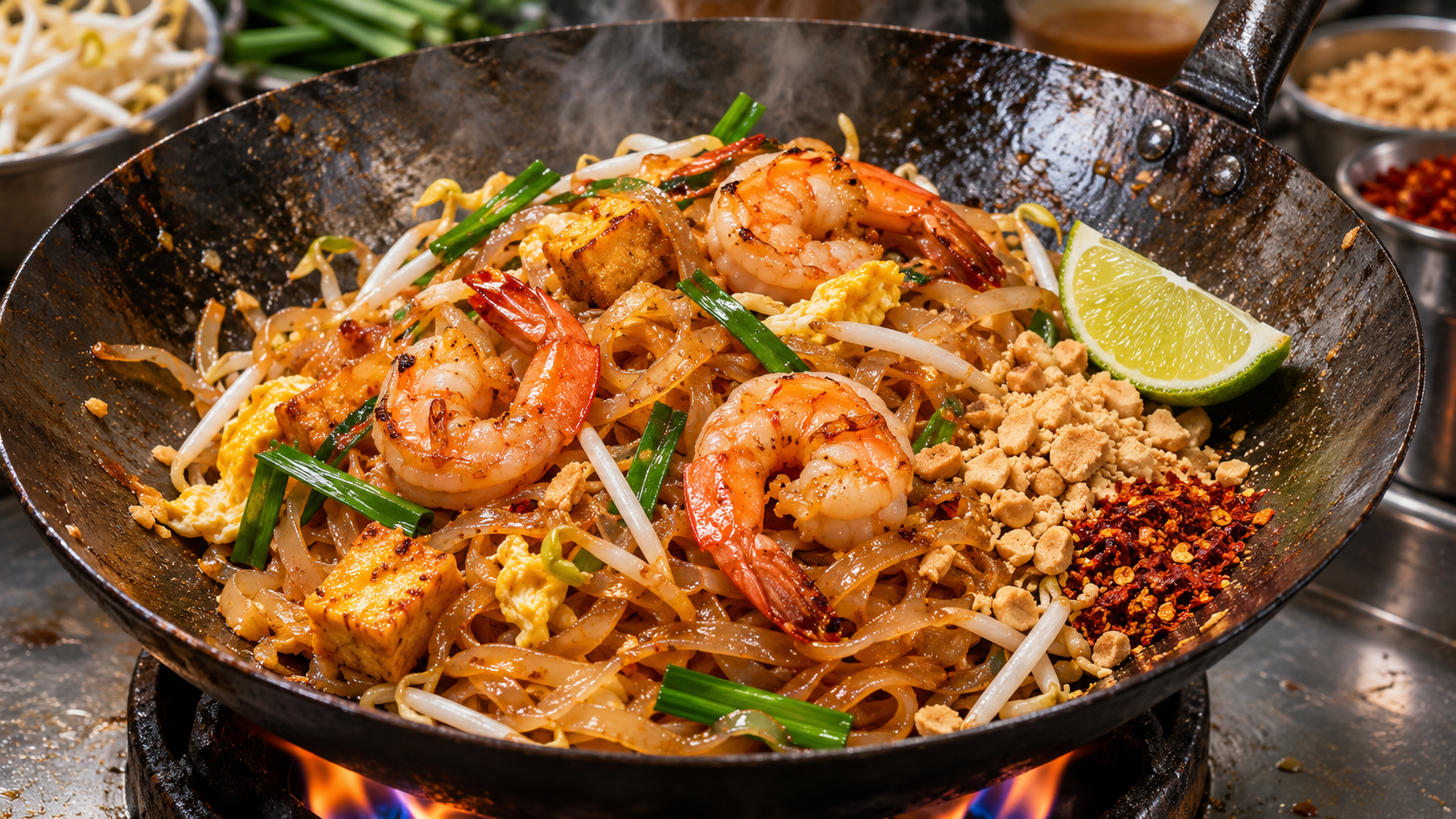
#Real Pad Thai (Pad Thai Goong Sod) is an exercise in fast wok balance: chew, crunch, acid, salt, and heat. It is not an overly sweet, fluorescent-orange pile of noodles swimming in ketchup or bottled peanut sauce.
When cooked properly on the streets of Bangkok, the thin rice noodles are separate, translucent, and slightly chewy (al dente). 
Every strand is coated in a glossy, amber-colored sauce made from real tamarind pulp, fermented fish sauce, and palm sugar. The noodles carry a subtle smoky char from the wok (wok hei), punctuated by the savory crunch of toasted peanuts, salty bits of dried shrimp, fresh bean sprouts, and the herbaceous garlic-chive bite of kuichai.
The dish was created in Thailand in the late 1930s by Prime Minister Plaek Phibunsongkhram. 
It was designed as a national nation-building dish to promote rice noodle consumption during a national rice shortage. Because it was engineered for street-side hawker carts, it requires high heat, fast hand reflexes, and strict ingredient sequencing.
If your past attempts at home resulted in a clumped ball of mushy noodles or cloying sweetness, you fell into the common Western supermarket traps. Here is the complete from-scratch culinary masterclass to master authentic Pad Thai on a home stovetop.
The 3-Ingredient Holy Trinity Sauce: Tamarind, Fish Sauce, and Palm Sugar
#The soul of Pad Thai lives entirely in its sauce. It is built on a precise triangular balance: sourness from tamarind, savory saltiness from fish sauce, and rich mellow sweetness from palm sugar.
There is zero soy sauce, zero peanut butter, zero tomato paste, and zero ketchup in an authentic Pad Thai sauce.
Here is the exact formula for 4 generous servings:
- Tamarind Pulp Concentrate: 60ml (4 tablespoons)
- Good Quality Thai Fish Sauce (like Red Boat or Megachef): 60ml (4 tablespoons)
- Real Thai Palm Sugar (finely shaved or chopped): 60g to 70g (roughly 4 tablespoons)
- Water: 30ml (2 tablespoons, to dissolve the sugar evenly)
Preparing Real Tamarind Pulp
#Do not buy commercial American tamarind paste in small glass jars labeled "sour soup paste"; it is often thinned with citric acid and lacks fruit body. 
Buy a block of wet seedless Thai tamarind pulp from an Asian market:
- Break off 50 grams of the compressed tamarind block into a heatproof bowl.
- Pour 100ml of boiling water over the pulp and let it soften for 15 minutes.
- Use a fork or clean fingers to mash the softening fruit into a thick sludge, separating the fiber.
- Pour the mixture through a fine-mesh strainer, pressing firmly with the back of a spoon to squeeze out every drop of thick, glossy, mahogany-brown tamarind liquid. Discard the leftover fibrous pulp.
Building the Sauce
#Combine your fresh tamarind extract, fish sauce, palm sugar, and water in a small saucepan over medium-low heat. 
Whisk gently until the dense palm sugar completely melts and the sauce lightly simmers for 2 minutes into a glossy, amber syrup. Taste it on a clean spoon: it should hit your tongue with a sharp puckering tang from the tamarind, followed immediately by savory umami salt, and finish with a warm caramel sweetness. 
Set the sauce aside at room temperature; never pour cold sauce into a searing-hot wok.
The Secret Umami Foundation: Dried Shrimp, Sweet Radish, and Pressed Tofu
#Western adaptations usually skip the trio of secondary aromatics that give street-stall Pad Thai its addictive depth:
- Extra-Firm Yellow Pressed Tofu (Tofu Lueang): You cannot use soft water-packed white tofu; it will shatter into mush when tossed. Buy dense, pressed yellow tofu (found in Asian grocers, often tinted yellow with turmeric). Cut it into matchsticks or small 1/4-inch cubes. When fried in oil, it forms a crispy exterior while staying chewy inside.
- Tiny Salted Dried Shrimp (Goong Hang): Tiny sun-dried salted baby shrimp provide concentrated bursts of ocean salt and savory funk. If your dried shrimp are very hard, soak them in warm water for 5 minutes and drain them well before frying so they become crispy rather than leathery.
- Sweet Preserved Radish (Hua Chai Po Wan): Salted and sugar-cured minced daikon radish. It adds subtle sweetness, salt, and a delightful crunchy texture that cuts through the rich noodles.
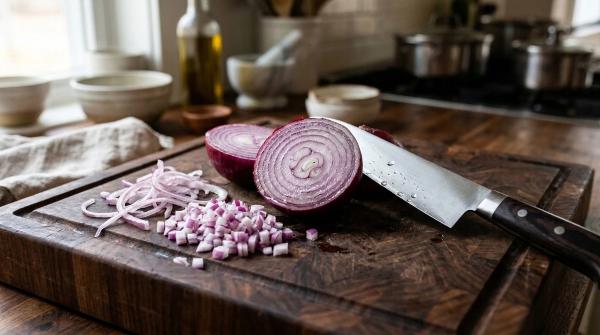
- Thai Shallots and Garlic: Always use small purple Thai or French shallots rather than large yellow onions. Thinly sliced shallots caramelize quickly in the oil, infusing the base with sweet aroma.
When these four ingredients hit hot oil together, they create the complex savory aroma that instantly signals authentic Thai cooking.
Noodle Chemistry: Why You Must Never Boil Pad Thai Rice Noodles
#This is the single most common mistake home cooks make: boiling dried rice noodles in a pot of water like Italian pasta.
When you boil dried rice noodles, the outer starches absorb water rapidly, swell, and gelatinize into a sticky coating. 
The moment boiled noodles hit a hot wok, they bond to each other and collapse into an impenetrable clump of starch paste.
To get the signature springy, chewy texture that street vendors achieve, follow the cold soak method:
- Buy medium-width dried rice noodles (often labeled as "Pad Thai noodles" or "Chantaburi rice stick noodles", roughly 3mm to 5mm wide, Banh Pho size M).
- Place 250 grams of dried noodles in a large bowl or baking dish.
- Cover them completely with cool or lukewarm tap water.
- Let them soak for 45 to 60 minutes.
- Check the texture: lift a noodle out of the water. It should feel completely flexible and limp, but when you bite into it, the core should still feel firm and chalky (al dente).
- Drain the noodles thoroughly in a colander. Do not rinse them with water.
The magic happens in the wok: the soaked, semi-hydrated noodles will finish their cooking by drinking up the hot, savory tamarind sauce directly in the pan, absorbing maximum flavor while retaining a springy, separate chew.
The Wok Sequencing Masterclass: High Heat and Staged Cooking
#Pad Thai is a fast, high-heat stir-fry that takes less than five minutes once the fire is on. 
Because domestic stoves produce roughly 10,000 to 15,000 BTUs of heat—compared to a commercial street vendor's 100,000 BTU jet burner—you must follow two cardinal home rules:
- Rule 1: Never cook more than 2 servings at a time. If you dump four portions of noodles into a home pan, the temperature plummets instantly. The pan begins to boil and steam the ingredients instead of frying them, resulting in wet mush. Cook in two consecutive batches.
- Rule 2: Stage your protein separately. Cook your fresh prawns or chicken first, remove them to a plate, and return them at the very end to prevent overcooking.
Here is the exact step-by-step cooking sequence for 2 servings:
- Step 1: Sear the Prawns. Heat 2 tablespoons of high-smoke-point oil (peanut or canola oil) in a 14-inch carbon-steel wok or heavy skillet over high heat until smoking hot. Add 6 to 8 peeled, deveined large prawns. Sear for 60 seconds per side until pink and caramelized. Remove the prawns to a clean bowl, leaving the fragrant oil in the wok.
- Step 2: The Aromatics. Add another tablespoon of oil to the wok. Drop in 50g of cubed yellow tofu, 2 tablespoons of dried shrimp, 2 tablespoons of sweet preserved radish, 2 thinly sliced shallots, and 3 minced garlic cloves. Stir-fry vigorously for 60 to 90 seconds until the tofu turns golden and the shallots are fragrant.
- Step 3: Launch the Noodles. Dump your drained, soaked rice noodles directly into the center of the sizzling aromatics. Immediately toss everything together to coat the noodles in the hot oil.
- Step 4: The Sauce Bath. Pour 6 tablespoons of your prepared tamarind sauce directly over the noodles. Stir-fry constantly using two spatulas or tongs, lifting and folding the noodles so the sauce distributes evenly. If the noodles look dry before they are fully tender, splash 2 tablespoons of water or chicken broth around the outer rim of the wok and continue tossing for 2 minutes until the noodles become translucent, glossy, and perfectly tender.
The Egg Fold and Moisture Control: Avoiding Mush and Clumps
#How and when you add the egg makes the difference between glossy strands and scrambled egg soup.
Never scramble eggs directly into the middle of wet noodles.
Follow the street-vendor side-push method:
- Once your noodles have absorbed the tamarind sauce and reached perfect chewiness, use your spatula to push the entire pile of noodles up onto one side of the wok, clearing the bare metal bottom on the other side.
- Add 1 teaspoon of oil to the bare space. Crack 2 large eggs directly onto the hot metal.
- Use your spatula tip to pierce the yolks and swirl them lightly into a rough marble pattern. Let the eggs sit untouched for 20 seconds to set the bottom.
- Once the eggs are 70% cooked and creamy, flip the hot pile of noodles directly over the eggs.
- Let it sit for 10 seconds, then toss everything together with two quick, decisive folds. The egg will break into tender, golden ribbons that cling to the noodles rather than dissolving into liquid sauce.
- Return the seared prawns to the pan along with a handful of fresh bean sprouts and a small handful of cut garlic chives.
- Turn off the heat immediately. Toss once or twice; the residual heat of the wok will wilt the chives and warm the sprouts while keeping their crisp raw snap.
The Essential Table Condiments: Peanuts, Lime, and Prik Bon
#In Thailand, a plate of Pad Thai is never considered complete when it leaves the wok. It is tailored at the table by the diner using the traditional condiment quartet:
- Fresh Lime Wedge: Pad Thai is rich in natural starch and sugar. Squeezing fresh lime juice over the warm noodles just before the first bite wakes up the tamarind and cuts through the savory fat.
- Coarsely Crushed Roasted Peanuts: Always roast raw peanuts in a dry skillet until fragrant and golden, then crush them coarsely in a mortar and pestle. Do not use pre-ground dusty peanut powder or salted cocktail nuts. The crunch of freshly toasted peanuts provides essential textural contrast.
- Prik Bon (Toasted Thai Chili Flakes): Real street-style chili powder is made from whole dried Thai bird's eye chilies toasted in a dry wok until fragrant and ground into coarse flakes. It delivers clean, sharp, smoky heat that cuts the richness.
- Raw Bean Sprouts and Garlic Chives: A small pile of chilled, raw bean sprouts and a raw stalk of garlic chive are always served on the side of the plate to munch between bites for cooling crispness.
Troubleshooting Guide: Soggy Noodles, Overly Sweet Sauce, and Sticking
#If your Pad Thai needs fine-tuning, here is how to troubleshoot like a pro:
- Problem: Noodles turned soggy, broke into small pieces, or clumped together.
Cause: The noodles were boiled in hot water, soaked too long, or overcrowded in the pan.
Fix: Soak dried noodles in cool water only until pliable with a firm bite. Cook strictly 1 or 2 servings per batch in a smoking-hot wok. - Problem: The sauce tastes like candy or cheap ketchup.
Cause: Using bottled commercial "Pad Thai sauce" packed with high-fructose corn syrup, or substituting tomato ketchup.
Fix: Make your own 3-ingredient sauce using pure tamarind pulp, real fish sauce, and palm sugar. The acidity of real tamarind balances the sugar naturally. - Problem: The noodles stick stubbornly to the metal pan.
Cause: The pan was not hot enough before the noodles hit, or not enough oil was used.
Fix: Ensure your carbon-steel wok is properly seasoned. Heat the wok until light wisps of smoke appear before adding oil, and make sure the drained noodles are lightly tossed in the aromatics' oil immediately. - Problem: The dish tastes flat and lacks depth.
Cause: Skipping dried shrimp and sweet preserved radish.
Fix: Even a tiny 1-tablespoon addition of minced preserved radish and dried shrimp completely transforms the savory backbone of the dish.
Step-by-Step Summary Table: Pad Thai Cooking Order
#| Step | Action | Pan Heat | Duration | Visual / Texture Cues |
|---|---|---|---|---|
| 1. Sear Protein | Sear fresh prawns in peanut oil | High | 1–2 minutes | Pink, charred edges; remove to plate |
| 2. Fry Aromatics | Add yellow tofu, dried shrimp, radish, shallots, garlic | High | 60–90 seconds | Tofu golden crisp; shallots fragrant |
| 3. Add Noodles | Drop drained, cold-soaked rice noodles into aromatics | High | 30 seconds | Noodles coat in hot oil without sticking |
| 4. Sauce Glaze | Pour tamarind sauce + splash of water | Medium-High | 2 minutes | Noodles turn amber, absorb sauce, tender chew |
| 5. Scramble Eggs | Push noodles to side; crack eggs onto bare wok surface | High | 30 seconds | Set bottom, marble top; fold noodles over egg |
| 6. Final Toss | Add prawns, bean sprouts, garlic chives; cut heat | Off | 30 seconds | Sprouts stay crisp; chives gently wilt |
| 7. Garnish | Plate with crushed peanuts, lime wedge, chili flakes | — | Immediate | Squeeze lime, toss table spices, serve hot |
Cooking authentic Pad Thai at home is all about confidence and preparation. Once your sauce is blended, your noodles are soaked, and your ingredients are lined up in small bowls beside the stove, dinner comes together in five breathtaking minutes of wok magic.