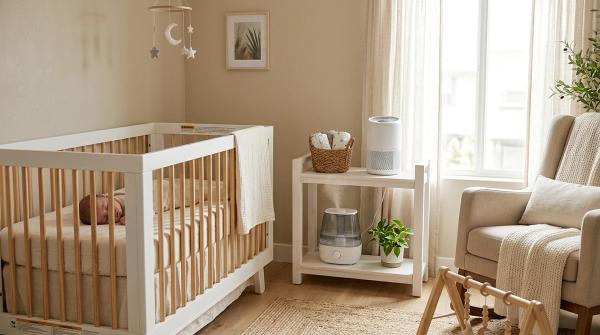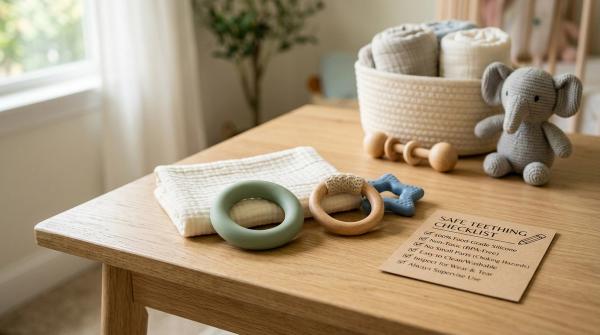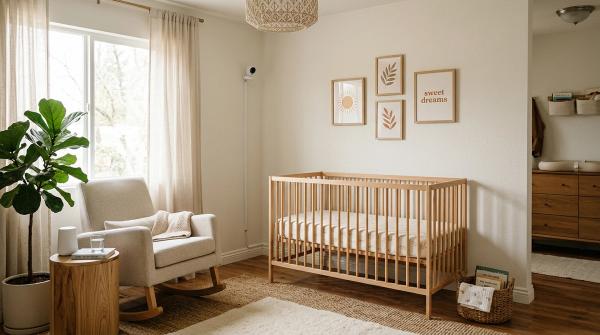
Quick answer: If you’re choosing between a crib mattress vs bassinet, start with a bassinet or bedside sleeper if your bedroom is small and you want your newborn close at night. Choose a crib with a firm crib mattress if you have the space and want something that will last longer.
Whatever you choose, the safest sleep setup is the same: a proper infant sleep product with a firm, flat, non-inclined surface, and nothing in it except a fitted sheet.
Buying baby sleep gear sounds easy until you actually start looking. Suddenly, everyone has advice: get a bassinet, skip the bassinet, buy a crib first, or choose a bedside sleeper. Then you see travel cots, rocking cradles, loungers and baby nests that all look soft and convenient.
The tricky part is that cozy does not always mean safe.
This guide compares bassinet vs crib, explains bedside sleeper vs bassinet, and helps you choose what makes sense for your home, your budget and those very real 3 a.m. wake-ups.
First, What Are You Actually Buying?
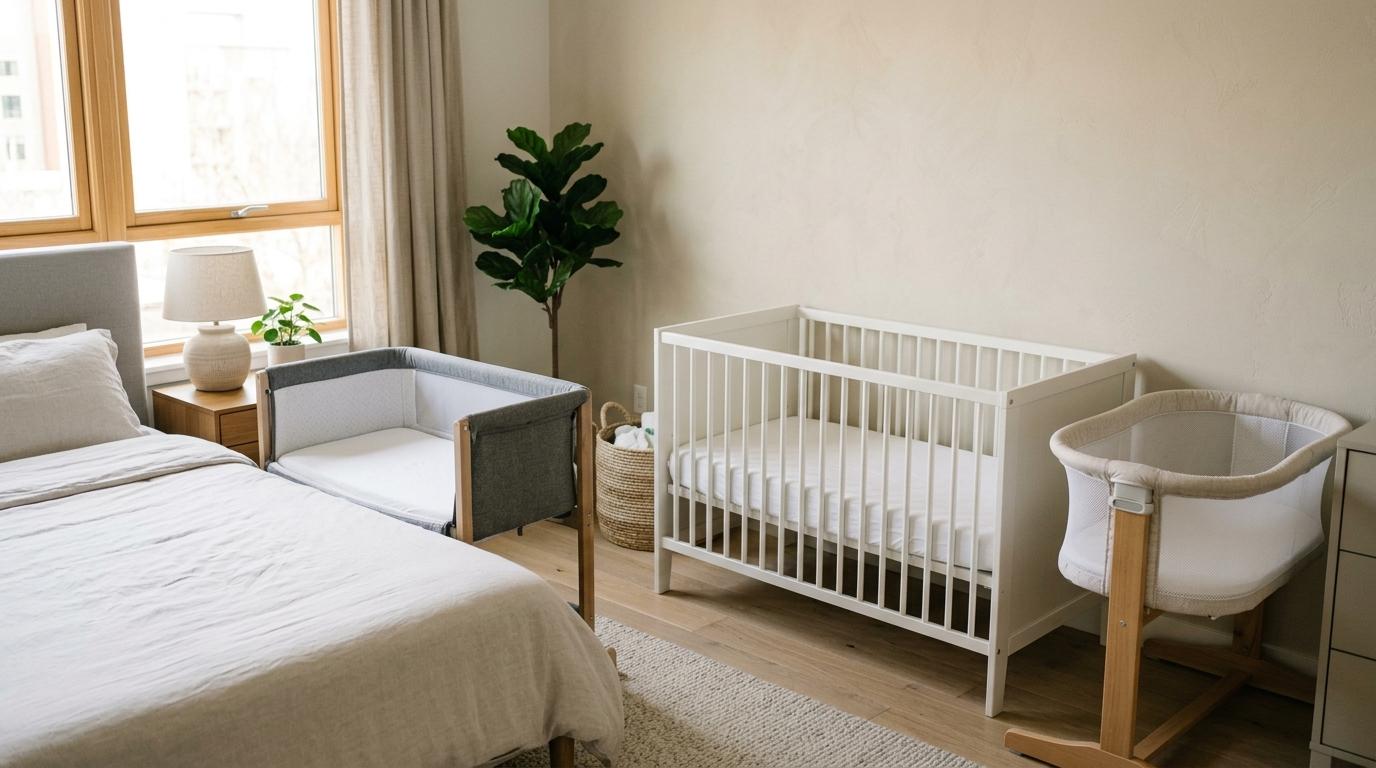
#Crib with crib mattress: A crib is a larger baby sleep space that can usually be used much longer than a bassinet. It needs a firm crib mattress that fits properly, plus a fitted sheet. That’s all. No pillows, blankets, bumpers, toys or extra padding.
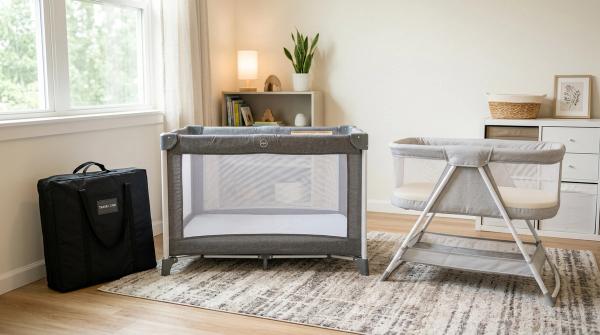
Bassinet: A bassinet is a smaller sleep space, usually meant for newborns and younger babies. It often fits easily beside an adult bed and may be easier to move around the house, depending on the model.
Bedside sleeper: A bedside sleeper is similar to a bassinet, but it is designed to sit right next to the adult bed. Some models must be attached to the bed in a specific way. The idea is that your baby stays close to you, but still sleeps on their own separate surface.
The rule for all three is simple: use a product made for infant sleep, follow the manual, and keep the sleep space bare.
Crib Mattress vs Bassinet vs Bedside Sleeper: Quick Comparison
#Option 1: Crib and Crib Mattress
#A crib with a crib mattress is the longest-lasting option. If you have enough space, it can be the most straightforward choice because you won’t need to buy a bassinet for the first few months and then switch later.
In the crib mattress vs bassinet decision, the crib clearly wins on longevity. Your baby won’t outgrow it quickly, and you’ll have a proper sleep space ready from day one.
But a crib is not automatically the best first purchase for every family.
It is bigger. And in a real bedroom, that matters.
If your room already has a bed, wardrobes, side tables, storage boxes, laundry baskets and barely enough walking space, adding a crib can make nights more difficult. You don’t want to squeeze around furniture half-asleep while trying to pick up a crying baby.
Buy a crib first if:
#- Your bedroom has enough safe floor space.
- You want to avoid buying a short-term bassinet.
- You prefer one fixed sleep setup.
- You’re okay getting up for feeds, burping and diaper changes.
- You already know where the crib will go later.
Maybe skip the crib as your first buy if:
#- It makes your bedroom feel too crowded.
- You can’t place it away from curtains, cords, windows or loose bedding.
- You live in a small apartment and need something compact for now.
- You want your baby right beside your bed, but the crib simply won’t fit there.
A crib is a great choice when it works for your space. But if it turns your bedroom into an obstacle course, it may not feel so great at 3 a.m.
Option 2: Bassinet
#A bassinet is often the easiest first sleep product for new parents. It’s smaller than a crib, usually easier to keep close to the bed, and more practical in tight rooms.
In the bassinet vs crib comparison, the bassinet wins on convenience and space. It can be especially helpful in the early weeks when your baby wakes often and you want them nearby, but still sleeping separately.
The main downside is that bassinets don’t last very long. You need to stop using one when your baby reaches the manufacturer’s weight, age or movement limit. Some babies outgrow bassinets sooner than parents expect, so don’t guess. Check the manual.
Buy a bassinet first if:
#- Your bedroom is small.
- You want your baby close to your bed.
- You may want to move the sleep space between rooms.
- You live in an apartment where a crib feels too large at first.
- You’re okay buying or setting up a crib later.
Skip a bassinet if:
#- You want to buy only one main sleep setup.
- You already have safe space for a crib.
- You don’t want a product that will be used for only a short time.
- The bassinet does not clearly say it is meant for infant sleep.
A bassinet is not safer just because it is small. A crib is not safer just because it is bigger. The safest option is the one that meets current safety requirements, is assembled correctly, and is used as instructed.
Option 3: Bedside Sleeper
#The biggest difference in bedside sleeper vs bassinet is how it sits next to your bed.
A regular bassinet usually stands on its own. A bedside sleeper is designed to be right beside the adult bed, and many models need to be attached or aligned in a very specific way.
This can be genuinely helpful during the newborn stage. You can see your baby easily, reach them more quickly, and still keep them on their own separate sleep surface. When everyone is tired and the night feels endless, that convenience can matter.
But bedside sleepers are more sensitive to setup.
The height has to work with your bed. The attachment has to be done correctly. There should be no unsafe gaps. If your bed is very high, very low, has storage drawers, a thick frame, or a soft mattress edge, some bedside sleepers may not be suitable.
Buy a bedside sleeper first if:
#- You want your baby very close at night.
- Your bed is compatible with the product.
- You’re willing to follow the manual carefully.
- You don’t need to move the sleeper around often.
- You have enough space beside your bed.
Skip a bedside sleeper if:
#- Your bed height or frame does not match the product requirements.
- You can’t attach or align it exactly as instructed.
- There is a gap between the sleeper and adult mattress.
- You want something portable for daytime naps in another room.
- You’re unsure whether the model meets current safety standards.
A bedside sleeper can be very convenient, but it is not a shortcut around safe sleep rules. Your baby still needs a firm, flat, non-inclined sleep surface with only a fitted sheet.
Safe Sleep Checklist Before the First Nap
#No matter what you buy, the setup matters just as much as the product.
CPSC safe-sleep guidance says parents should use products intended for sleep that meet current requirements and keep the sleep area bare. AAP safe-sleep guidance recommends placing babies on their backs, on a firm, flat, non-inclined sleep surface, with only a fitted sheet.
Before using any crib, bassinet, or bedside sleeper, run through this checklist.
Do this
#- Use a crib, bassinet, or bedside sleeper made for infant sleep.
- Read the label and manual, even if the setup looks obvious.
- Assemble the product exactly as instructed.
- Use the mattress or pad specified by the manufacturer.
- Use only a tight fitted sheet.
- Place your baby on their back for every sleep.
- Keep the sleep area completely bare.
- Move your baby to a safe sleep space if they fall asleep on a sofa, armchair, swing, lounger, or car seat outside travel use.
- Stop using the product when your baby reaches the listed limit.
Don’t do this
#- Don’t add pillows, blankets, bumpers, stuffed toys, loose sheets or positioners.
- Don’t use inclined sleepers for routine sleep.
- Don’t add extra padding to make the surface softer.
- Don’t use a bedside sleeper if it is not attached or aligned correctly.
- Don’t use broken products, missing parts, unclear manuals or recalled items.
A bare sleep space can look plain, especially when nursery photos online are full of cushions, throws and soft toys. But for baby sleep, plain is good. Plain is safe. Plain is the point.
India-Aware Notes: Small Flats, Joint Families, Heat and Monsoon
#A lot of baby sleep advice online assumes you have a large nursery, a spare room and plenty of empty floor space.
Many Indian homes don’t look like that. And that’s completely fine.
Your baby’s sleep setup has to work in your actual home, not in a showroom or Pinterest photo.
Small apartments and tight bedrooms
#In cities like Mumbai, Bengaluru, Delhi NCR, Pune, Hyderabad and Chennai, bedrooms can be tight. You may already have a bed, wardrobes, side tables, suitcases, storage boxes and maybe even a work desk in the same room.
If a crib blocks the wardrobe or makes it hard to walk around the bed, a bassinet may be the more practical first buy. You can use it in the early months, then move to a crib once you rearrange furniture or shift your baby to another sleep area.
Joint families and daytime naps
#In joint or multi-generational homes, babies often spend part of the day in the living room while parents, grandparents or caregivers are nearby.
A portable bassinet can be useful here, as long as it is still a proper sleep product and placed on a stable floor.
Try not to use sofas, adult beds, loungers or padded baby nests for naps just because they are nearby. They may feel convenient in the moment, but they are not the same as a safe sleep surface.
Heat and airflow
#In hot weather, think carefully about where the sleep space goes.
Avoid placing the crib, bassinet, or bedside sleeper directly under strong AC airflow, next to open windows, or near curtains, cords, or mosquito netting that could fall into the sleep area.
A freestanding crib or bassinet may be easier to move than a bedside sleeper, since bedside sleepers depend on the adult bed’s position.
Monsoon humidity
#During monsoon, dampness can affect mattresses, sheets and bedding. Keep the sleep area dry and well aired.
If you use a waterproof cover, make sure it is compatible with the product and does not bunch up or make the surface soft.
Do not add towels, folded cloth, quilts or extra layers under your baby to absorb moisture. Extra layers can make the sleep surface unsafe.
So, What Should New Parents Buy First?
#Here’s the simplest way to decide.
Choose a bassinet first if your bedroom is small, you want your baby close, and you’re okay moving to a crib later.
Choose a bedside sleeper first if you want your baby very close at night and your bed is fully compatible with the product.
Choose a crib with crib mattress first if you have enough space and want the longest-lasting setup from day one.
Many parents use a bassinet or bedside sleeper for the first few months, then shift to a crib. That’s perfectly practical.
Other parents skip the bassinet and use a crib from day one. That can work well too.
The best choice is not the fanciest, prettiest or most expensive one. It’s the one you can use safely, correctly and consistently, even when you’re exhausted.
Disclaimer: This article is for general buying guidance only, not medical advice. If you have questions about your baby’s health or sleep needs, speak with a qualified pediatric professional.