
Most dog scooting means your dog feels itching, pressure, soreness or irritation around the rear end. A single quick scoot after a messy poop may not be an emergency, but repeated scooting, pain, swelling, blood, foul smell, worms or diarrhea needs a veterinarian.
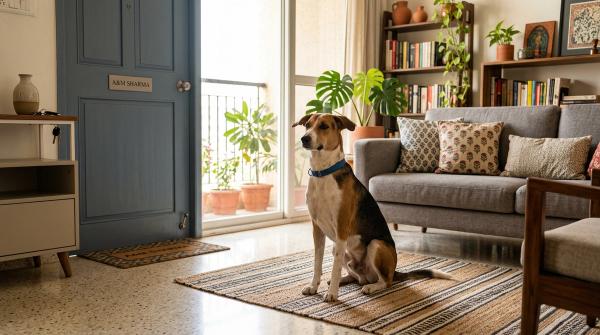
Dog parents often notice scooting when a dog sits down and drags their bottom across tiles, rugs, carpets or balcony floors. It can look funny for a second, but it usually means discomfort. Your dog is not being naughty or trying to ruin the floor. They are trying to relieve something that feels wrong.
Why dogs scoot on the floor
#Veterinary references commonly describe anal sac disease as a frequent reason dogs drag their bottom, but it is not the only cause. Worms, allergies, skin irritation, diarrhea, matted fur and residue after poop can all trigger scooting.
The best next step is to observe calmly: how often it happens, whether it follows poop, whether your dog licks under the tail, and whether there is smell, swelling or visible irritation.
Dog anal glands are a common cause
#Dogs have two small anal sacs near the anus, often described as sitting around the 4 o’clock and 8 o’clock positions. These sacs contain strong-smelling fluid. Normally, firm stool helps empty them during a bowel movement.
Sometimes they do not empty well. Fluid can build up and make the area feel full, itchy, sore or painful. Your dog may scoot, lick under the tail, suddenly sit down, turn around to bite at the rear, or act uncomfortable when touched.
Small dogs are often more prone to anal gland trouble, but any dog can be affected. Soft stool, inflammation, allergies and skin problems can contribute. A strong fishy or foul smell from the back end can point toward anal gland trouble, especially with repeated scooting or licking. Still, smell alone is not a diagnosis.
If there is swelling, pain, discharge or repeated scooting, a vet should check the area.
Worms and parasites can also cause scooting
#Many pet parents immediately think of worms. That can be true, especially with tapeworms. Tapeworm segments may irritate the skin around the anus and can look like tiny white grains of rice or sesame seeds.
You might see them in the fur under the tail, on your dog’s bedding, near fresh stool or around the place where your dog sleeps. Dogs can get tapeworms after swallowing an infected flea while grooming, so flea control and worm care are connected.
If you see anything worm-like, take a clear photo if possible and call your veterinarian. Do not guess the worm type or give random deworming medicine. Puppies, small dogs, pregnant dogs, senior dogs and unwell dogs need extra caution.
Skin allergies, irritation and grooming issues
#A dog’s rear end can also itch because of irritated skin. Allergies may affect the paws, ears, belly, tail base and rear end. The skin around the anus is sensitive, so even mild irritation can feel intense.
Watch for red skin, licking, chewing, itchy paws, itchy ears, hair loss, a yeasty smell or restlessness. Some dogs also scoot after grooming, especially if the sanitary area was clipped too closely or shampoo was not rinsed well.
In apartment homes, floor cleaners can matter too. Dogs sit and lie on floors cleaned with phenyl, disinfectants, perfumed cleaners or other products. If scooting started after a cleaner change, mention it to your vet.
Dirty bottom, diarrhea or matted fur
#Sometimes the reason is simple: your dog had a messy poop. Loose stool, sticky poop or diarrhea can leave residue in the fur. Long-haired dogs, fluffy-tailed dogs and dogs that cannot easily groom that area may scoot to clean themselves.
Scooting once after poop can be a cleaning attempt. If you gently clean the area and the scooting stops, it may not be serious. But if it repeats, the skin looks red, the fur is tightly matted, diarrhea continues or your dog seems painful, call your veterinarian.
Causes comparison table
#Safe home checklist
#If your dog is calm and not obviously in pain, you can do a gentle check at home. The goal is only to look and gather clues, not to treat or squeeze anything.
- Look under the tail gently. Use gloves if available. Check for redness, swelling, a lump, wet discharge, blood, matted fur, stool stuck in the coat or pain when touched.
- Stop if your dog resists. Crying, snapping, trembling, hiding or growling means you should stop and call your vet.
- Check stool and bedding. Look for white or cream rice-like pieces that could be parasite segments.
- Check for fleas or flea dirt. Part the fur near the tail base, belly and inner thighs. Flea dirt looks like tiny black pepper specks.
- Watch the poop pattern. Note whether stool is soft, sticky or watery, whether your dog is straining, and whether scooting happens only after poop or at random times.
- Clean only visible mess. Use plain warm water or pet-safe wipes. Pat dry. Do not scrub.
If fur is tightly matted near the anus, do not pull it or cut close to the skin at home. That area is delicate, and accidental cuts can happen easily. A groomer or vet clinic can handle it more safely.
What not to do
#Do not express anal glands at home unless your veterinarian has directly trained you for your dog. Anal gland expression looks easy in videos, but wrong pressure or squeezing an inflamed sac can make pain and irritation worse.
Do not use human creams, antiseptics, Dettol, Savlon, essential oils, pain balms, steroid creams or random ointments unless your vet specifically tells you to. Dogs lick that area, and some products can irritate tissue or be unsafe if swallowed.
Do not give deworming medicine without vet advice. Not all dewormers treat all parasites, and dosing depends on your dog’s age, weight and health.
Do not punish your dog for scooting. It is usually discomfort, not bad behavior.
Vet red flags to take seriously
#Call your veterinarian if you notice repeated scooting, scooting several times in a day, pain, crying, trembling, hiding, swelling, a lump near the anus, blood, a foul or fishy smell, pus, wet discharge, an open sore, visible worms, diarrhea, poor appetite, vomiting or weakness.
Scooting in puppies, senior dogs, pregnant dogs or dogs with other health problems should be checked sooner. If your dog has severe pain, bleeding, an open sore or abscess-like swelling near the anus, contact a vet promptly.
India-aware apartment notes
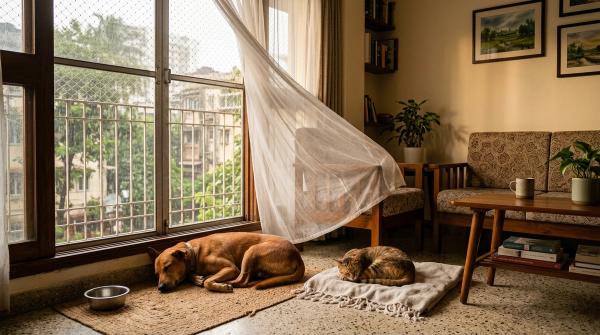
#In many Indian homes, dogs scoot on tile, marble, rugs, doormats or balcony floors. A few practical habits help you spot and reduce irritation:
- Keep dogs away from freshly cleaned floors until dry.
- If strong cleaners were used, consider rinsing the area with plain water or switching to a pet-safe cleaner.
- Keep pee pads, balcony toilet spots and indoor grass trays clean and dry.
- In humid cities, long fur around the rear can get dirty or matted faster.
- If your dog uses common apartment gardens, stay regular with vet-advised parasite prevention.
- Ask groomers to be gentle around the sanitary area and to report redness, swelling, discharge or bad smell.
These steps do not replace veterinary care. They simply help you notice problems earlier and explain them clearly to your vet.
Quick takeaway
#Dog scooting on the floor usually means something is irritating your dog’s rear end. Anal gland discomfort is common, but worms, allergies, skin irritation, diarrhea and matted fur can also be involved.
You can safely look under the tail, clean visible mess gently, check for worm-like segments, watch the stool and note smell or swelling. Do not squeeze anal glands, use human creams, give random dewormers or punish your dog.
If scooting repeats, smells foul, looks painful, shows blood or swelling, involves visible worms or diarrhea, or happens in a puppy or senior dog, call your veterinarian.
Disclaimer: This article is for informational purposes only and does not diagnose, dose or provide treatment plans. If your dog has pain, bleeding, swelling, foul smell, visible worms, diarrhea, repeated scooting or ongoing discomfort, consult a veterinarian.