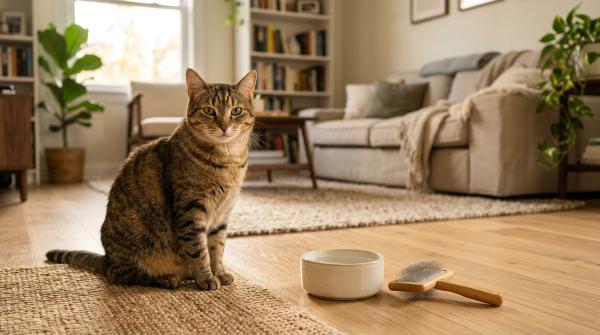
A senior cat care checklist helps you spot small changes before they become bigger problems. For an older cat, track appetite, water, litter box habits, weight, mobility, grooming, dental comfort and mood. Keep food, water and a low-entry litter box easy to reach, support movement with steps or ramps, and call your veterinarian for sudden or worrying changes.
Veterinarian disclaimer: This guide is for education only. It does not replace professional veterinary advice, diagnosis or treatment. If your cat seems ill, painful, weak, unusually thirsty, off food, or has changed litter box habits, contact your veterinarian promptly.
Why senior cat care is mostly about noticing change
#Caring for a senior cat is not about hovering over them or worrying about every small thing. It is about knowing what is normal for your cat, then noticing when that normal starts to shift.
Many people begin thinking of their cat as a senior around age 10, although every cat ages differently. Veterinary life stage guidance from AAHA and AAFP recognizes that older cats benefit from more focused care, and Cornell Feline Health Center makes an important point: growing older is not itself a disease.
A senior cat can still be playful, nosy, affectionate, demanding, silly and completely themselves. But cats rarely announce discomfort clearly. They may not cry, limp or seem obviously sick.
Instead, the signs can be quiet.
Maybe your cat stops jumping onto the bed. Maybe they sleep on the floor instead of their favorite chair. Maybe their coat looks messy. Maybe there is suddenly more urine in the litter box. Maybe they seem hungry but do not finish food.
Those small changes are worth paying attention to.
Weekly senior cat care checklist
#Use this checklist as a simple guide at home. You do not need to track every detail perfectly. Just notice patterns.
A quick phone note can help. Simple entries like “ate half of breakfast,” “big urine clump,” or “didn’t jump to window today” give your vet a clearer picture of what is happening at home.
Senior cat vet visits: what to plan and when to call
#Senior cat vet visits matter because many age-related health problems build slowly. Your cat may seem mostly fine at home even while early changes are starting inside the body.
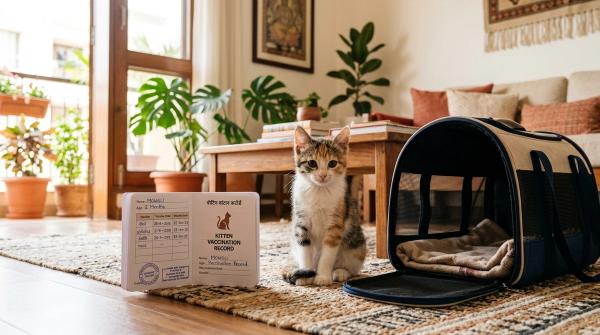
For many older cats, veterinarians recommend checkups about twice a year. Your own vet may suggest a different schedule depending on your cat’s age, weight, medical history and current health.
During a senior cat checkup, your vet may discuss:
- Weight and muscle condition
- Teeth, gums and mouth comfort
- Heart and breathing
- Eyes and ears
- Joint comfort and movement
- Skin, coat and claws
- Blood and urine testing, when needed
- Food, water intake and litter box habits
Warning signs that need veterinary advice
#Call your veterinarian if you notice:
- Not eating, or eating much less than usual
- Sudden increase in thirst
- Sudden change in urination or stool
- Crying, straining or repeated litter box trips
- Hiding more than usual
- Sudden aggression or sensitivity to touch
- Trouble jumping, walking or standing
- Fast weight loss or weight gain
- Drooling, bad breath or trouble chewing
- Matted coat because your cat cannot groom properly
- Extreme tiredness or weakness
- Any sudden behavior change
Never give human pain medicine to a cat. Many common human medications are dangerous for cats. If you think your cat is in pain, call your vet and ask what is safe.
Food and water monitoring for senior cats
#There is no single “best senior cat food” for every older cat. It depends on the individual cat.
Some senior cats need help keeping weight on. Some need fewer calories. Some have dental pain, digestion issues, kidney concerns or other medical needs. Your vet can help you choose food based on your actual cat, not just the age printed on the food bag.
At home, one of the most useful things you can do is watch how your cat eats.
What to watch at mealtimes
#Notice whether your cat:
- Comes to food normally
- Finishes the usual amount
- Leaves food suddenly
- Drops kibble or wet food
- Chews on one side
- Walks away after sniffing
- Seems hungry but does not eat well
These signs do not tell you exactly what is wrong, and you do not need to diagnose the problem yourself. But they are good reasons to speak with your vet.
Make food easier to reach
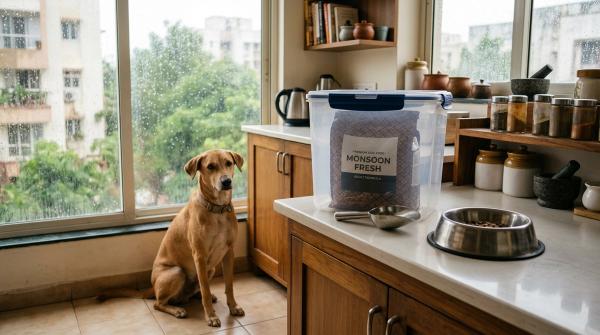
#Older cats often do better when food is easy to access. Put meals somewhere your cat does not need to jump, climb or cross a slippery floor to reach.
In a small apartment or flat, this might mean placing food near a favorite resting area. Keep it away from the litter box because most cats do not like eating near their toilet.
Some cats prefer wide, shallow bowls because their whiskers do not rub the sides as much. Slightly raised bowls may help some older cats eat more comfortably. The best guide is your cat. Watch what they actually prefer.
Water matters too
#You do not have to measure every sip unless your vet asks you to, but it helps to know what is normal for your cat.
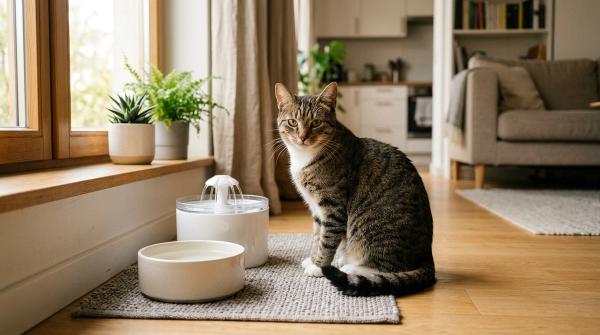
Helpful water setup ideas include:
- Keeping more than one water bowl if you have space
- Using wide, shallow bowls if your cat dislikes whisker contact
- Keeping water fresh
- Placing water where your cat can reach it without jumping
- Trying a quiet fountain if your cat already likes moving water
A sudden increase or decrease in drinking is worth mentioning to your vet.
Senior cat litter box setup
#The senior cat litter box is one of the easiest places to make your cat’s life more comfortable.
If an older cat starts going beside the box, they are not being naughty, stubborn or spiteful. There is usually a reason. The box may be painful to enter, too far away, too slippery around the entrance, too dirty, or your cat may have a medical problem.
What makes a litter box senior-friendly?
#Look for:
- Low entry: Your cat should not have to climb over a high wall.
- Enough space: They should be able to turn around comfortably.
- Easy location: Avoid making your cat climb stairs or walk far if possible.
- Stable footing: Use a non-slip mat if the floor is slick.
- Clean routine: Older cats may become less tolerant of dirty boxes.
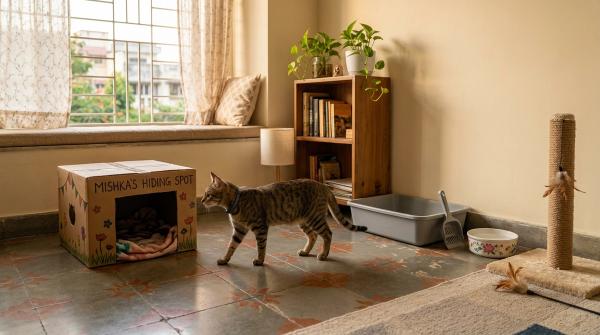
In a multi-level home, it often helps to keep a litter box on each level. In a small Indian apartment, studio or compact flat, focus on easy access and a little privacy. Do not hide the box so far away that your cat avoids using it.
Litter box changes to report to your vet
#Call your vet if your cat:
- Misses the box repeatedly
- Urinates right next to the box
- Cries in the box
- Goes in and out without producing much
- Has very large urine clumps
- Has diarrhea or constipation signs
- Suddenly changes frequency
Litter box changes in senior cats should always be taken seriously.
Mobility, arthritis signs and safer movement
#Cat arthritis signs can be subtle. Many cats do not limp clearly. Instead, they quietly change their habits.
You may notice your senior cat:
- Hesitates before jumping
- Uses claws to pull up instead of leaping
- Avoids windowsills, beds or sofas they used to love
- Sleeps on the floor instead of higher spots
- Walks stiffly after resting
- Dislikes being touched on the back or hips
- Stops playing in the usual way
Do not try to diagnose arthritis at home. Treat these as possible signs that your cat may be uncomfortable and needs a vet check.
Senior cat home setup for easier movement
#Small home changes can make a big difference:
- Add pet steps, a sturdy stool or a ramp near favorite spots
- Keep beds, food, water and litter on the same level when possible
- Use rugs or mats on slippery floors
- Avoid moving furniture too often if your cat relies on familiar paths
- Keep night paths clear
- Offer low resting places as well as safe higher options
The goal is not to stop your cat from climbing or exploring. It is to make movement easier and give them choices.
Grooming, claws and coat care
#Many senior cats still groom beautifully. But stiffness, dental discomfort, weight changes or low energy can make grooming harder.
Check your cat’s coat once a week. Pay special attention to the lower back, hips, belly and behind the legs. These are common spots for mats when a cat cannot twist or reach comfortably.
Gentle grooming tips
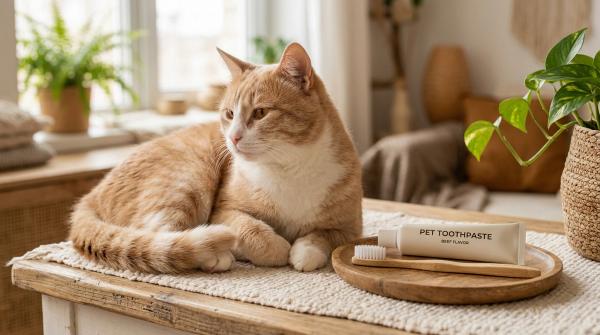
#- Use a soft brush
- Keep sessions short
- Stop if your cat seems sore, tense or stressed
- Do not pull hard at mats
- Ask a vet or groomer for help if mats are tight or close to the skin
Also check your cat’s claws. Senior cats may scratch less, and their claws may become thicker or fail to shed as easily. Overgrown claws can catch on fabric or grow uncomfortably. If you are not confident trimming claws, ask your vet clinic to show you how to do it safely.
Dental comfort in older cats
#Dental pain is easy to miss. A cat may keep eating even when their mouth hurts because cats can be very determined to carry on as usual.
Watch for:
- Dropping food
- Chewing on one side
- Bad breath
- Drooling
- Pawing at the mouth
- Refusing hard food
- Eating slowly
- Pulling away when the face is touched
If you notice these signs, book a vet visit. Do not try to treat mouth pain at home.
Warmth, rest and everyday comfort
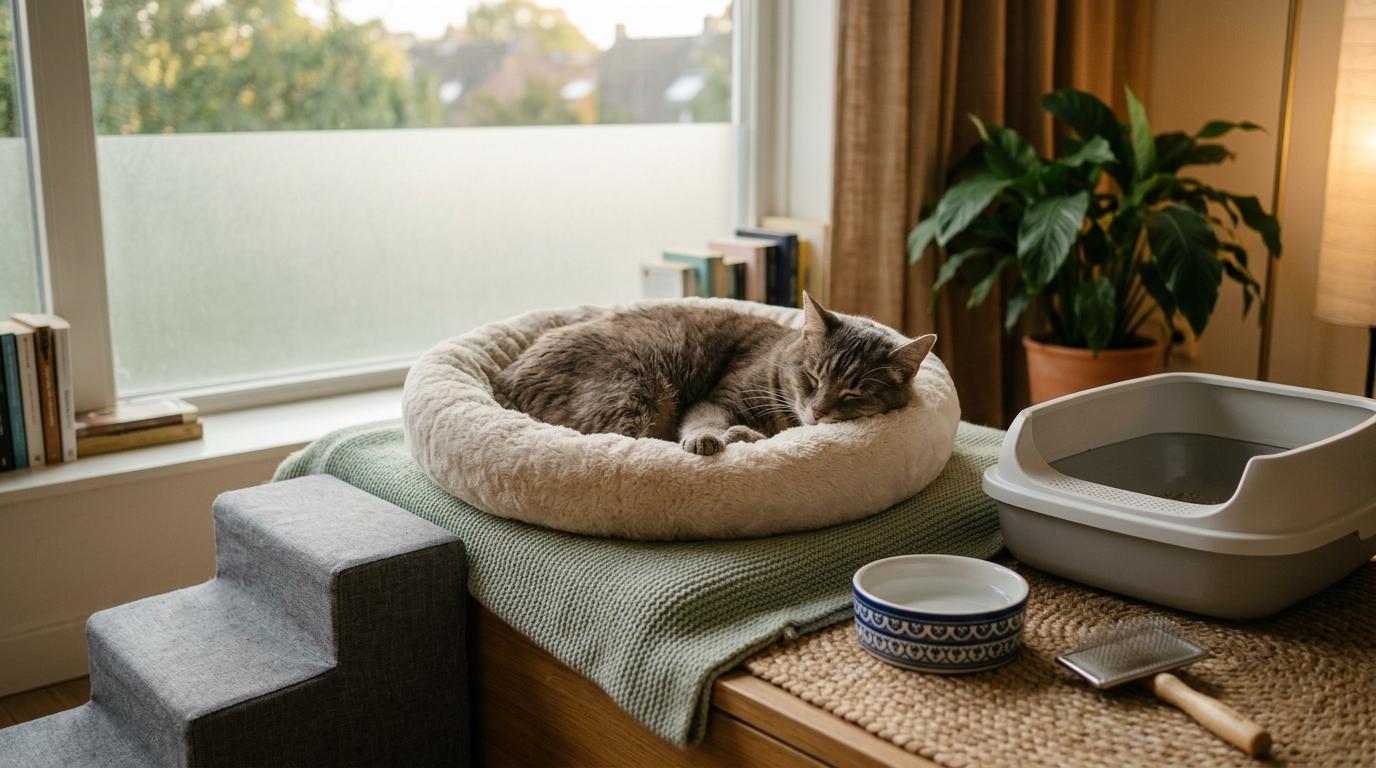
#Senior cats often love warmth, routine and predictable spaces. A few cozy changes can make everyday life easier.
Try offering:
- Soft beds in quiet areas
- Sunny resting spots
- Draft-free corners
- Easy access to favorite humans
- Low beds for days when jumping feels harder
- A safe perch with steps if your cat enjoys watching outside
In hot climates, or during warm Indian summers, comfort also means giving your cat a way to cool down. Make sure they can move away from sunny spots and reach fresh water easily. The best setup gives your cat options.
A simple daily routine for older cat care
#If you want an easy rhythm, try this:
Morning: Check appetite, water, litter box, walking and mood.Evening: Notice how your cat jumps, rests, eats and interacts.Weekly: Brush gently, check claws, feel for weight changes and review your notes.Every six months or as advised: Schedule senior cat vet visits.
This routine only takes a few minutes. The value is in doing it regularly.
Related AllBlogs guides to read next
#- Cat Litter for Beginners: Clumping, Tofu, Silica, Paper or Pine for Small Apartments — helpful if litter type or odor control is becoming harder.
- Indoor Cat Enrichment Ideas for Small Apartments — useful for keeping an older indoor cat engaged gently.
- Cat Hairball or Vomiting? How to Tell the Difference — good background if grooming, hairballs or vomiting changes appear.
- Cat Litter Smell in Small Apartments: Monsoon Guide for Indian Cat Parents — useful for humid homes and litter-box management.
- How to Stop Cat Scratching Furniture: Humane Apartment Fixes — helpful if your cat’s scratching needs change with age.
Source notes
#This guide was written with source-aware wording from veterinary life stage guidance by AAHA/AAFP and senior cat education from Cornell Feline Health Center. It avoids diagnosis, medication dosage and treatment plans because those should come from a qualified veterinarian who has examined your cat.
Key takeaway
#Senior cat care is not about panic. It is about calm, practical attention.
Keep vet visits regular. Make food and water easy to reach. Improve the litter box. Support safe movement. Help with grooming. Watch for dental discomfort. Give your cat warm, peaceful places to rest.
Most of all, trust the small changes you notice. With older cats, catching something early is one of the kindest things you can do.