If you want the simple answer: for most dogs and cats, stainless steel bowls are the best everyday choice.
They’re sturdy, easy to clean, difficult to crack, and generally more hygienic than bowls that scratch or chip easily. That’s why many vets and pet care professionals prefer them.
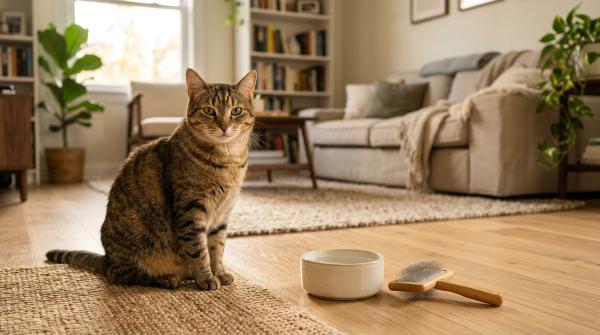
That said, a good ceramic pet bowl can also be a lovely option, especially if you want something heavier that does not slide around. The catch? It needs to be food-safe and completely free from chips or cracks.
A plastic pet bowl is fine for the occasional trip, backup use, or short-term situation, but it is usually not the best long-term bowl. Plastic scratches easily, and those scratches can trap old food, saliva, and bacteria.
So yes, the bowl does matter. Maybe not as much as the food itself, but more than most of us think.
Why Your Pet’s Bowl Material Matters
#A dog food bowl or cat food bowl feels like such a basic thing. You buy one, put it on the floor, fill it every day, and don’t think too much about it.
But your pet eats and drinks from that bowl every single day.
Over time, food bits, saliva, dust, water minerals, and oils can build up inside the bowl. Sometimes there’s even a slimy layer that forms, especially in water bowls. That layer is often called biofilm.
And if the bowl has scratches, cracks, chips, or rough patches, it becomes much harder to clean properly.
This does not mean you need to buy some fancy designer bowl. Your dog does not care if the bowl matches your curtains. Your cat is probably judging it for other reasons anyway.
What matters is simple:
- Is it safe?
- Is it easy to wash?
- Does it suit your pet?
- Does it work for your home?
For many homes, especially smaller apartments where sink space, floor mess, and storage matter, stainless steel is usually the easiest place to start.
Quick Comparison: Stainless Steel vs Ceramic vs Plastic vs Silicone
#Stainless Steel Pet Bowls: The Best Everyday Option
#A stainless steel pet bowl is boring in the best possible way.
It does the job, it lasts a long time, and it is easy to clean. For everyday feeding, that is exactly what you want.
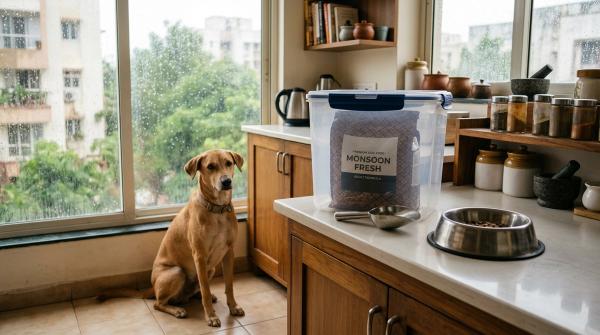
Stainless steel is non-porous, which means food and water do not soak into it. It also does not crack the way ceramic can, and it does not scratch as easily as plastic. That makes it a practical choice for both food and water.
Why stainless steel works so well
#A good stainless steel bowl is:
- Easy to wash by hand
- Often dishwasher-safe
- Hard to break if dropped
- Suitable for both food and water
- Lightweight but long-lasting
- Easy to stack and store
- Usually affordable
- A good choice if you do not want to keep replacing bowls
For most pet parents, this is the low-drama option. And honestly, low drama is underrated.
What to check before buying
#Not every stainless steel bowl is equal.
Some very cheap bowls are thin, noisy, and easy to dent. They may also slide around the floor, especially if your dog eats like the food is about to escape.
If you have tile, marble, or smooth flooring, look for a bowl with a non-slip rubber base. It keeps the bowl steadier and reduces that awful scraping sound across the floor.
Also, check the bowl from time to time. Stainless steel is tough, but it is not magic. Replace it if you notice:
- Rust
- Deep scratches
- Rough patches
- Dents that make it hard to clean
- Loose or peeling rubber at the base
For most homes, a medium-weight stainless steel bowl with a non-slip base is the safest, easiest choice.
Ceramic Pet Bowls: Pretty, Heavy, and Good If They Stay Perfect
#A ceramic pet bowl can be a great option if your pet keeps pushing lighter bowls across the floor.
Ceramic bowls are heavier, so they tend to stay in place better. They also often look nicer in the home, which matters if your pet’s feeding area is in the kitchen, living room, or another visible corner.
They can work especially well for cats if the bowl is wide and shallow.
But ceramic has one important rule:
If it chips or cracks, stop using it.
Even a small chip can create a spot where food, moisture, and bacteria collect. Cracked glaze can also be harder to clean properly. And chipped rims may have sharp edges that can hurt your pet’s mouth.
Ceramic bowls work best when
#- The bowl is heavy and stable
- The glaze is smooth and intact
- It is clearly made for food or pet use
- It is easy to wash thoroughly
- You check it often for chips and cracks
- It fits comfortably in your sink
Be careful with
#- Hairline cracks
- Chipped rims
- Rough or uneven surfaces
- Decorative bowls with unclear safety claims
- Very large ceramic bowls that are awkward to wash
- Bowls that are more “decor item” than food-safe dish
Ceramic can be lovely, but it needs a little more attention than stainless steel.
If you live in a compact apartment, think about the boring practical stuff before buying a huge ceramic bowl online. Will it fit in your sink? Can you wash it daily without knocking it against everything? Is it too heavy when full of water?
A bowl can look beautiful in photos and still be annoying in real life.
Plastic Pet Bowls: Cheap and Light, But Not Ideal Long-Term
#A plastic pet bowl is easy to find, inexpensive, and lightweight. Many slow feeders and puzzle bowls are made from plastic too, so it is not always something you can avoid completely.
The problem is that plastic scratches easily.
Once scratched, those tiny grooves can hold onto food oils, saliva, and bacteria. Even if you wash the bowl, it may not get fully clean. Over time, plastic can also start to smell, stain, or feel rough.
For cats, scratched plastic bowls are often discussed as a possible trigger for chin acne or irritation. If your cat has black specks, redness, swelling, sores, or discomfort around the chin, it is best to speak to your vet.
Plastic may be okay for
#- Short trips
- Temporary use
- Backup bowls
- Travel feeding
- Supervised slow feeding, if the bowl is still smooth and clean
Replace plastic bowls if
#- You can see scratches
- The surface feels rough
- The bowl smells bad after washing
- Your pet chews the rim
- The colour changes
- The plastic looks cloudy or worn
- Your cat develops chin irritation
If plastic is all you can buy right now, that is okay. Choose a smooth, food-safe bowl, wash it daily, and replace it as soon as it starts showing wear.
The goal is not perfection. It is safe, sensible pet care.
Silicone Bowls: Great for Travel, Not Always Great for Daily Use
#Silicone bowls are handy.
They fold flat, weigh almost nothing, and are easy to carry. They are useful for:
- Walks
- Car rides
- Vet visits
- Hikes
- Travel
- Emergency backup bowls
For home use every single day, though, silicone would not be my first pick.
Silicone can attract dust, hair, and kitchen lint. Some silicone bowls also hold onto soap smell if they are not rinsed very well, and some pets are fussy about that.
So, silicone bowls are best as travel helpers, collapsible water bowls, or feeding mats. For the main food and water bowls at home, stainless steel or intact ceramic usually makes more sense.
Buyer Checklist for Small Apartments
#If you live in a small apartment, the best bowl is not just the “safest” one. It also needs to fit your actual life.
A bowl that is too big for your sink, too noisy on the floor, or too awkward to store will become irritating very quickly.
Before buying, use this checklist.
- Choose a non-slip base. Tile and marble floors can make bowls slide and scrape. A rubber base helps a lot.
- Pick shallow bowls for cats. Many cats prefer wide, shallow bowls because their whiskers do not press against the sides as much.
- Check your sink size. A large ceramic bowl may look great online but be annoying to wash every day.
- Buy two or three simple bowls. This is often more useful than one expensive bowl, especially if your pet eats wet food.
- Look for stackable designs. Stainless steel bowls usually store neatly in small cabinets.
- Avoid complicated shapes for daily use. Ridges, corners, and decorative grooves are harder to clean.
- Use a washable feeding mat. Very helpful if your pet spills water or drops food.
- Choose the right size. The bowl should hold enough food or water without being too deep for your pet.
- For excited dogs, choose grip or weight. A sliding bowl creates noise, mess, and frustration.
- For cats, keep food and water apart if possible. Even a little distance can make the feeding area more comfortable.
Warnings Every Pet Parent Should Know
#1. Scratches are not just cosmetic
#Scratches make bowls harder to clean.
This is especially true for plastic bowls, but any badly scratched bowl should be replaced. If your pet chews the bowl, stop using it. Chewed edges can become sharp, rough, and unhygienic.
2. Chips and cracks mean the bowl should go
#Do not keep using a chipped ceramic bowl because “it is only a small chip.”
Small damage can still hold residue and bacteria. It may also create a sharp edge that hurts your pet’s mouth.
Also, do not glue broken food or water bowls back together for your pet. The repaired area may not be safe for feeding, and it will still be difficult to clean properly.
3. Outdoor bowls need extra care
#Outdoor bowls get dirty faster.
Plastic can degrade in sun and heat. Stainless steel can become hot in direct sunlight. Water can warm up quickly, collect dust, or attract insects.
If your pet drinks outdoors:
- Keep the bowl in the shade
- Refresh the water often
- Wash the bowl daily
- Check for insects, algae, dust, and dirt
4. Do not trust vague product claims
#Words like “premium,” “natural,” “eco,” and “pet-safe” sound reassuring, but they do not always mean much.
Look for practical details instead:
- What material is it made from?
- Is it food-safe?
- Is it easy to wash?
- Is it dishwasher-safe?
- Does it have a smooth finish?
- Is it stable?
- Is it actually meant for pet food and water?
A plain bowl with clear material information is often better than a fancy bowl with vague marketing.
5. Keep pet food storage information
#The FDA advises keeping pet food in its original bag or container, or at least saving the original label information.
This is important in case there is a recall. You may need the lot number, expiry date, batch details, or product information.
If you pour kibble into another container, keep the original bag or cut out and save the label details somewhere safe.
Daily and Weekly Pet Bowl Cleaning Checklist
#Even the safest bowl still needs regular cleaning.
A dirty stainless steel bowl is not better than a clean ceramic one. Material matters, but cleaning matters too.
Daily pet bowl cleaning
#- Wash food bowls after meals, especially after wet food.
- Wash or rinse dry-food bowls daily.
- Empty and wash water bowls every day.
- Use warm water, mild dish soap, and a clean sponge or brush.
- Rinse very well so no soap smell remains.
- Dry bowls with a clean towel or let them air-dry fully.
- Wipe the feeding area or mat if food or water has spilled.
Weekly pet bowl cleaning
#- Run dishwasher-safe bowls through the dishwasher if the manufacturer allows it.
- Inspect bowls for scratches, chips, cracks, rust, peeling bases, or rough patches.
- Deep clean feeding mats.
- Wash the floor under and around the bowls.
- Replace any bowl that still smells bad after washing.
- Check outdoor bowls more often if they collect dust, insects, or algae.
When to Speak to a Vet
#This guide is for general pet care education. It is not a diagnosis or treatment plan.
Please speak to your vet if your dog or cat has:
- Chin acne
- Black specks around the chin
- Swelling, redness, or sores near the mouth
- Repeated vomiting after meals
- Cuts or bleeding from chewing bowls
- Sudden changes in eating or drinking
- Signs of allergy or irritation around the muzzle
- Trouble picking up food
- Difficulty drinking water
- Unusual drooling
- Pawing at the mouth
- Pain while eating
Changing the bowl may help with hygiene, but medical signs still need proper veterinary advice.
So, What Should You Buy?
#For most pet parents, the answer is simple:
- Buy a good stainless steel bowl for daily food and water.
- Choose ceramic if you want a heavier bowl and can check it often for chips or cracks.
- Use plastic only as a short-term, travel, or backup option.
- Keep silicone for travel, collapsible bowls, or feeding mats.
- Clean bowls daily, no matter what they are made of.
You do not need a cupboard full of bowls. Two or three simple, easy-to-wash bowls are usually more useful than one expensive bowl with fancy claims.
For everyday homes, especially small apartments, a non-slip stainless steel bowl is the most practical place to start.