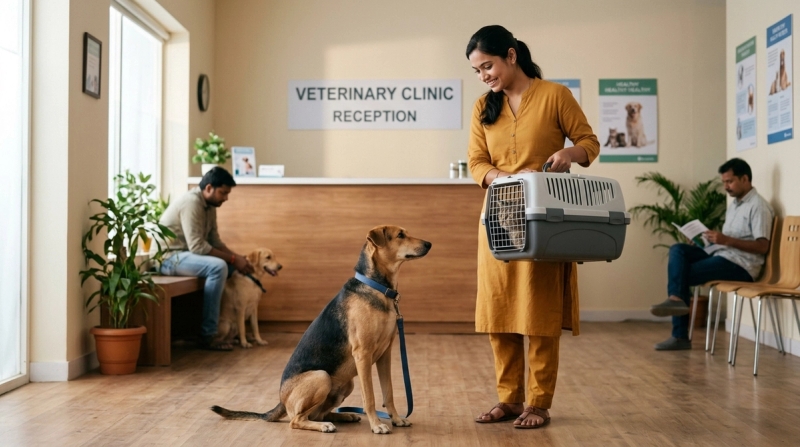
If your dog or cat needs vaccinations, a routine check-up, deworming, preventive care, or help with a small health concern, a trusted local pet clinic is usually the best place to begin.
If your pet needs advanced tests, surgery, hospital admission, close monitoring, or treatment for a serious illness, a larger veterinary hospital may be the better choice.
And if your pet is struggling to breathe, having seizures, bleeding badly, showing signs of heatstroke, unable to urinate, repeatedly vomiting or passing diarrhea, or may have eaten poison, do not wait. Go to an emergency vet immediately.
Veterinary disclaimer
#This article is for general information only. It is not a substitute for professional veterinary advice, diagnosis, or treatment. If your dog or cat looks seriously unwell, is in pain, collapses, has breathing difficulty, may have eaten something toxic, cannot urinate, is bleeding heavily, or is repeatedly vomiting or passing diarrhea, contact a veterinarian or emergency veterinary facility right away.
Why this choice matters, especially in Indian cities
#Pet parenting in India now includes more than visiting the vet only when something goes wrong. For many families, dogs and cats need regular vaccination planning, deworming, tick prevention, skin and ear care, dental discussions, diet guidance, sterilisation planning, senior check-ups and emergency planning.
But city life makes the decision tricky. Your regular clinic may be ten minutes away, while the bigger hospital may be across town. A simple drive can become one hour in traffic. Your cat may hate the carrier. Your senior dog may struggle with stairs, lifts or car rides. Your building may also have parking restrictions or late-night entry rules.
So the real question is not always “Which is the best vet facility?” It is usually “Which is the right place for this situation?”
A sensible pet-care plan includes a nearby local pet clinic for regular care, a larger veterinary hospital for complex cases, a 24-hour emergency vet option saved in your phone, and an online vet consultation option for basic guidance or follow-up doubts.
Pet clinic vs veterinary hospital vs emergency vet: quick comparison
#What a local pet clinic is best for
#A local pet clinic is often the heart of your pet’s healthcare. This is the vet who sees your dog or cat regularly and knows your pet’s vaccination history, temperament, past illnesses, food habits and what is normal for them.
A clinic is usually a good first stop for annual health checks, vaccinations, deworming, parasite prevention planning, mild skin or ear concerns, weight checks, nail trims, senior pet monitoring and follow-up visits after a hospital referral.
The biggest advantage is convenience. If your cat hates travelling, your dog gets carsick or your senior pet finds long drives exhausting, a nearby clinic can make routine care much less stressful.
A good local vet also becomes your guide. If your pet needs X-rays, ultrasound, blood tests, surgery, admission or emergency support that the clinic cannot provide, they should refer you to a suitable veterinary hospital. That is not a weakness. It is a sign of responsible care.
What a veterinary hospital is best for
#A veterinary hospital is usually a bigger setup with more infrastructure. Not every hospital offers every service, and facilities vary by city, neighbourhood and team. But in general, a veterinary hospital is better suited for cases that need more tests, staff, monitoring or procedures.
A hospital may be the better choice for planned surgery, advanced imaging where available, detailed blood work, hospital admission, serious infections, complex illness, worsening symptoms, observation after a procedure or cases referred by your regular vet.
If your regular vet says, “This needs a hospital,” do not assume the clinic has failed. It usually means your vet is being honest about what your pet needs. Some cases simply require more support than a small clinic can safely provide.
What an emergency vet is best for
#An emergency vet is for situations where waiting can be dangerous. This is not the time to compare reviews for half an hour, call every pet parent you know or try home remedies from the internet.
Go to an emergency vet immediately for breathing trouble, suspected poisoning, seizures, collapse or extreme weakness, severe bleeding, heatstroke signs, inability to urinate, severe or repeated vomiting or diarrhea, trauma, a swollen painful abdomen, or pale, blue or very abnormal-looking gums.
In many Indian cities, true 24-hour veterinary emergency care is not available in every area. Some clinics may be open late but may not have a vet physically present all night. Some hospitals may ask you to call before arriving.
That is why planning matters. Save the emergency number now. Save the address. Check the route. Know who can drive, book a cab or help you carry your pet if needed.
Where online vet consultations fit in
#Online vet consultations can be useful for busy city pet parents when you need follow-up guidance, diet or feeding discussions, behaviour advice, clarification after a visit, or help deciding whether a physical visit is needed.
But online care has clear limits. A veterinarian cannot listen to your pet’s heart through a screen, properly feel the abdomen, check pain, take the temperature, give vaccines, run tests, stop bleeding, provide oxygen or stabilise your pet in an emergency.
Skip the online consult and go directly to urgent or emergency care if your pet is struggling to breathe, having seizures, bleeding heavily, repeatedly vomiting, unable to urinate, showing heatstroke signs, very weak, collapsed or suspected to have eaten something poisonous.
Routine care vs urgent care vs emergency red flags
#Routine care: book a normal clinic appointment
#Routine care can usually wait for a scheduled appointment at your regular clinic. Examples include vaccinations, deworming, wellness checks, senior pet reviews, nail trims, weight checks, mild coat concerns, preventive dental discussions, diet questions and behaviour questions when no one is in immediate danger.
Urgent care: call your vet and try to be seen soon
#Urgent care means your pet may not be in immediate danger, but the problem should not be ignored. Call your vet, explain clearly what you are seeing and ask how soon your pet should be examined.
Possible urgent situations include not eating for more than a day, mild limping, repeated scratching, head shaking, one episode of vomiting or diarrhea when your pet is otherwise bright, mild swelling, coughing without breathing distress, a wound that is not bleeding heavily, sudden behaviour change, increased drinking or urination, or eye redness and squinting.
If the symptom gets worse, your pet becomes dull or you simply feel something is not right, call again or go in.
Emergency red flags: go to an emergency vet immediately
#Do not wait for a routine appointment if you notice breathing trouble, suspected poisoning, seizures, severe bleeding, heatstroke signs, inability to urinate, severe vomiting or diarrhea, major trauma, collapse or extreme weakness.
When in doubt, treat it as urgent and call a vet. It is always better to hear, “You came early,” than “You should have come sooner.”
How Indian apartment and city pet parents can plan better
#Choose one nearby clinic for routine care. For cats, senior dogs, anxious pets and pets with mobility issues, distance really matters.
Identify one larger hospital before you need it. Ask your local vet which hospital they recommend for imaging, surgery, admission or emergency support.
Save a 24-hour emergency contact separately. Ask whether the facility is open 24/7, whether a veterinarian is physically available at night, whether emergency cases are handled after midnight, whether you should call before coming, and whether urgent stabilisation support is available.
Keep your pet’s documents easy to access: vaccination records, prescriptions, test reports, surgery summaries, current diet details, known allergies or past reactions, and your vet’s contact number.
Think through transport. Keep a cat carrier ready. For dogs, keep a leash, towel and safe way to support movement. If you do not drive, know which friend, neighbour, cab option or pet transport service you can call.
Questions to ask before choosing a vet facility
#Ask what the veterinarian’s qualifications and registration details are. You can ask whether the veterinarian has a recognised veterinary qualification and registration with the Veterinary Council of India or relevant State Veterinary Council, where applicable.
Ask what services are available in-house, such as basic blood tests, X-rays, ultrasound, minor procedures, surgery, hospital admission, oxygen support or overnight monitoring. If a service is not available, ask where they refer patients.
Ask what happens after hours. A good clinic should be able to tell you where to go if your pet has an emergency late at night.
Ask whether they handle both dogs and cats regularly. Cats often need quieter spaces, gentler handling and stress-aware care. Dogs, especially large or fearful dogs, also need safe handling.
Ask how they communicate during treatment or admission. You want a team that explains the plan, gives updates, provides records and answers follow-up questions calmly.
Simple decision guide: where should you go?
#Choose an online vet consult if your pet is stable, alert and breathing normally, and you need basic guidance, follow-up support or help deciding whether a clinic visit is needed.
Choose a local pet clinic if your pet needs vaccines, preventive care, routine monitoring, mild concern checks or follow-up care.
Choose a veterinary hospital if your vet recommends imaging, surgery or admission, or if your pet has a complex or worsening condition.
Choose an emergency vet if your pet has breathing trouble, suspected poisoning, seizures, severe bleeding, heatstroke signs, inability to urinate, severe vomiting or diarrhea, collapse or serious injury.
Final takeaway
#For everyday pet care, build a relationship with a trusted local clinic. For advanced tests, surgery, admission or complex illness, use a veterinary hospital. For breathing trouble, poisoning, seizures, severe bleeding, heatstroke, inability to urinate, collapse or severe vomiting or diarrhea, go straight to an emergency vet.
The calmest pet parents are not the ones who know everything. They are the ones who already know whom to call, where to go and how to get there.