Pack your hospital bag around three jobs: getting admitted, staying comfortable after the birth, and getting your baby home. Start with your maternity unit’s own list, then put documents and the first things you will need where your support person can find them. Keep extra supplies separate so a longer stay does not mean taking a week’s luggage into the birth room.
This guide is for packing and planning. Your maternity team’s instructions take priority, especially for medicines, feeding supplies and a planned procedure. Hospital policies differ between countries and between units in the same city, so there is no single list that fits every birth.
Start with the hospital’s list before buying anything
#Ask what the unit provides for the parent and baby. Check nappies or diapers, maternity pads, towels, baby clothing, bedding and feeding equipment individually. A hospital supplying one of these does not mean it supplies the others, or enough for your whole stay.
Then ask what you may bring. Storage space, electrical equipment, food storage and support-person arrangements can all affect your packing. Get the current instructions from the unit where you expect to give birth rather than a friend’s experience at another hospital.
Use three simple headings on your own list: provided, bring, confirm. Anything under “confirm” needs an answer before it becomes a purchase. This is useful when several relatives are helping and each has a different idea of what belongs in the bag.
For example, “baby blankets” is an unclear instruction. Does the unit supply them during the stay? Does it want you to bring one for the journey home? Ask the specific question, then record the answer beside the item. That prevents both missing supplies and unnecessary duplicates.
When should you pack your hospital bag?
#Prepare ahead of your due date, using the timing your maternity team recommends. Published guidance varies: University College London Hospitals recommends having the bag ready by 35 weeks, while the NHS national checklist suggests at least three weeks before the due date. These are preparation suggestions, not predictions of when labour will start.
You can collect the less frequently used items first and leave a short list of everyday items to add later. There is no need to stop using your glasses or phone charger for weeks just to call the bag finished.
Keep that last-minute list attached to the bag. Write the item and where it lives: “glasses, bedside table” is more useful to someone helping than “personal items”. If you regularly move between homes, agree where the packed bag will stay and who will bring it.
If your team advises an earlier admission or different preparation, follow that plan. If you need urgent care, do not delay leaving to finish packing. A support person can deal with missing belongings while you follow the team’s instructions.
Choose bags you can open and manage easily
#A bag you already own can work. Test the opening, handles and weight before shopping for special maternity luggage. Can you see the contents without emptying it? Can the person bringing it carry it alongside their own belongings?
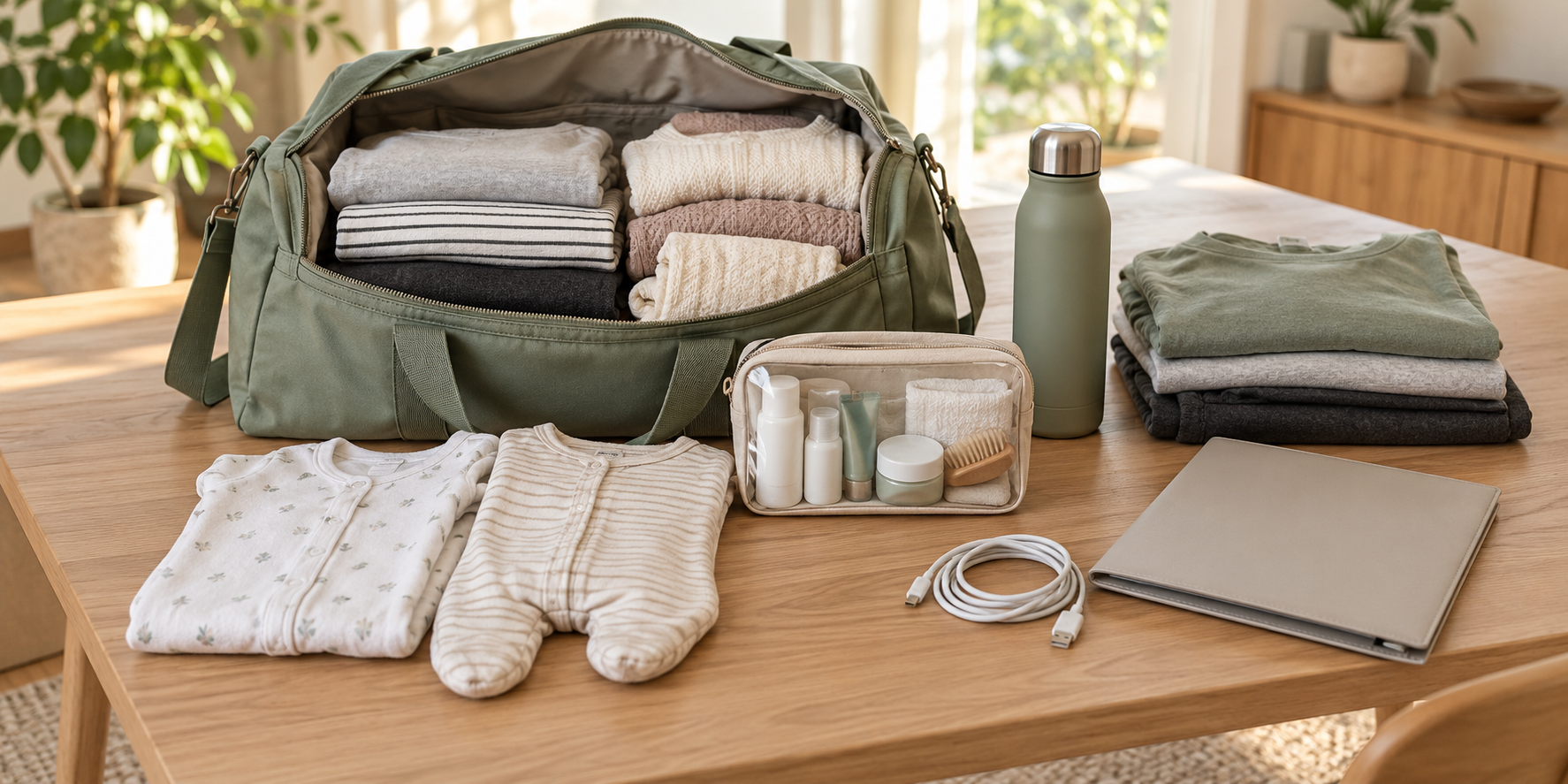
One practical arrangement is a main bag with a few simple pouches, plus a separate reserve bag. The main bag travels with you. The reserve stays somewhere a trusted person can reach and is brought in if needed. This is a packing suggestion, not a hospital requirement.
Keep the first-use pouch near the top. Put toiletries together, baby clothes together and dirty laundry in its own bag. Avoid so many small containers that opening the luggage becomes another task. Ordinary reusable bags or existing organisers are enough if they are clean and easy to identify.
| Group | What belongs there | How to make it easy to find |
|---|---|---|
| Admission | Required records and paperwork | A separate accessible folder |
| First use | The clothing and personal items wanted on arrival | Near the main opening |
| Parent’s stay | Clothes, toiletries and agreed supplies | Grouped by purpose |
| Baby | Washed clothes and unit-requested essentials | Outfit pieces kept together |
| Reserve | Extra clothes and replacement supplies | Separate bag with a named person responsible |
If you are travelling alone, adjust the arrangement. A reserve that nobody can deliver is not a useful backup. Ask the unit what to bring from the beginning and choose luggage you can reasonably manage with the help available.
Keep admission documents together
#Bring the pregnancy records, birth preferences and admission paperwork your unit requests. Identification, insurance or payment information depend on the local system. An Australian list mentioning Medicare, for example, does not establish a document requirement for a hospital in another country.
Put the required papers in one folder, with the most immediately needed items at the front. Keep personal information inside the folder rather than on an exposed luggage label. Ask whether original documents are needed; do not assume a photograph on a phone replaces them.
A useful planning exercise is to ask your support person to find the folder without instructions. If it takes several attempts, change its location. The purpose is access, not a beautifully arranged file.
Keep the maternity unit’s contact details and arrival instructions available. Confirm the entrance to use outside normal hours, the drop-off point and any parking arrangements. A saved hospital address alone may not explain where maternity admissions are located.
What to pack for the parent giving birth
#For clothing and personal care, start with familiar things that are comfortable and easy to use. Your hospital’s recommended quantities should guide you.
- Loose clothing for labour and comfortable changes for the stay.
- Nightwear, with easy feeding access if that suits your plans.
- Comfortable underwear and supportive bras as needed.
- Maternity pads and breast pads if your unit asks you to bring them.
- Slippers or suitable slip-on footwear, plus shower footwear if needed.
- Toothbrush, toothpaste, hairbrush, hair ties, lip balm and usual toiletries.
- Glasses and their case if you use them.
- A phone, compatible charger and a separate laundry bag.
Think about how an item will be used. A favourite top may be comfortable at home but awkward to change in. A toiletry bottle that leaks when turned sideways needs a better lid or separate containment. Try packing the actual items rather than estimating their size from a shopping list.
Keep going-home clothing separate from clothes intended for labour. Choose something comfortable rather than relying on an outfit that fitted before pregnancy. There is no need for a special photograph outfit unless you want one.
For a planned caesarean birth, ask the team about clothing that will be comfortable around the incision area and any specific admission instructions. Do not use a generic packing guide to choose wound products or recovery treatment.
Medicines, food and optional comfort items
#Check how the unit wants you to bring regular medicines and any medication information. Tell the team what you take and follow its instructions about use during admission. Packing medicines does not mean taking them independently while in hospital.
A water bottle, familiar entertainment and a small comfort item may be useful if allowed. Ask about food and drink instructions for your own care, particularly before a planned procedure. A snack on a checklist is not permission to eat when the team has given different instructions.
Treat a pillow, speaker, fan or other extra as an individual choice to confirm. Avoid buying equipment because another person’s birth list included it. Each extra needs carrying, storing and bringing home again.
What to pack for your baby
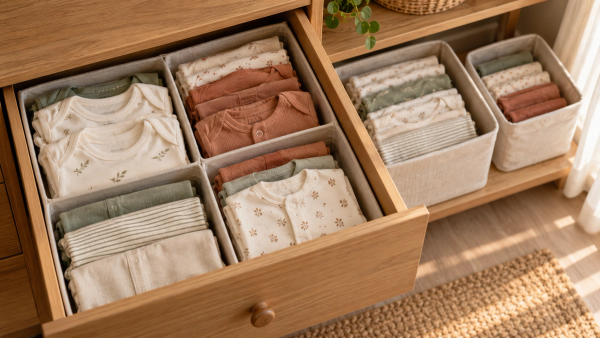
#Use the unit’s baby list for quantities and required supplies. Common items include bodysuits or vests, sleepsuits, a going-home outfit, nappies, the unit’s recommended cleaning supplies and muslin cloths. Wash baby clothing before packing it, as Ireland’s HSE advises.
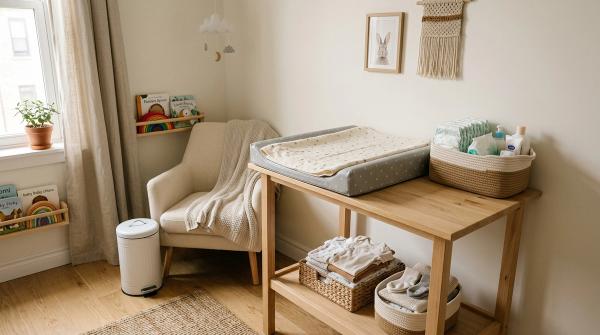
Keep complete outfits together so the person helping does not have to match loose pieces. A simple note on the pouch can distinguish clothes for the stay from the outfit for leaving. Avoid adding decorative accessories that make changing more complicated without serving a practical need.
Check the sizes you own instead of assuming every item with the same age label fits alike. You can keep an alternative size in the reserve bag if appropriate. This is a planning option, not a prediction of your baby’s birth size.
Do not treat a fixed online nappy count as a universal rule. Your required supply depends on what the hospital provides, the length of the stay and opportunities to restock. Ask the unit what starting quantity it recommends and decide who can bring more.
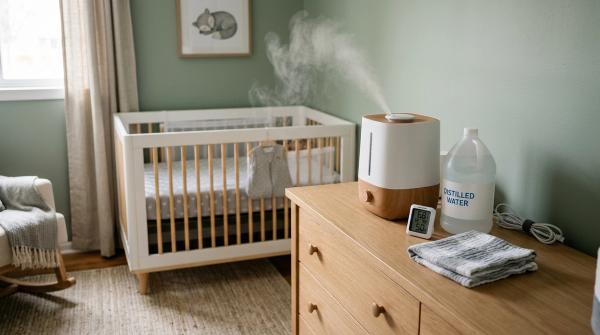
If blankets or other bedding appear on its list, ask how they will be used. Packing an item does not make it suitable for every sleep or travel situation. Follow the maternity team’s instructions for your baby rather than adapting a packing illustration into a care setup.
Confirm feeding supplies with the unit
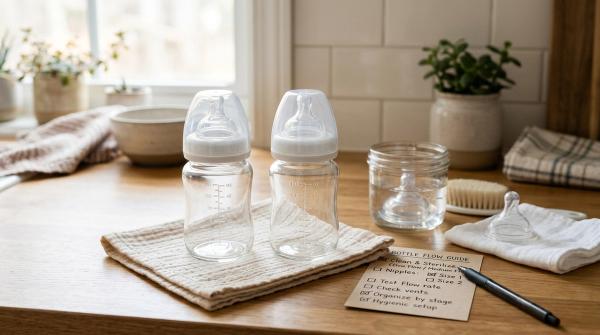
#Ask what you need to bring for your intended feeding approach and what support or equipment is available. Do not assume bottles, formula, a pump or facilities to clean and store feeding items will be supplied.
Equally, do not buy a full feeding setup solely because it appears on a general list. Tell the team your plans and ask for its current requirements. Any individual feeding or medical concerns need advice from the people caring for you and your baby.
Give the birth partner their own small kit and a clear role
#A support person may need a change of clothes, toiletries, their own medicines, a phone charger, food and a way to pay for parking or refreshments. Keeping these separate prevents their essentials from getting mixed into the baby’s clothing.
Check the unit’s rules about attendance, overnight stays and meals. These are local arrangements. For example, Gloucestershire Hospitals allows an overnight partner under its stated conditions but does not provide partner meals. That is a reason to ask your own hospital, not a rule to apply everywhere.
Before leaving home, walk through the bag together. The support person should know where the records, first-use items and reserve supplies are. Agree who will collect extra belongings and who is looking after other children or pets.
For a practical handoff, use names and actions. “Maya has the spare house key and can bring the reserve bag” is an illustrative example of a workable arrangement. “Someone will bring more things” leaves the job unassigned.
If your support person changes during the stay, pass on the same short list. There is no need to share unrelated private medical information just to explain where the clean clothes are.
Make a reserve plan for a longer stay
#A reserve bag is useful only when it can reach you. Pack replacement clothes and the supplies your hospital has requested, then tell the person delivering it exactly where it is. Check any visiting or delivery restrictions before relying on this arrangement.
Here is an illustrative way to divide the work. One person brings the main bag on admission. A second person can collect laundry and deliver the reserve if requested. Before delivery, they confirm what is actually needed instead of bringing every remaining baby item in the house.
If nobody can make that journey, discuss your likely packing needs with the unit beforehand. The solution may be carrying more initially, arranging another helper or understanding what can be obtained locally. Do not pack lightly on the assumption that an unavailable person will solve a shortage.
Leave a little room for paperwork and belongings you will take home. Keep clean and used clothing separate. When something leaves the ward for washing, note it so it is not mistakenly counted as still available in the bag.
Plan the trip home before admission day
#The journey home deserves its own check. Decide who will collect you, how they will be contacted and where they should meet you. Keep the baby’s going-home clothes and your own departure clothes easy to find.
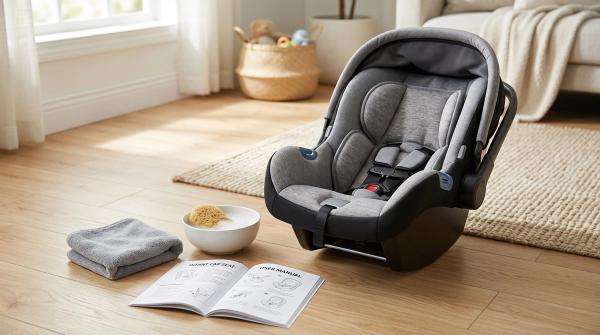
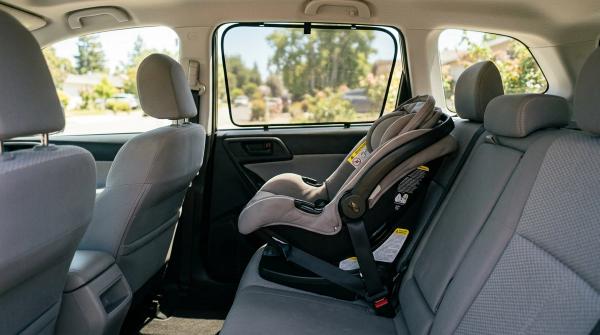
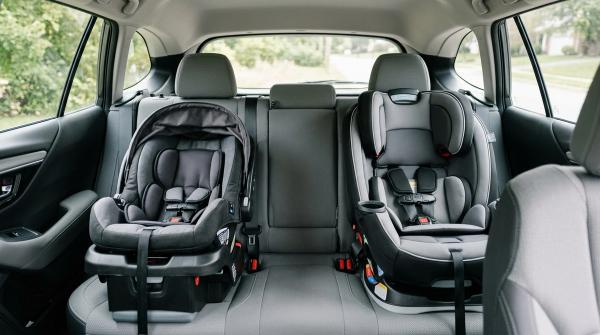
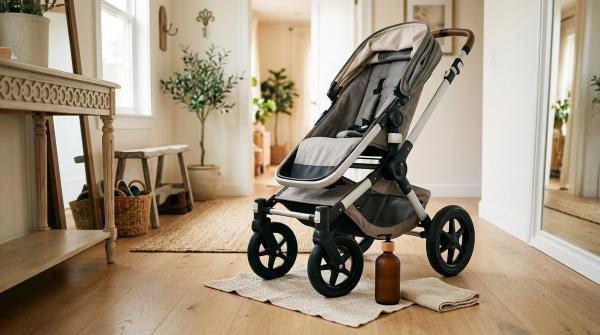
If travelling by car, arrange an appropriate infant car seat in advance and follow the seat and vehicle instructions and applicable local requirements. Official packing guidance includes preparing the car seat, but a hospital bag checklist cannot confirm a particular installation or fit. Seek suitable local fitting help if needed.
Do not leave transport planning to the moment discharge paperwork is ready. A relative offering a ride still needs to know the practical arrangement for the baby. If your intended transport changes, check that the new plan is suitable before departure.
At home, arrange access, basic supplies and any help you expect to use. Write down who has the key and who is caring for dependants. These small tasks belong on the plan even though they do not fit inside the bag.
A final check that tests the plan
#Open the packed bag with the person helping you. Find the admission folder, a complete baby outfit, your toiletries and the laundry bag. Then check the items still in everyday use against the last-minute list.
Remove duplicates that have no clear purpose. Confirm unanswered hospital questions, charge the devices you intend to bring and make sure the reserve arrangement still works. Keep the bag accessible rather than behind boxes or at a different address without a collection plan.
A useful hospital bag is one you and your helper understand. Once the essentials are packed and the local requirements are clear, you can stop adding things just because another checklist is longer.