Lost your debit card? Block it immediately through your bank’s official app, net banking, registered SMS service, verified customer-care number, or branch. Then check recent debit card and UPI activity, save every confirmation or complaint number, and report any unauthorized transaction through official bank channels. Do not search random helpline numbers or share OTPs, PINs, CVV, or passwords.
Safety note: This article is general education, not financial or legal advice. For your own bank account, debit card, UPI, or fraud complaint, contact your bank or payment provider through official channels.
First 10-Minute Action Plan
#If your ATM card or debit card is lost, stolen, or simply not where it should be, follow this order.
1. Block the Card First
#Check your wallet, bag, desk, car, or the ATM counter quickly. But if you cannot find the card within a few minutes, do not keep searching while the card remains active.
Most banks in India let you block a debit card through:
- Mobile banking app
- Internet banking
- SMS from your registered mobile number
- Official customer-care number
- Bank branch
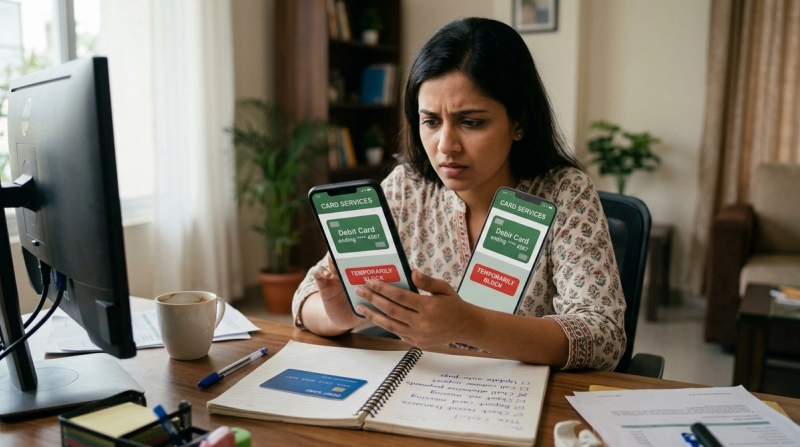
Some banks also offer a temporary freeze or switch-off option. If you are unsure whether the card is truly lost, freezing it can help. If you are sure it is lost or stolen, permanently block or hotlist it as per your bank’s process.
2. Use Only Official Bank Channels
#Many scams begin when a worried customer searches for a customer-care number online. Fake support numbers can appear in ads, map listings, social posts, comments, and unofficial pages.
Use only:
- Your bank’s official mobile app
- The net banking website you already use
- Numbers printed on your passbook, statement, cheque book, debit-card kit, or official bank communication
- The official bank website typed manually into your browser
- Your nearest bank branch
A genuine bank does not need your OTP, ATM PIN, UPI PIN, CVV, app passcode, or full password to block your debit card.
3. Save the Block Confirmation
#Once the card is blocked, save proof immediately:
- SMS or email confirmation
- Complaint or service request number
- Screenshot of the app confirmation page
- Date and time of blocking
- Call log screenshot, if you called official support
- Branch acknowledgment, if you filed a written complaint
This can matter later if there is a dispute about when you reported the loss.
4. Check Recent Card and Account Activity
#Open your banking app or statement and review:
- ATM withdrawals
- POS card transactions
- Online debit-card payments
- Small test transactions
- Failed transaction alerts
- Balance changes
- Any debit you do not recognize
If you see an unauthorized debit card transaction, report it to your bank immediately through official channels. Do not wait to “see what happens.”
5. Check UPI and Payment Apps Too
#A lost debit card is not always only a card issue. Debit-card details may be used in some bank verification or UPI PIN reset flows, depending on the bank and app.
Open every UPI app linked to that bank account and check:
- Recent UPI payments
- New collect requests
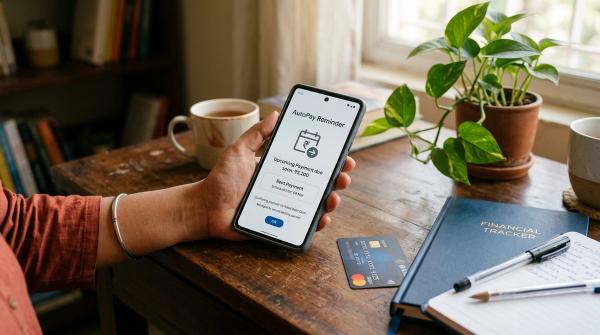
- New mandates or autopay instructions
- Unknown beneficiaries
- Any prompt to reset your UPI PIN
- Any request asking you to enter your UPI PIN to receive money
For UPI safety, remember: you do not enter your UPI PIN to receive money. You enter it only when money is going out of your account.
Best Ways to Block a Debit Card in India
#Choose the fastest safe method you can complete. For many users, that is the official banking app or net banking.
What Not to Do After Losing a Debit Card
#Do not:
- Share OTP, CVV, ATM PIN, UPI PIN, net banking password, or app passcode
- Install screen-sharing or remote-access apps if someone asks you to
- Call customer-care numbers from random search results
- Click “block card” links received on SMS, WhatsApp, or email unless you are completely sure they are official
- Send card photos or account screenshots to strangers
- Delay reporting because the suspicious amount is small
- Assume UPI is safe without checking it
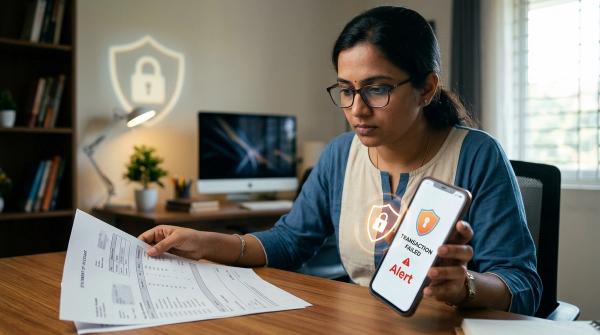
- Ignore failed transaction alerts
Fraudsters create urgency. If someone says, “Tell me the OTP to stop the fraud,” treat it as a red flag.
UPI Safety Checklist After a Lost Card
#Check Every UPI App Linked to That Bank Account
#Many people use more than one UPI app. Check all of them, including old apps you rarely open.
Look for unknown UPI transfers, collect requests, autopay mandates, failed debit attempts, linked-account changes, and PIN reset messages.
Be Careful With PIN Reset Messages
#Do not approve any UPI PIN reset that you did not start yourself. If you receive OTPs, alerts, or PIN reset messages you did not request, contact your bank or UPI app provider through official support.
Review Mandates and Autopay Settings
#Check for unfamiliar subscriptions, mandates, or recurring payments. If something looks wrong, pause, cancel, or report it through the official app flow.
Keep Your Phone Secure
#A lost debit card becomes riskier if your phone is also compromised. Keep your phone locked, avoid screen sharing, and never reveal OTPs or UPI PINs.
RBI Customer Liability Rules, in Simple Terms
#RBI’s customer protection framework for unauthorized electronic banking transactions looks at factors such as the cause of the transaction, whether there was any bank-side issue, whether credentials were shared, and how quickly the customer reported the issue after receiving the alert.
For everyday users, the practical lesson is simple: report immediately and keep proof. Faster reporting can improve your protection under the applicable rules. If the loss happened because you shared an OTP, PIN, password, or similar credential, the situation may be treated differently from a third-party breach where you were not at fault.
Do not start by arguing theory. Report first, save proof first, and then follow the bank and RBI escalation process.
Why Saving Proof Really Matters
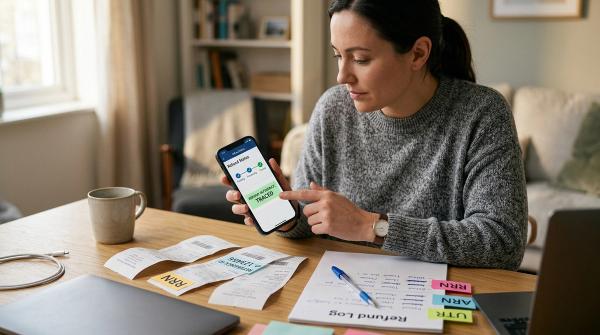
#The exact time of reporting can matter. Keep one folder with:
- Card block confirmation
- Bank complaint number
- SMS and email alerts
- Screenshots of suspicious transactions
- Call log screenshots
- Written complaint sent to the bank
- Bank replies
- Cybercrime complaint acknowledgment, if filed
- RBI CMS complaint acknowledgment, if escalated
If you visit a branch, ask for an acknowledgment or complaint reference number.
How to Escalate If the Bank Does Not Help
#Start with your bank’s official complaint process. Most banks have escalation levels such as customer care, branch manager, nodal officer, and principal nodal officer.
If the issue remains unresolved after the bank’s process, eligible complaints can be escalated through RBI’s Complaint Management System under the integrated ombudsman framework. Use the official RBI route only. Avoid agents, middlemen, or “refund recovery” services that promise faster results.
Replacement Card: What Happens After Blocking
#After the missing card is blocked, ask your bank how to request a replacement. Depending on the bank, you may be able to do this through mobile banking, net banking, customer care, or a branch.
Before confirming the request, check your delivery address. When the new card arrives, set a fresh PIN only through the official bank process.
Quick Safety Recap
#- Block the card through official bank channels.
- Do not call random helpline numbers.
- Check bank, card, and UPI activity.
- Report any unauthorized debit immediately.
- Save every proof.
- Escalate through bank channels first, then RBI CMS if needed.
A lost debit card in India can feel stressful, but it is manageable if you act quickly and avoid panic-driven mistakes.