The Anatomy of Deliciousness: Beyond Generic Browning
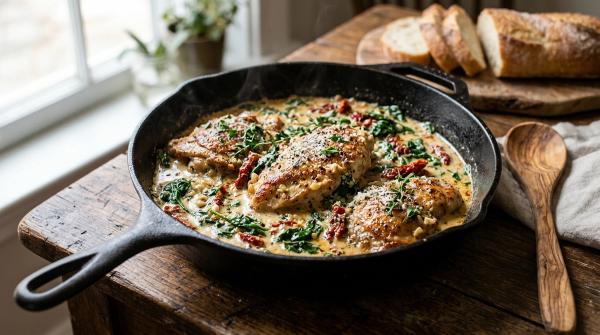
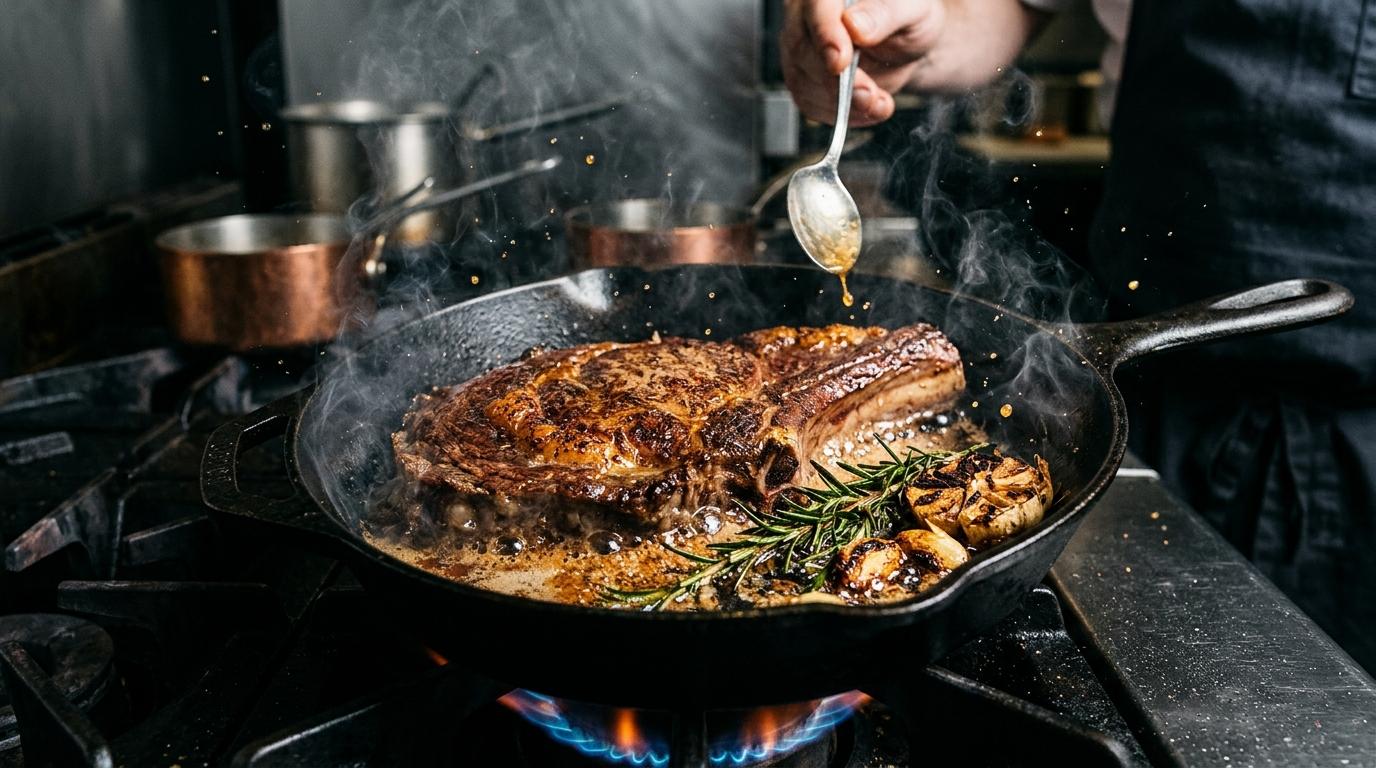
#In culinary traditions across the globe, the golden-brown transformation of food under intense heat is the universal hallmark of culinary mastery. The shattering mahogany crust of a perfectly seared ribeye steak, the blistered, aromatic surface of a rustic sourdough loaf, the rich, deeply roasted depth of coffee beans, and the golden gloss of a salted pretzel all share a visually captivating amber hue.
Yet in home kitchens, restaurant dining rooms, and casual culinary media, a persistent linguistic confusion clouds this physical reality. Sautéed onions, roasted meats, baked cookies, and toasted marshmallows are routinely described as caramelized. 
In the rigorous world of food chemistry and molecular gastronomy, calling all browning caramelization is completely scientifically incorrect.
Culinary browning is fundamentally divided into two major non-enzymatic chemical pathways:
- The Maillard Reaction: A complex series of chemical cascades initiated when reducing sugars react with the amino acids found in proteins under moderate to high heat (typically 140°C to 165°C / 284°F to 330°F). It produces hundreds of savory, roasted, nutty, meaty, and umami volatile aroma compounds.
- Caramelization: The pure, oxidative pyrolysis of carbohydrates alone, occurring at significantly higher temperatures (typically above 160°C / 320°F) in the complete absence of proteins or amino acids. It produces buttery, sweet, nutty, and slightly bitter flavor compounds.
Confusing these two reactions is not merely an academic quibble over nomenclature. Because each reaction operates on entirely different chemical reactants, activation energies, and environmental constraints, understanding their molecular boundaries is what separates a soggy, gray, steamed piece of meat from an intensely savory, crisp-crusted culinary triumph.
The Maillard Cascade: Amino Acids Meet Reducing Sugars
#The reaction that gives seared meats, toasted bread, and roasted cocoa their intoxicating depth was discovered in 1912 by the French physician and organic chemist Louis-Camille Maillard. Ironically, Maillard was not attempting to improve culinary cooking; he was investigating biological protein synthesis and kidney disease in a medical laboratory. When he heated simple sugars together with amino acids in test tubes, he observed the clear solutions turn dark brown and release rich, savory, bread-like aromas.
At its core, the Maillard reaction is not a single chemical reaction; it is an immensely complex network of hundreds of parallel and sequential organic chemical transformations. 
For the Maillard cascade to ignite, two specific chemical reactants must be present in the food matrix:
- An Amino Compound: Typically free amino acids, peptides, or the reactive terminal amine groups of intact proteins (most notably the amino acid lysine, which features an exposed, highly reactive side-chain amino group).
- A Reducing Sugar: A carbohydrate that possesses an open-chain form with an accessible, reactive aldehyde or ketone carbonyl group. Common reducing sugars include glucose, fructose, maltose, lactose, and galactose. (Standard table sugar, sucrose, is a non-reducing disaccharide and cannot participate directly in the Maillard reaction until it is first inverted—cleaved by heat or acid into its constituent glucose and fructose monomers).
The chemical progression of the Maillard reaction unfolds across three foundational stages:
Stage 1: The Initial Condensation and Amadori Rearrangement
#The reaction begins when the nucleophilic nitrogen atom of an amino group attacks the electrophilic carbonyl carbon of an open-chain reducing sugar. This nucleophilic addition eliminates a single molecule of water, forming an unstable intermediate known as an N-substituted glycosylamine.
Because this initial product is chemically unstable, it undergoes a spontaneous, irreversible isomerization known as the Amadori Rearrangement (if the starting sugar was an aldose like glucose) or the Heyns Rearrangement (if the starting sugar was a ketose like fructose). The resulting 1-amino-1-deoxy-2-ketose (Amadori compound) is stable, completely colorless, and yields zero aroma, yet it represents the indispensable chemical doorway through which all subsequent browning cascades must pass.
Stage 2: Dehydration, Fragmentation, and Strecker Degradation
#Once the Amadori compounds form, elevated cooking temperatures trigger their rapid decomposition along three major pathways depending on moisture and pH:
- Sugar Dehydration: The Amadori product sheds additional water molecules, forming highly reactive dicarbonyl intermediates, such as 3-deoxyglucosones and furfurals.
- Sugar Fragmentation: The carbon skeleton of the carbohydrate splits apart via retro-aldol cleavages, generating short-chain, volatile carbonyl molecules like diacetyl, acetol, and pyruvaldehyde.
- Strecker Degradation: This is the critical step responsible for the explosion of culinary aroma. Reactive dicarbonyl compounds react with surrounding free amino acids. The amino acid undergoes transamination and decarboxylation, releasing carbon dioxide and converting into a volatile Strecker aldehyde, while the remaining nitrogen recombines to synthesize heterocyclic aroma rings.
Stage 3: Polymerization and Melanoidin Synthesis
#In the final phase of the cascade, the fragmented aldehydes, furfurals, and amines condense and polymerize together in vast, chaotic macromolecular networks. 
These final complex polymers are known as melanoidins. Melanoidins are dense, high-molecular-weight nitrogenous pigments that absorb light across the visual spectrum, imparting the characteristic golden, amber, and deep mahogany color to seared crusts, roasted coffee, and beer malts. Furthermore, melanoidins act as natural antioxidants, helping preserve cooked foods against rapid lipid rancidity.
Caramelization: The Thermal Pyrolysis of Pure Sugars
#While the Maillard reaction requires the collaborative partnership of proteins and sugars, caramelization is a solitary affair: it is the pure thermal decomposition, or pyrolysis, of carbohydrates in the total absence of nitrogenous amino compounds.
When pure table sugar (sucrose) is placed in a saucepan over medium heat, no chemical reaction occurs initially. The white crystals absorb heat until they reach their melting point at approximately 160°C to 186°C (320°F to 367°F). At this critical thermal threshold, the solid crystalline lattice collapses into a clear, viscous molten liquid.
Once molten, the intense thermal energy begins systematically tearing the sugar molecules apart:
- Hydrolysis and Inversion: If sucrose is used, the glycosidic bond bridging the molecule breaks, splitting the disaccharide into its constituent monosaccharides: glucose and fructose.
- Thermal Dehydration: High heat strips hydroxyl (-OH) groups and hydrogen atoms from the carbohydrate rings, expelling water vapor and causing the molten mass to bubble vigorously.
- Isomerization and Dimerization: The fragmented, dehydrated sugar rings re-bond into complex cyclic dimers and oligomers, such as caramelans (C12H18O9), caramelens (C36H50O25), and caramelins (C125H188O80).
These heavy, carbon-rich caramelin polymers impart the golden, amber, and deep brown visual hues characteristic of caramel. 
Simultaneously, the thermal fragmentation of the sugar molecules synthesizes hundreds of small, highly volatile aromatic compounds that define the smell and taste of caramel:
- Diacetyl (2,3-butanedione): Imparts the rich, unctuous, buttery flavor characteristic of classic butterscotch and caramel sauces.
- Maltol and Ethyl Maltol: Generate warm, sweet, cotton-candy-like toasted sugar notes.
- Furans: Provide nutty, almond-like, and woody aroma dimensions.
- Esters and Lactones: Add subtle, fruity, rum-like complexity.
- Acetic Acid: Imparts a sharp, tangy acidity that cuts through the cloying sweetness of pure sugar.
If heating continues past 190°C (375°F), caramelization accelerates into thermal destruction: the volatile pleasant compounds vaporize, the carbon polymers condense into pure graphite-like carbon, and the sweet confection turns unpleasantly bitter, acrid, and black.
The Critical Temperature Windows: 140°C to 165°C vs 160°C+
#One of the most consequential differences between the Maillard reaction and caramelization lies in their thermal activation thresholds. Understanding the specific temperature zones where these reactions ignite, thrive, and burn is fundamental to mastering heat control in cooking.
The Maillard Zone (140°C to 165°C / 284°F to 330°F)
#The chemical condensation between amino acids and reducing sugars possesses a moderate activation energy. At room temperature or in warm water (under 100°C / 212°F), the reaction proceeds at an imperceptibly slow rate.
Once the surface temperature of food reaches 140°C (284°F), the kinetic energy of the molecules overcomes the reaction barrier. Amadori rearrangements accelerate, Strecker degradations ignite, and browning proceeds rapidly. The reaction peaks in speed, crust formation, and flavor complexity between 150°C and 165°C (300°F to 330°F).
The Caramelization Zone (160°C to 200°C / 320°F to 392°F)
#Because carbohydrates lack the nucleophilic nitrogen groups that catalyze the Maillard reaction, breaking pure sugar bonds requires significantly higher thermal energy. Furthermore, the exact caramelization temperature varies dramatically depending on the specific type of sugar being heated:
- Fructose: Begins caramelizing at an exceptionally low 110°C (230°F). This explains why foods high in honey, agave, or high-fructose fruits brown and scorch far more rapidly in the oven than foods sweetened with table sugar.
- Galactose and Glucose: Begin caramelizing around 160°C (320°F).
- Sucrose (Table Sugar): Melts and caramelizes between 160°C and 186°C (320°F to 367°F).
- Maltose: Possesses the highest thermal barrier, requiring temperatures exceeding 180°C (356°F) to initiate thermal decomposition.
The Scorching Threshold (Above 200°C / 392°F)
#Above 200°C (392°F), both the Maillard reaction and caramelization transition from culinary flavor creation to destructive thermal degradation (pyrolysis). Complex volatile flavor compounds are destroyed, leaving behind acrid, bitter heterocyclic amines, polycyclic aromatic hydrocarbons (PAHs), and elemental carbon (soot). Cooking surfaces should generally operate within the 175°C to 200°C window to maximize crust thickness while avoiding bitter char.
The Moisture Trap: Why Steam Kills the Crust (The 100°C Ceiling)
#Ask any professional chef what the greatest enemy of a good sear is, and they will answer immediately: surface moisture.
Why does a wet steak turn rubbery, gray, and unappealing in a hot pan, while a thoroughly dried steak develops a shattering, deeply browned crust in seconds?
The explanation lies in a non-negotiable law of classical thermodynamics: the Phase Change of Water and the Latent Heat of Vaporization.
At sea level atmospheric pressure, liquid water cannot exceed 100°C (212°F). No matter how high you turn the flame underneath a pot of boiling water, the water will remain at exactly 100°C as long as it remains in liquid form; all additional thermal energy simply converts liquid into steam.
Furthermore, water possesses an extraordinarily high Latent Heat of Vaporization: it requires a staggering 2,260 kilojoules of energy to convert just one single kilogram of water at 100°C into steam. 
When you place a wet piece of meat, a damp scallop, or a cold, weeping vegetable onto a scorching cast-iron skillet:
- The pan's thermal energy does not go toward browning the food.
- Instead, virtually 100% of the pan's heat is immediately absorbed by the liquid surface water as latent heat of vaporization.
- As long as a microscopic film of liquid water exists between the food and the metal pan, the physical surface temperature of the food is thermally locked at 100°C (212°F).
Because the Maillard reaction requires an absolute minimum temperature of 140°C (284°F) to activate, browning is physically, chemically impossible as long as surface water is present. The food does not sear; it boils and steams in its own released moisture, resulting in a limp, flaccid, gray exterior.
Only after every single drop of surface moisture has completely vaporized into steam can the surface temperature finally break through the 100°C ceiling, climb past 140°C, and initiate the Maillard cascade.
This thermodynamic reality explains why professional searing techniques universally prioritize dryness:
- Patting meat aggressively with paper towels prior to cooking removes free surface moisture.
- Salting meat hours in advance and allowing it to rest uncovered in a cold refrigerator (dry brining) uses circulating air to dehydrate the outer millimeter of flesh, creating a bone-dry pellicle that browns instantaneously upon pan contact.
- Avoiding pan overcrowding prevents released steam from condensing back onto neighboring pieces of food, ensuring convective heat transfer remains high.
The pH Lever: How Alkaline Baking Soda Accelerates Browning
#While temperature and moisture are the most obvious controls over culinary browning, organic chemistry provides a third, exceptionally powerful lever that few home cooks utilize: chemical pH.
The speed of the Maillard reaction is exquisitely sensitive to the acid-base balance of the food matrix. Specifically, alkaline environments dramatically accelerate the reaction, while acidic environments slow it to an absolute crawl.
The chemical mechanism behind this phenomenon centers on the protonation state of the amino acid:
- In an acidic environment (low pH, such as a marinade rich in lemon juice, vinegar, or wine), ambient hydrogen ions (protons) saturate the food. The exposed amino group on a protein captures an extra proton, converting from neutral amine (NH2) into a positively charged ammonium ion (NH3+).
- Positively charged ammonium groups are chemically inert toward sugars: they lack the free electron lone pair necessary to act as a nucleophile. As a result, the amino group cannot attack the sugar carbonyl carbon, and the Maillard reaction is severely inhibited.
- In an alkaline environment (high pH, above 7.0), excess protons are neutralized. The amino groups remain deprotonated as neutral NH2, possessing an active, highly nucleophilic lone pair of electrons ready to aggressively attack reducing sugars with minimal activation energy.
Culinary science applies this chemical principle across multiple famous foods:
- Sautéed Onions: Adding a tiny pinch of sodium bicarbonate (baking soda, an alkaline salt with a pH of roughly 8.3) to raw sliced onions deprotonates their amino acids, accelerating the Maillard reaction so dramatically that the onions turn golden brown and tender in under ten minutes rather than forty-five minutes. (However, excess baking soda must be avoided, as high alkalinity weakens structural pectin, turning onions into a mushy puree, and imparts an unpleasantly soapy, metallic aftertaste).
- Traditional Pretzels and Bagels: Authentic Bavarian pretzels are dipped in a 3% to 4% solution of sodium hydroxide (lye, a powerful base with a pH exceeding 13) before baking. The extreme alkaline surface bath supercharges the Maillard reaction on the dough exterior, producing the iconic dark mahogany sheen and distinct mineral-rich crust flavor in just minutes of baking.
- Chinese Alkaline Noodles (Ramen): Treating wheat dough with kansui (an alkaline potassium carbonate solution) raises pH, imparting not only a springy, chewy texture via gluten cross-linking, but also a distinct golden color and savory aroma during cooking.
Conversely, if you wish to prevent unwanted browning—such as maintaining a pale, clear chicken stock or keeping a delicate white velouté sauce pristine—adding an acidic component (like white wine or lemon juice) suppresses the Maillard reaction, keeping the proteins from darkening.
Flavors in the Air: Pyrazines, Furans, Diacetyl, and Melanoidins
#What makes the aroma of roasted coffee, grilled beef, and freshly baked artisan bread so intoxicating? 
The answer lies in the specific heterocyclic volatile aroma compounds synthesized during the mid- and late-stages of the Maillard reaction and caramelization. These microscopic molecules vaporize from the hot food, drift upward into the ambient air, and bind to olfactory receptors inside your nasal cavity (orthonasal olfaction) and through the back of your throat as you chew (retronasal olfaction).
Different chemical classes contribute distinct sensory profiles:
- Alkylpyrazines: Featuring a six-membered aromatic ring containing two opposing nitrogen atoms, pyrazines are the undisputed champions of the savory Maillard aroma. They generate the quintessential smells of roasted coffee beans, toasted nuts, crisp chocolate, baked potato skin, and seared meat crusts.
- Furans and Furanones: Five-membered oxygen-containing rings formed through carbohydrate fragmentation. They contribute sweet, malty, bready, and caramel-like aromatics. The compound 4-hydroxy-2,5-dimethyl-3(2H)-furanone (furaneol) is responsible for the classic aroma of toasted bread crusts and baked cookies.
- Thiophenes and Thiazoles: Heterocyclic rings incorporating sulfur atoms, derived from sulfur-containing amino acids such as cysteine and methionine. These compounds supply the deep, meaty, savory, and roasted allium (onion/garlic) notes essential for hearty gravies, broths, and grilled steaks.
- Diacetyl (2,3-butanedione): A vicinal diketone formed during sugar pyrolysis and butter browning. It provides an intense, creamy, rich butterscotch and movie-theater popcorn aroma.
- Maltol: A naturally occurring pyrone generated during sugar caramelization, contributing rich, toasted-sugar, cotton-candy sweetness.
Because meat contains an abundance of sulfur-bearing cysteine and lysine reacting with trace glycogen sugars, its Maillard profile is dominated by savory, roasted pyrazines and meaty thiazoles. 
Bread dough, by contrast, contains abundant flour starches breaking down into maltose and glucose reacting with wheat gluten proteins, yielding bready furans and malty pyrazines. 
Pure sugar syrups lack nitrogen and sulfur entirely, restricting their aromatic output strictly to sweet, buttery, and fruity diacetyl, furans, and maltol.
The Danger Zone: Acrylamide Formation and Burning Beyond 200°C
#While the Maillard reaction is responsible for some of the greatest sensory pleasures in gastronomy, food chemists and toxicologists monitor one critical byproduct that forms when browning is pushed too far under specific conditions: acrylamide.
Acrylamide (C3H5NO) is a chemical compound classified by the International Agency for Research on Cancer (IARC) and the World Health Organization as a probable human carcinogen and neurotoxin. 
In 2002, Swedish researchers made the startling discovery that acrylamide is not an industrial contaminant added to food; rather, it is naturally synthesized inside food during high-heat cooking (temperatures exceeding 120°C / 248°F) via a specific branch of the Maillard reaction:
- It requires the interaction between a specific free amino acid, asparagine, and reducing sugars (glucose and fructose).
- Foods rich in free asparagine and carbohydrates—most notably potatoes, wheat flour, rye, and coffee beans—are prime candidates for acrylamide formation during frying, roasting, and baking.
- French fries, potato chips, heavily toasted dark breads, and roasted breakfast cereals often carry quantifiable levels of acrylamide on their dark, crispy exteriors.
Culinary science provides clear methods to mitigate acrylamide formation without sacrificing flavor:
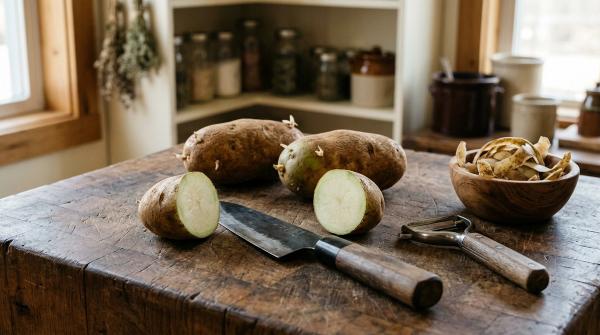
- Soaking Cut Potatoes: Soaking sliced raw potatoes in warm water for 15 to 30 minutes prior to frying leaches excess free asparagine and surface sugars out of the vegetable, reducing subsequent acrylamide formation by up to 50%.
- Golden Over Dark Mahogany: In carbohydrate-heavy foods, aim for a golden-yellow or light-amber finish rather than dark brown or blackened edges. Acrylamide concentrations surge exponentially as browning deepens into dark scorch.
- Proper Storage: Never store raw potatoes in a cold refrigerator. Below 8°C (46°F), potatoes undergo a stress phenomenon known as cold-induced sweetening: enzymes break down internal starches into free glucose and fructose, drastically elevating reducing sugar levels and causing intense acrylamide spikes upon frying.
Culinary and Chemical Comparison Matrix
#The following structural matrix contrasts the chemical mechanisms, required reactants, thermal windows, and culinary outcomes across the primary forms of food browning.
Comparative Chemistry and Kitchen Kinetics
#- Maillard Reaction: Requires a reducing sugar (glucose, fructose, maltose) and an amino acid or peptide (lysine, cysteine). Operates within an optimal temperature window of 140°C to 165°C (284°F to 330°F). Catalyzed and accelerated by an alkaline pH (above 7.0); severely retarded by acidic pH. Yields roasted, savory, meaty, nutty, and umami flavor volatiles (alkylpyrazines, thiazoles, Strecker aldehydes) and dark melanoidin polymers. Common kitchen examples include seared steaks, smashburger crusts, roasted coffee beans, artisan bread crusts, and dark beer malts.
- Caramelization: Requires pure carbohydrates alone (sucrose, glucose, fructose, maltose) with zero nitrogen or protein involvement. Operates within an optimal temperature window of 160°C to 200°C (320°F to 392°F), varying by sugar type (fructose at 110°C, sucrose at 160°C). Accelerated by both mild acids and bases which promote initial glycosidic cleavage. Yields sweet, buttery, toffee, nutty, and slightly bitter flavor volatiles (diacetyl, maltol, furans, acetic acid) and caramelan/caramelin polymers. Common kitchen examples include classic flan caramel sauce, toffee, peanut brittle, crème brûlée burnt sugar crust, and commercial caramel coloring.
- Pyrolysis (Charring / Burning): Involves uncontrolled thermal degradation and combustion of any organic food matrix. Operates at extreme temperatures exceeding 200°C (392°F). Independent of pH; driven purely by excessive kinetic energy. Yields bitter, acrid, harsh, and burnt flavors alongside toxic polycyclic aromatic hydrocarbons (PAHs), heterocyclic amines (HCAs), and elemental carbon soot. Common kitchen examples include black grill grates, burnt toast edges, scorched pan drippings, and charred pizza rims.
Essential Rules for High-Heat Kitchen Searing
#- Absolute Surface Dryness: Always pat meats, poultry, and fish completely dry with absorbent paper towels, or dry brine uncovered in refrigeration prior to searing. Liquid water requires 2,260 kJ/kg of latent heat to vaporize, locking surface temperatures at 100°C and completely preventing the 140°C Maillard threshold from igniting.
- High Volumetric Heat Capacity: Utilize heavy seasoned cast-iron, carbon steel, or thick stainless-steel cookware. Dense metals possess the thermal mass required to resist temperature plunges when cold raw protein is added to the pan.
- Pan Crowd Control: Never overcrowd the cooking vessel. Leave ample open surface area between food pieces to allow expelled moisture to evaporate instantly into the room rather than trapping steam that boils the food.
- Neutral pH Management: Avoid adding acidic glazes, citrus juices, or vinegar-heavy marinades to the pan during initial searing, as acidity protonates amino groups into inactive ammonium ions, suppressing browning. Apply acidic sauces as a finishing glaze once the crust has fully formed.
Frequently Asked Questions
#Does browning onions represent caramelization or the Maillard reaction?
#Browning sliced onions is predominantly driven by the Maillard reaction, not pure caramelization. While raw onions are rich in natural carbohydrates (fructose, glucose, and sucrose), they also contain approximately 1.1% to 1.4% protein by weight, supplying ample free amino acids. When cooked gently over moderate heat (110°C to 140°C), the amino acids react with the reducing sugars, producing savory, complex sulfurous and roasted pyrazine flavors characteristic of the Maillard reaction rather than simple sugar syrup caramelization.
Why does a cast-iron skillet create a better sear than a non-stick pan?
#A seasoned heavy cast-iron skillet possesses immense thermal mass and volumetric heat capacity. When a cold, dense raw steak is placed onto a thin non-stick aluminum pan, the pan temperature plummets instantly below the 140°C Maillard threshold, causing released juices to simmer and steam the meat. By contrast, preheated cast iron retains immense stored thermal energy, maintaining scorching surface temperatures that vaporize surface moisture instantly and initiate rapid browning.
Can you trigger the Maillard reaction at low temperatures over a long time?
#Yes. The Maillard reaction operates on an Arrhenius temperature-time continuum: while high heat (140°C to 165°C) drives the reaction in seconds or minutes, the chemical condensation can occur at much lower temperatures over weeks, months, or years. Examples of slow, low-temperature Maillard browning include the multi-year aging of aged Parmigiano-Reggiano cheese, dry-cured serrano hams, fermented black garlic (aged at 60°C for 40 days), and the darkening of vintage champagne.
Why don't microwaves create a crisp, browned crust on food?
#Microwave ovens heat food by emitting 2.45 GHz dielectric electromagnetic waves that excite water molecules, causing friction that generates heat internally. Because liquid water boils at 100°C at atmospheric pressure, the ambient air inside a microwave remains cool and humid (rarely exceeding 100°C), and continuous steam generation pins the food surface at 100°C—far below the 140°C activation energy required for the Maillard reaction.