If your air purifier smells bad, don’t assume the whole machine has gone bad. Most of the time, the cause is much simpler: a dirty filter, trapped moisture, a saturated carbon layer, an ozone/ionizer setting, or even the spot where the purifier is placed.
A dusty smell usually points to a clogged pre-filter or an overworked HEPA filter. A musty smell often means moisture. A plastic smell can be normal in a new unit for a short while. But a burning smell is never something to ignore.
Before you open the purifier, unplug it. And if your model has an ionizer, ozone, plasma, or “activated oxygen” feature, be extra cautious, especially if you use it in a bedroom, living room, or any occupied space.
First, remember what an air purifier can and can’t do
#An air purifier can help a lot, but it is not a magic box that removes every smell no matter what is happening in the room.
Guidance from organizations like the EPA, CARB, and AHAM says the same basic thing: portable air cleaners work best when you also control the source of the smell and improve ventilation where possible.
So if your kitchen is full of cooking smoke, the purifier should not be doing all the work. Use the chimney, exhaust fan, or open a window for a short time if the outdoor air is safe. If the room is damp during monsoon, deal with the moisture too. If dust keeps coming in from a balcony, road-facing window, or nearby construction, try to reduce that entry point.
Also check whether the purifier is powerful enough for your room. AHAM uses something called CADR, or Clean Air Delivery Rate, to help match a purifier to room size. If the purifier is too small, it may run all day and still struggle. In that case, the smell may feel like a purifier problem, but the real issue is room size, airflow, or the source of pollution.
Now let’s look at the smell itself.
Quick smell check: what your air purifier smell may mean
#1. If your air purifier smells like plastic
#If your air purifier smells like plastic and it is brand new, it may simply be that “new product” smell. Plastic casing, packing material, glue, and filter materials can give off a noticeable smell during the first few uses.
The first thing to check is packaging. Make sure every bit of plastic wrapping has been removed, especially from the filter inside the purifier. This sounds obvious, but it is one of the most common setup mistakes.
After that, run the purifier in a well-ventilated room for a while. If the smell slowly becomes weaker, it is usually not a serious problem.
But there is a big difference between a mild plastic smell and a burning smell.
If the smell is sharp, smoky, hot, or like burning plastic, stop using the purifier. Switch it off, unplug it from the wall, and check the manual. If the smell returns after restarting, contact the brand’s service support. Don’t keep switching it on again and again to “test” it.
2. If your air purifier smells musty
#If your air purifier smells musty, think about moisture first.
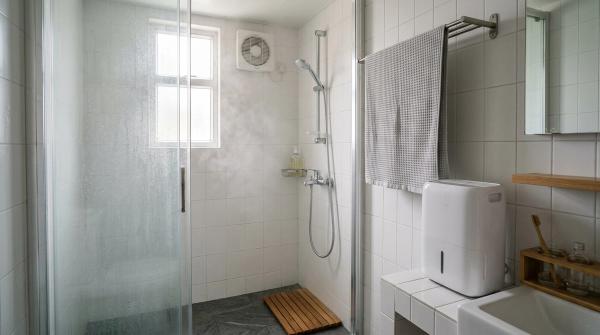
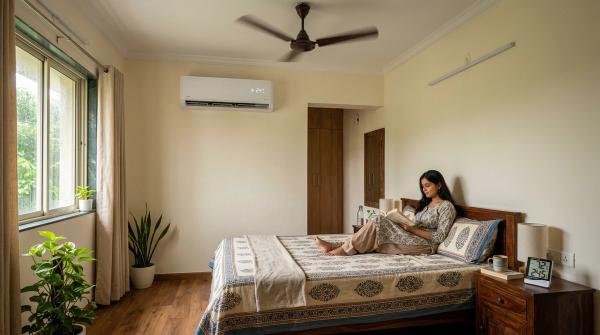
This is common in humid homes, ground-floor flats, rooms near bathrooms, and during monsoon. An air purifier constantly pulls air through its filters. If the room air is damp, moisture can settle inside the filter or around the filter housing.
Over time, that damp filter can begin to smell stale. In worse cases, mold may grow on the filter.
Do not spray perfume, room freshener, disinfectant, or essential oil into the purifier to hide the smell. It can damage the filter, leave residue inside the unit, or make the odor worse.
Here’s what to do:
- Switch off and unplug the purifier.
- Open the filter compartment only the way the manual says.
- Check for dampness, dark spots, fuzzy growth, staining, or a sour smell.
- If the HEPA or carbon filter is damp, moldy, or badly stained, replace it.
- Clean the outer body and washable pre-filter only if your manual allows it.
- Let washable parts dry completely before putting them back.
Do not wash a regular HEPA filter unless the manufacturer clearly says it is washable. Most HEPA filters are not designed to be washed.
3. If the air purifier smells like dust, smoke, food, or pets
#A stale air purifier odor often means the purifier is holding on to the things it has been collecting.
In many homes, that may be fine dust, incense smoke, cooking fumes, tadka smoke, pet hair, pet dander, or outdoor pollution coming through windows and balcony doors. In other homes, it could be fireplace smoke, carpet dust, litter boxes, pet beds, or smells from an open kitchen.
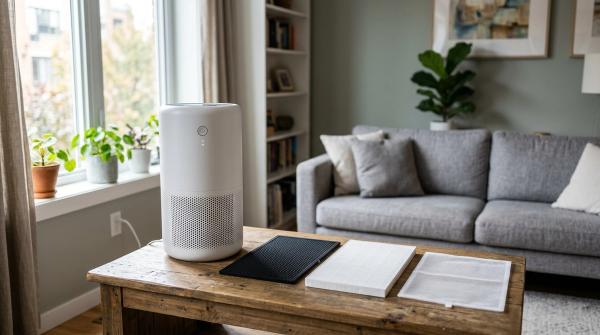
Most air purifiers have a few filter layers:
- A pre-filter for larger dust, lint, and hair
- A HEPA or HEPA-type filter for fine particles
- An activated carbon filter for gases and odors
The activated carbon filter is the main part that handles smells. Once it becomes saturated, it can no longer absorb odors properly. Sometimes old trapped smells may even become noticeable when the fan is running.
Try these steps first:
- Clean the pre-filter if it is washable.
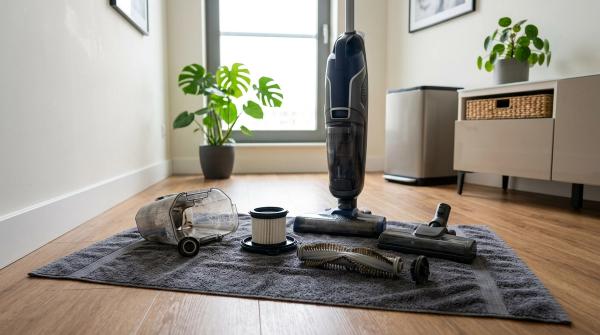
- Gently vacuum around the intake and outlet grills, if your manual allows it.
- Check whether the carbon filter is due for replacement.
- Use the kitchen chimney or exhaust fan while cooking.
- Keep the purifier away from direct smoke, steam, and oil splatter.
- Ventilate the room briefly when smells are very strong, if outdoor air is safe.
A purifier can help with lingering smells. But it should not be the only solution for active smoke, strong cooking fumes, or dampness.
4. If you notice a bleach-like smell, check for ozone
#Some people describe ozone as smelling like bleach, chlorine, metal, or air after lightning. If you searched for “ozone smell air purifier”, this is one check you should not skip.
Some air purifiers have ionizers, plasma features, anion modes, or similar settings. Some products are also sold as ozone generators. EPA and CARB guidance does not recommend ozone generators or ozone-emitting air cleaners for occupied homes. Ozone can irritate the lungs, and it is not a safe shortcut for making indoor air feel “fresh.”
What to do:
- Look for settings called Ionizer, Plasma, Anion, Ozone, or Activated Oxygen.
- Turn off that feature if your model allows it.
- Check the manual to understand what the feature actually does.
- If the product is mainly an ozone generator, do not use it in occupied rooms.
- Choose mechanical filtration, such as proper particle filtration with activated carbon, instead of relying on ozone.
Do not run an ozone device in a bedroom, children’s room, living room, or occupied apartment to remove smells. It is not worth the risk.
5. Check the placement before blaming the filter
#Sometimes the purifier smells bad simply because of where it is sitting.
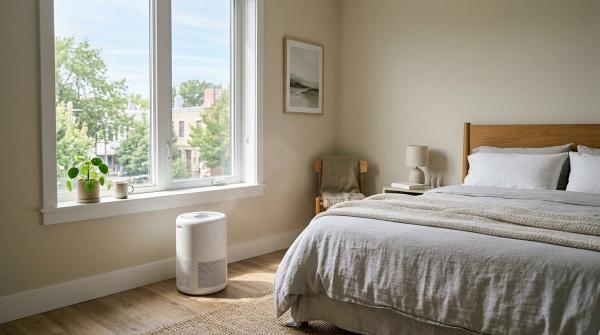
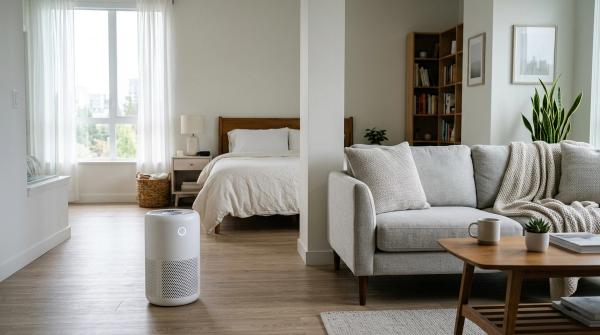
An air purifier needs clear airflow. If it is pushed against a wall, hidden behind curtains, placed under a table, or blocked by furniture, the intake and outlet cannot work properly. Poor airflow makes the purifier less effective and may allow smells to collect around the unit.
Better placement habits:
- Keep the purifier in an open spot with clear intake and outlet airflow.
- Avoid damp corners, bathroom entrances, and wet balcony areas.
- Keep it away from direct cooking oil, steam, and smoke.
- Do not place it right beside a dustbin, shoe rack, litter box, or damp laundry.
- Avoid covering the purifier with cloth or keeping items on top.
- Use it in the room size it was designed for, based on CADR and brand guidance.
In small apartments, the purifier often ends up wherever the plug point is. That’s understandable. But even moving it a little away from a damp wall, curtain, shoe rack, or kitchen smoke can reduce odor problems.
Maintenance checklist to prevent bad smells
#Before buying a new purifier or ordering a replacement filter, go through this simple checklist.
Weekly or as needed
#- Unplug the purifier and wipe dust from the outer body with a dry or slightly damp cloth.
- Check that the air intake and outlet are not blocked.
- Look for dust buildup on the pre-filter.
- Keep the purifier away from wet clothes, damp walls, and direct steam.
Monthly, or as your manual says
#- Clean the pre-filter if it is washable.
- Let washable parts dry fully before reinstalling.
- Vacuum around the purifier’s location to reduce dust load.
- Notice whether any unusual smell appears when the purifier first starts.
- Inspect the power cord and plug for heat, damage, or discoloration.
When odor returns quickly
#- Check the carbon filter.
- Check the HEPA filter for dust loading, dampness, or visible dirt.
- Think about whether cooking smoke, incense, pets, or moisture are overloading it.
- Improve ventilation and remove the source of the smell where possible.
- Confirm that the purifier’s CADR is suitable for your room size.
Always
#- Unplug before opening the purifier.
- Follow the manufacturer’s manual.
- Do not wash filters unless the manual clearly says they are washable.
- Do not spray cleaners, perfumes, or essential oils into the purifier.
- Treat burning smells as a safety issue, not a cleaning issue.
- Avoid ozone generators in occupied homes.
When should you replace the filter?
#Replace the filter if:
- The smell remains after cleaning the washable pre-filter.
- The HEPA or carbon filter smells sour, smoky, oily, or musty.
- You see mold, damp spots, or staining on the filter.
- Airflow feels weak even after cleaning the pre-filter.
- The filter indicator says replacement is needed.
- The manual says it is time to replace it.
Do not rely only on calendar time. Filter life depends on how and where the purifier is used. A purifier in a dusty roadside flat, smoky kitchen area, pet home, or humid monsoon room may need filter changes faster than one used lightly in a clean bedroom.
When should you stop using the purifier immediately?
#Stop using it and unplug it if you notice:
- Burning smell
- Smoke from the unit
- Sparks
- Unusual heat from the plug or body
- Loud grinding or scraping noise
- Melted plastic smell
- Water entering the unit
- Visible mold inside the filter area
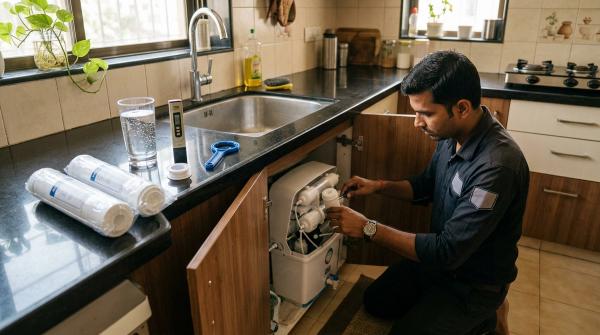
If the smell seems electrical, do not keep testing it. Check the manual and contact the manufacturer or a qualified service technician.