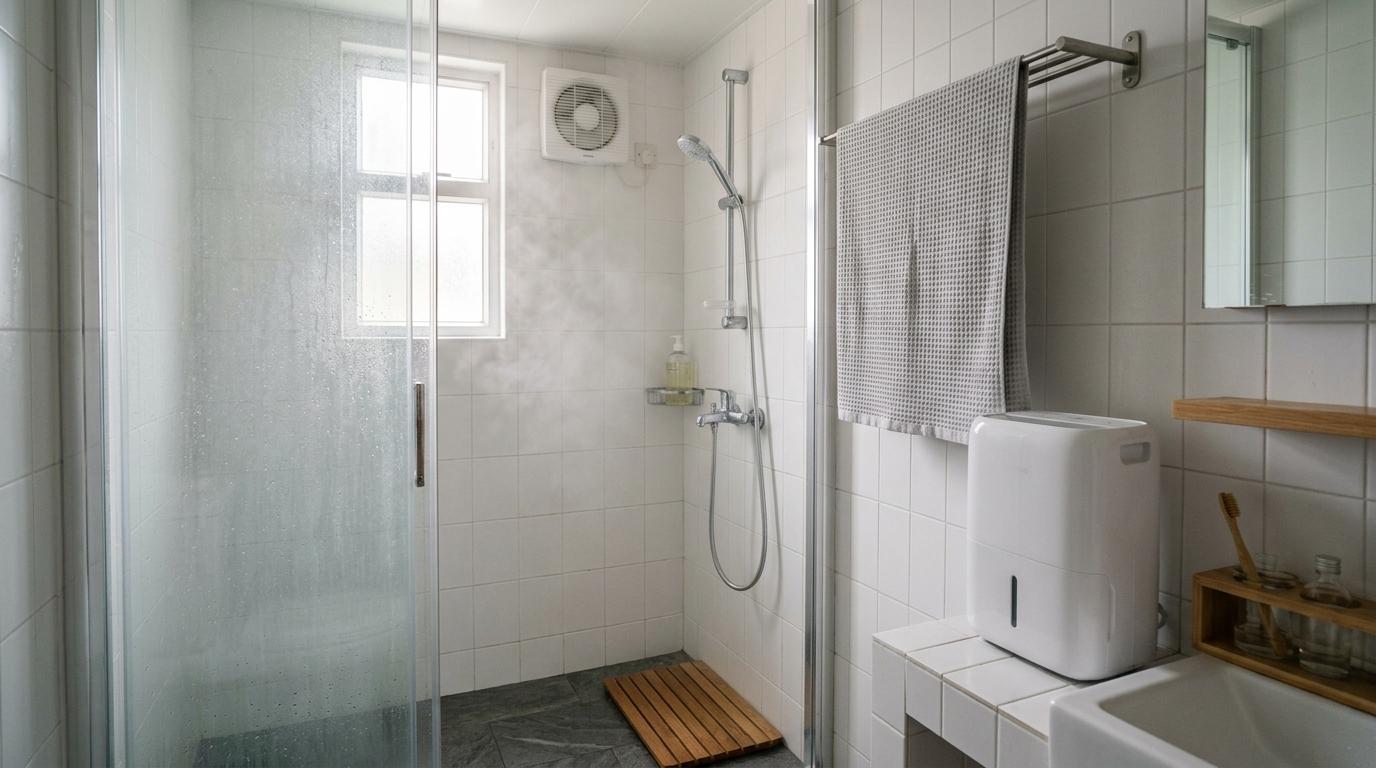
If you live in a small apartment, start with a bathroom exhaust fan. For everyday shower steam, it is usually the most useful first step because it pulls hot, humid air out of the bathroom before it settles on mirrors, walls, ceilings, and towels.
A dehumidifier is helpful when the problem goes beyond normal shower steam. Think damp towels that never dry, a musty smell, wet corners, a weak fan, no window, or sticky monsoon weather.
So the real question is not always bathroom exhaust fan vs dehumidifier. In many homes, the best answer is:
Use the fan first, improve daily drying habits, and add a dehumidifier if the bathroom still stays damp.
A foggy mirror for a few minutes is normal. But if the walls stay wet, paint starts peeling, towels smell strange, or mold keeps returning, your bathroom needs better moisture control.
This guide explains the difference between exhaust fans, dehumidifiers, windows, and simple habits so you can choose what actually works in a small apartment, rented flat, or humid climate.
The Simple Difference: Ventilation vs Dehumidifying
#A bathroom exhaust fan and a dehumidifier both help with moisture, but they do it in different ways.
What a bathroom exhaust fan does
#A bathroom exhaust fan pulls steamy bathroom air out and sends it outside through a duct or vent. It works best when you turn it on before or during your shower and leave it running afterward.
It helps with:
- Removing shower steam quickly
- Reducing mirror fog
- Clearing bathroom smells
- Helping wet walls and ceilings dry faster
- Improving everyday bathroom ventilation
But here is the important part: a fan does not technically “dry” the air. It removes humid air and replaces it with air from somewhere else, usually the rest of your apartment.
If the air coming in is also humid, your bathroom may still feel damp.
What a bathroom dehumidifier does
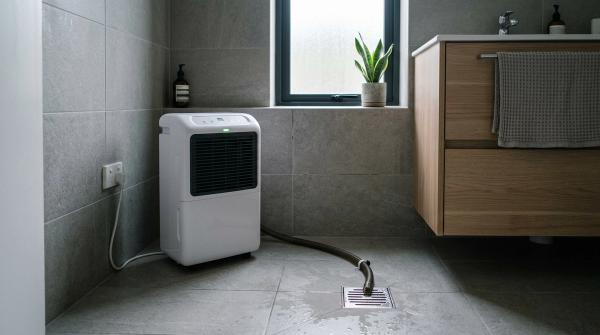
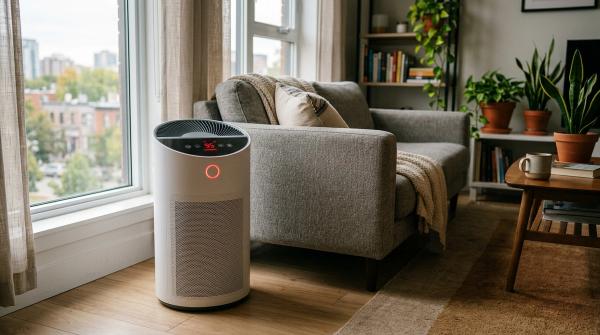
#A bathroom dehumidifier pulls water vapor out of indoor air. The water collects in a tank or drains through a hose, depending on the model.
It is usually slower than a fan, but it is very useful when dampness lingers long after the shower steam is gone.
It helps with:
- Lingering dampness
- Windowless bathrooms
- Weak exhaust fans
- Towels that do not dry properly
- Monsoon bathroom humidity
- Small apartments where moisture spreads into nearby rooms
A dehumidifier does not bring in fresh air. It also does not remove smells as well as an exhaust fan. And because it is an electrical appliance, you need to be careful about where you place it in a wet bathroom.
Quick Comparison: Exhaust Fan vs Dehumidifier vs Window
#When the Exhaust Fan Wins
#In the bathroom exhaust fan vs dehumidifier debate, the exhaust fan wins when your main problem is fresh shower steam.
Hot showers create moisture very quickly. Steam rises, hits cooler surfaces, and turns into droplets on mirrors, tiles, ceilings, windows, and painted walls. The faster you move that steamy air out, the less water gets a chance to settle everywhere.
Use your exhaust fan like this:
- Turn it on before you shower, or as soon as you start.
- Keep it running during the shower.
- Leave it on for 20 to 30 minutes after bathing.
- If the bathroom still feels wet, wipe surfaces or use a dehumidifier.
A fan works best when it actually vents outdoors. Some fans make plenty of noise but barely move air. Others are dirty, blocked, poorly installed, or venting into the wrong place, like a ceiling cavity.
If you rent, try this simple check: the toilet paper test.
Hold a square of toilet paper near the fan grille while the fan is running. If the paper pulls toward the fan, there is at least some suction. If nothing happens, the fan may be weak, blocked, dirty, or not working properly.
It is not a professional inspection, but it gives you a quick clue.
When a Dehumidifier Helps More
#A dehumidifier helps when the problem is not just steam, but dampness that refuses to leave.
You may need one if:
- The bathroom smells musty even after cleaning
- Towels stay damp for hours
- The mirror clears, but walls and corners stay wet
- There is no bathroom window
- The exhaust fan is weak and cannot be upgraded easily
- Moisture spreads into the bedroom, hallway, or cupboards
- You live in a humid or monsoon-prone area
A dehumidifier is not instant. It will not stop your mirror from fogging during a hot shower the way a good fan can. Its strength is slow, steady moisture removal after the shower.
For best results, close the bathroom door and window while the dehumidifier runs, as long as the setup is safe. Otherwise, the machine may end up trying to dry the whole apartment, or it may keep pulling in humid outdoor air.
That is when the tank fills up, but the bathroom still feels sticky.
What About Opening a Window?
#Opening a bathroom window can help, but only when the outdoor air is actually helping you.
On a dry, breezy day, a window can clear steam and freshen the bathroom without using electricity. Simple and effective.
But during monsoon, coastal humidity, or rainy weather, opening the window can make the bathroom worse. You may be bringing more moisture inside.
This is common in many Indian apartments, especially in places like Mumbai, Chennai, Kolkata, Kochi, Goa, and other humid areas. Even inland cities can feel damp during long rainy spells.
Use this simple rule:
- Dry outside air: Open the window after showering.
- Rainy, sticky, humid air: Keep the window closed and use the fan or dehumidifier.
- No real airflow: Do not rely on the window alone.
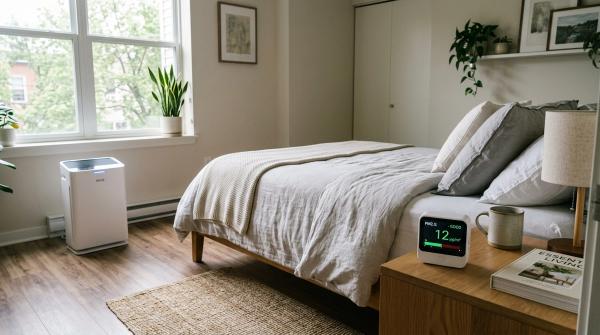
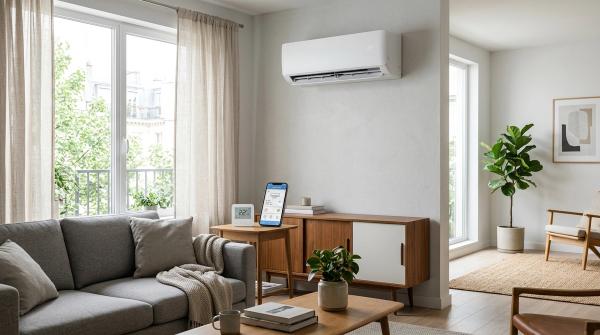
If you want to stop guessing, buy a small digital hygrometer. It measures humidity. Many indoor air guidelines suggest keeping relative humidity below 60%, and ideally around 30% to 50% when possible.
That little meter can tell you whether your bathroom is actually drying or just pretending to.
Renter and Indian Monsoon Apartment Checklist
#If you rent, you may not be allowed to replace fans, cut walls, or change ducting. That is okay. Start with simple, low-risk steps.
1. Check the existing exhaust fan
#- Clean dust from the fan grille.
- Try the toilet paper suction test.
- Listen for rattling, grinding, or strange noises.
- Ask the landlord to repair it if it does not work.
Do not open wiring or dismantle the fan unless you are qualified.
2. Track humidity instead of guessing
#A cheap hygrometer can help you understand what is really happening.
Check the humidity:
- Before showering
- Right after showering
- 30 minutes later
- During rainy days
- After using the fan or dehumidifier
If humidity stays high for a long time, habits alone may not be enough.
3. Use a squeegee or cloth after bathing
#This sounds boring, but it works.
Push water off tiles, shower glass, shelves, and ledges into the drain. The less standing water you leave behind, the less work your fan or dehumidifier has to do.
4. Do not leave wet towels bunched up
#Wet towels are sneaky. They keep releasing moisture back into the bathroom.
Hang towels fully open. If they still do not dry, move them to a better-ventilated area. And if they smell musty even after drying, wash them properly.
5. Use the bathroom door smartly
#There is no single perfect bathroom door rule. It depends on what you are using.
- When using an exhaust fan, a small door gap can help air enter.
- When using a dehumidifier, a closed door usually works better.
- During monsoon, avoid leaving windows open for hours if the outside air is humid.
6. Watch corners, ceilings, and grout
#Mold often starts where air does not move well. Check behind doors, above the shower, near ceilings, around windows, and in grout lines.
Clean small spots early, dry the area, and improve airflow before it spreads.
Buying and Placement Checklist for a Bathroom Dehumidifier
#If you decide to buy a dehumidifier, do not choose only by the biggest number on the box. Think about safety, daily use, and where the machine will actually sit.
Look for:
- A size that fits your bathroom
- A tank that is easy to remove and empty
- Automatic shutoff when the tank is full
- A humidity setting or humidistat
- Clear manufacturer guidance for damp-area use
- A stable base so it does not tip over
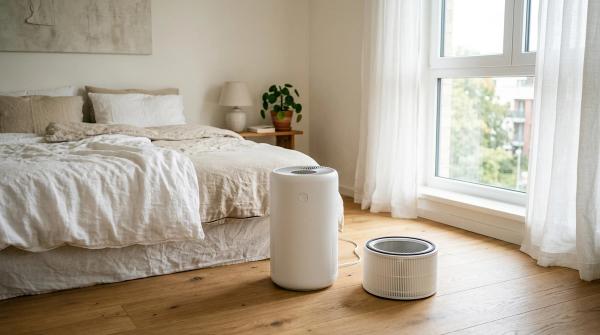
- Easy filter cleaning
Placement matters a lot.
Keep the dehumidifier:
- Away from shower spray
- Away from sink splashes
- Away from wet floors, if the manual says so
- Clear of towels, curtains, and walls
- Plugged into a safe outlet
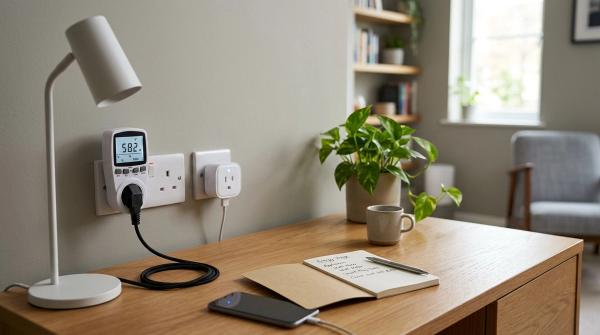
Do not run cords across wet floors. Do not use an extension cord into the bathroom. Do not touch plugs or controls with wet hands.
If your bathroom does not have a safe outlet, you may be able to run the dehumidifier just outside the bathroom with the door open, but only if the setup is safe and still helps.
If you are unsure, ask an electrician. A slightly inconvenient setup is always better than an unsafe one.
A Simple Moisture Control Routine
#Bathroom moisture control is not a one-time fix. Small habits make the biggest difference, especially in small apartments.
After every shower
#- Run the fan during the shower.
- Keep it running for 20 to 30 minutes after.
- Wipe shower glass, tiles, and ledges.
- Hang towels open.
- Leave the bathroom set up for airflow.
Weekly
#- Clean visible dust from the fan grille.
- Wash bath mats and dry them fully.
- Check corners, grout, and ceiling patches.
- Empty and rinse the dehumidifier tank if you use one.
Monthly
#- Clean the dehumidifier filter as per the manual.
- Check if fan suction feels weaker.
- Look for peeling paint, stains, or bubbling.
- Review humidity readings if you use a hygrometer.
In a small apartment, one damp bathroom can make nearby rooms feel damp too. These little routines matter more than people think.
Safety Notes for Mold, Electricity, and Wet Areas
#Moisture is normal in bathrooms, but it should not be ignored.
Mold safety
#Mold grows when surfaces stay damp for too long. Small patches on tile or grout may be manageable with cleaning and better drying.
But if mold keeps coming back, the moisture problem is still there.
Get help if mold spreads widely, appears inside walls or ceilings, comes with a strong musty smell, or returns soon after cleaning.
Electrical safety
#Bathrooms are wet areas, so be careful with plug-in appliances.
- Never place a dehumidifier where it can be splashed.
- Do not touch plugs with wet hands.
- Do not use damaged cords.
- Do not run extension cords through wet areas.
- Use only safe outlets and suitable appliances.
- Follow the manufacturer’s manual.
If a socket looks unsafe, loose, burnt, or poorly placed, do not use it.
Fan and wiring safety
#A noisy fan is annoying, but a failing fan can also be unsafe.
Stop using the fan and call the landlord or a qualified professional if it:
- Sparks
- Trips the breaker
- Smells burnt
- Makes grinding sounds
- Stops and starts randomly
Do not try to repair electrical wiring yourself.
When to Call a Professional
#Sometimes the issue is bigger than normal bathroom humidity. A fan or dehumidifier can reduce the symptoms, but it cannot fix leaks, bad ducting, or building defects.
Call your landlord, plumber, electrician, or building professional if you notice:
- Peeling or bubbling paint that keeps spreading
- Water stains on walls or ceilings
- Dampness when nobody has showered recently
- A fan that does not work
- A fan that trips electricity
- Mold behind fixtures, under flooring, or inside walls
- A strong musty smell that does not go away
- Blocked vents or suspected poor ducting
A dehumidifier may help for a while, but hidden leaks need proper repair.
Final Decision: What Should Small Apartments Use?
#Use a bathroom exhaust fan if your main issue is shower steam, mirror fog, and short-term condensation. It is the best first tool for everyday bathroom ventilation.
Use a dehumidifier if the bathroom stays damp long after the shower, towels do not dry, there is no window, or monsoon weather makes everything feel wet.
Use a window only when the outdoor air is dry enough to help.
For many small apartments, the best routine is simple:
Run the fan, wipe wet surfaces, dry towels properly, and use a dehumidifier only if dampness still lingers.
That combination is practical, renter-friendly, and much better than expecting one device to solve everything.