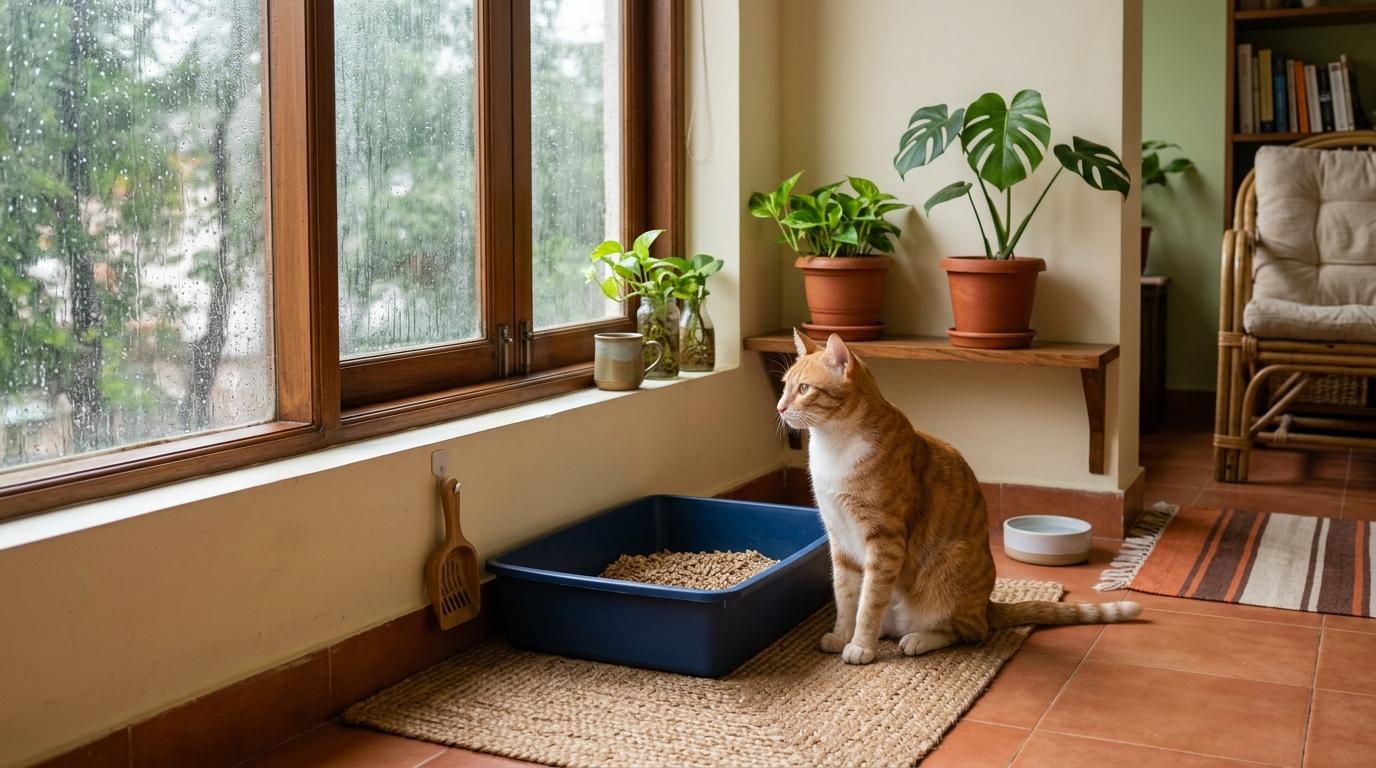
Monsoon is a relief after the heat, but if you live with a cat in a small Indian apartment, you may notice one not-so-lovely side effect: the litter box starts smelling stronger.
Before you blame yourself, take a breath. This happens in many homes during rainy weather. Humidity changes how litter works. Clumps may form slowly, damp litter may break apart while scooping, and urine smell can linger for longer in closed rooms.
The goal is not to drown the smell with perfume. The real goal is simple: keep the litter box clean, dry, easy for your cat to use, and safe for everyone at home.
If you want the quickest fix, start here: scoop at least twice a day, use an unscented absorbent low-dust litter, keep the box in a dry and airy spot, and avoid strong room sprays or essential oils around the litter area. And if your cat’s urination suddenly changes, speak to a vet.
Why Cat Litter Smell Gets Worse During Monsoon
#Cat urine contains urea. When it breaks down, it can create that sharp ammonia-like smell. Stool also starts smelling stronger when bacteria grows, especially in damp weather.
In dry months, good litter usually absorbs moisture and controls odour better. But during monsoon, the air is already heavy with moisture. So the litter may:
- clump more slowly
- stay soft or sticky
- break while scooping
- hold urine smell for longer
- make the whole room feel musty
In a 1BHK, studio, or compact flat, there is not much space for the smell to spread out. If the litter box is in a bathroom, closed balcony, utility corner, or bedroom, the smell can feel stronger very quickly.
Also, remember that cats smell things much more strongly than we do. If the box smells bad to you, it may be much worse for your cat. A damp, smelly box can make some cats avoid using it.
That said, sudden litter box avoidance is not always “bad behaviour”. It can also mean stress, pain, urinary trouble, or another health issue.
A Better Monsoon Litter Setup for Small Homes
#Small-Apartment Monsoon Checklist
#You do not need to turn your home into a cleaning project. A few practical changes can make a big difference.
1. Scoop Twice a Day
#This is the simplest habit with the biggest impact.
During monsoon, scoop at least:
- once in the morning
- once in the evening
Remove:
- urine clumps
- stool
- broken damp litter
- wet patches stuck to the sides or base
Do not wait for the whole box to start smelling. In humid weather, odour builds up faster than you expect.
2. Choose the Right Litter
#The best cat litter for odor control is not always the most heavily scented one. In fact, scented litter can make things worse for many cats.
Look for litter that is:
- unscented
- absorbent
- low-dust
- quick-clumping
- comfortable for your cat’s paws
- reliable in humid weather
Some Indian homes do well with tofu litter. Some prefer wood-based litter. Some cats are perfectly happy with low-dust clumping clay, especially one with activated charcoal.
The important part is your cat’s comfort. If you want to change litter, do it gradually. Mix a little new litter into the old one over several days. Sudden changes can make cats avoid the box.
3. Keep the Box in a Dry, Calm Spot
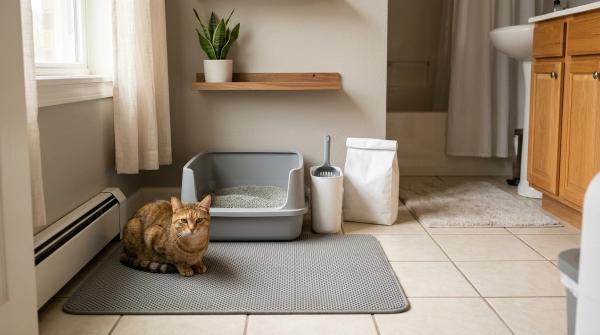
#Good cat litter box placement matters a lot, especially in a small apartment.
Avoid placing the box:
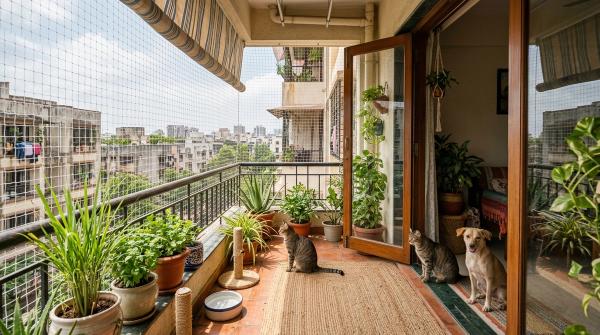
- on a damp balcony during rain
- near a rain-facing window
- beside the washing machine
- in a busy passage
- next to food or water bowls
- in a corner with no airflow
- where a child, dog, or another cat can block access
Your cat should be able to enter, turn around, dig, pee or poop, and leave without feeling trapped.
A dry indoor corner with light airflow is usually better than a balcony during monsoon. Even covered balconies can get damp, and damp litter starts smelling faster.
4. Be Careful With Covered Litter Boxes
#Covered litter boxes look neat and may seem like a good way to control smell. But during monsoon, they can trap moisture and ammonia inside.
For humans, the smell may feel hidden. For the cat, it can feel like entering a damp, smelly cubicle.
If your cat uses a covered box happily and there is no smell issue, fine. But if you notice stronger odour, hesitation, or your cat rushing out immediately after using it, try removing the lid or switching to a more open, well-ventilated box.
5. Follow the N+1 Rule If You Can
#A common feline care guideline is:
Number of cats + 1 = number of litter boxes
So:
- 1 cat = 2 litter boxes
- 2 cats = 3 litter boxes
- 3 cats = 4 litter boxes
In a small apartment, this can feel difficult. Do what is realistic for your space. Even adding one extra box can help, especially if your cat is fussy, elderly, anxious, or sharing the home with another cat.
If you keep two boxes, place them in different spots. Two boxes side by side often feel like one toilet area to a cat.
6. Don’t Mask the Smell With Strong Fragrances
#Strong fragrance does not solve cat litter smell. It usually just covers it for humans. Sometimes it mixes with urine smell and becomes even more unpleasant.
Avoid using:
- scented litter if your cat dislikes it
- room sprays around the litter box
- perfume sprays
- strong disinfectant smells
- essential oils near the litter area
Essential oils can be unsafe for cats, so it is better not to use them around the litter box at all.
If the box smells bad soon after cleaning, check the basics first:
- Is the litter deep enough?
- Are you scooping often enough?
- Is the box in a damp place?
- Is the box covered and trapping smell?
- Is the plastic old and scratched?
- Does the box need a proper wash and full drying?
7. Store Unused Litter Properly
#Monsoon moisture can affect unused litter too.
Keep fresh litter:
- in a sealed container or tightly closed bag
- away from bathrooms
- away from rain-facing windows
- off the floor if the floor gets damp
- in a dry cupboard or storage area
Litter that has already absorbed moisture from the air will not control smell as well.
8. Wash and Dry the Box Properly
#Every now and then, the box itself starts holding smell, especially if the plastic is scratched.
When washing it, use a mild cleaner that does not leave a strong smell. Avoid harsh phenyl-type odours or strong chemical cleaners that may put your cat off.
The drying step is just as important as washing. If the base is still wet and you add clean litter, the fresh litter will become damp quickly.
Dry the box fully before refilling it.
When It Is Not Just a Smelly Litter Box
#A dirty or damp litter box can definitely make a cat avoid it. But sudden changes in urination can also be medical.
This guide cannot diagnose illness and does not replace veterinary care. If something feels off, call your veterinarian.
Contact a Vet If You Notice:
#- straining to urinate
- repeated squatting with little or no urine
- crying, growling, or vocalising in or near the litter box
- blood in urine
- dark or cloudy urine
- very frequent litter box trips
- sudden urination outside the box
- sudden avoidance of the litter box
- licking the urinary area more than usual
- loss of appetite
- hiding, weakness, or unusual tiredness
A male cat straining to pee and passing little or no urine can be an emergency. Please do not wait, and do not try home remedies. Get veterinary help immediately.