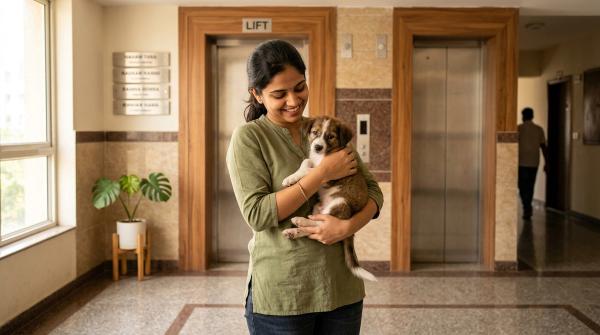
In India, kittens usually start core vaccines at around 6 to 8 weeks. Most need CRP/FVRCP boosters every 2 to 4 weeks until at least 16 weeks old. Rabies is usually added from the vaccine-label age, often around 12 weeks. FeLV depends on lifestyle risk. Your veterinarian should confirm the final plan.
Quick Summary: Which Vaccines Do Cats Usually Need?
#Most cats in India usually need a discussion around these vaccines:
- CRP or FVRCP vaccine — the main core combination vaccine for cats. It helps protect against feline calicivirus, feline viral rhinotracheitis/herpesvirus, and feline panleukopenia.
- Rabies vaccine — rabies is fatal and remains a serious public-health concern in India, so your vet will guide timing and boosters.
- FeLV vaccine, if your cat is at risk — usually risk-based, especially for outdoor cats, multi-cat homes, boarding, rescue, or fostering exposure.
Core vs Risk-Based Vaccines for Cats
#Vets usually divide cat vaccines into core vaccines and risk-based vaccines.
Core Vaccines: Usually Recommended for Most Cats
#Core vaccines protect against diseases that can spread easily, cause severe illness, or create serious public-health concerns.
CRP or FVRCP Vaccine for Cats
#In India, you may hear this vaccine called CRP, RCP, FVRCP, or the tricat vaccine. The exact name may change depending on the clinic or vaccine brand, but it usually refers to protection against the same main group of diseases.
The FVRCP vaccine for cats or CRP vaccine for cats in India usually starts early because kittens become more vulnerable as the protection they received from their mother slowly reduces.
That is why one shot is usually not enough. Kittens need a series of boosters to build stronger protection.
Rabies Vaccine for Cats in India
#Rabies is always serious. Once symptoms appear, rabies is almost always fatal. India also has real rabies risk, so this is not something to ignore.
Even if your cat lives fully indoors, your vet will usually discuss rabies vaccination as part of the core plan. Indoor cats can still have unexpected exposure through bites, scratches, escapes, rescue animals, or travel situations.
Rabies vaccination is also commonly needed for travel, boarding, relocation, apartment requirements, official health records, and adoption or transfer paperwork.
The exact timing of the rabies vaccine for cats in India depends on your vet’s advice and the vaccine manufacturer’s label. Many rabies vaccines are given from around 12 weeks of age, but your vet should confirm what applies to your kitten.
Risk-Based Vaccine: FeLV
#FeLV, or feline leukemia virus, is usually considered a risk-based vaccine.
Your vet may discuss FeLV vaccination if your cat:
- Goes outdoors
- Meets stray or unknown cats
- Lives in a multi-cat home
- Is being introduced into a home with other cats
- May go to boarding
- Is part of a foster or rescue environment
- Has any lifestyle where contact with unfamiliar cats is possible
A single indoor cat with no contact with other cats may not need FeLV vaccination. But a kitten in a multi-cat home or a cat with outdoor access may have a very different risk level.
This is one of those decisions where you should be honest with your vet. If your cat sometimes slips out, sits in common corridors, meets building cats, or may be boarded in the future, mention it.
Do Indoor Apartment Cats in India Still Need Vaccines?
#Yes, indoor cats usually still need core vaccines.
Living in an apartment lowers risk, but it does not make the risk zero. Infections can sometimes come home through shoes, clothes, carriers, visitors, clinic visits, rescue kittens, or other pets. If you bring a new kitten into the home, the risk for your resident cat can also change.
For most Indian apartment cats, vets still recommend the core CRP or FVRCP series and rabies vaccination. FeLV needs a more individual discussion.
A simple way to think about indoor cat vaccines in India:
- Indoor single cat: Core vaccines are still important. FeLV depends on risk.
- Indoor multi-cat home: Core vaccines are important, and FeLV discussion becomes more relevant.
- Indoor cat with balcony access, foster kittens, boarding, or occasional outdoor exposure: Core vaccines are important, and FeLV risk should be discussed carefully.
- Newly rescued kitten in a home with other cats: Vet guidance is especially important before free mixing.
Age-by-Age Kitten Vaccination Schedule India
#This table gives a general first-year checklist. It is not a fixed prescription. Your vet may change the timing if your kitten is underweight, unwell, rescued with unknown history, already vaccinated, or receiving a vaccine brand with different label directions.
What If You Adopt an Older Kitten or Adult Cat?
#Many cat parents in India adopt rescued kittens or adult cats without a clear vaccination record. This is very common.
If that happens, don’t panic and don’t guess.
Take your cat to a licensed veterinarian and carry whatever information you have. Even a small detail can help, such as:
- An old vaccination booklet
- A photo of a vaccine sticker
- A clinic bill
- A rescue group note
- A WhatsApp message from the previous caregiver
- A dated health record
If there is no reliable record, your vet may treat your cat as having an unknown vaccine history and create a catch-up schedule. The number of doses and timing will depend on your cat’s age, health, risk level, and the vaccine being used.
Avoid giving random repeat vaccines without veterinary advice. At the same time, do not assume an adopted cat is protected unless there is proper documentation.
Adult Cat Booster Shots: What Happens After the First Year?
#After the kitten series and the first adult booster, your cat moves into a maintenance schedule.
The timing of cat booster shots is not exactly the same for every cat. It depends on:
- The vaccine used
- The vaccine label
- Your cat’s age and health
- Indoor or outdoor lifestyle
- Multi-cat exposure
- Boarding or travel plans
- Local rabies requirements
- Your veterinarian’s risk assessment
For many adult cats, rabies boosters follow the vaccine label and local compliance needs. CRP or FVRCP boosters may be scheduled based on risk and vaccine type. FeLV boosters are usually continued only if the cat still has exposure risk.
A simple habit can save confusion later: before you leave the clinic, ask your vet to write the next due date clearly in the vaccination booklet. Then add the same date to your phone calendar.
Vet Visit and Records Checklist
#Vaccination is not just about the injection. The health check, vaccine storage, and records matter too.
Before the Visit
#- Book with a licensed veterinarian.
- Carry your cat’s vaccination booklet or any previous record.
- Use a secure, ventilated carrier.
- Do not carry your cat loose in your arms.
- Tell the clinic if your cat is newly adopted, rescued, pregnant, unwell, underweight, or has reacted to a vaccine before.
- Mention if there are other cats at home.
- Mention if your cat goes outdoors, meets other cats, or may go to boarding.
- Ask whether the clinic has separate waiting space or low-stress handling for cats, if available.
During the Visit
#- The vet should check your kitten’s general health before vaccination.
- Ask which vaccine is being given: CRP, FVRCP, rabies, or FeLV.
- Ask whether your kitten needs another booster.
- Ask when the next vaccine is due.
- If using a home-visit vet, ask how vaccines are kept cold during transport.
- Confirm that the vaccine matches your cat’s age and the label guidance.
Records to Collect
#- Vaccine name
- Date given
- Batch or lot number sticker
- Expiry date sticker, if available
- Vet’s signature
- Clinic stamp
- Next due date
- Notes on any previous vaccine reaction, if applicable
Keep a photo backup of the vaccination page. It helps if the booklet gets lost and is useful for boarding, travel, adoption paperwork, or changing clinics.
Practical Tips for Multi-Cat Homes
#If you already have cats and are bringing home a new kitten, vaccination planning becomes even more important.
Before allowing cats to mix freely, ask your vet how to manage:
- The new kitten’s vaccine status
- The resident cats’ booster status
- FeLV risk
- Quarantine or separation period
- Safe introduction timing
- Testing, if needed
- Records for every cat in the home
Do not assume that one vaccinated cat means the whole home is protected. Each cat needs their own vaccine plan and their own record.
If the new kitten is rescued, sick, sneezing, has eye discharge, has diarrhoea, or has an unknown history, keep them separate until your vet advises otherwise.
Common Mistakes to Avoid
#Waiting Until the Kitten Is “Older”
#Kittens are vulnerable early. If you wait too long, you may leave a gap during an important stage. Ask your vet about starting vaccines around 6 to 8 weeks.
Giving Only One CRP or FVRCP Shot
#One early shot usually does not complete kitten protection. The kitten series needs boosters, often every 2 to 4 weeks until at least 16 weeks of age.
Skipping Rabies Because the Cat Is Indoors
#Indoor cats still need a rabies discussion with the vet, especially in India. Rabies is too serious to take casually.
Forgetting the First Adult Booster
#Many pet parents complete the kitten series and then forget the booster visit after that. Ask your vet when the first adult booster is due and set a reminder immediately.
Losing the Vaccine Booklet
#A vaccine without a record can create problems later. Keep the booklet safe and store photos of each updated page.
Not Telling the Vet About Lifestyle Changes
#Your cat’s vaccine plan can change if you move homes, adopt another cat, start fostering, allow balcony access, travel, or use boarding services. Keep your vet updated.
Final Safety Note
#This article is for pet parent awareness only. It does not provide diagnosis, treatment, medication or dosage advice. Cat vaccination timing should always be confirmed by a licensed veterinarian based on your cat’s health, age, exposure risk, local Indian context, and the vaccine manufacturer’s label.