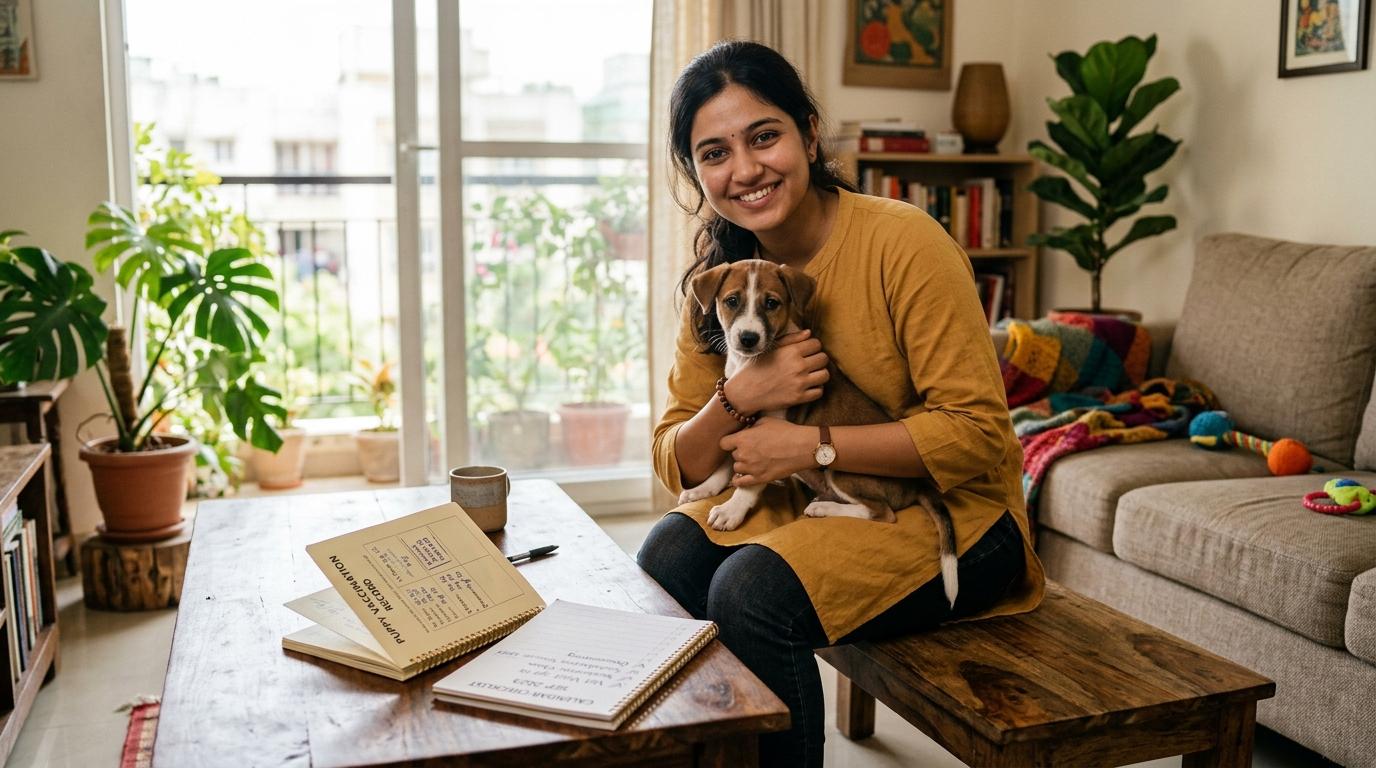
A typical puppy vaccination schedule in India starts around 6 to 8 weeks, followed by boosters every 3 to 4 weeks until at least 16 weeks. Core vaccines protect against serious diseases like distemper, adenovirus and parvovirus. Rabies, leptospirosis and kennel-cough-related vaccines should be discussed with a licensed veterinarian based on your puppy’s health, local risk and records.
Vet disclaimer: This AllBlogs guide is for education and planning only. It is not a substitute for veterinary advice, diagnosis, treatment, dosage guidance, or emergency care. Always ask a licensed veterinarian to create your puppy’s actual vaccination plan.
Why Puppy Vaccination Timing Matters
#Puppies get some early protection from their mother through maternal antibodies. The tricky part is that this protection does not fade at the same time for every puppy.
This is one reason vets usually do not give just one puppy vaccine and say, “Done.” Puppies need a series of vaccines so their immune system has a better chance of building protection.
This matters even more in India, where many dogs share common spaces. Apartment corridors, lifts, parking areas, staircases, gardens, pet relief corners and walking paths may be used by vaccinated and unvaccinated dogs.
Even if your puppy stays mostly indoors, exposure can happen during vet visits, grooming visits, meetings with other dogs or short walks in shared areas.
Core and Risk-Based Puppy Vaccines in India
#The World Small Animal Veterinary Association’s 2024 guidance lists the main core vaccines for dogs as protection against canine distemper virus, canine adenovirus and canine parvovirus.
At the clinic, you may hear names like DHPP, 7-in-1, 8-in-1 or 9-in-1. These are combination vaccines, but the exact diseases covered can vary depending on the product. A bigger number does not automatically mean it is better for your puppy.
Ask your vet: “What does this vaccine include, and why does my puppy need it?”
Core Puppy Vaccines
#Canine Distemper
#Canine distemper is a contagious viral disease. It can affect the respiratory system, digestive system and nervous system. It can be very serious, especially in young puppies, which is why vets are careful about timely vaccination.
Canine Adenovirus
#Canine adenovirus is linked with infectious canine hepatitis. It can cause serious illness, and protection against it is included in core puppy vaccination.
Canine Parvovirus
#Canine parvovirus is one of the biggest worries in puppies. It can cause severe vomiting, diarrhoea, weakness and dehydration, and it can be life-threatening.
Parvovirus can also survive in the environment for a long time. This is one major reason vets warn new puppy parents not to take partly vaccinated puppies to parks, common dog toilet areas or busy public spaces too early.
Risk-Based Vaccines Your Vet May Discuss
#Some vaccines depend more on your puppy’s lifestyle, location and exposure risk. Your vet may consider your city, weather, housing type, walking area, travel plans, grooming visits, boarding plans and disease patterns nearby.
Rabies
#Rabies is a serious public health concern in India. The rabies vaccine for puppies in India is often discussed early, commonly around 12 weeks of age, but the final timing depends on your vet’s protocol and the vaccine label.
Do not postpone this conversation. Your vet can also guide you on rabies records needed for travel, boarding, housing society rules, training centres or local requirements.
Leptospirosis
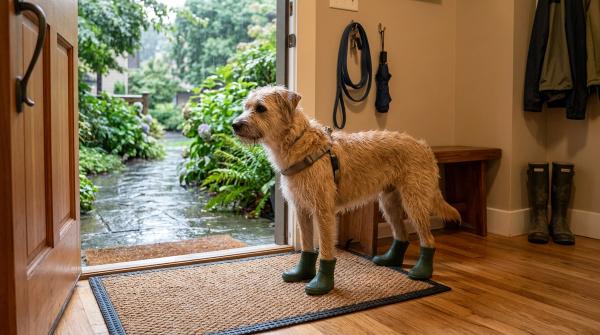
#Leptospirosis is a bacterial disease that can spread through urine from infected animals and wet environments. In many Indian cities, vets may think about this risk more seriously during the monsoon, especially in areas with waterlogging, rodents, puddles and shared dog walking spaces.
Do not guess whether your puppy needs this vaccine. Ask your vet if leptospirosis vaccination is recommended in your area and when it should be started.
Kennel Cough Related Vaccines
#Kennel cough related vaccines may be suggested if your puppy will go to boarding centres, grooming salons, puppy classes, dog parks or places where many dogs mix together.
First-Year Puppy Vaccination Schedule in India
#Use this as a planning checklist, not as a prescription. Your puppy’s actual dog vaccination schedule in India may change if they are sick, rescued, underweight, too young, previously vaccinated without proper records or exposed to infected dogs.
Some puppies need a different plan, and that is normal. A rescued puppy with no records may need a catch-up schedule. A puppy from a breeder may still need the records checked properly. A sick puppy may need vaccination delayed until they are stable enough.
Before Your Puppy’s First Vet Visit
#Carry:
- Any vaccination or deworming record from the breeder, shelter, rescuer or previous caregiver
- Adoption date or estimated date of birth, if known
- Notes about appetite, stool, vomiting, coughing, sneezing, tiredness or anything unusual
- Photos of old vaccine stickers or prescriptions, if the original booklet is not available
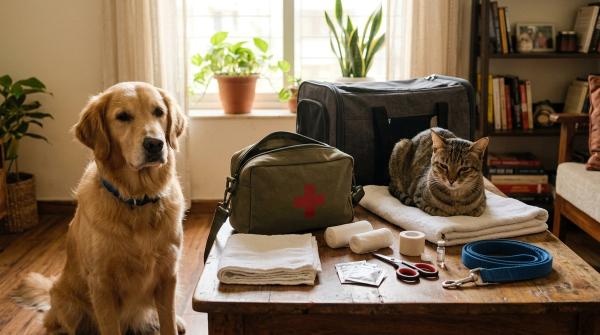
- A clean towel, basket or carrier, especially for small puppies
Try not to let an unvaccinated or partly vaccinated puppy walk on the clinic floor. Vet clinics see many animals, including sick ones. Carry your puppy or use a clean carrier until your vet says more outdoor exposure is okay.
Tell the vet honestly if your puppy seems unwell. Vomiting, diarrhoea, coughing, fever-like tiredness, poor appetite, heavy worms or unusual weakness should be discussed before vaccination.
Deworming, Health Checks and Vaccines
#A good puppy vaccine visit usually includes a quick health check. Your vet may check weight, hydration, temperature, gums, abdomen, skin, stool history and general alertness. They may also talk about deworming because intestinal parasites can affect your puppy’s overall health.
Do not give dewormers, antibiotics, supplements, human medicines or leftover tablets without veterinary instructions. Puppy dosing should never be guessed from another dog’s prescription.
Can Puppies Go Outside Before All Vaccines Are Complete?
#Your puppy does need socialisation, but they also need protection from unsafe exposure.
Before the initial vaccine series is complete, avoid letting your puppy walk in high-risk public areas such as:
- Common dog toilet spots
- Parks used by many dogs
- Wet soil and puddles
- Garbage areas
- Clinic floors
- Shared walking patches used by unknown dogs
Safer options may include:
- Carrying your puppy outdoors for short exposure to sounds and sights
- Letting them watch traffic, lifts, people and daily life from your arms
- Inviting healthy, fully vaccinated dogs you know to meet at home, if your vet agrees
- Using clean indoor play areas
- Practising handling, grooming comfort, name response and crate training at home
- Introducing normal home sounds slowly
Ask your vet when paws-on-ground walks are safe. Many vets prefer waiting until after the final puppy booster has had time to work, but the exact advice depends on your puppy and local area.
Monsoon, Stray Exposure and Shared Spaces
#India-specific context matters. During the monsoon, waterlogging and damp common areas can increase concern around certain infections, including leptospirosis. If your apartment complex has puddles, poor drainage, rodent activity, open garbage or shared dog walking patches, tell your vet.
Street and community dogs are part of life in many Indian neighbourhoods. The point is not that every street dog is dangerous. The practical issue is that your puppy’s exposure is harder to control in shared spaces.
Simple habits help:
- Avoid puddles and stagnant water
- Do not allow sniffing or licking unknown waste
- Carry young puppies in common areas when needed
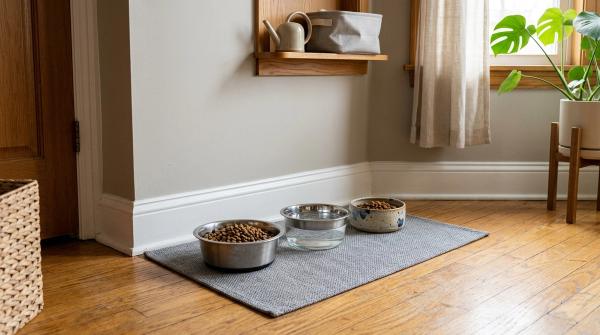
- Keep food and water bowls indoors and clean
- Clean paws after walks once outdoor walks begin
- Keep vaccine records updated and easy to find
Keeping Puppy Vaccination Records
#Each vaccine entry should usually include:
- Vaccine sticker or vaccine details
- Date of vaccination
- Vet’s signature or clinic stamp
- Next due date
Good record habits:
- Take a photo of every updated vaccine page
- Save a digital copy on your phone or email
- Set calendar reminders one week before the next due date
- Carry the record when changing vets
- Keep rabies vaccine documentation easy to find
- Ask boarding centres, trainers or groomers what records they need before booking
After Vaccination: What Is Normal and What Is Urgent?
#Many puppies feel a little sleepy after vaccination. Some may have mild soreness where the injection was given. Some may eat slightly less for a short time.
For the next day or two, keep things calm. Avoid intense grooming, long travel, new foods, rough playdates or stressful outings unless your vet has said it is okay.
Call your vet urgently if you notice:
#- Facial swelling, especially around the muzzle, eyes or lips
- Difficulty breathing
- Collapse or extreme weakness
- Repeated vomiting or diarrhoea
- Hives or severe itching
- Pale gums
- Unusual crying, distress or restlessness
- Any reaction that worries you or gets worse quickly
Severe reactions are not common, but they need quick veterinary care. If you are unsure, call the clinic.
Quick First-Year Puppy Vaccine Checklist
#- 6 to 8 weeks: Start core puppy vaccines after a vet health check
- Every 3 to 4 weeks: Continue core boosters as advised
- By 16 weeks or later: Complete the first core puppy vaccine series as your vet schedules
- Around 12 weeks: Discuss rabies vaccination timing with your vet
- During risk review: Ask about leptospirosis, especially with monsoon, puddles, rodents or shared walking spaces
- Before outdoor walks: Confirm when your puppy can safely walk in public areas
- Every visit: Update the vaccination booklet
- First year: Ask when the next booster or follow-up is due
- Any illness: Tell your vet before vaccination
- Any severe reaction: Seek urgent veterinary care
Final Word
#The best puppy vaccination schedule in India is simple, documented and guided by a vet who knows your puppy’s real situation.
Start on time, keep boosters on track, ask about rabies and leptospirosis, and avoid high-risk public spaces until your vet clears your puppy.
A little planning in the first year makes puppy parenting much calmer. Keep the booklet safe, set reminders and ask even the small questions during vaccine visits.