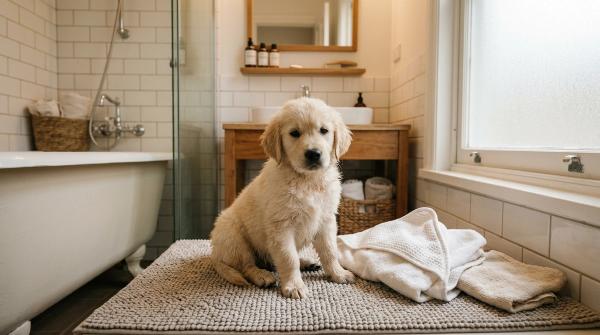
Bringing home a dog is exciting, but it also comes with a long list of “Am I doing this right?” questions. Deworming is one of those topics that can feel confusing very quickly.
One person may tell you to deworm every month. Someone else may say every three months. A breeder may have followed one routine, while your neighbour swears by another. The truth is, there is no single perfect plan for every dog.
A safe dog deworming schedule India should always be planned with your veterinarian. The right timing and medicine depend on your dog’s age, weight, health, lifestyle, stool test results, and whether your dog is pregnant, nursing, rescued, or exposed to a lot of outdoor areas.
In general, puppies often start vet-guided deworming from around 2 weeks of age, with repeat doses every 2 weeks during early puppyhood. As they grow, the schedule changes gradually. Adult dogs usually continue on a regular parasite prevention plan, often around every 3 months, but your vet may adjust this based on risk.
This guide covers puppy and adult dog deworming, common dog worms symptoms, monsoon hygiene, stool tests, vet visits, and the mistakes you should avoid.
Why deworming matters for dogs in India
#Worms are common in dogs, especially puppies, rescued dogs, outdoor dogs, and dogs who use shared walking spaces. India’s warm and humid climate can make things easier for parasites too. Damp soil, monsoon puddles, muddy parks, and areas where many dogs pass stool can all increase exposure.
And no, apartment dogs are not automatically safe.
Even if your dog only goes downstairs twice a day, worms or parasite eggs can still come into your dog’s environment through:
- Mud on paws after walks
- Dirt carried in on shoes
- Shared lawns and walking patches
- Parks and streets
- Areas used by stray or community dogs
- Contaminated stool left outside
- Fleas, in some tapeworm cases
So dog parasite prevention is not only for dogs who live outdoors or roam freely. It is part of normal care for most pet dogs.
There is also a family health angle. Some dog parasites, including roundworms and hookworms, can spread to humans in certain situations. Children, people who sit or play on the floor, and anyone cleaning dog poop should be especially careful.
This does not mean you need to panic. It simply means deworming, stool cleanup, handwashing, and regular vet visits should become part of your dog’s routine care.
The most important rule: do not pick dewormers on your own
#Before we get into any puppy deworming schedule or adult dog routine, this is the one thing to remember.
Please do not diagnose worms at home. Do not guess the dose. Do not repeat an old tablet just because it worked once. And do not buy a random dewormer online assuming it will cover “all worms”.
Dogs can get different intestinal parasites, such as roundworms, hookworms, whipworms, and tapeworms. These are not always treated in the same way. One medicine may not work for every worm, every life stage, or every dog.
Your vet will choose the right product and dose based on:
- Your dog’s age
- Current body weight
- Puppy, adult, senior, pregnant, or lactating status
- Overall health
- Symptoms, if any
- Lifestyle and exposure risk
- Dog stool test results, when needed
- Other medicines or preventives your dog is already taking
This is especially important for very young puppies, weak rescues, sick dogs, pregnant dogs, nursing mothers, and dogs with ongoing medical conditions.
General dog deworming schedule India
#The table below is only a general guide. It is not a prescription. Your vet may change the timing depending on your dog’s health, weight, symptoms, and exposure risk.
If you are wondering how often to deworm dogs, the honest answer is: often enough to protect your dog, but always safely and with your vet’s guidance.
For many adult dogs, this becomes a three-monthly routine. For some dogs, it may be more customised.
Deworming puppies in India: what new pet parents should know
#Deworming puppies in India needs extra care because puppies are more vulnerable to worm loads than healthy adult dogs. Some puppies can even get worms from their mother before birth or through milk. That is one reason early deworming is such a common part of puppy care.
Puppies are growing fast. Their bodies need good nutrition, energy, and steady weight gain. Worms can interfere with all of that. A puppy with worms may not look very sick at first, so waiting until you actually see worms is not a good plan.
A vet-guided puppy deworming schedule usually starts early and is repeated at short intervals in the first few weeks. As the puppy grows, the routine becomes more spaced out. Your vet may also coordinate deworming with vaccination visits, weight checks, and growth monitoring.
Think of it as part of your puppy’s foundation care, just like vaccines, good food, and safe socialisation.
Puppy first vet visit India: what to carry and ask
#If you searched for puppy first vet visit India, here is the simplest advice: take your puppy to a vet soon after bringing them home.
This is especially important if the puppy is very young, rescued, underweight, weak, or came from an uncertain background.
For the first visit, carry:
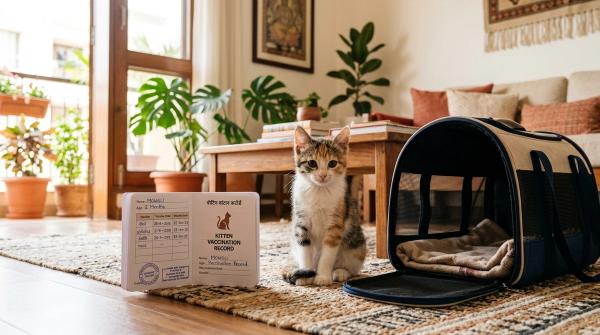
- Any vaccination or deworming record you received
- Adoption or breeder details, if available
- A note of the puppy’s eating and stool habits
- Photos of stool, if you noticed anything unusual
- A fresh stool sample, if your vet asks for one
- Details of vomiting, diarrhoea, coughing, weakness, or poor appetite
- The food currently being given
At the clinic, ask your vet:
- What is the safe deworming plan for this puppy?
- What is the puppy’s current weight?
- When should the next deworming happen?
- How will this fit with vaccinations?
- Do we need a dog stool test?
- What symptoms should make me call immediately?
- What hygiene steps should I follow at home?
This first visit is not just about giving one medicine. It helps build your puppy’s full preventive health plan.
Adult dogs need deworming too
#Many pet parents are very careful during puppyhood, and then slowly forget about deworming once the dog becomes an adult and looks healthy.
But adult dogs can still pick up parasites.
They may be exposed while sniffing soil, licking paws, playing in wet grass, eating something from the street, grooming after flea exposure, or walking in places where other dogs have passed stool.
A dog does not have to look dirty or neglected to get worms. Even a well-groomed city dog can be exposed during everyday walks.
For many adult dogs in India, vets commonly recommend routine deworming around every 3 months. However, your vet may adjust this if your dog:
- Goes to parks daily
- Treks, travels, or visits farms
- Meets many other dogs
- Lives in an area with high stray-dog movement
- Scavenges outdoors
- Has frequent flea problems
- Has recurring digestive signs
- Is elderly or has a medical condition
Also, do not keep using last year’s prescription forever. Your dog’s weight can change. Health can change. The right product or dose may also change.
Dog worms symptoms: signs to watch for
#Worms do not always cause clear symptoms. Some dogs may carry parasites and still look completely normal.
Still, it helps to know the common dog worms symptoms that need a vet call.
Watch for:
- A swollen, pot-bellied look, especially in puppies
- Weight loss or poor growth
- Dull coat
- Low energy or weakness
- Diarrhoea
- Vomiting
- Worms seen in stool or vomit
- Rice-like white segments around stool or the rear area
- Scooting, where the dog drags the bottom on the floor
- Too much licking near the rear
- Poor appetite
- Very high appetite but poor body condition
Scooting does not always mean worms. It can also happen because of anal gland issues, irritation, allergies, or other problems. So it is better to let your vet check instead of guessing.
If you see visible worms or repeated digestive signs, call your vet. If possible, ask whether you should bring a fresh stool sample for a dog stool test.
Why stool tests are useful
#A dog stool test is simple, but it can be very helpful. It allows your vet to check for parasite eggs or other signs of infection.
Your vet may suggest a stool test when:
- A puppy has unknown deworming history
- A rescued dog comes home
- Symptoms continue after previous deworming
- There is diarrhoea, poor growth, or weight loss
- Your dog has high exposure risk
- The vet wants to identify which parasite may be involved
Not every parasite is visible to the naked eye. Also, not every loose stool is because of worms. Food changes, infections, stress, and other health issues can also cause digestive problems.
That is why stool testing is useful. It reduces guesswork and helps your vet choose the right treatment.
If your vet asks for a sample, collect a fresh one in a clean container or bag. Wash your hands properly afterwards, and keep children away from dog stool and cleaning areas.
Monsoon dog care and parasite prevention
#The monsoon can be a difficult season for Indian dog parents. The rain is lovely, but it brings puddles, damp soil, mud, dirty water, and more mess inside the house.
These conditions can increase hygiene problems and may raise parasite exposure.
Good monsoon dog care does not have to be complicated. It just needs to be consistent.
After walks:
- Wipe paws, legs, and belly area
- Dry damp fur, especially in long-coated dogs
- Do not allow your dog to drink from puddles
- Keep your dog away from open garbage and dirty drains
- Clean balcony or terrace toilet areas quickly
- Pick up stool immediately during walks
- Wash your hands after handling leash, paws, or poop bags
At home:
- Keep bedding dry and clean
- Wash food and water bowls regularly
- Keep outdoor footwear near the entrance, if possible
- Clean floors more often during muddy weather
- Use vet-approved flea and tick prevention if your vet recommends it
Fleas matter because some tapeworm infections are linked to dogs swallowing infected fleas while grooming. This is why internal and external parasite prevention often go hand in hand.
Apartment hygiene checklist for dog parents
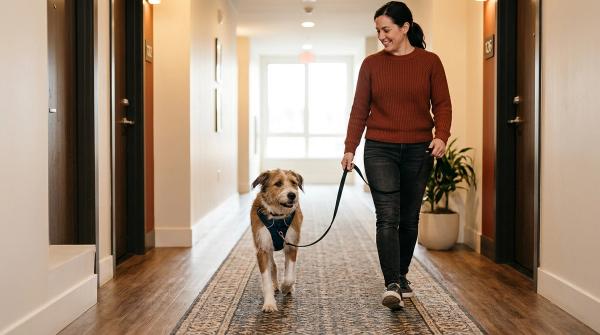
#If you live in an apartment, your dog may share lifts, corridors, parking areas, lawns, and small walking patches with many other pets and community animals.
A few simple habits can reduce risk.
Use this checklist:
- Carry poop bags on every walk
- Pick up stool immediately
- Do not let your dog sniff or lick unknown stool
- Wipe paws after walks
- Clean the rear area gently if stool sticks to fur
- Wash hands after walks and cleanup
- Keep children away from dog poop and soiled wipes
- Do not leave balcony stool sitting for hours
- Clean food bowls daily
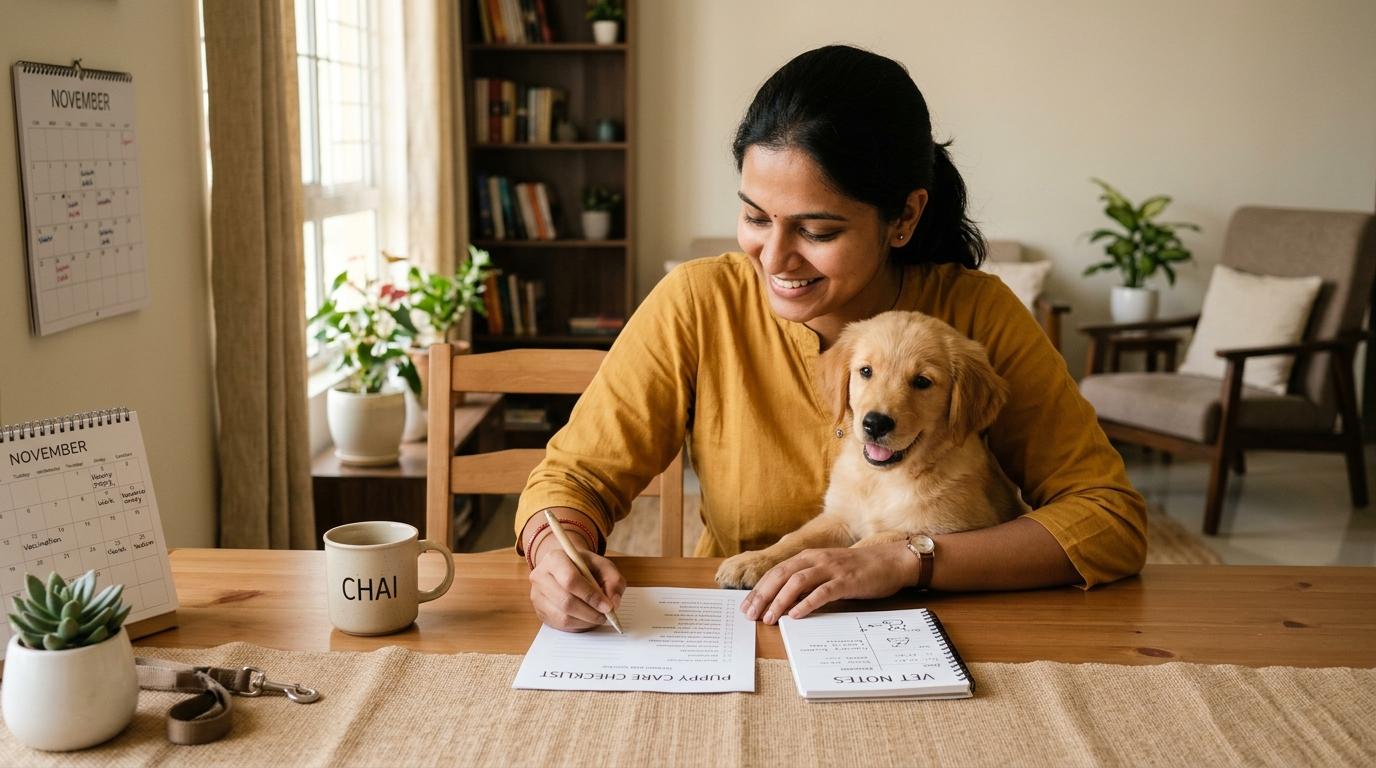
- Keep deworming and vaccination records in one place
- Set phone reminders for vet visits and preventive care
This is practical dog parasite prevention. It is not about keeping your dog indoors all the time. It is about making daily exposure safer.
Vet-visit checklist for deworming
#Before your vet appointment, note down:
- Your dog’s age
- Current weight, if known
- Last deworming date
- Product name used earlier, if available
- Vaccination status
- Appetite and energy level
- Stool changes
- Vomiting or diarrhoea
- Flea or tick issues
- Pregnancy or lactation status
- Any existing illness or medication
- Travel, boarding, park visits, or rescue history
At the visit, ask your vet to confirm:
- Which parasite risks are most relevant
- Whether a stool test is needed
- Which product is suitable
- When the next dose or visit should be
- What side effects or warning signs to watch for
- How to coordinate deworming with vaccines and other preventives
- What to do if you miss a scheduled date
Keep the written plan. If you change clinics later, this record helps the next vet understand your dog’s history. It also saves you from trying to remember dates later.
What not to do without a vet
#These rules may sound basic, but they can prevent real harm.
Do not:
- Use human deworming medicine for dogs
- Guess dosage by size or breed
- Split or combine medicines without instructions
- Use old prescriptions for a new puppy
- Treat pregnant or nursing dogs without a vet
- Double dose if you missed a date
- Depend on herbal remedies to treat suspected worms
- Ignore repeated diarrhoea, vomiting, weakness, or weight loss
- Assume visible improvement means the full parasite problem is solved
If you miss a scheduled deworming, call your vet and ask what to do next. Giving extra medicine to “make up” for the delay is not safe.
Final thoughts
#A good dog deworming schedule India is not about memorising one fixed chart. It is about building a safe routine with your vet.
Puppies usually need early, repeated deworming under veterinary guidance. Adult dogs also need ongoing prevention throughout life. Monsoon care, stool cleanup, paw wiping, flea control, and regular vet visits all support the same goal: keeping your dog healthy and reducing parasite risk at home.
The calm approach works best. Keep records. Follow your vet’s schedule. Do not give medicines without advice. Watch your dog’s stool, appetite, energy, and weight.
Deworming may feel like a small routine, but it protects your dog, your home, and everyone who shares the floor, sofa, and everyday life with them.