If you drive with your dog, the big question is simple: how do you keep them safe without making the ride stressful?
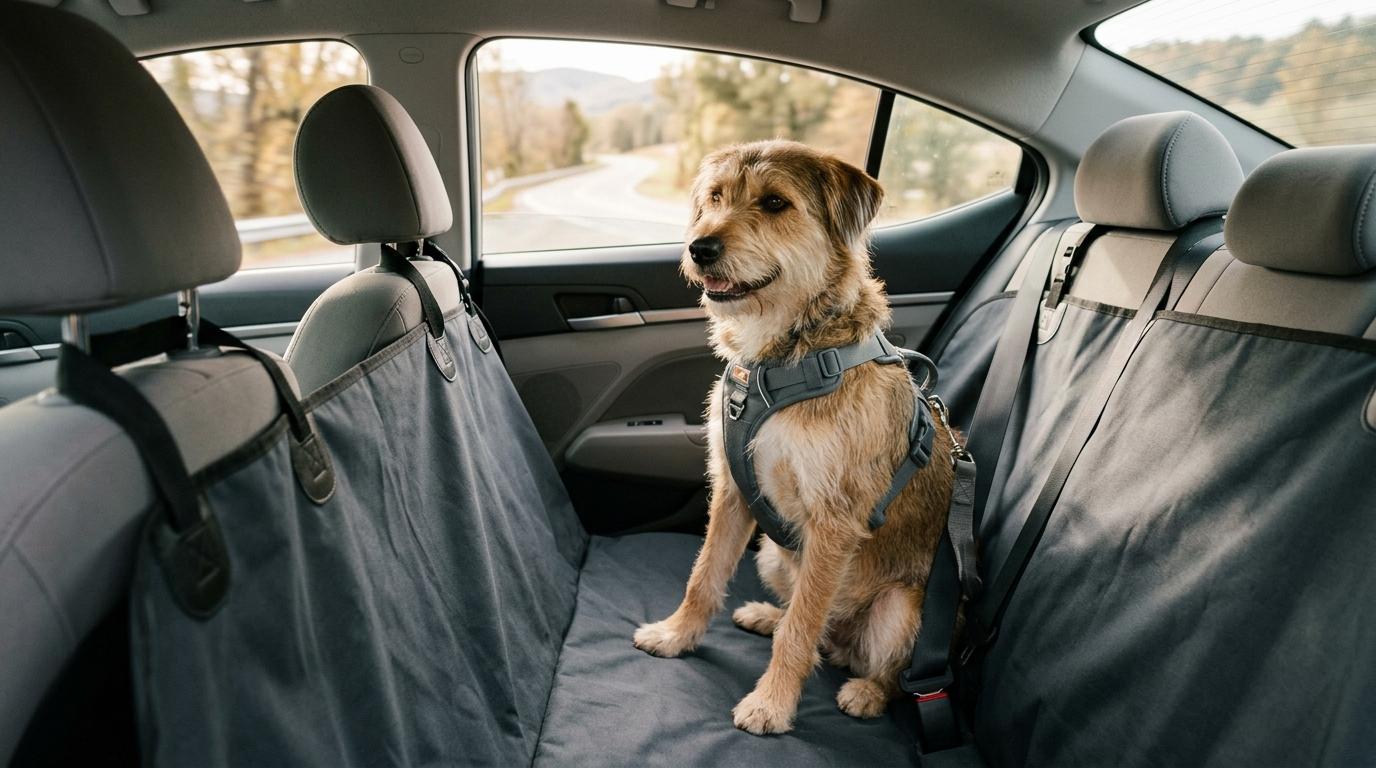
For most dogs, the safest setup is either a well-fitted dog seat belt harness or a properly secured dog car crate. A back seat dog hammock can be a useful comfort add-on, especially for keeping your car clean, but it is not a real restraint by itself.
That last part is important.
A hammock can stop your dog from sliding into the footwell. It can protect your seats from mud, hair, drool, and scratches. It can make the back seat feel more stable. But in a sudden stop or crash, it is not designed to hold your dog safely in place.
Quick Comparison: Dog Seat Belt Harness vs Crate vs Back Seat Hammock
#Why Dog Car Safety Matters
#A loose dog in the car can become a serious distraction. They may climb into the front seat, bump controls, fall into the footwell, or block your view. Even if your dog is usually well behaved, one sudden noise or unexpected movement can change things quickly.
There is also the risk of sudden braking. If your dog is not restrained, they can be thrown forward or sideways, even on a short trip to the vet or park.
And then there is the door-opening moment. Petrol pumps, toll stops, apartment parking lots, dhabas, rest areas, hotel entrances — these are all places where an excited or scared dog can slip out before you are ready.
Using a restraint is not about being overprotective. It is just common sense.
Option 1: Dog Seat Belt Harness
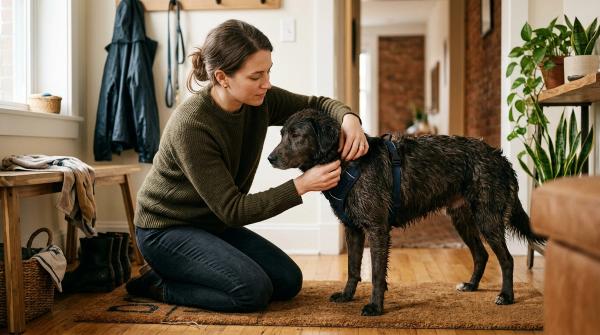
#A dog seat belt harness is a padded body harness that connects your dog to the vehicle’s seat belt system or a short car tether. It should fit around the chest and body, never around the neck.
For many families, this is the most practical dog car safety option. It is easy to use, does not take up much space, and works well for dogs who already have decent car manners.
Best for
#A dog seat belt harness is a good choice if your dog:
- Sits or lies down calmly in the back seat
- Does not chew straps or buckles
- Does not pace, spin, or try to climb forward
- Is already comfortable wearing a harness
- Mostly goes on short or medium car rides
Pros
#- Easy to keep in the car
- Less bulky than a crate
- Lets your dog sit or lie down
- Works well with many back seat hammocks
- Useful for taxis, rental cars, and family cars if compatible
Cons
#- Restless dogs may get tangled
- Long tethers allow too much movement
- Chewers can damage the straps
- Poorly fitted harnesses may rub, twist, or slip
- Not every “car safe” harness has proper crash testing
Safety note
#Never clip a car tether to your dog’s collar. A sudden stop can put dangerous pressure on the neck. Always use a strong, well-fitted chest harness, ideally one with clear crash-testing information.
Option 2: Dog Car Crate
#A dog car crate gives your dog a contained space inside the vehicle. For some dogs, especially puppies and anxious travelers, a crate can feel calmer than having the whole back seat available.
A crate is especially useful when your dog’s behavior in the car is the main safety issue. If your dog chews seat belts, paws at doors, tries to sit in your lap, or panics in traffic, a harness may not be enough.
Best for
#A dog car crate is often better for:
- Puppy car travel
- Dogs who chew harnesses or tethers
- Dogs who pace, spin, or climb seats
- Anxious dogs who settle better in a den-like space
- Escape artists
- Longer road trips where predictable containment helps
Pros
#- Reduces driver distraction
- Stops your dog from roaming around the car
- Can help nervous dogs feel more secure
- Keeps puppies away from straps and upholstery
- Adds safety when opening doors at stops, hotels, toll booths, or petrol pumps
Cons
#- Takes up more space
- Can be expensive, especially crash-tested models
- Must be secured so it does not slide or tip
- Needs good airflow and temperature control
- Has to be the right size for your dog
Sizing note
#A travel crate should be big enough for your dog to stand, turn around, and lie down comfortably. But it should not be so large that your dog slides from side to side during sudden braking or sharp turns.
Option 3: Back Seat Dog Hammock
#A back seat dog hammock attaches between the front and rear headrests, creating a fabric bridge over the rear footwell.
It is popular because it makes life easier. It protects your seats, gives your dog a flatter surface, and helps stop them from slipping into the gap between the front and back seats.
But a hammock is not a seat belt.
It can make the ride more comfortable. It can reduce sliding during normal braking. It can save your upholstery after muddy walks and beach days. But in a serious crash, it is not built to restrain your dog.
Best for
#A back seat dog hammock is helpful for:
- Dogs who ride in the back seat
- Muddy walks, beach trips, hikes, and rainy-day drives
- Senior dogs who need a flatter surface
- Dogs who slide off the seat
- Pet parents who want easier cleaning
Pros
#- Keeps the car cleaner
- Blocks the gap between the front and rear seats
- Helps prevent falls into the footwell
- Pairs well with a harness
- Makes the back seat more comfortable for many dogs
Cons
#- Does not restrain your dog by itself
- Can create a false sense of safety
- Needs seat belt access slots if used with a harness
- Cheap hammocks may slip, bunch up, or tear
Which One Should You Choose?
#Choose a dog seat belt harness if your dog is calm, predictable, and happy to stay in one place. This is often a good everyday option for adult dogs who already travel well.
Choose a dog car crate if your dog is a puppy, chewer, nervous traveler, escape artist, or constant mover. A crate can be the safer choice when your dog cannot settle properly with a harness.
Choose a back seat dog hammock if you want more comfort, cleaner seats, and protection from the footwell gap. It should be used with a harness, not instead of one.
Step-by-Step Dog Car Setup Checklist
#1. Choose the right restraint
#Pick one main restraint:
- Dog seat belt harness for calm back-seat travelers
- Dog car crate for puppies, anxious dogs, chewers, or very active dogs
- Carrier for small dogs when appropriate
- Hammock only as a support accessory, not as the only restraint
2. Check the fit
#For a harness, it should be snug but not tight. A simple check is that you should be able to slide two fingers under the straps.
For a crate, your dog should be able to stand, turn around, and lie down comfortably.
3. Secure the equipment
#If you are using a harness, make sure the seat belt clicks fully into place. If you are using a tether, keep it short enough to prevent roaming, but not so short that your dog cannot sit or lie down.
If you are using a crate, secure it so it does not slide, tip, or shift during sudden braking.
4. Keep your dog in the back
#The back seat or a suitable cargo area is usually safer than the front seat. Dogs in the front passenger seat can be injured by airbags and are more likely to distract the driver.
5. Lock windows and doors
#Use child locks when possible. Excited dogs can accidentally step on window switches or door controls.
6. Remove loose objects
#Move heavy bottles, metal bowls, luggage, hard toys, and other loose items away from your dog’s area. During sudden braking, loose objects can become hazards.
7. Pack travel basics
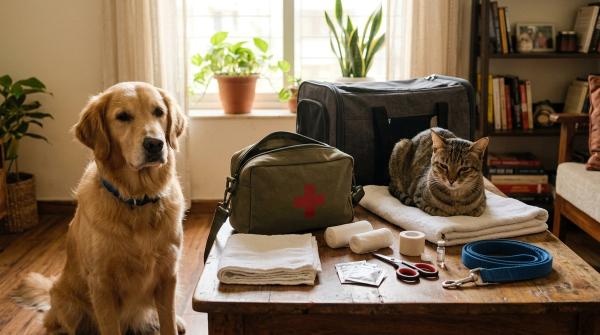
#Carry water, a travel bowl, poop bags, leash, ID, regular food, any vet-prescribed medication, a towel, wipes, and basic pet first-aid supplies.
8. Practice before a long trip
#Do not make your dog’s first restrained ride a full-day road trip. Start with short drives, reward calm behavior, and let your dog get used to the setup slowly.
Puppy Car Travel: What New Dog Parents Should Know
#Puppies are curious, wiggly, and often mouthy. That makes car travel a little more complicated.
For many puppies, a secured crate or carrier is easier and safer than a seat belt tether. Puppies may chew straps, climb forward, fall between seats, or get frightened by traffic sounds. A crate gives them a clear space and limits what they can get into.
Before a longer drive, help your puppy build positive car associations. Keep early rides short and calm. Use treats, gentle praise, and breaks when needed.
If your puppy drools heavily, vomits, cries nonstop, or seems very distressed in the car, speak to your vet. Motion sickness and travel anxiety are common, and you do not have to figure it out alone.
India-Aware Road Trip Notes for Pet Parents
#Dog car travel safety matters everywhere, but Indian roads can bring extra challenges: sudden speed breakers, potholes, two-wheelers cutting across, animals on the road, heat, long highway stretches, and crowded rest stops.
A few practical reminders:
- Prepare for sudden braking. A harness or secured crate matters even more when traffic is unpredictable.
- Use a hammock wisely. On bumpy roads, a back seat hammock can help stop your dog from sliding into the footwell, but it should still be paired with a harness.
- Watch the heat. If your dog is in a crate in the rear of an SUV or hatchback, make sure cool air actually reaches them.
- Plan safe breaks. Hold the leash before opening the door at a dhaba, petrol pump, toll-side stop, or highway rest area.
- Do not leave your dog in a parked car. Heat can build quickly inside a vehicle, even if the weather does not feel extreme.
Pet Safety and Vet Caution Notes
#A calm, comfortable dog is a safer travel companion. But comfort should never replace restraint.
Keep these cautions in mind:
- Do not attach a seat belt tether to a neck collar.
- Do not rely on a hammock as the only safety device.
- Do not let your dog ride loose in the front seat.
- Do not use damaged harnesses, cracked buckles, frayed straps, or bent crate hardware.
- Do not assume every “car safe” label means the product has been crash-tested.
- Do not give sedatives or travel medication unless your vet has advised it.
- If your dog has breathing issues, spinal problems, recent surgery, severe anxiety, or repeated car sickness, ask your vet about the safest travel setup.
The AVMA recommends proper restraint in vehicles using an appropriate harness, crate, or carrier, and encourages evidence-based crash testing for travel safety products.
What to Look for When Buying Dog Car Safety Gear
#When comparing products, look for:
- Clear sizing guidance based on weight and body measurements
- Strong stitching and hardware
- Wide, padded chest support for harnesses
- Short, controlled tether length
- Seat belt compatibility information
- Crash-test information from independent or evidence-based testing
- Clear installation instructions
- Good ventilation for crates and carriers
- Easy cleaning, especially for puppies or long trips
Be careful with vague claims like “safe for all cars” or “crash safe” if there is no proper testing information to back them up.
Final Recommendation
#Use a proper restraint every time your dog rides in the car.
For calm adult dogs, a well-fitted, crash-tested dog seat belt harness is often the most practical choice. For puppies, chewers, anxious dogs, or dogs who cannot settle, a secured dog car crate is usually better. A back seat dog hammock is great for comfort and cleanliness, but it should not be treated as crash protection on its own.
Good dog car safety is not about fear. It is about giving your dog a secure place to ride, so they can relax and you can focus on the road.