If you sleep hot, shopping for “cooling sheets” can get annoying fast.
Every brand seems to promise the same thing: breathable, moisture-wicking, temperature-regulating, cool-to-the-touch, icy, magic, life-changing. But most of the time, the real difference comes down to something much simpler:
What are the sheets actually made of?
For most hot sleepers:
- Linen is best if your bed feels stuffy and you want more airflow.
- Tencel lyocell is best if you wake up sweaty or damp.
- Cotton percale is the safest all-round choice if you want crisp, breathable sheets.
- Bamboo viscose or rayon is great if you want a silky, cool-to-touch feel, but it may not be the best if you sweat a lot.
The goal isn’t to find sheets that magically make your room cold. Sheets can’t do that. The goal is to find bedding that lets heat escape, doesn’t cling too much, and handles moisture better than thick or synthetic fabrics.
And when you’re awake at 2 a.m. flipping the pillow over for the fifth time, that can make a big difference.
Quick Summary
#- Maximum airflow: choose linen because it feels airy and lets heat escape.
- Help with night sweats: choose Tencel lyocell because it handles moisture well and feels smooth.
- Crisp, classic sheets: choose cotton percale because it is breathable, dry-feeling and easy to like.
- Silky, cool-to-touch sheets: choose bamboo viscose/rayon because it feels soft and cool when you first get into bed.
- Fewer bad purchases: avoid microfiber, heavy sateen and vague “ice silk” claims because they can trap heat or rely mostly on marketing.
The big rule: higher thread count does not automatically mean better sheets.
In fact, if you sleep hot, very high thread count sheets can feel too dense and warm. For cotton percale, something around 200 to 400 thread count is usually a better bet than those huge 800 or 1,000 thread count numbers.
Who This Guide Is For
#This guide is for you if you:
- Wake up hot, sweaty, or damp.
- Sleep in a warm or humid bedroom.
- Live somewhere hot for much of the year.
- Keep kicking the covers off, getting cold, then pulling them back on.
- Want better bedding but don’t want to fall for vague marketing claims.
- Are comparing cotton vs linen vs bamboo vs Tencel sheets and feel confused.
- Want the best sheets for hot sleepers without wasting money on the wrong set.
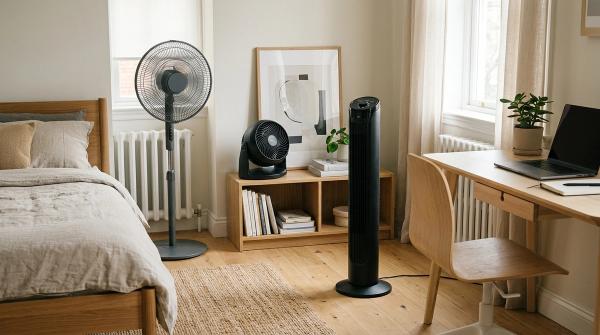
One thing to be clear about: cooling sheets do not cool your bedroom. They will not replace air conditioning, a fan, an open window, blackout curtains, or better airflow.
But good sheets can help your body feel less trapped under the covers. They can reduce that sticky, heavy, clammy feeling that makes sleep miserable.
Cotton vs Linen vs Bamboo vs Tencel: Which Is Best?
#There is no single best sheet for every hot sleeper. It depends on what bothers you most.
If your bed feels hot and stuffy, start with linen.
If you wake up sweaty, try Tencel lyocell.
If you want something crisp, familiar, and breathable, go with cotton percale.
If you want soft, silky sheets that feel cool when you first climb in, look at bamboo viscose or rayon.
Here’s how they compare in real life.
1. Cotton Percale Sheets
#Cotton can be excellent for hot sleepers, but the type of cotton sheet matters.
For cooling, you usually want cotton percale, not cotton sateen.
Percale has a simple one-over, one-under weave. That gives it a crisp, matte, breathable feel. Think of a fresh button-down shirt or classic hotel sheet. It feels clean and dry rather than silky or clingy.
Cotton percale is one of the easiest recommendations because it works for a lot of people. It’s breathable, familiar, durable, and not too strange if you’re used to regular cotton sheets.
It may not feel as airy as linen or as moisture-focused as Tencel, but it’s a very solid starting point.
Best for
#- People who like crisp, dry-feeling sheets.
- Hot sleepers who want a dependable all-rounder.
- Anyone who dislikes silky, clingy bedding.
- People who want breathable sheets that still feel classic.
Avoid if
#- You want a buttery, silky, drapey feel.
- You deal with heavy night sweats.
- You want sheets that feel cold the second you touch them.
What to check before buying cotton sheets
#Look for:
- Percale weave
- 100% cotton
- Thread count around 200 to 400
- A lightweight feel
Be careful with very high thread counts. A 1,000 thread count cotton sheet might sound luxurious, but for hot sleepers it can feel too dense and warm.
2. Linen Sheets
#Linen is made from flax, and it’s one of the best sheet fabrics for hot or humid rooms.
If your main complaint is, “my bed feels like it traps heat,” linen is probably the first fabric to consider. It has a naturally open, airy feel and doesn’t cling to the body the way some silky sheets can.
Linen is especially good if you sleep without air conditioning, live somewhere humid, or hate that sealed-in feeling under the covers.
The tradeoff is texture.
Linen is not usually smooth and polished right out of the package. It can feel a little rough, rumpled, or casual at first. It softens with washing and use, but not everyone wants to wait for that.
It also wrinkles. A lot.
Some people love the relaxed, lived-in look. Other people look at wrinkled linen and immediately regret their purchase.
Best for
#- Hot, humid bedrooms.
- People who want maximum airflow.
- Sleepers who hate sheets sticking to their body.
- Anyone who likes relaxed, natural-looking bedding.
Avoid if
#- You are sensitive to texture.
- You want smooth, silky sheets.
- Wrinkles bother you.
- You want bedding that feels soft and polished from the first night.
What to check before buying linen sheets
#Look for:
- 100% linen
- A decent return policy, especially if you’re new to linen
- Reviews that mention softness after washing
- Clear care instructions
If you’ve never slept on linen before, don’t replace every sheet set you own at once. Try one set first. Some people become linen people for life. Others miss the smoother feel of cotton, bamboo, or Tencel.
3. Bamboo Viscose or Bamboo Rayon Sheets
#Bamboo sheets are popular because they feel good.
They’re usually smooth, soft, drapey, and cool when you first touch them. If you hate crisp sheets and want something more silky, bamboo viscose or bamboo rayon may be exactly what you’re looking for.
But bamboo is not always the miracle solution for hot sleepers.
That cool-to-the-touch feeling can be lovely when you first get into bed. The issue is what happens later. If you sweat during the night, bamboo viscose may not always dry as quickly as you want. For some people, that can lead to a damp or clammy feeling by morning.
Also, “bamboo sheets” are usually not made from raw bamboo fibers in the way people imagine. Most are bamboo-derived viscose or rayon. That’s normal, but it’s still worth checking the label so you know what you’re buying.
Some bamboo sheets are also blended with polyester or other synthetics, which can change how breathable they feel.
Best for
#- Sleepers who want a silky, smooth texture.
- People who like sheets that feel cool at first touch.
- Anyone who finds cotton too crisp or linen too textured.
Avoid if
#- You sweat heavily at night.
- You dislike drapey sheets.
- You want the fastest-drying option.
- The label is vague or includes lots of polyester or microfiber.
What to check before buying bamboo sheets
#Look for:
- Bamboo viscose or bamboo rayon clearly listed
- Material percentages on the label
- No hidden microfiber-heavy blend
- Reviews from hot sleepers, not just reviews saying “so soft”
Bamboo can be wonderful, but don’t buy it just because a product page says “cooling.” Check the actual fabric.
4. Tencel Lyocell Sheets
#Tencel is a branded type of lyocell made from wood pulp, often eucalyptus. If you’re looking for sheets for night sweats, Tencel lyocell should be high on your list.
Its biggest strength is moisture management.
Tencel lyocell can help pull moisture away from the skin and reduce that sticky, damp-sheet feeling. That makes it a good option for sweaty sleepers, including people dealing with hormonal temperature changes, menopause, or perimenopause.
The feel is smooth, soft, and drapey. It does not feel crisp like percale or textured like linen.
Some people love that soft drape. Others feel like Tencel lies too close to the body. So if you already hate clingy sheets, pay attention to that.
Best for
#- Night sweats.
- Damp, sweaty sleep.
- People who want smooth sheets with good moisture handling.
- Sleepers who dislike linen’s rougher texture.
Avoid if
#- You want crisp hotel-style sheets.
- You dislike sheets that drape close to the body.
- You prefer airy texture over smooth softness.
What to check before buying Tencel sheets
#Look for:
- Tencel lyocell or 100% lyocell
- Clear fabric composition
- A smooth but not overly heavy feel
- Care instructions, since some lyocell sheets need gentler washing
If sweat is your biggest problem, Tencel is one of the best places to start.
Fabric Comparison at a Glance
#- Cotton percale: breathable and reliable, with a crisp, matte, dry feel. Best for everyday hot sleepers who want classic sheets. Main drawback: not as silky or moisture-focused as Tencel.
- Linen: excellent airflow, with a textured, airy, relaxed feel. Best for hot, humid rooms and people who hate trapped heat. Main drawback: can feel rough at first and wrinkles easily.
- Bamboo viscose/rayon: cool-to-touch feel, silky and drapey. Best for people who want softness and an instantly cool feel. Main drawback: may feel damp if you sweat heavily.
- Tencel lyocell: strong moisture management, smooth and soft. Best for night sweats and damp sleep. Main drawback: less crisp and may cling more than cotton or linen.
The Simple Buying Formula
#If you’re still unsure, use this:
- Hot room, not much sweating: choose linen.
- Sweaty body, damp sheets: choose Tencel lyocell.
- Warm sleeper who wants crisp sheets: choose cotton percale.
- Silky softness matters most: choose bamboo viscose or rayon.
- You hate texture and wrinkles: avoid linen.
- You hate clingy sheets: be careful with bamboo and Tencel.
- You want the safest first purchase: choose cotton percale.
You can also mix fabrics.
For example, you could use a Tencel fitted sheet to help with sweat where your body touches the mattress, then use a linen flat sheet or duvet cover for airflow on top. It sounds a little fussy, but it can work well if you need both moisture control and breathability.
What to Check Before Buying Cooling Sheets
#Don’t buy sheets just because the word “cooling” is in the product name. Bedding brands use that word very loosely.
Before you buy, check these details.
1. Fabric composition
#The fabric label matters more than the marketing name.
Look for clear wording like:
- 100% cotton
- 100% linen
- 100% lyocell
- Tencel lyocell
- Bamboo viscose
- Bamboo rayon
Be cautious with blends that include polyester, microfiber, or vague “performance” fibers if breathability is your main goal.
2. Weave
#For cotton sheets, weave matters a lot.
Choose:
- Percale for a crisp, breathable feel.
Be careful with:
- Sateen, which is usually smoother, heavier, and warmer-feeling.
- Thick, glossy cotton sheets if you already sleep hot.
Sateen can feel luxurious, but it often holds more warmth than percale.
3. Thread count
#For hot sleepers, more is not always better.
A very high thread count can mean the fabric is woven more tightly, which can reduce airflow. For cotton percale, 200 to 400 thread count is usually a good range.
Don’t let “1,000 thread count” impress you too much if you wake up sweaty every night.
4. Weight and thickness
#If the sheet feels heavy in your hands, it may feel heavy on your body.
For cooling bedding, you usually want:
- Lightweight fabric
- Airy construction
- No heavy brushed finish
- No thick, plush texture
This matters even more in humid rooms, where moisture can make bedding feel warmer and stickier.
5. Return policy
#Sheets are personal.
Texture, drape, softness, and warmth feel different to everyone. A fabric one person calls “buttery” might feel clingy to someone else. A linen sheet one person calls “relaxed” might feel scratchy to another.
If you’re trying linen, bamboo, or Tencel for the first time, a decent return policy helps. You may not know what you actually like until you sleep on the sheets for a few nights.
Best For and Avoid If: Quick Decision Guide
#Cotton percale
#Best for: crisp feel, everyday breathability, classic bedding.
Avoid if: you want silky softness or need the strongest help with night sweats.
Linen
#Best for: airflow, humid rooms, hot weather, non-clingy bedding.
Avoid if: you dislike texture, wrinkles, or a rumpled look.
Bamboo viscose or rayon
#Best for: silky softness and cool-to-touch comfort.
Avoid if: you sweat heavily or need sheets that dry quickly.
Tencel lyocell
#Best for: night sweats, damp sleep, smooth moisture-wicking sheets.
Avoid if: you want crisp sheets or dislike a close drape.
Mistakes to Avoid When Buying Cooling Bedding
#Mistake 1: Trusting the word “cooling” without checking the fabric
#“Cooling” is often just marketing. It does not always mean the sheets are breathable, moisture-wicking, or good for hot sleepers.
A sheet can be labeled “cooling” and still be made from dense synthetic fabric. Always check the material tag.
Mistake 2: Buying the highest thread count you can afford
#This is one of the most common bedding mistakes.
High thread count sounds premium, but hot sleepers usually need airflow more than density. A lower thread count cotton percale sheet can sleep cooler than a very high thread count cotton sheet.
Mistake 3: Choosing sateen when you really need percale
#Cotton sateen can feel smooth and luxurious, but it often sleeps warmer than cotton percale.
If you want breathable cotton sheets, especially for a warm room, percale is usually the better choice.
Mistake 4: Buying microfiber because it is cheap and soft
#Microfiber can feel soft at first, but it’s usually not the best choice for hot sleepers.
It’s synthetic and can trap heat more than breathable natural or cellulosic fabrics. If you wake up sweaty, microfiber sheets are probably not your friend.
Mistake 5: Falling for vague names like “ice silk” or “arctic cool”
#Terms like “ice silk,” “arctic chill,” and “cooling cloud” sound impressive, but they don’t tell you what the sheets are made from.
Sometimes these sheets feel cool when you touch them, then sleep warm later.
Before buying, look for the actual fiber content. If the brand hides it or uses vague language, be careful.
Mistake 6: Ignoring your bedroom
#Sheets matter, but your room matters too.
A sheet that feels great in a dry, air-conditioned bedroom may feel completely different in a humid room with poor airflow.
If your room is humid, prioritize:
- Linen for airflow
- Cotton percale for crisp breathability
- Tencel if sweat is the main issue
And if your room is hot and still, sheets can only do so much. A fan, cracked window, lighter blanket, or better airflow can make a bigger difference than people expect.
Final Recommendation
#If you want the safest starting point, buy cotton percale sheets under 400 thread count. They’re crisp, breathable, familiar, and easier to adjust to than linen, bamboo, or Tencel.
If your bedroom is humid and your bedding feels suffocating, choose linen.
If you wake up sweaty or damp, choose Tencel lyocell.
If you care most about silky softness and that cool first touch, choose bamboo viscose or rayon, but be careful if you sweat heavily.
The best cooling sheets are not the ones with the loudest claims. They’re the ones with the right fabric, the right weave, and enough breathability for your body and your bedroom.