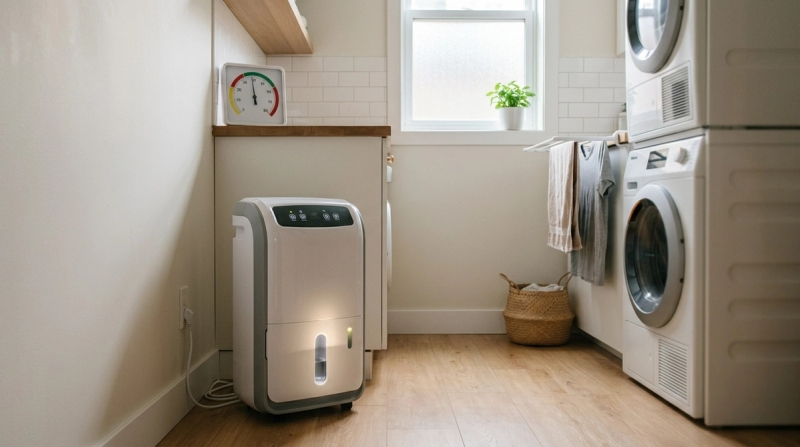
A dehumidifier is easy to ignore when it is working properly. It sits in the corner, hums away, pulls water from the air and quietly makes a damp room feel more comfortable.
Then one day the tank smells musty. Or the filter is packed with dust. Or the bucket fills up at the worst possible time. Or the room still feels damp even though the machine has been running for hours.
The fix is often simple: a little regular cleaning.
To maintain a dehumidifier, turn it off and unplug it first. Empty the tank whenever it fills, wash the tank about once a week, clean the reusable filter every two to four weeks and check the drain hose monthly if you use one. These small habits help the unit breathe properly, drain correctly and avoid stale water smells.
This guide is for everyday portable dehumidifiers used in basements, bedrooms, laundry areas, bathrooms, rented flats, studio apartments and damp rooms during rainy or monsoon seasons.
Safety First: Always Unplug Before Cleaning
#A dehumidifier deals with electricity and water, so do not skip the safety basics.
Before cleaning:
- Turn the unit off and unplug it. Do this before removing the tank, filter or drain hose.
- Do not spray water on the appliance body. Wipe it with a damp cloth instead.
- Keep water away from the control panel, plug, display and vents.
- Do not put a wet filter back into the unit. Let it dry completely first.
- Do not open the electrical housing. Routine maintenance does not require touching internal electrical parts.
- Place the unit on a flat, stable surface. This helps the tank sit correctly and lets water drain as it should.
If the power cord is damaged, the appliance keeps tripping power, the unit will not start or you suspect an internal fault, stop using it and contact a qualified technician.
Also, your owner’s manual always comes first. If your model has different instructions, follow those.
Dehumidifier Maintenance Schedule
#Here is a simple maintenance schedule you can follow during regular use.
In very damp weather, you may need to empty the tank or check the filter more often.
How to Clean the Dehumidifier Tank
#The tank, also called the bucket or reservoir, collects water from the air. Because that water sits inside the appliance, the tank can start smelling stale if it is not cleaned regularly.
1. Turn off and unplug the unit
#Even if you are only emptying the bucket, unplugging the unit is a good habit.
2. Remove the tank slowly
#Slide the tank out carefully and keep it level. Most spills happen when the bucket is tilted too quickly.
If your tank has a handle, use it. If it has a lid, float or splash guard, avoid forcing anything. Remove parts only if your manual says it is safe to do so.
3. Empty the water
#Pour the collected water into a sink, floor drain or toilet.
Do not leave old water sitting in the tank for days. Standing water is one of the main reasons a dehumidifier begins to smell musty.
4. Wash the tank weekly
#Use:
- Warm water
- Mild dish soap
- A soft sponge or cloth
Wipe the corners, seams and any reachable areas around the float. These spots often collect residue.
Avoid harsh scrubbing pads because they can scratch the plastic. Also avoid strong chemicals unless your manufacturer specifically recommends them.
5. Rinse and dry the outside
#Rinse away soap residue. Then wipe the outside of the tank before reinstalling it so water does not drip into places it should not.
6. Slide the tank back in properly
#Make sure the tank is fully seated. If it is slightly out of place, the unit may not run or may keep showing a “full bucket” warning even when the tank is empty.
How to Clean the Dehumidifier Filter
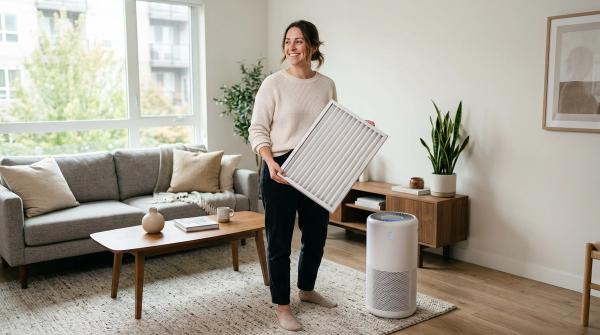
#The filter catches dust, lint and pet hair before air moves through the appliance. When it gets dirty, airflow drops. The dehumidifier may run longer, collect less water or struggle to keep the room comfortable.
1. Unplug the dehumidifier
#Always unplug the unit before removing the filter.
2. Find the filter
#On many portable dehumidifiers, the filter slides out from the back, side or behind the front grille.
Do not yank it. If it feels stuck, check the manual so you know which direction it should slide.
3. Check whether the filter is washable
#Not all filters are the same.
- Washable mesh filter: Rinse and reuse it.
- Disposable filter: Replace it instead of washing it.
- Damaged filter: Replace it if it is torn, bent or falling apart.
4. Rinse gently
#For a washable filter, rinse it under lukewarm tap water. If dust or lint is stuck, use a tiny amount of mild soap and gently rub it with your fingers.
Do not twist, crush or scrub the mesh hard. It can bend or tear.
5. Let the filter dry completely
#This is the step people often rush, but it matters.
Shake off extra water and let the filter air dry fully before putting it back. Do not reinstall it while damp.
Also, do not run the dehumidifier without the filter unless your owner’s manual clearly says it is allowed. The filter helps keep dust out of the inside of the appliance.
6. Reinstall the filter securely
#Slide the dry filter back into place. Close the grille or panel properly before plugging the unit in again.
How to Clean the Grilles and Exterior
#The grilles are the openings where air enters and exits the dehumidifier. When dust builds up there, airflow can suffer, especially in laundry rooms, pet areas or rooms with open windows during humid weather.
1. Unplug the unit
#Unplug before cleaning the outside of the appliance.
2. Vacuum the grilles
#Use a vacuum cleaner with a soft brush attachment. Gently clean the intake and exhaust grilles.
Do not push hard into the vents.
3. Wipe the exterior
#Use a soft cloth lightly dampened with water. Wipe the top, sides, handle and outer casing.
Do not spray cleaner directly onto the unit. Avoid dripping water into the control panel, display, plug area or vents.
4. Give the unit breathing room
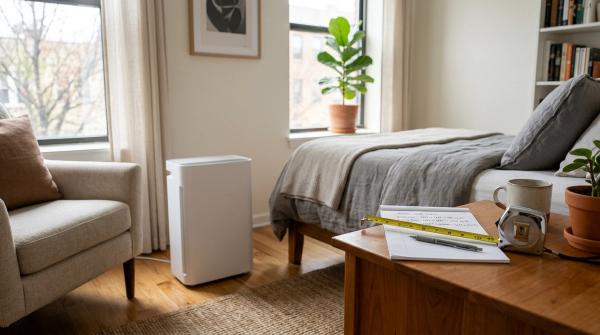
#Check the space around the dehumidifier. If it is pressed against a wall, curtain, sofa or storage box, move it.
A dehumidifier needs open airflow to work well. A few extra inches of space can make a noticeable difference.
How to Maintain a Dehumidifier Drain Hose
#A drain hose is helpful if your tank fills quickly or the unit runs for long hours. Instead of collecting water in the bucket, the hose sends water directly to a floor drain or another suitable drainage point.
But the hose has to be set up properly. A kink, clog or low dip can cause water to back up or leak.
1. Turn off and unplug the unit
#Unplug the dehumidifier before touching the hose connection.
2. Check the hose connection
#Make sure the hose is attached firmly to the drain outlet. A loose connection can cause water to leak around the appliance instead of flowing through the hose.
3. Make sure the hose slopes downward
#Most portable dehumidifier drain hoses rely on gravity. That means the hose should slope downward from the unit to the drain.
Avoid:
- Loops
- Kinks
- Dips
- Uphill sections
- Extra hose length curled on the floor
If water sits in a low spot, it can become stale, clog the hose or back up into the unit.
4. Flush the hose monthly
#If your model allows it, detach the hose and run clean water through it.
If water does not flow freely, the hose may be clogged. Clear it or replace it according to your manual’s instructions.
5. Keep the hose end clear
#The end of the hose should drain freely. Do not let it sit submerged in standing water.
6. Keep the unit level
#If the dehumidifier is tilted, water may not flow correctly into the tank or drain outlet. Place it on a firm, level surface.
What Humidity Should You Set a Dehumidifier To?
#You do not always need to run a dehumidifier at the lowest setting all day. That can waste energy and may make the room feel too dry.
The U.S. Environmental Protection Agency recommends keeping indoor humidity between 30% and 50%.
For many homes, the middle of that range is a comfortable starting point. Then you can adjust based on how the room feels and what your hygrometer shows.
Use a Hygrometer Instead of Guessing
#Many dehumidifiers have a built-in humidistat, but it measures humidity near the appliance. That reading may not represent the whole room.
A separate hygrometer gives you a better idea of the actual room humidity.
Place it:
- Away from the dehumidifier’s air outlet
- Away from direct sunlight
- Away from open windows or vents
- On a table, shelf or opposite side of the room
Check the reading:
- After the unit has been running for a while
- During heavy rain or humid weather
- When the room still feels damp
- After moving the dehumidifier
- When using continuous drainage
If humidity stays high, check the basics first: clean filter, empty tank, clear grilles, closed windows and proper hose slope.
Tips for Rainy Seasons, Basements and Apartments
#Some spaces make a dehumidifier work harder. Damp weather, lower floors and small apartments can all mean more frequent cleaning.
During heavy rain or monsoon weather
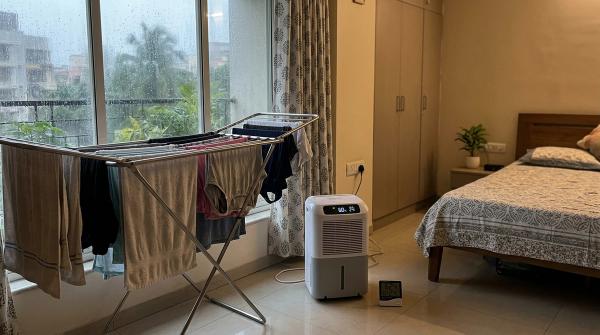
#In long wet seasons, the tank may fill much faster than usual. Check it daily, even if you normally empty it less often.
If the tank fills several times a day and your unit supports continuous drainage, a drain hose may be more convenient. Just make sure the hose slopes downward and does not become a tripping hazard.
In basements and low rooms
#Basements and below-grade rooms often feel cooler and damper. Keep up with weekly tank cleaning because stale water smells can develop quickly.
If you use a hose, make sure the unit is level and the hose drains downward. If you raise the dehumidifier to improve drainage, place it on something sturdy, flat and safe.
In apartments and rentals
#Small spaces can make placement tricky, but try not to squeeze the dehumidifier behind furniture or tight against a wall. Blocked airflow reduces performance.
If you empty the tank in a small bathroom or shared kitchen, carry it slowly and keep a towel nearby for drips.
If you use a drain hose, route it neatly so no one trips over it.
In laundry areas
#Laundry rooms can get humid fast. They also create lint, which can clog filters and grilles.
Check the filter more often if the unit sits near drying clothes, towels or fabric. Keep the grilles clear and do not let clothes block airflow.
End-of-Season Cleaning and Storage
#If you are not going to use the dehumidifier for a while, clean and dry it before storing it.
- Turn it off and unplug it.
- Empty the tank.
- Wash and dry the tank.
- Clean the filter and let it dry completely.
- Wipe the exterior.
- Detach and drain the hose, if you use one.
- Let all parts dry.
- Store the unit upright in a dry place.
Do not wrap a damp hose and place it inside the tank. Let everything dry first so you do not trap moisture and odors in storage.
Quick Dehumidifier Maintenance Checklist
#Use this short checklist when you just want the basics.
- Unplug the dehumidifier before cleaning.
- Empty the tank whenever it fills.
- Wash the tank weekly with mild soap and water.
- Clean the reusable filter every 2 to 4 weeks.
- Let the filter dry completely before reinstalling.
- Vacuum the grilles monthly with a soft brush attachment.
- Check the drain hose monthly for clogs, dips and kinks.
- Keep the hose sloping downward if using continuous drainage.
- Keep indoor humidity around 30% to 50%.
- Use a hygrometer to check the real room humidity.
- Do not attempt DIY electrical repairs.