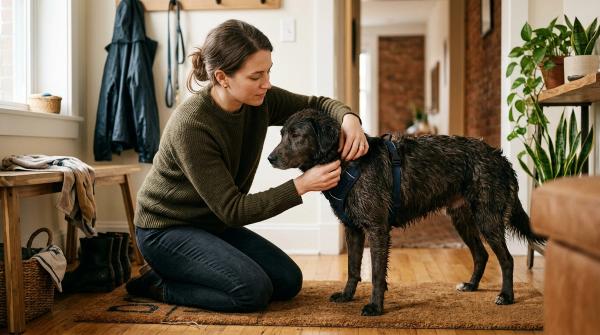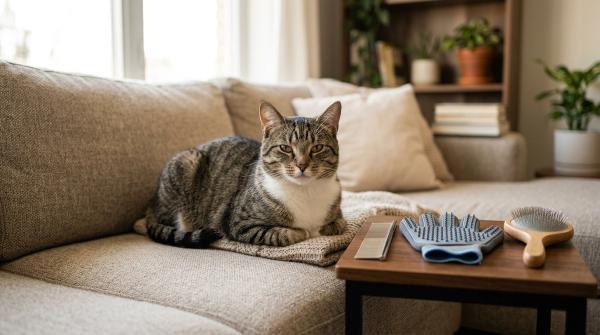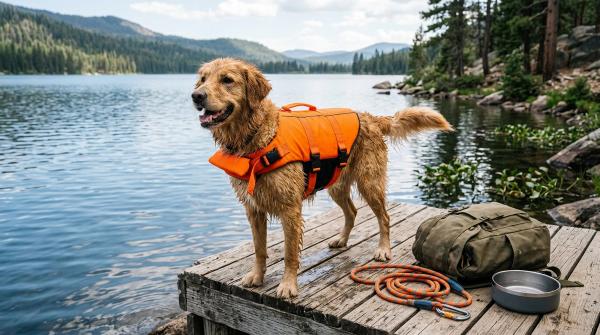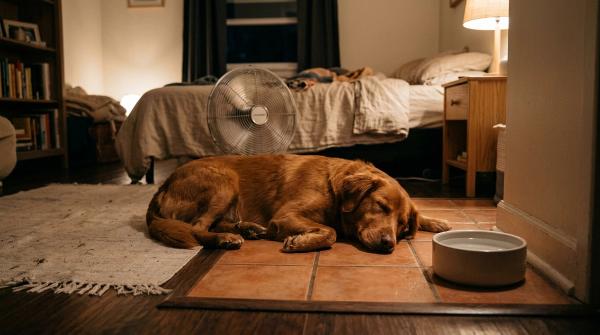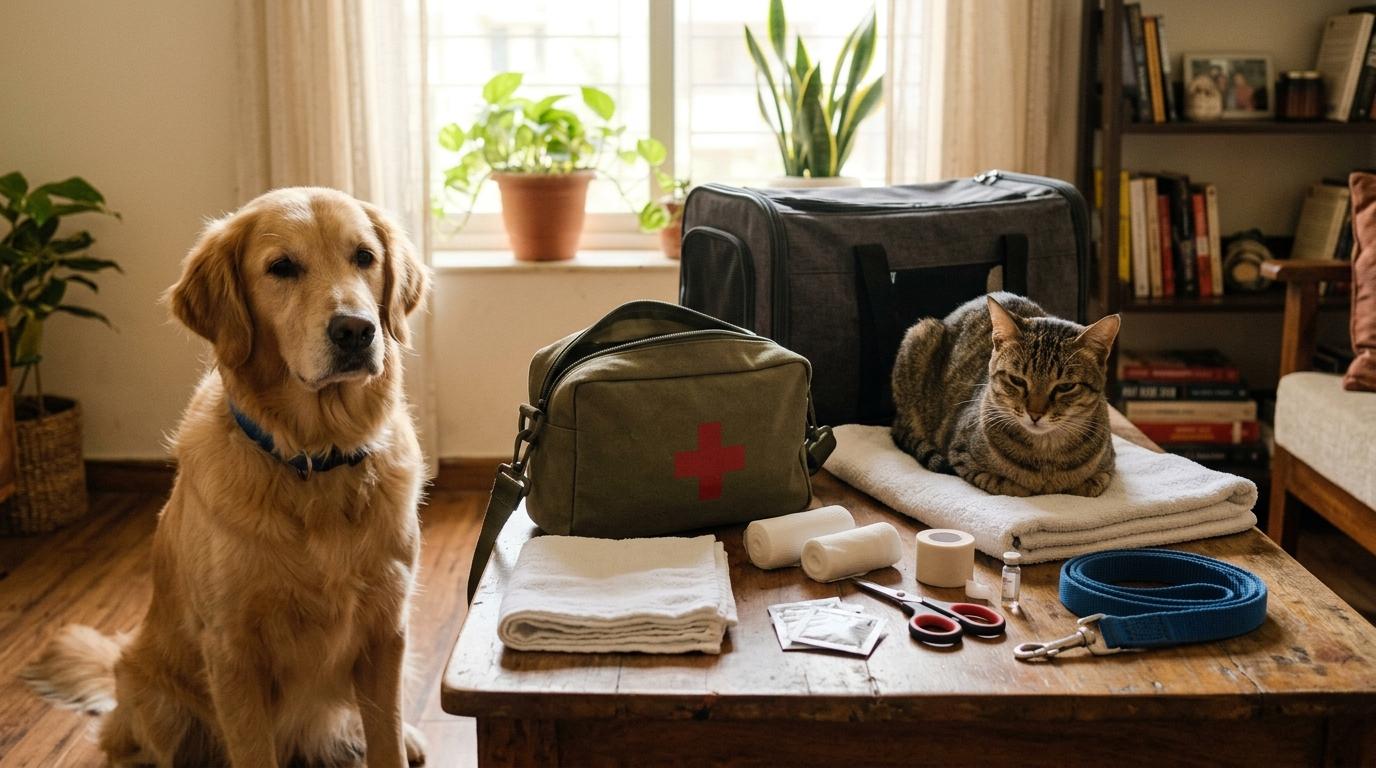
A pet first aid kit helps you stabilize your dog or cat for a short time while you call or travel to a veterinarian. For Indian homes, keep sterile gauze, pet-safe bandage tape, gloves, vet-recommended wound rinse, towels, a leash or carrier, emergency contacts, and medical records together in one waterproof box.
A good kit does not replace a vet. It simply reduces panic and helps you move faster when your pet is hurt, overheated, poisoned, frightened, or suddenly unwell.
Why a Pet First Aid Kit Matters at Home
#Most pet emergencies begin with ordinary moments: a wet balcony floor, broken glass near the sofa, a dropped medicine strip, a tick after a rainy walk, or a cat hiding after a fall.
A simple pet emergency kit India setup helps you:
- Stay calmer
- Handle small immediate needs safely
- Prevent avoidable delay
- Move your pet to the vet more smoothly
First aid is only a bridge between the incident and proper veterinary care. If your pet is bleeding heavily, struggling to breathe, collapsing, having seizures, overheated, poisoned, or behaving very strangely, call your veterinarian or an emergency clinic immediately.
Pet First Aid Kit Checklist for Indian Homes
#Keep pet supplies separate from your human first aid box. Many human medicines, antiseptics, creams, and painkillers are unsafe for dogs and cats. Cats are especially sensitive to common household products.
What Not to Keep in the Kit
#A dog first aid kit or cat first aid kit should not become a mini pharmacy. Avoid keeping or using:
- Human painkillers such as paracetamol, ibuprofen, aspirin, or similar medicines unless your vet directly instructs you
- Human cold, cough, sleep, stomach, or allergy medicines
- Strong household disinfectants
- Dettol, Savlon, phenyl, bleach, or floor cleaners for wounds
- Essential oils
- Herbal remedies not approved by your vet
- Old antibiotics or leftover prescriptions
- Expired ointments, ear drops, eye drops, or sprays
If your pet may have eaten something poisonous, call your veterinarian or an emergency clinic immediately. Do not try home remedies or force vomiting unless a vet instructs you.
Dog First Aid Kit vs Cat First Aid Kit
#The basic wound-care supplies are similar, but dogs and cats behave differently when frightened or hurt.
Dog first aid kit additions
#Add:
- Backup leash or slip lead
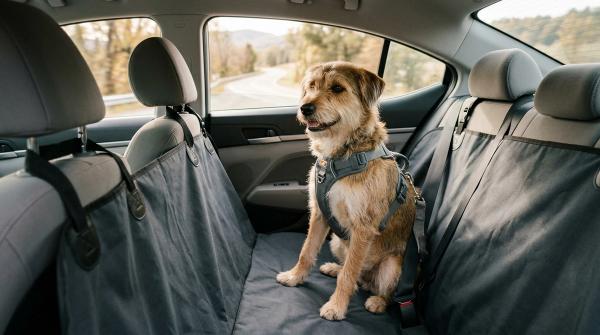
- Absorbent pads for car or cab travel
- Collapsible water bowl
- Recent full-body photo
- Soft muzzle only for safe situations
Even a gentle dog may bite when in pain. Never muzzle a dog that is vomiting, unconscious, overheated, struggling to breathe, or very weak.
Cat first aid kit additions
#Add:
- Thick towel for gentle wrapping
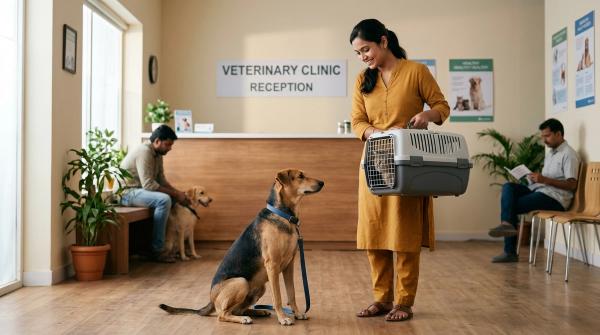
- Hard-sided carrier with working latch
- Carrier liner or absorbent pad
- Familiar cloth that smells like home
- Small disposable litter tray and litter pack for evacuation
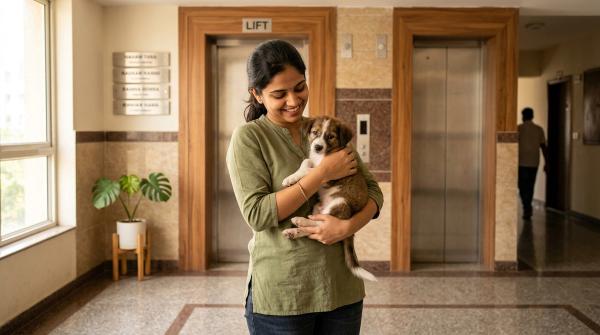
Do not carry a scared cat loose through a lift, staircase, parking area, or street. Even indoor cats can bolt when frightened.
India-Specific Prep: Monsoon, Heat, Power Cuts and Apartments
#A pet first aid kit in India should match daily life: flats, lifts, traffic, rain, heat, power cuts, and limited storage space.
Monsoon pet care prep
#During monsoon, keep these ready:
- Waterproof kit box or zip pouches
- Dry microfiber towel
- Extra absorbent pads
- Tick-removal tool
- Flashlight with batteries
- Records in a plastic sleeve
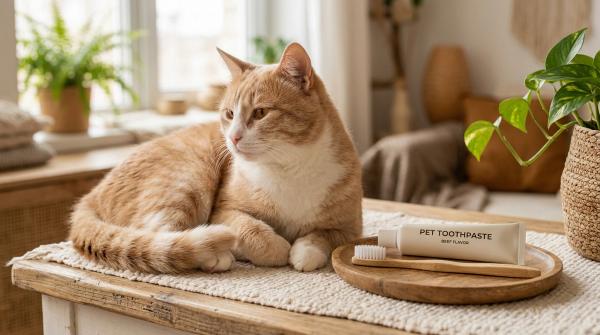
- Pet-safe wipes
- Backup leash or carrier strap
- Floor mat near the door to reduce slipping
Avoid letting pets walk through unknown floodwater, drains, dirty puddles, or waterlogged parking areas. There may be sharp objects, chemicals, sewage, or infection risks.
Heat and summer prep
#Heat can become dangerous quickly, especially for flat-faced breeds, senior pets, overweight pets, kittens, puppies, and pets with existing health issues.
Keep bottled water, a collapsible bowl, a clean towel, a charged phone, and your vet number clearly visible. If your pet is panting heavily, drooling unusually, weak, collapsing, vomiting, or confused in the heat, call your vet or emergency clinic immediately.
Apartment emergency prep
#Plan for practical problems:
- Lift not working
- Phone battery running low
- Cab refusal or delay
- Clinic travel delays
- Heavy rain and traffic
- Security gate delays
Save pet taxi numbers and know which neighbour or family member can help carry a carrier if needed.
Emergency Contacts to Keep in the Kit
#Keep a printed sheet with:
- Primary veterinarian
- Nearest 24/7 emergency clinic
- Backup clinic
- Pet taxi or pet-friendly transport
- Trusted neighbour or family member
- Building security desk
- Poison emergency guidance from your vet
- Your own name, address, and alternate phone number
Keep one copy in the kit, one near the main door, and one on your phone.
Pet Records to Keep in the Folder
#Keep copies of:
- Pet’s name, age, species, breed, sex, and weight if known
- Vaccination record and rabies details
- Deworming and tick-prevention history
- Current vet-prescribed medicines
- Known allergies or previous reactions
- Existing health conditions
- Past surgeries or major illnesses
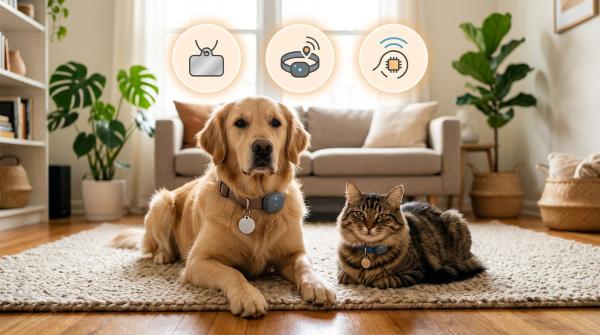
- Microchip number if applicable
- Recent clear photo
- Feeding notes for special diets
Update this folder whenever something important changes.
Carrier and Evacuation Checklist
#A first aid box is useful, but safe transport is just as important.
For cats, keep a hard-sided carrier, absorbent liner, towel, familiar cloth, and label with your phone number. For dogs, keep a leash, backup leash or slip lead, harness if used, towel or sheet, water bowl, and waste bags.
If you have both dogs and cats, store carriers and leashes in one known place. Nobody should be searching under beds or inside lofts during an emergency.
Where to Store the Kit
#Good places include a hall cupboard, near the main door, beside the pet carrier, or inside a labelled backpack.
Avoid bathroom shelves, balconies, kitchen corners, locked cupboards only one person can open, and deep storage lofts.
Tell everyone at home where the kit is. If you have a pet sitter, dog walker, or house help, show them the emergency contact sheet and carrier location too.
How Often to Check the Kit
#Review your pet safety checklist every six months, and also before summer, before monsoon, before travel, after moving house, after changing vets, or after using anything from the kit.
Replace expired wipes, damaged bandages, dead batteries, old records, broken thermometers, and rusty scissors. Also confirm whether your emergency clinic is still open at night.
Pet Travel Kit for Short Trips
#For vet visits, grooming appointments, boarding drop-offs, road trips, or family visits, pack a smaller pet travel kit:
- Gauze
- Cohesive bandage
- Vet-recommended wound rinse
- Gloves
- Towel
- Extra leash or carrier liner
- Water and bowl
- Waste bags
- Food for the day if needed
- Current medicines prescribed by your vet
- Vaccination copy
- Emergency contact sheet
- Recent photo
If your pet has a known medical condition, ask your vet what to carry before travel.
Simple Emergency Rule: Stabilize, Call, Transport
#When something goes wrong:
- Move your pet away from danger if it is safe
- Call your vet or emergency clinic
- Use the kit only to prevent further harm
- Transport your pet safely
- Do not give human medicine
- Do not delay veterinary care
First aid is support until a qualified veterinarian can take over.
Quick Recap
#A pet first aid kit helps you stabilize your dog or cat until you reach a veterinarian. Essentials include gauze, pet-safe bandage tape, gloves, wound rinse recommended by your vet, blunt scissors, tweezers, thermometer, flashlight, towels, leash, carrier items, emergency contacts, and medical records.
For cats, focus on carrier safety, towels, liners, and escape prevention. For dogs, keep leash backups, travel pads, a water bowl, and a soft muzzle only for safe situations. Serious symptoms such as breathing trouble, poisoning, collapse, seizures, heat stress, deep wounds, heavy bleeding, or sudden abnormal behaviour need urgent veterinary care.