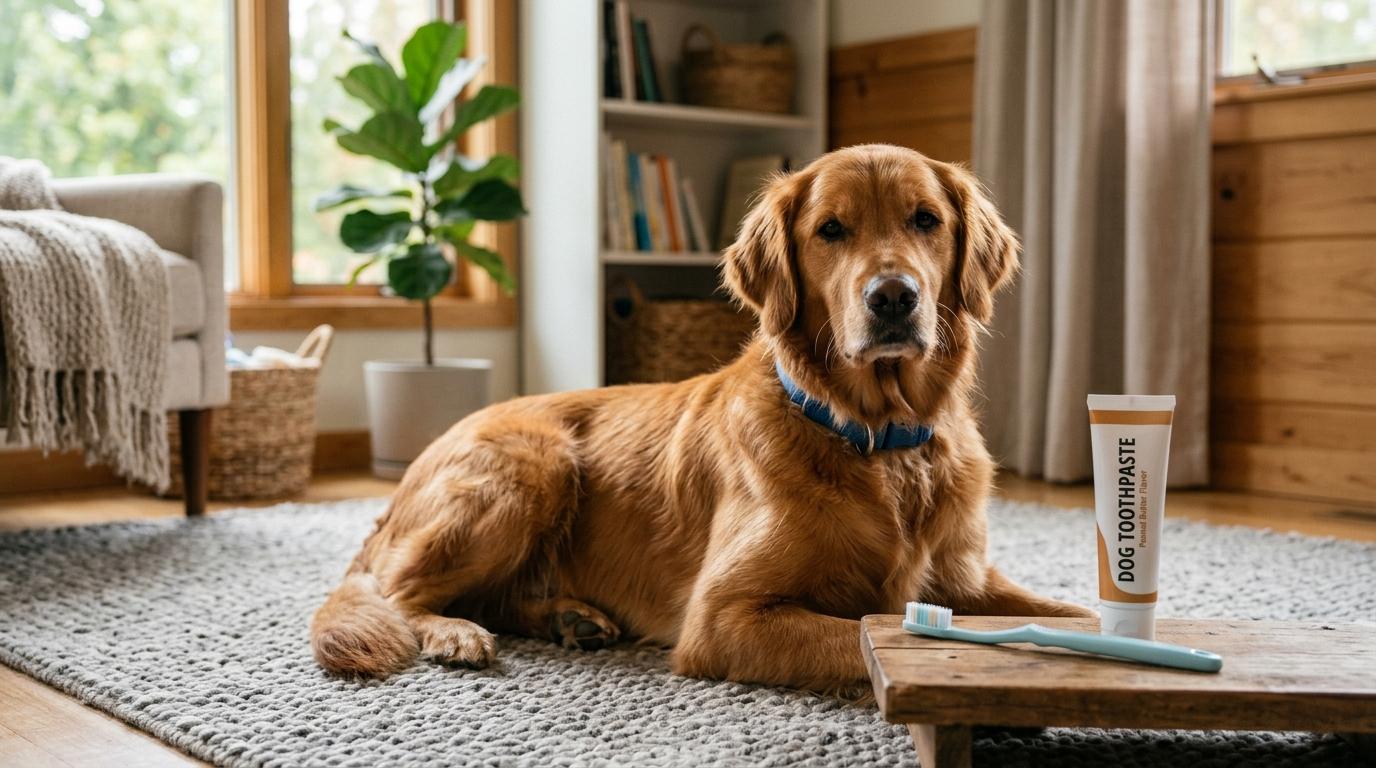
Good dog dental care at home does not have to be complicated. Most of it comes down to a few small habits: brushing your dog’s teeth with pet-safe toothpaste, using dental chews as support rather than a solution, watching for bad breath or gum changes, and making sure your dog gets a dental check with the vet at least once a year.
Brushing at home can help reduce soft plaque before it hardens. But it cannot remove hard tartar, and it cannot treat dental disease. If your dog has bleeding gums, loose teeth, pain while chewing, or breath that smells truly awful, that is not something to manage with a chew or spray. It is time to speak to a veterinarian.
For many dog parents, dental care becomes real the first time their dog yawns directly in their face.
A little “dog breath” may seem normal. But strong, foul breath is often one of the first signs that something may be going wrong in the mouth. Dental health is not just about clean teeth or a fresher-smelling dog. It is part of your dog’s overall health and comfort.
This guide keeps things practical: what you can do at home, what to avoid, when dental chews are helpful, and when your dog needs a proper vet visit.
Why dog dental care at home matters
#Plaque forms when bacteria build up on your dog’s teeth. At first, plaque is soft. Over time, minerals in saliva can harden it into tartar, also called calculus.
That difference is important:
- Soft plaque can often be reduced with regular brushing.
- Hardened tartar cannot be safely brushed off at home.
- Red gums, pain, loose teeth, swelling, or infection signs need veterinary attention.
Veterinary sources consistently treat dental health as part of overall pet health. The AVMA recommends that pets’ teeth and gums are checked by a veterinarian at least once a year, while AAHA guidance explains that professional dental cleaning, dental X-rays when needed, and daily home care all play different roles.
So, think of home dental care as daily maintenance. Your vet handles the medical side: dental exams, professional cleaning decisions, dental X-rays when needed, and treatment planning.
What you need for dog teeth brushing
#You do not need a fancy kit to start brushing your dog’s teeth.
You need:
- Dog toothpaste, also called pet toothpaste
- A dog toothbrush, finger brush, or another soft brushing option your dog accepts
- A calm time of day
- Patience
- Plenty of praise
Do not use human toothpaste
#Human toothpaste is not made for dogs to swallow. Some products may contain ingredients that are unsafe for dogs, including xylitol, which is dangerous for pets.
Always use toothpaste made specifically for dogs or pets.
Dog toothpaste also tends to come in flavours dogs are more likely to accept, such as poultry-style or other pet-friendly flavours. That can make the whole thing feel less like a chore and more like a tiny routine your dog slowly gets used to.
Step-by-step dog teeth brushing routine
#If your dog has never had their teeth brushed before, do not start by pushing a toothbrush into their mouth.
That is the fastest way to make your dog suspicious of the brush, the toothpaste, and possibly you.
Go slowly. Build trust first.
Step 1: Let your dog taste the toothpaste
#Put a small dab of dog toothpaste on your finger and let your dog lick it.
That is all.
Do not lift the lip yet. Do not brush yet. Just let your dog learn that the taste is safe and familiar.
Praise them calmly and keep it short.
Step 2: Touch around the mouth
#Once your dog accepts the toothpaste, gently touch the outside of their mouth and lips for a few seconds.
If they pull away, stop and try again later. This is not a test. You are simply helping your dog feel comfortable with mouth handling.
This step is especially useful for newly adopted dogs or dogs living in apartments, where they may already be adjusting to lifts, traffic, neighbours, new sounds, and a new routine.
Step 3: Lift the lip gently
#When your dog seems comfortable, gently lift the upper lip so you can see the outer surface of the teeth.
You do not need to force the mouth open. Start with the front side teeth or canine area if your dog allows it.
Keep the session short. End before your dog gets annoyed.
Step 4: Rub with your finger or gauze
#Before introducing a toothbrush, you can gently rub the outer tooth surfaces with your finger or soft gauze and a little pet toothpaste.
Focus on the outside of the teeth, the side facing the cheeks. Many dogs tolerate this much better than having their mouth opened wide.
Step 5: Introduce the toothbrush
#Bring in the dog toothbrush only after your dog accepts the earlier steps.
Use gentle circular motions on the outer surfaces of the teeth. Pay attention to the gumline, but do not scrub hard.
Do not worry if you only manage a few teeth at first. A calm 20-second session is far better than a stressful fight.
Step 6: Build toward a regular routine
#Daily brushing with pet toothpaste is the ideal home-care goal because plaque keeps forming.
But if daily brushing is not realistic right away, that is okay. Start where you can.
A routine your dog accepts is much more useful than a “perfect” plan that collapses after three days.
Where to focus when brushing
#You do not need to brush every tiny surface perfectly, especially in the beginning.
Start with:
- Outer surfaces of the teeth
- Upper canine teeth
- Back chewing teeth
- The gumline area, gently
Avoid:
- Forcing your dog’s jaws open
- Scrubbing hard
- Brushing painful, bleeding, or swollen areas
- Using metal tools at home
- Continuing if your dog is distressed or may bite
If your dog shows pain, bleeding, swelling, or sudden resistance, stop and contact your vet.
Dental chews vs brushing: what works better?
#Dental chews for dogs can be useful, but they are not the same as brushing.
Chews may help with some mechanical scraping while your dog gnaws. They can also keep dogs busy and satisfied for a while. But they do not reliably clean every tooth, and they usually do not clean the gumline as well as a toothbrush.
The best answer is usually not “brushing or chews.” It is brushing as the foundation, with dental chews as support if they are safe and suitable for your dog.
For puppies, senior dogs, flat-faced breeds, dogs with missing teeth, or dogs who swallow treats whole, ask your vet before relying on dental chews.
How to choose dental chews safely
#Keep it simple and cautious.
Look for chews that are:
- Suitable for your dog’s size
- Not so hard that they could damage teeth
- Used under supervision
- Chewed properly, not gulped whole
- Part of a wider dental routine, not the entire plan
Avoid very hard objects that could crack or damage teeth. If your dog has dental pain, broken teeth, bleeding gums, or trouble chewing, skip chews until your vet checks the mouth.
Dog bad breath: when is it a warning sign?
#Mild mouth odour can happen, especially after meals. But strong, persistent dog bad breath should not be ignored.
Bad breath alone does not tell you exactly what the problem is, so do not try to diagnose it at home.
Think of bad breath as a clue. If it keeps happening or appears with other symptoms, call your vet.
Bad breath warning signs
#Book a vet check if your dog has:
- Strong, foul, or worsening breath
- Breath that smells unusual and does not improve
- More drooling than usual
- Pawing at the mouth
- Chewing on one side
- Dropping food
- Refusing hard food or treats
- Sudden dislike of face or mouth handling
Do not use breath fresheners, home remedies, or human mouth products instead of veterinary care. They may only hide the smell while the real problem gets worse.
Dog gum disease signs to watch for
#You do not need to be a dental expert. You just need to know what looks unusual.
Common dog gum disease signs and mouth warning signs include:
- Red gums
- Swollen gums
- Bleeding gums
- Brown or yellow buildup near the gumline
- Loose teeth
- Broken teeth
- Discoloured teeth
- Receding gums
- Pain while chewing
- Head-shyness or irritability
- Blood on toys, chews, or food bowls
If you see these signs, do not scrape, pick, or brush aggressively. A dog in pain may react defensively, even if they are normally gentle.
When to see the vet for dental care
#Your dog should have a regular dental check as part of veterinary care, and many veterinary organizations recommend at least yearly teeth and gum checks.
That yearly check matters even if you brush at home. Dogs can have dental problems below the gumline where you cannot see them. Some issues only become clear during a proper veterinary dental assessment.
Book a vet visit sooner if you notice:
#- Strong or persistent bad breath
- Red, swollen, or bleeding gums
- Loose or broken teeth
- Heavy tartar buildup
- Trouble chewing
- Drooling, pawing at the mouth, or food dropping
- Sudden behaviour changes linked to the mouth or face
- Any sign that your dog is in pain
For new dog parents in India, this is especially useful after adoption or rescue. If you do not know your dog’s dental history, ask your vet to check the mouth during the first health visit.
What happens during a vet dental cleaning?
#A vet dental cleaning is not the same as brushing at home or a quick surface clean by a groomer.
Professional veterinary dental care may include a full mouth exam, cleaning below the gumline, dental X-rays when indicated, and anesthesia so the veterinary team can clean safely and thoroughly.
This is why home brushing and professional care do different jobs:
- Home brushing helps reduce soft plaque before it hardens.
- Vet dental cleaning allows proper cleaning and assessment when professional care is needed.
- Dental X-rays help vets evaluate hidden areas when indicated.
- Treatment decisions must come from a veterinarian.
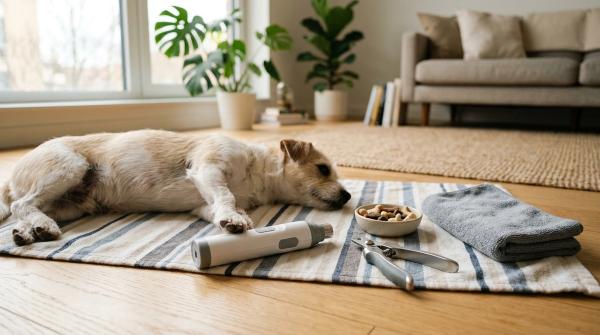
Do not try to scale your dog’s teeth at home with metal tools. It can injure the gums, damage tooth surfaces, cause pain, and delay proper veterinary care.
A realistic weekly routine for busy dog parents
#If you are juggling work, cooking, traffic, family, and a dog in an apartment, dental care can feel like one more thing on the list.
So keep it small.
Try this rhythm:
- Keep the dog toothpaste and brush in one easy-to-reach place.
- Brush at the same time each day if possible.
- Pair brushing with something your dog already expects, like the evening walk routine.
- Keep sessions short.
- Use praise, not pressure.
- Use dental chews only as support, and only if they are safe for your dog.
- Check the mouth casually during grooming or cuddle time.
- Keep the yearly vet dental check on your calendar.
Small consistency beats occasional intensity. It really does.
What not to do at home
#Safe dog dental care at home also means knowing the limits.
Avoid:
- Human toothpaste
- Human mouthwash
- Baking soda mixtures
- Essential oils
- Hard scraping tools
- Forcing the mouth open
- Brushing over painful or bleeding gums
- Ignoring bad breath because “dogs just smell like that”
- Replacing vet checks with chews, sprays, or home remedies
Home care is prevention and support. It is not diagnosis, treatment, or a replacement for veterinary dental care.
Quick home dental care checklist
#Use this simple checklist:
- I use only dog toothpaste or pet toothpaste.
- I brush gently and focus on the outer tooth surfaces.
- I try to build toward daily brushing.
- I do not use human dental products.
- I do not scrape tartar at home.
- I watch for bad breath, red gums, bleeding, loose teeth, and chewing changes.
- I use dental chews only as a supplement.
- I schedule a veterinary teeth and gum check at least once a year.
- I call the vet sooner if my dog seems painful or uncomfortable.