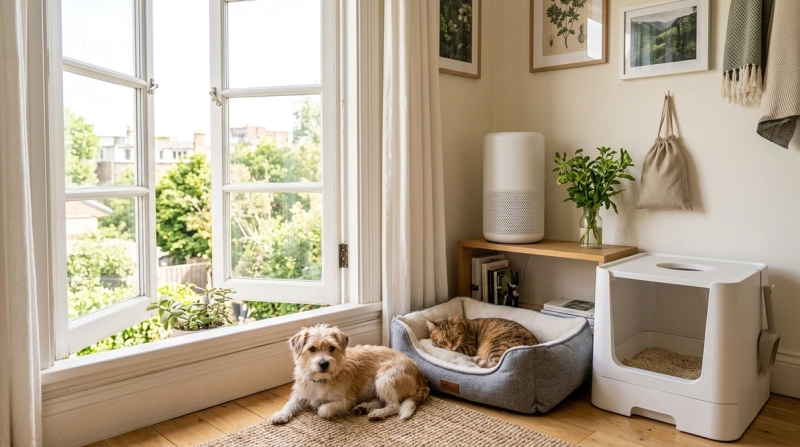
The safest pet-safe air fresheners are usually unscented odor-control methods, not strong perfumes. Clean the odor source, dry damp pet bedding, improve airflow, use charcoal odor absorbers, clean accidents with enzymatic cleaners, and consider an air purifier with activated carbon. Be cautious with sprays, plug-ins, reed diffusers, liquid potpourri, and essential oil diffusers, especially in homes with cats.
What “pet-safe” really means
#“Pet-safe” should not mean “has a paw print on the bottle.” It should mean the product or method removes, absorbs, filters, or cleans odor without leaving harsh residue or exposing pets to strong fragrance.
A safer odor-control product or method should usually do at least one of these things:
- Remove the odor source.
- Absorb smells without releasing heavy fragrance.
- Filter the air without adding chemicals or perfume.
- Clean pet messes without leaving harsh residue.
- Stay safely out of reach of pets.
- Come with clear directions that you actually follow.
Veterinary and poison-control guidance advises caution with essential oils, diffusers, and liquid potpourri around pets, especially cats. Do not assume “natural” means safe.
Why pet odor gets worse in apartments and humid weather
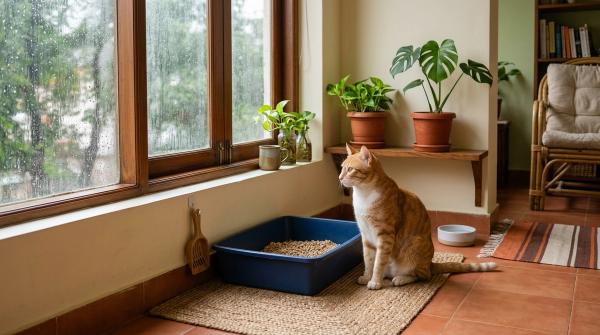
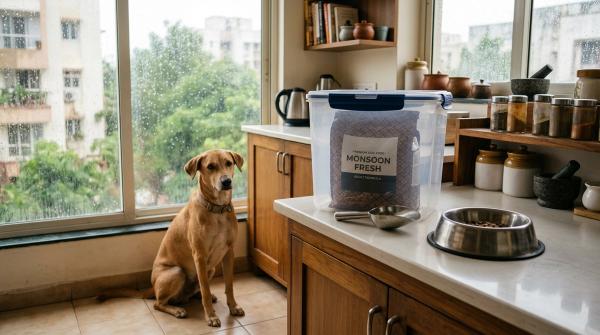
#Small apartments hold smells. Humidity makes those smells stronger. During monsoon, rainy weeks, or any damp season, wet dog coats, litter trays, damp pet beds, bathroom corners, closed windows, collars, leashes and rugs can all trap odor.
This is why perfume sprays often disappoint. They may cover the smell for a few minutes, but the damp towel, dirty litter tray, or old accident spot is still there.
A better odor-control plan is simple:
- Remove the source.
- Dry the area.
- Absorb or filter what remains.
- Add scent only if needed, and only with care.
Pet-safe air freshener and odor-control comparison
#The safest odor-control order
#1. Clean the source first
#If something smells bad, ask where the smell is actually coming from.
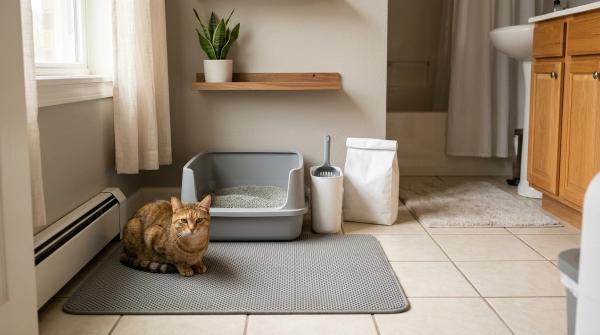
For litter smell:
- Scoop at least once daily.
- Scoop twice daily during humid weather if odor builds up.
- Wash the litter tray regularly with mild soap and water.
- Dry the tray fully before adding fresh litter.
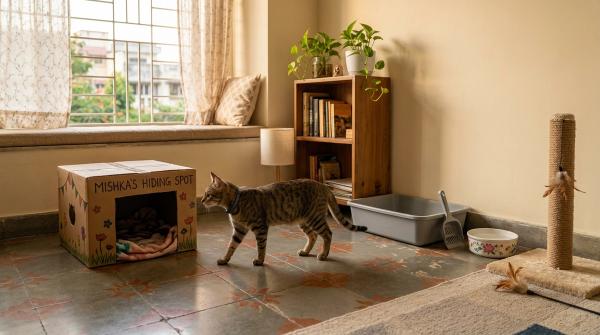
- Keep the litter area ventilated.
- Do not rely only on scented litter to hide odor.
For dog smell:
- Towel-dry your dog after rainy walks.
- Wipe paws and underbelly with a pet-safe unscented wipe if needed.
- Wash and fully dry dog towels, beds and mats.
- Do not leave damp collars, harnesses or raincoats in a closed corner.
- If your dog smells bad even after normal cleaning, ask your vet to check for skin, ear, dental or anal gland issues.
For accident smells:
- Use an enzymatic cleaner made for pet messes.
- Let it sit for the time mentioned on the label.
- Keep pets away until the surface is dry.
- Repeat if needed instead of spraying perfume over the area.
2. Dry the room
#Odor loves moisture. In humid apartments, drying is part of odor control.
- Open windows when outdoor air and weather allow.
- Run bathroom and kitchen exhaust fans.
- Use a dehumidifier if you can place it safely.
- Keep pet beds away from damp walls.
- Do not put washed pet blankets back until fully dry.
- Sun-dry washable items when possible.
- Keep wet shoes, leashes, collars and towels in airflow, not trapped in a cupboard.
3. Absorb odor passively
#Good passive options include bamboo charcoal bags near litter boxes or dog beds, baking soda in a secure pet-inaccessible spot, activated carbon filters in an air purifier, washable cotton covers on pet bedding, and regular vacuuming around sofas, rugs, corners and curtains.
These options do not make your home smell like roses or sandalwood. That is the point. They reduce odor without filling the air with fragrance.
4. Filter the air
#A HEPA air purifier with an activated carbon filter can help in a small apartment, especially if the litter box, dog bed or pet crate is in your bedroom or living room. HEPA helps with particles such as dust and dander. Activated carbon helps with odors.
Choose a purifier sized for your room, place it where airflow is not blocked, clean pre-filters if needed, and replace filters on schedule.
5. Add scent only if needed
#If your home still needs a little scent, keep it light and occasional.
- Use fragrance rarely, not all day.
- Keep pets out of the room while spraying.
- Ventilate the room.
- Let surfaces dry before pets return.
- Never spray directly on pets.
- Do not spray bedding, litter, bowls, toys, scratching posts or crates.
- Avoid essential oils unless your veterinarian has clearly guided you.
For cat homes, the best air freshener safe for cats is usually unscented odor absorption, cleaning, airflow and filtration. For dog homes, a dog-safe air freshener should still be mild, limited and used away from beds, crates, bowls and faces.
Cat safety: why extra caution matters
#Cats are not small dogs. A cat may be exposed by breathing scented mist, walking over sprayed floors, grooming droplets from fur, licking spilled diffuser liquid, sleeping near a plug-in, rubbing against treated furniture, or sitting near scented gels and liquids for hours.
Be especially cautious with essential oil diffusers, tea tree oil, eucalyptus oil, citrus oils, pine oil, peppermint oil, wintergreen oil, clove oil, pennyroyal oil, liquid potpourri, plug-ins in closed rooms, aerosol sprays and scented litter additives.
If you want an air freshener safe for cats, choose the least scented option that solves the problem.
Dog safety: strong scent is not comfort
#Dogs may tolerate some household smells better than cats, but that does not mean strong fragrance is comfortable for them. A scent that feels fresh to you may feel overwhelming to your dog, especially in a closed apartment.
Watch for signs of irritation after using scented products, such as sneezing, coughing, watery eyes, drooling, pawing at the face, vomiting, lethargy or trouble breathing. These signs do not prove the product caused the problem, but if symptoms show up after exposure, move your pet to fresh air if safe and contact your vet or an animal poison helpline.
A dog-safe air freshener should never be sprayed on your dog. Also, do not use fragrance to hide a strong smell coming from your dog’s skin, ears, mouth or rear area. If the smell keeps coming back, book a vet check.
India apartment and monsoon odor checklist
#Daily
#- Scoop the litter box.
- Tie and remove litter waste promptly.
- Wipe wet paws after walks.
- Towel-dry wet dogs.
- Open windows or run exhaust fans when possible.
- Check pet bedding for damp smell.
- Keep food bowls clean and dry.
- Hang wet towels instead of leaving them in a pile.
Twice weekly or as needed
#- Wash pet towels and bedding.
- Clean around the litter box.
- Vacuum fur from rugs, sofas and corners.
- Wipe crate trays, mats and feeding areas.
- Refresh or sun-dry washable items when weather allows.
- Wash muddy paw cloths before they start smelling strange.
Weekly
#- Wash the litter tray with mild soap and water.
- Dry the tray fully before adding fresh litter.
- Check charcoal bags and replace or refresh as directed.
- Clean air purifier pre-filters if your model needs it.
- Inspect hidden damp spots behind beds, curtains, shoe racks and storage boxes.
Avoid during monsoon humidity
#- Do not cover damp smell with heavy perfume.
- Do not keep wet pet towels in a closed bucket.
- Do not place plug-ins near litter boxes or pet beds.
- Do not run essential oil diffusers around cats.
- Do not leave scented liquids where pets can knock them over.
- Do not ignore a smell that keeps returning from one exact spot.
Buying guide: what to check before choosing a pet safe room freshener
#Before buying a pet safe room freshener, read the back label, not just the front.
Prefer products that say unscented or low fragrance, pet odor enzymatic cleaner, clear use directions for homes with pets, non-aerosol if you need a spray, activated carbon or charcoal odor absorption, clear ingredient information, and keep pets away until dry for cleaners or sprays.
Be cautious with labels that say continuous release, long-lasting intense fragrance, essential oil blend, aromatherapy for pets, natural fragrance with no clear ingredient list, liquid potpourri, scent booster, or deodorizing crystals and powders that pets can lick.
Avoid loose claims like “chemical-free,” “100% safe for all pets,” “vet-inspired” without real directions, “natural, so safe,” “safe essential oils for cats” without veterinary guidance, or “pet approved” with no explanation.
Safer setup ideas for common apartment odor zones
#Litter box in the bathroom
#Scoop daily or twice daily, run the exhaust fan, keep a charcoal bag nearby but not inside the box, avoid scented sprays in the same closed bathroom, and wash and dry the tray regularly.
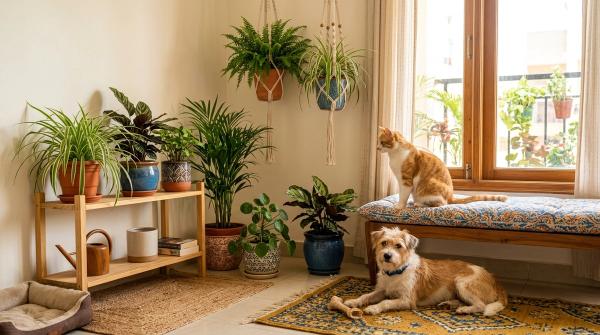
Dog bed in the living room
#Use a washable cover, keep the bed away from damp walls, vacuum nearby corners, place charcoal nearby out of chewing reach, and wash bedding before the smell becomes strong.
Shoe rack and leash area
#Dry leashes, collars and harnesses after rain. Do not store damp walking gear in a closed cabinet. Use charcoal bags for passive odor control and wash muddy paw towels often.
Bedroom shared with pets
#Avoid plug-ins near the bed. Avoid diffusers while pets sleep in the room. Use an air purifier if needed, wash sheets and pet blankets regularly, and skip heavy fragrance.
What about fabric refresher sprays?
#Some specific fabric refresher products have been discussed by pet safety organizations as generally safe when used exactly according to label directions, including letting treated surfaces dry before pets return. But that does not mean every spray, aerosol, deodorizer or “pet freshener” is automatically safe.
If you use any fabric spray, read the label, use it lightly, keep pets away while spraying, let the surface dry fully, and never spray cats, dogs, toys, bowls, litter, crates or scratching posts.
Common mistakes pet parents make with air fresheners
#Using scent before cleaning
#If the odor source is still there, fragrance will only hide it briefly. Clean first. Add scent later only if needed.
Spraying near the litter box
#Cats may avoid the litter box if it suddenly smells too strong or strange. That can create a bigger problem than odor.
Running plug-ins all day in a closed room
#Continuous scent exposure can be too much for pets, especially if they sleep near it.
Assuming essential oils are safe because they are natural
#Natural does not always mean safe. This is especially true for cats.
Forgetting damp fabric
#A clean blanket that never fully dries can smell worse than a dirty one. During monsoon, drying is everything.
Final takeaway
#The best pet-safe air fresheners do not fight pet odor with stronger perfume. They deal with the real cause. Clean the mess, dry the dampness, absorb odor, filter the air and use fragrance only with care. Be extra cautious with cats, plug-ins, essential oils, reed diffusers and scented liquids.
A fresh-smelling home is nice. A safe, breathable home for your pets is better.
Disclaimer: This article by AllBlogs is for general information only. It does not diagnose, treat, or replace veterinary advice. If your pet has symptoms after exposure to any fragrance, essential oil, diffuser, cleaning product, or air freshener, contact your veterinarian or an animal poison helpline immediately.