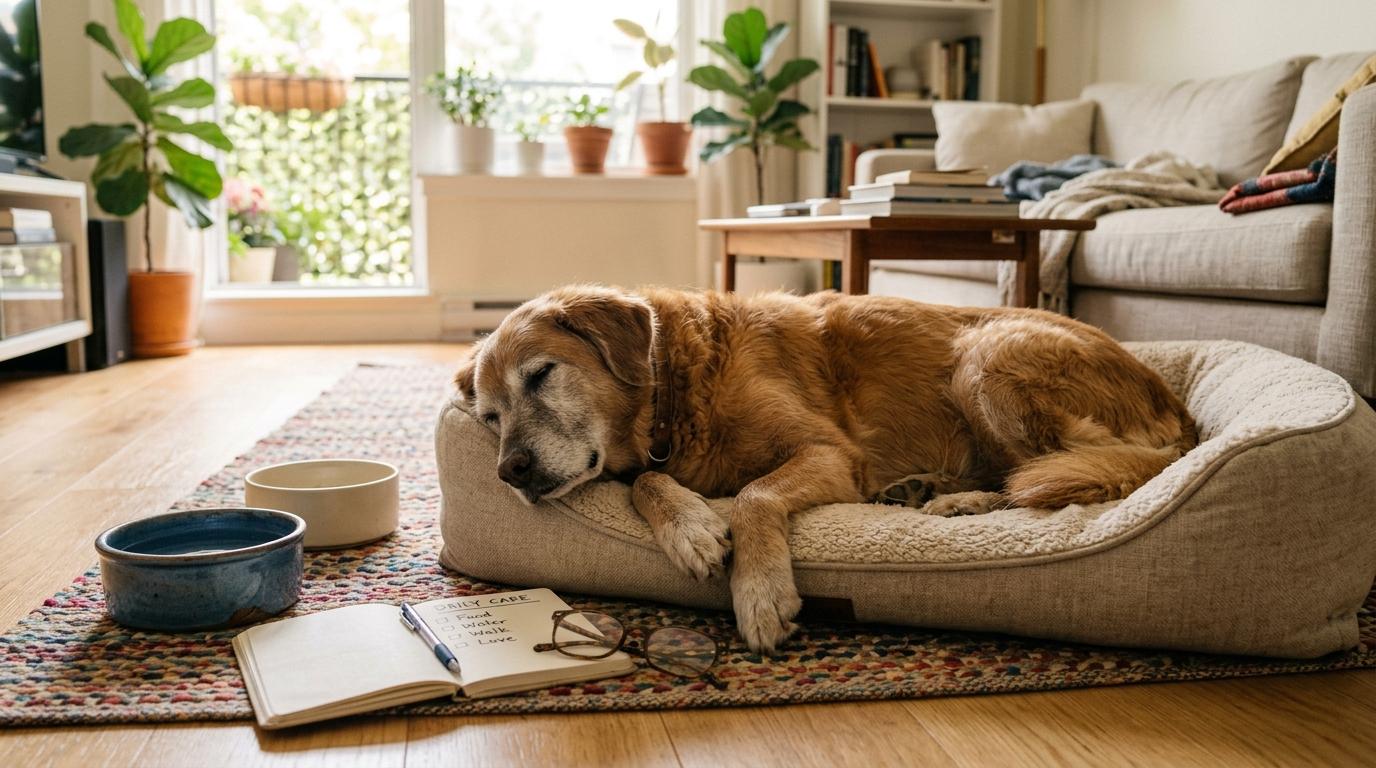
Senior dog care means noticing daily changes early and making life easier: regular vet checkups, measured food, gentle exercise, safer floors, dental care, grooming, mental enrichment and a calm home routine. This checklist helps you support an older dog without guessing or replacing veterinary advice.
Watching a dog grow old is a very tender thing. One day they are racing ahead on walks, jumping onto the sofa before you can say no, and acting like the whole world exists for their entertainment. Then, slowly, you notice small changes. They sleep a little longer. They take a moment before standing up. They hesitate near the stairs. Their face gets softer, greyer and wiser.
A good senior dog care checklist is not about suddenly changing everything in your dog’s life. It is about paying closer attention. It is about making everyday things easier, safer and more comfortable for them.
Senior dogs often need more regular vet visits, steady weight management, gentle exercise, safer floors, dental care, grooming, mental stimulation and a calm routine at home. Some dogs age very quietly. Others show clear changes in movement, sleep, appetite, mood or bathroom habits.
Either way, noticing these changes early can make a big difference.
Please speak with your veterinarian before changing your dog’s food, exercise routine, supplements, pain care, medicines or anything related to ongoing health problems.
Veterinary care disclaimer: This guide is for general education only. It does not diagnose health problems, prescribe treatment, suggest medicine dosages or replace your veterinarian’s advice. Aging is not a disease, but older dogs can develop health changes that need proper care. Always ask your vet about diet changes, pain signs, unusual behavior, mobility issues, dental problems and chronic conditions.
When Is a Dog Considered Senior?
#There is no single birthday where a dog suddenly becomes “old.” A dog’s senior years depend on their size, breed, lifestyle, health history and genetics.
As a rough guide, many dogs are considered senior when they enter the later part of their expected lifespan.
You may start noticing signs such as grey hair around the muzzle, longer naps, slower walks, stiffness after sleeping, less interest in jumping, changes in appetite, more bathroom accidents, confusion or anxiety at night, or less patience with noise, children or other pets.
None of this means your dog’s happy days are behind them. It simply means their body is asking for a little more support: shorter walks, softer bedding, a rug on that slippery floor, or more patience when they take forever to sniff one patch of grass.
Senior Dog Care Checklist
#The American Veterinary Medical Association notes that senior pets may benefit from more frequent veterinary visits, often twice yearly or more, because health changes can happen faster as pets age.
1. Senior Dog Vet Checkups: Do Not Wait for a Crisis
#Regular vet care is one of the most important parts of older dog care.
For many healthy adult dogs, one yearly vet visit may be enough. Senior dogs often need checkups more often, commonly every six months or as your veterinarian recommends.
This does not mean something is automatically wrong. It simply gives your vet more chances to catch changes early, before they become bigger problems.
At a senior dog vet checkup, your veterinarian may talk about weight and body condition, teeth and gums, skin and coat, lumps or bumps, joint comfort, movement, heart and breathing, vision and hearing changes, appetite, thirst, urination, stool habits, behavior changes and ongoing conditions or medicines.
It helps to bring notes. A quick list on your phone is enough: “drinking more water,” “wakes up at night,” “slower on stairs,” “not finishing food,” “slipped twice this week,” or “seems grumpy when touched near the hips.”
Try not to diagnose arthritis, kidney disease, dental pain, cognitive changes or other conditions on your own. Your job is to notice patterns. Your veterinarian’s job is to examine your dog, recommend tests if needed and guide care safely.
2. Food and Weight Management for Senior Dogs
#Food matters a lot in senior dog care, but it should not become guesswork.
As dogs get older, their activity level and metabolism may change. Some senior dogs gain weight because they move less. Others lose weight because of dental pain, appetite changes, digestion issues, muscle loss or medical conditions.
Both weight gain and weight loss deserve attention.
What to Watch at Home
#Keep an eye on sudden appetite changes, weight gain, visible weight loss, muscle loss, trouble chewing, vomiting, loose stool, increased thirst, new begging, refusing food, eating more slowly, or dropping food from the mouth.
If you see a clear change, do not just assume your dog is being fussy or “acting old.” It is worth discussing with your vet.
Choosing Senior Dog Food
#A senior dog food should be balanced and suitable for your dog’s age, size, body condition and health needs.
Some older dogs do well on a senior formula. Others may need a different type of food because of dental issues, chronic illness, digestion problems, obesity or a sensitive stomach.
If you feed home-cooked food, which many families in India and elsewhere prefer, be extra careful. Home-cooked meals can feel fresh, loving and familiar, but they still need proper balance.
A bowl of rice, chicken, curd, vegetables or dal may look wholesome, but it does not automatically meet all of a dog’s nutritional needs.
Before changing your dog’s diet, speak with your veterinarian. This is especially important if your dog has kidney disease, diabetes, heart disease, pancreatitis history, obesity, dental problems, allergies, a sensitive stomach or long-term medications.
Weight Control Without Harsh Restriction
#Please do not crash-diet a senior dog. Sudden restriction can be risky and stressful. If your dog needs to lose weight, ask your veterinarian for a safe plan.
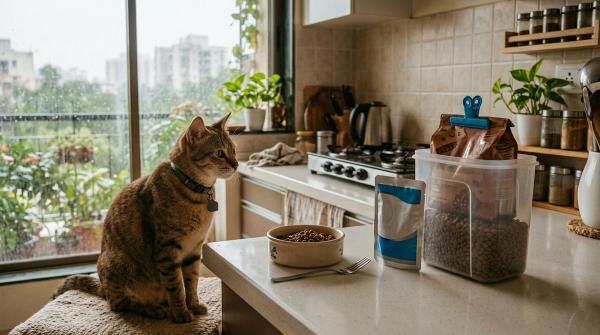
Helpful habits include measuring meals instead of guessing, limiting high-calorie treats, using part of the daily food as training rewards, keeping walks regular but gentle, tracking weight or body shape monthly, and making sure everyone in the family follows the same feeding plan.
In many homes, the real problem is not the dog’s main meal. It is the extras: one biscuit from Papa, one piece of toast from Dadi, a little paneer from someone in the kitchen, and a tiny “only today” treat from the kids.
Senior dogs can absolutely enjoy treats, but those treats need to be part of the plan.
3. Senior Dog Exercise: Gentle, Regular and Realistic
#Older dogs still need movement.
The goal is not to tire them out. The goal is to help them stay comfortable, mobile and interested in life.
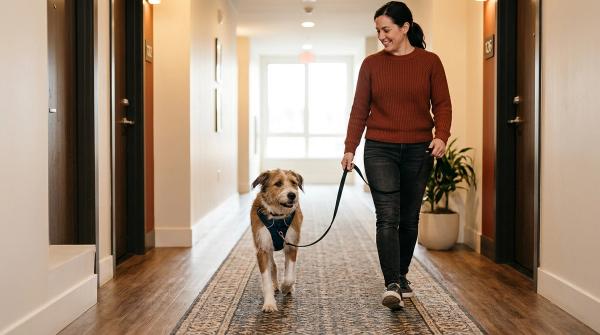
For many senior dogs, short daily walks are better than one long weekend walk. A slow 10-minute walk where your dog sniffs every pole, plant, tyre and mysterious corner may be more useful than a fast walk that leaves them stiff later.
Good Senior Dog Exercise Ideas
#Try short walks once or twice a day, slow sniff walks, gentle indoor play, easy training cues like “touch,” “sit” or “find it,” calm movement around the house, low-impact games that do not involve jumping, and short potty breaks more often if needed.
Let your dog set the pace when possible. Some days they may want to walk a little more. Some days they may only want to go outside, sniff the air, pee and come back.
Avoid sudden intense exercise if your dog is not used to it. Do not push through limping, heavy panting, trembling, refusal to move or clear discomfort.
Watch for Signs of Pain or Mobility Trouble
#Dogs often hide pain. Many will keep trying to follow you even when their body is struggling.
Speak to your veterinarian if you notice stiffness after sleeping, hesitation on stairs, refusing to jump, slipping more often, limping, licking one joint or paw repeatedly, restlessness at night, panting while resting, irritability when touched, difficulty standing up, walking more slowly than usual, or sitting down suddenly during walks.
Do not give human pain medicines to your dog unless your veterinarian specifically tells you to. Many common human medicines are unsafe for dogs and can be dangerous.
4. Dog Mobility Support at Home
#Small home changes can make a senior dog feel much safer.
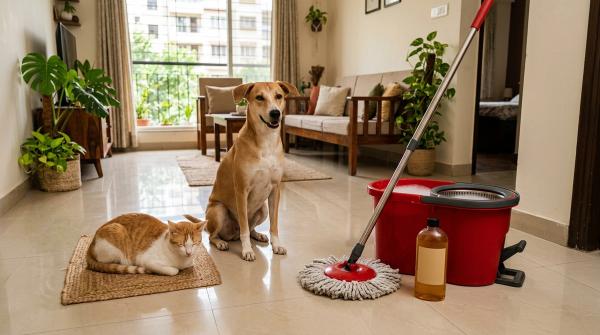
This is especially important in homes with tile, marble, granite or other smooth floors, which are common in many Indian apartments and warm-weather homes.
A dog who once ran confidently across the floor may suddenly start walking like the ground is betraying them. They may avoid certain rooms, freeze near the hallway or struggle to stand up.
Improve Floor Traction
#Helpful options include non-slip rugs in walking paths, washable runner mats, yoga mats in key areas, non-slip mats near food and water bowls, keeping paw fur trimmed if it affects grip, and keeping nails at a comfortable length with vet or groomer guidance.
Focus on the routes your dog uses most often: bed to water bowl, bedroom to door, living room to balcony, sofa to feeding area and hallway to potty area.
You do not have to redesign your whole home. Start with the places where your dog slips or hesitates most.
Make Stairs and Furniture Easier
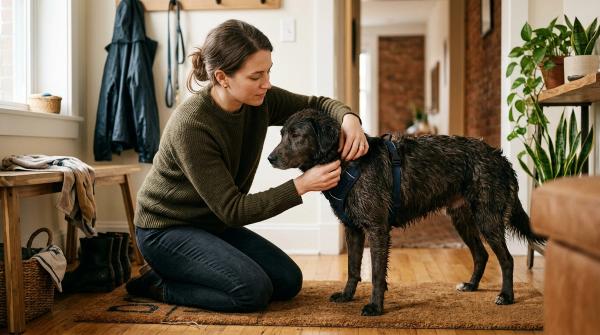
#If your dog struggles with stairs or jumping, consider blocking unsafe stairs when unsupervised, using a ramp where practical, placing beds on the floor instead of expecting sofa jumps, keeping essentials on one level of the home, helping them enter cars safely without forcing jumps, and using a supportive harness if your vet recommends it.
If your dog suddenly cannot climb stairs, stand up or walk normally, call your veterinarian. Sudden mobility changes need professional attention.
5. Old Dog Home Comfort: Beds, Temperature and Routine
#Senior dogs often love routine.
They like knowing where their bed is, when food usually arrives, which door opens for walks and where their people are. Predictability can be very comforting, especially if their hearing, vision or confidence is changing.
Create an Easy Rest Area
#A good senior dog rest spot should be soft but supportive, easy to step into, away from slippery floors, away from constant household traffic, close enough so your dog still feels included, and protected from direct heat, cold drafts and damp flooring.
Supportive bedding can reduce pressure on bony areas and make rest more comfortable. But softer is not always better. If your dog struggles to get up from a very deep, sinking bed, choose something firmer and more supportive.
Keep Essentials Easy to Reach
#Place food, water and bedding where your dog does not need to climb, jump or cross slippery floors.
For apartments, think about potty access too. Older dogs may need more frequent bathroom breaks. If accidents begin suddenly, do not assume it is bad behavior or stubbornness.
A senior dog who has always been house-trained is not usually “doing it on purpose.” There may be a medical reason, mobility issue, anxiety or age-related change behind it.
Watch Temperature Comfort
#Older dogs may be less tolerant of heat, cold and humidity.
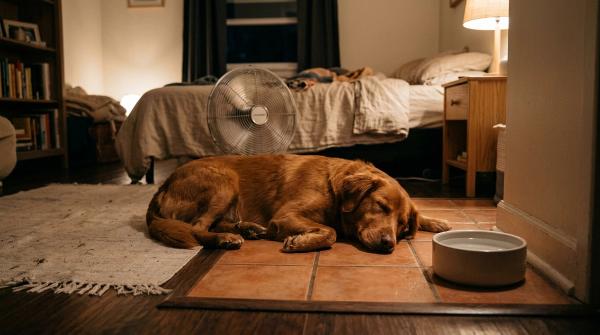
During hot summers or humid monsoon weather, give them a cool, shaded, well-ventilated place to rest. In colder weather, avoid damp floors and chilly drafts.
Comfort does not need to be fancy. Your dog needs safe footing, easy access, clean bedding, fresh water and a calm place to sleep.
6. Dental Care for Senior Dogs
#Bad breath is common in older dogs, but it should not be ignored.
Sometimes people joke about “dog breath,” but strong smell from the mouth can be linked with dental disease, gum irritation, infection or painful teeth.
Dental discomfort may show up as bad breath, drooling, dropping food, chewing on one side, pawing at the mouth, bleeding gums, avoiding hard food, swelling around the face or jaw, irritability when the mouth is touched, taking longer to eat, or suddenly preferring soft food.
Ask your veterinarian about dental checks and safe cleaning options.
At home, tooth brushing may help some dogs if introduced gently. Use dog-safe dental products only. Never use human toothpaste for dogs.
If your dog has mouth pain, loose teeth, bleeding gums or swelling, ask your vet before starting any brushing routine.
7. Grooming and Skin Checks
#Grooming is not just about keeping your dog neat. For senior dogs, it is also a quiet weekly health check.
Brush slowly and use the time to notice new lumps or bumps, skin redness, scabs, hair loss, greasy or flaky skin, ear smell, discharge, sore paws, overgrown nails, matted fur, tender spots, changes in body shape, or areas your dog does not want touched.
If you find a lump, do not panic. Many lumps are not emergencies. But do not ignore it either. New, growing, bleeding, painful or changing lumps should be checked by your veterinarian.
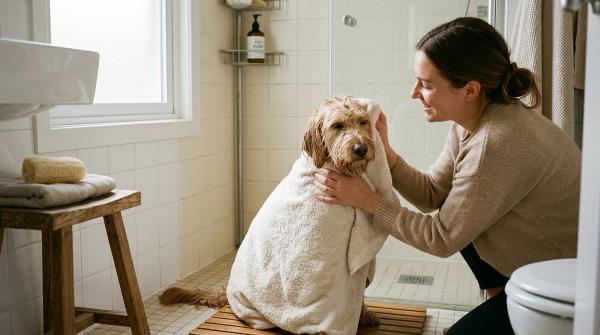
Senior dogs may also become less flexible, so they may not groom themselves as well as before. Long-haired dogs may need extra help around the tail, belly, paws and ears.
Keep grooming short and calm if your dog gets tired. A few minutes today and a few more tomorrow is perfectly fine.
8. Mental Enrichment for Aging Dogs
#Senior dogs still need interesting days.
They may not want wild play anymore. They may not chase the ball 20 times like before. But they still enjoy using their nose, brain and social skills.
Good options include sniff walks, snuffle mats, puzzle feeders, hiding treats around one room, practicing easy cues, calm brushing sessions, sitting together outdoors or near a window, rotating safe toys, short visits to familiar low-stress places, and gentle food-search games at home.
A “sniffari” walk, where your dog chooses the pace and smells the world slowly, can be wonderful for older dogs.
Watch Behavior Changes
#Some behavior changes can be linked to aging, pain, anxiety, vision or hearing changes, or medical conditions.
Speak to your veterinarian if your dog begins pacing at night, staring at walls, getting stuck in corners, barking more without clear reason, forgetting familiar routines, showing new fear or aggression, sleeping much more or much less, avoiding family members, acting confused in familiar places, becoming unusually clingy, or seeming anxious when left alone.
Do not assume your dog is “just getting old.” Sometimes behavior changes are your dog’s way of saying, “Something feels different, and I need help.”
Emergency Warning Signs: When to Call a Vet Urgently
#Some changes should not wait for the next routine visit.
Contact a veterinarian urgently, or seek emergency veterinary care where available, if you notice collapse or inability to stand, sudden severe weakness, trouble breathing, blue/pale/very dark gums, repeated vomiting or severe diarrhea, seizure activity, sudden bloated or painful belly, uncontrolled bleeding, sudden limping or crying in pain, inability to urinate, sudden confusion or extreme distress, refusing food and water along with weakness or other symptoms, severe coughing, major change in thirst or urination, or any sudden unusual behavior that worries you.
This list is not a diagnosis tool. If something feels wrong, call your vet. With senior dogs, it is always better to ask early than to wait and hope it passes.
A Simple Daily Routine for Senior Dog Care
#You do not need a complicated schedule. Most senior dogs benefit from a steady, simple routine.
Morning
#- Offer fresh water
- Feed measured breakfast
- Give a short potty walk
- Watch stiffness, appetite and energy
- Give any vet-directed care exactly as advised
Afternoon
#- Keep water easy to reach
- Offer a calm rest place
- Add a small enrichment activity, like a snuffle mat or gentle training
- Avoid heat and slippery areas
Evening
#- Take a slow walk or potty break
- Feed measured dinner
- Brush or do a quick body check
- Help your dog settle on a comfortable bed
- Note any changes to discuss with your vet
You do not need to do everything perfectly. Senior dog care works best when it is consistent, observant and kind. Your dog does not need a perfect home. They need a safe one, someone who notices when they are struggling and someone who adjusts when life gets harder for them.