Pet insurance in India can help with eligible vet bills when your dog or cat has a sudden accident, illness, surgery, or hospitalization, depending on the policy you choose. It is not meant to cover everything, but it can be useful when a big, unexpected clinic bill comes up. Before you buy, compare the coverage, exclusions, waiting periods, claim process, age or breed limits, and documents required.
If you live with a dog or cat, you know how quickly a normal day can turn into a stressful one. One minute your pet is doing the usual things; a few hours later, you could be at the vet clinic trying to understand tests, scans, admission advice, and a bill that is suddenly much higher than expected.
That is when pet health insurance starts to make sense for many pet parents.
It will not make every vet visit free. It will not cover every treatment. It does not replace savings, regular check-ups, vaccinations, or a good veterinarian. But if something serious happens without warning, it may reduce the financial pressure.
The important thing is to know exactly what the policy covers and, just as importantly, what it does not cover.
What does pet insurance usually cover?
#Most pet insurance policies are designed for unexpected medical situations, not everyday pet care.
Depending on the insurer, plan, add-ons, and policy wording, pet insurance coverage may include:
- Accidents and injuries, such as wounds, fractures, falls, bites, cuts, or emergency treatment after an accident
- Illness expenses, if the illness begins after the waiting period and is not excluded
- Surgery, when the procedure is covered under the policy
- Hospitalization, if admission and related expenses are eligible
- Diagnostics, such as blood tests, scans, X-rays, or imaging linked to a covered claim
- Third-party liability, in some policies, if your pet injures someone or damages someone else’s property
But every policy is different. One insurer may cover something that another excludes. One plan may include illness cover, while another may focus mainly on accidents.
A simple rule: if a benefit matters to you, find it in the policy wording before you pay.
Why more pet parents in India are considering it
#Pet parenting in India has changed a lot. Many dogs and cats now live inside homes, travel with families, visit better-equipped clinics, eat better food, and receive more advanced treatment than before.
That is good progress. It also means that sudden vet bills in India can feel expensive, especially when a pet needs urgent care, admission, diagnostics, or surgery.
Pet insurance in India may be worth considering if:
- You want some financial backup for large, unexpected vet expenses
- Your pet is young and healthy right now
- You are comfortable paying the vet first and claiming later, if the policy works on reimbursement
- You have read the exclusions and still feel the cover is useful
- You understand that routine care may still come from your own pocket
It may not be useful if you expect it to pay for every vaccination, grooming session, regular check-up, known illness, or a condition your pet already has symptoms of.
Pet insurance coverage: what you should compare
#When comparing policies, do not stop at “What is covered?” Ask more practical questions: how is it covered, when does cover start, how much will the insurer pay, and what can lead to a claim being rejected?
1. Accident cover
#Accident cover may apply when your dog or cat is injured because of a sudden external event. However, insurers may define “accident” differently.
Ask:
- Are accidents covered from day one, or is there a waiting period?
- Are road accidents, falls, bites, cuts, wounds, and fractures included?
- Are emergency consultations, medicines, tests, surgery, and hospitalization covered?
- Are there sub-limits for accident claims?
- Are there situations where an accident claim can be rejected?
2. Illness cover
#Illness cover may help with eligible diseases or medical conditions that begin after the waiting period. This is one of the most important parts to read carefully.
Ask:
- Which illnesses are covered?
- Which illnesses are excluded?
- Are hereditary or breed-related conditions covered?
- Are preventable diseases covered only if vaccinations are up to date?
- Does the insurer need your pet’s previous medical records?
If your pet is unwell, your first call should always be to a qualified veterinarian. For claim eligibility, speak to the insurer or broker and check the policy wording.
3. Surgery and hospitalization
#Some policies cover surgery and hospitalization, but the details can vary a lot. One plan may cover surgery only after an accident. Another may also cover illness-related surgery. Some may place limits on room charges, medicines, diagnostics, consumables, implants, or post-surgery care.
Ask:
- Is surgery covered for accidents, illnesses, or both?
- Is hospitalization required for certain claims?
- Are day-care procedures covered?
- Are implants, consumables, medicines, and diagnostics included?
- Are there per-claim, per-year, or per-condition limits?
4. Third-party liability
#Some pet insurance policies include third-party liability. This may help if your pet injures another person or damages someone else’s property, subject to policy terms.
Ask:
- Is third-party liability included or optional?
- Does it apply to dogs only, or cats too?
- Are certain breeds excluded?
- What documents are needed for a liability claim?
- What situations are not covered?
This can involve both legal and insurance issues, so avoid assumptions. Ask for written clarity.
Pet insurance exclusions: do not skip this section
#Many pet parents feel disappointed during claims because they read the brochure but not the exclusions.
Common pet insurance exclusions may include:
- Pre-existing conditions
- Illnesses or symptoms present before the policy started
- Conditions that appear during the waiting period
- Routine vaccinations, deworming, grooming, and regular check-ups
- Preventive care, unless a specific add-on includes it
- Cosmetic or non-medically necessary procedures
- Pregnancy, breeding, or related expenses
- Certain hereditary, congenital, or breed-specific conditions
- Dental care, unless specifically covered
- Claims without proper invoices, diagnosis, reports, or documents
These exclusions are not identical across all policies. The final list is in the policy wording, not in a sales pitch, advertisement, app screen, or social media post.
What counts as a pre-existing condition?
#A pre-existing condition usually means an illness, injury, symptom, or medical issue that existed before the policy began. This can apply even if the issue was not officially diagnosed at the time.
For example, if your pet had repeated vomiting, limping, skin irritation, seizures, breathing trouble, or any recurring symptom before the policy started, the insurer may later treat it as pre-existing.
Symptoms that appear during the waiting period may also be handled differently, depending on the policy wording.
Ask the insurer or broker:
- How does the policy define a pre-existing condition?
- Are symptoms treated the same way as a confirmed diagnosis?
- Are old vet records required?
- Can a pre-existing condition ever be covered later?
- Are chronic conditions permanently excluded?
- How are recurring symptoms handled?
Be honest about your pet’s medical history. Hiding old symptoms or treatment can create claim problems later.
Waiting periods: why you cannot buy today and claim tomorrow
#A waiting period is the time after buying the policy during which certain claims are not allowed.
Waiting periods may be different for:
- Accidents
- Illnesses
- Specific diseases
- Surgeries
- Hospitalization
- Add-on benefits
Some benefits may start earlier, while certain conditions may have longer waiting periods. The only answer that truly matters is the one written in the policy schedule and wording.
Before buying, ask:
- What is the waiting period for accident claims?
- What is the waiting period for illness claims?
- Are there separate waiting periods for surgeries or specific diseases?
- What happens if symptoms begin during the waiting period?
- If renewal is delayed, does the waiting period restart?
Comparison table: what to check before buying pet insurance in India
#Reimbursement vs cashless claims
#Many pet insurance policies in India work on a reimbursement basis. This means you pay the vet first, collect all the required documents, and then submit a claim to the insurer. After reviewing the claim, the insurer may reimburse eligible expenses as per the policy terms.
Some products may offer cashless or network-based arrangements, but do not assume this is available automatically.
Ask clearly:
- Is the policy reimbursement-based or cashless?
- If cashless is available, which clinics are included?
- Is pre-approval needed?
- What documents must be submitted?
- How long does claim review usually take?
- What are the common reasons for claim rejection?
If your regular vet clinic does not provide itemised bills, diagnosis notes, prescriptions, or test reports, the claim process can become difficult. Check this before buying the policy, not after treatment.
Dog insurance India: what dog parents should ask
#If you are comparing dog insurance India options, pay close attention to breed, age, and lifestyle.
Ask:
- Is my dog’s breed eligible?
- Are there breed-specific exclusions?
- Are hereditary or congenital conditions covered?
- Is third-party liability included?
- Are injuries from fights, bites, falls, or road accidents covered?
- Is hospitalization required for certain claims?
- Is there an upper age limit for buying or renewing the policy?
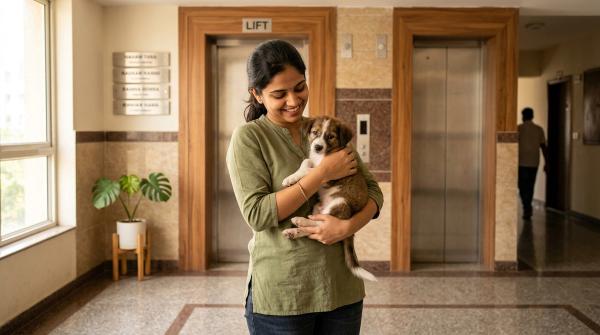
If you live in an apartment or housing society, liability cover may be especially important. Dogs use shared lifts, corridors, parks, staircases, and common areas. If liability cover matters to you, confirm it properly instead of assuming it is included.
Cat insurance India: what cat parents should ask
#Cat insurance India options may not be discussed as often as dog policies, but cat parents should still compare the important details.
Ask:
- Are cats covered under this policy?
- Are indoor-only cats eligible?
- Are both accident and illness covered?
- Are diagnostic tests covered when linked to an eligible illness?
- Are hospitalization and surgery included?
- Are routine vaccinations, sterilization, dental care, or preventive care excluded?
- Are there age limits for entry and renewal?
Cats are very good at hiding pain or discomfort. Many cat parents realise something is wrong only when symptoms become serious. Even then, insurance claims will still depend on waiting periods, exclusions, documents, and medical history.
For any illness or injury, visit a qualified veterinarian first.
Checklist before buying pet insurance
#Use this checklist before you pay for a policy.
1. Verify the insurer or broker
#Check that the policy is issued by an IRDAI-regulated insurer or sold through an IRDAI-registered broker or authorized intermediary. Do not rely only on ads, app screens, WhatsApp messages, or verbal promises.
2. Read the actual policy wording
#Ask for the full policy wording, not just a brochure. Look for definitions, coverage sections, exclusions, waiting periods, claim process, renewal terms, cancellation rules, and co-pay or deductible clauses.
3. Confirm accident and illness coverage separately
#Some policies mainly cover accidents. Some include illness. Some include illness only under specific conditions. Ask directly: “Is illness covered under this plan, or only accidental injury?”
4. Check pre-existing condition rules
#Disclose your pet’s health history honestly. Ask how the insurer treats past symptoms, recurring issues, previous diagnoses, and vet notes.
5. Understand waiting periods
#Write down the waiting periods for accidents, illnesses, surgeries, hospitalization, and specific conditions. Do not rely only on what you remember from a phone call.
6. Ask about age and breed limits
#Confirm the entry age and renewal age. Also ask whether your pet’s breed has any special restrictions, exclusions, or limits.
7. Review claim documents
#Ask your vet clinic whether they can provide itemised bills, payment receipts, diagnosis notes, prescriptions, diagnostic reports, discharge summaries if hospitalized, and vaccination records if needed.
8. Check co-pay, deductible, and sub-limits
#A policy may not pay the full bill. You may still need to pay part of the cost because of co-pay, deductible, or sub-limits. Ask the insurer or broker to explain this with examples based on the actual wording.
9. Understand renewals
#Ask whether the policy can be renewed long-term, whether benefits can change at renewal, what happens if renewal is delayed, whether waiting periods restart after a break, and whether claims can affect future terms.
10. Keep records organised
#Keep your pet’s medical records in one place. This includes vaccination history, prescriptions, test reports, invoices, diagnosis notes, and discharge summaries. Good records help your vet and can also make the claim process smoother.
Is pet insurance in India worth it?
#It can be, if you understand what you are buying.
Pet insurance in India may be worth considering if you want support for unpredictable, larger vet expenses and you are comfortable following a claim process.
It is less useful if you expect it to cover routine care, known illnesses, old symptoms, grooming, or every clinic visit.
Think of pet insurance as one part of your planning, not the whole plan. A sensible approach is to keep a separate pet emergency fund, visit your vet regularly as advised, compare policy coverage carefully, read exclusions before buying, and ask the insurer or broker for important answers in writing.
The best policy is not always the one with the prettiest brochure or the lowest premium. It is the one you understand before you need to use it.
Questions to ask the insurer or broker before buying
#Keep this list handy when comparing plans:
- Is my dog or cat eligible under this policy?
- Is this accident-only cover, illness cover, or both?
- Are surgery and hospitalization included?
- What are the waiting periods?
- How do you define pre-existing conditions?
- Are breed-specific or hereditary conditions excluded?
- Is third-party liability included?
- Is the claim cashless or reimbursement-based?
- What documents are mandatory for claims?
- Are there co-pays, deductibles, or sub-limits?
- What are the renewal rules?
- Can you share the full policy wording before I buy?
If an answer is unclear, ask again and get it in writing.
Final takeaway
#Pet insurance in India can be a useful backup for dog and cat parents, especially if a sudden vet bill would put pressure on your household budget.
But it is not automatic protection for every illness, every treatment, or every clinic visit.
Before buying, compare coverage, exclusions, claims, waiting periods, and document requirements. Verify the insurer or broker. Read the policy wording. Ask direct questions and get important answers in writing.
And if your pet is ill or injured, speak to a qualified veterinarian first. For whether the bill is covered, rely on the insurer, broker, and written policy terms.
Disclaimer: This article is for general educational purposes only. It is not veterinary, legal, financial, or insurance advice. Policy benefits, exclusions, waiting periods, claim rules, and eligibility vary by insurer and policy wording. Always verify exact terms with an IRDAI-regulated insurer, IRDAI-registered broker, or authorized intermediary. For any illness, injury, or health concern, consult a qualified veterinarian.