Flea and tick prevention for dogs and cats during the Indian monsoon works best when you combine vet-approved protection, regular body checks, and a clean, dry home. Use only species-safe products, never apply dog flea medicine on cats, check your pet after rainy walks or balcony time, and call a veterinarian if your pet seems weak, feverish, pale, itchy, or unwell.
Monsoon is beautiful, of course. Cooler air, chai weather, wet roads, and that fresh smell after rain. But pet parents know the other side too. Your dog starts scratching at 2 am. The bedding smells damp. Your cat is overgrooming. Then one day you spot a tiny brown tick near the ear, under the collar, or between the toes.
Not so romantic anymore.
And if you live in an Indian apartment, it is easy to think, “My pet is mostly indoors, so we should be safe.” Unfortunately, fleas and ticks do not need a farmhouse, forest trail, or big garden to become a problem. Shared lifts, staircases, parking areas, building lawns, muddy patches, other pets, damp corners, and even shoes can bring them close to home.
This guide is for regular Indian dog and cat parents who want a sensible, safe, vet-aware routine. No panic. No dangerous home remedies. Just practical monsoon pet care that you can actually follow.
Why Fleas and Ticks Get Worse During the Indian Monsoon
#The Indian monsoon gives fleas and ticks the kind of environment they love: warmth, moisture, damp bedding, wet fur, and quiet corners where nobody checks very often.
Dogs can pick up ticks during the shortest toilet walk. It can happen near the building gate, under parked cars, around shrubs, in muddy footpath patches, or even in common apartment areas. Sometimes five minutes outside is enough.
Cats are not completely safe either. Cats who go into balconies, corridors, terraces, staircases, or shared spaces can be exposed. Even fully indoor pets can get fleas or ticks because parasites may enter through people, other pets, fabrics, shoes, bags, or common building areas.
Ticks are especially annoying in apartments because they are excellent at hiding. They may settle into cracks near skirting boards, door gaps, sofa seams, curtain folds, pet bedding, window tracks, and dark corners behind furniture.
Fleas are also not only a “pet problem”. Flea eggs and immature stages can be present in the home environment, especially around places where your pet sleeps or rests.
So flea and tick prevention for dogs and cats is not something you apply once and forget. During monsoon, it becomes a small routine: protect the pet, clean the home, dry things properly, and check the body after possible exposure.
Quick Prevention Table for Indian Apartment Pet Parents
#Dogs and Cats Are Different: This Safety Rule Really Matters
#If there is one rule you should never forget, it is this: dogs and cats cannot always use the same flea and tick products.
Cats are not just smaller versions of dogs. Their bodies process many ingredients differently. A flea and tick medicine that is safe for a dog may be dangerous for a cat.
This is especially important with some dog flea and tick products that contain permethrin or similar ingredients. Permethrin exposure can be highly toxic to cats.
Please be careful with these common mistakes:
- Do not apply a dog spot-on to a cat.
- Do not split one large dog dose between smaller pets.
- Do not guess the dose based on body size.
- Do not use an old product if the label is missing, torn, or faded.
- Do not let a cat rub against or groom a recently treated dog unless your vet or the product label says it is safe.
For dogs, flea and tick prevention may include oral chewables, spot-ons, sprays, or collars. For cats, parasite control needs extra caution because many ingredients used for dogs are not safe for them.
The safest habit is simple, even if it feels boring: check the label every single time, match the product to the species and weight, and ask your veterinarian before starting anything new.
Flea and Tick Medicine for Pets: Common Options
#Your veterinarian may suggest different products depending on your pet’s age, weight, breed, health history, skin condition, and exposure level.
No single product is right for every pet.
A puppy, kitten, senior dog, pregnant pet, cat with liver issues, dog with seizures, or pet with sensitive skin may need special care. If your pet is already unwell, do not start random flea and tick medicine on your own. Call your vet first, even if it feels like a small issue.
Monsoon Flea and Tick Home Checklist
#Use this as your apartment pet hygiene checklist through the rainy season.
- Check your pet daily. Look around the ears, neck, belly, armpits, groin, paws, between toes, and tail base.
- Comb the coat in good light. A flea comb can help you spot flea dirt, tiny insects, scabs, and irritated skin.
- Vacuum high-risk areas. Focus on rugs, sofa corners, under beds, pet resting spots, doormats, and balcony edges.
- Wash pet bedding weekly. Wash beds, blankets, towels, and soft toys your pet uses often.
- Dry bedding completely. Do not put damp bedding back in your pet’s corner.
- Clean entry points. Wipe near the main door, shoe rack, balcony door, and pet walking gear.
- Inspect cracks and corners. Skirting boards, window tracks, furniture gaps, and curtain bottoms are common hiding spots.
- Keep walking towels separate. Use dedicated towels for paws, legs, and belly after rainy walks.
- Clean collars and harnesses. Damp collars, leashes, and harnesses can hold dirt, smell, and moisture.
- Track medicine dates. Put reminders on your phone so doses are not missed during busy monsoon weeks.
A clean home cannot replace parasite medicine if your pet needs it. But it does reduce repeated exposure. And honestly, a dry, clean-smelling home feels better for everyone.
Post-Walk Routine for Dogs During Monsoon
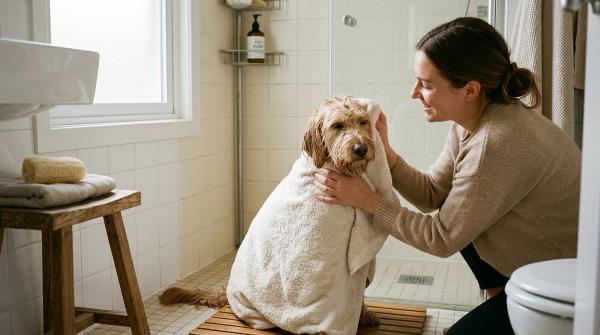
#For dog tick prevention during the Indian monsoon, the post-walk routine is very important. It matters even if the walk was short.
When your dog comes home:
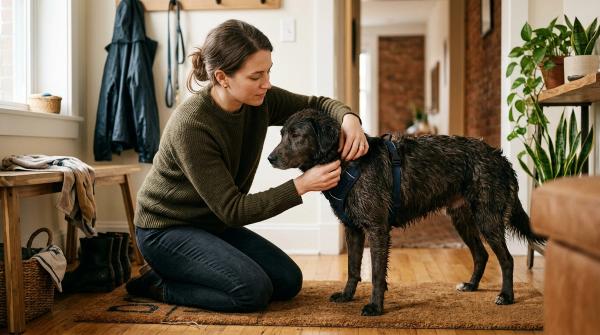
- Wipe the paws first. Remove mud, dirt, and tiny debris from paw pads and between toes.
- Dry the belly and legs. These areas get wet quickly, even during short walks.
- Check the ears and neck. Ticks like warm, protected areas.
- Look under the collar. Remove the collar for a minute and inspect the skin properly.
- Run your fingers through the coat. Feel for small bumps, especially in thick-coated dogs.
- Dry fully before sleep time. Damp fur can worsen smell, itching, and skin irritation.
If your dog has a long or dense coat, ask your groomer or vet about a monsoon-friendly grooming plan. Avoid shaving the coat too closely without guidance, because your dog’s coat also protects the skin.
And yes, keep one old towel near the door. It saves your floor, your sofa, and sometimes your mood too.
Flea Prevention for Cats in Apartments
#Cats are careful groomers, so fleas and ticks can be harder to notice at first. You may not actually see the parasite. Instead, you may notice scratching, overgrooming, tiny scabs, hair thinning, restlessness, or black specks of flea dirt in the coat.
For flea prevention in cats, keep the routine simple and safe:
- Keep cats indoors as much as possible during monsoon.
- Secure balconies, windows, and grills.
- Wash cat bedding and favourite resting cloths regularly.
- Use only flea and tick products clearly labelled for cats.
- Ask your vet before using sprays, powders, or spot-ons.
- Keep treated dogs away from cats until the product is dry and safe as per label guidance.
Never assume “natural” means safe for cats. Cats can be sensitive to many substances, including some oils and chemicals that dogs may tolerate better.
What Not to Do: Unsafe Home Remedies and Risky Shortcuts
#The internet is full of quick fixes for flea and tick prevention. Some sound harmless. Some sound traditional. Some sound very convincing.
But many are unreliable, and some can be unsafe.
Avoid these common mistakes:
- Do not use dog flea products on cats. This can be dangerous, especially with products containing permethrin.
- Do not use essential oils casually. Tea tree, eucalyptus, citrus, peppermint, and similar oils can irritate pets and may be toxic, especially for cats.
- Do not feed garlic or onion for parasite control. Garlic and onions are unsafe for dogs and cats and can harm red blood cells.
- Do not apply random neem oil mixtures or herbal pastes. Concentration, purity, and licking risk are real concerns.
- Do not pull ticks with bare fingers. Use a tick remover or blunt tweezers, grasp close to the skin, and pull steadily.
- Do not burn ticks with a match or apply kerosene. These methods can injure your pet and delay proper removal.
- Do not keep bathing again and again to “wash ticks away”. Too much bathing can irritate the skin and does not replace proper parasite control.
If you remove a tick and the area becomes red, swollen, painful, or starts oozing, call your vet.
When to Call a Veterinarian
#Even careful pet parents can miss a flea or tick. It happens. Do not feel guilty, but do take action.
Call your veterinarian if you notice any of these signs:
- Sudden tiredness or unusual dullness
- Loss of appetite
- Fever or your pet feeling unusually hot
- Pale gums
- Repeated scratching, biting, or licking
- Hair loss, scabs, redness, or skin wounds
- Limping or joint pain
- Vomiting, weakness, or collapse
- Many ticks on the body
- Fleas on a very young, senior, or weak pet
- Any reaction after applying flea and tick medicine, such as drooling, tremors, severe itching, vomiting, or unusual behaviour
Tick-borne illness and heavy flea infestation need proper diagnosis and treatment. Do not wait several days if your pet is clearly unwell during monsoon. Waiting usually makes things more stressful for both you and your pet.
A Simple Weekly Monsoon Plan
#If daily care feels overwhelming, follow this simple rhythm.
Every day: Check your pet after walks, balcony time, or corridor exposure. Wipe and dry paws. Look at the ears, belly, neck, and tail base.
Twice a week: Comb the coat properly. Check bedding, collars, harnesses, and favourite sofa spots.
Once a week: Wash bedding, vacuum deep corners, inspect skirting boards, and clean entry areas.
Every month or as advised: Give or apply flea and tick prevention as per your vet’s schedule and the product label.
Small habits work much better than one huge cleaning session after you already find ticks.
Related AllBlogs Guides
#- Monsoon Pet Care India: Walks, Paws, Smell, Vet Tips
- Dog Rain Boots vs Paw Balm: Monsoon Paw Care Guide for Indian Apartments
- Cat Litter Smell in Small Apartments: Monsoon Guide for Indian Cat Parents
- Pet-Safe Mosquito Repellent in Indian Homes: What Dog and Cat Parents Should Use
Final Takeaway
#Flea and tick prevention for dogs and cats during the Indian monsoon is not about panic. It is about consistency.
Use species-safe, vet-approved prevention. Keep your apartment clean and dry. Check your pet after outdoor exposure. Avoid unsafe home remedies, especially for cats. And if something feels off, call your veterinarian early.
Monsoon pet care in India is really very practical: a towel by the door, a comb near the leash, medicine reminders on your phone, and your vet’s number saved.